


Edwardian Mahogany Bed
When you search for an edwardian mahogany bed, you find substantial timber frames shaped by early twentieth-century cabinetmakers for durability and decorative grace.
Edwardian Mahogany Bed
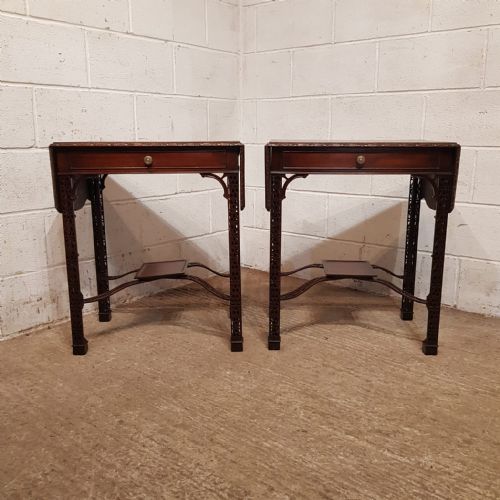
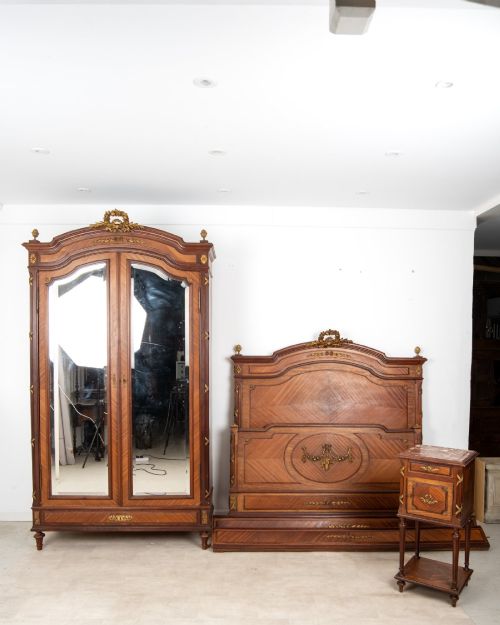
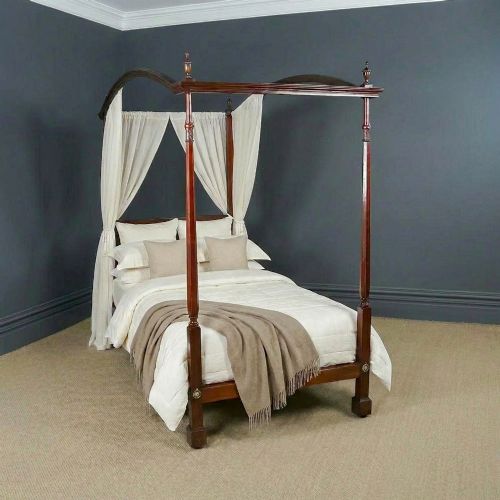
An edwardian mahogany bed represents the domestic furniture output of the early twentieth century, spanning single, double, and four-poster formats. The listings on this page reflect this domestic focus, offering full bedsteads alongside related bedside tables and daybeds.
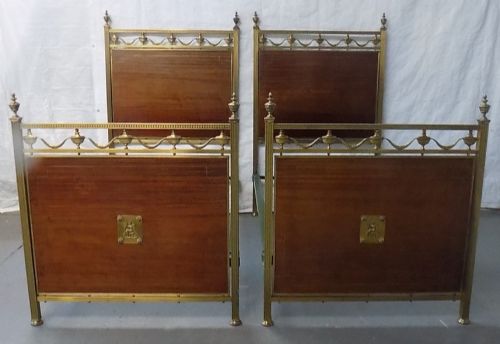
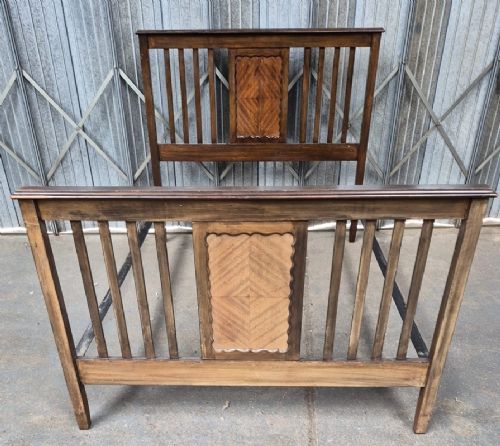
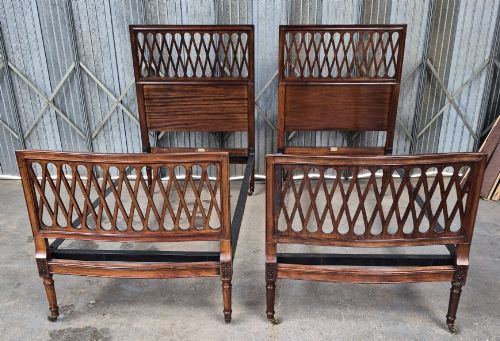
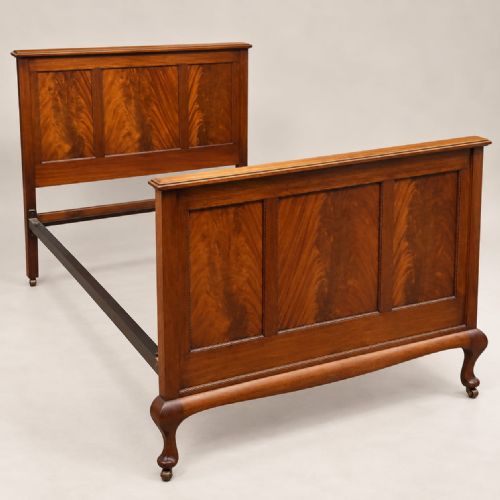
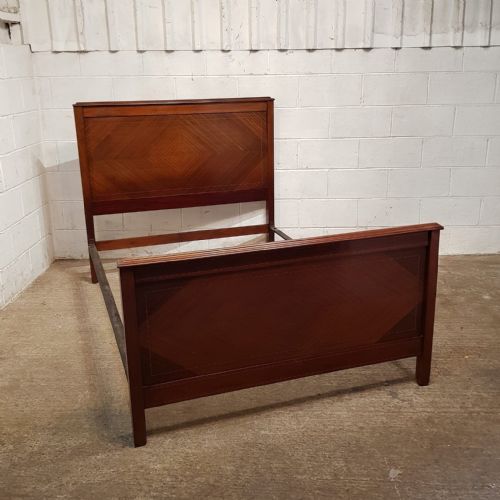
The prevalent design relies on mahogany timber, frequently enhanced with satinwood or bone inlay, reflecting the lighter aesthetic of the Edwardian period compared to heavier Victorian precedents. Single and double frames predominate, often featuring panelled headboards and footboards.
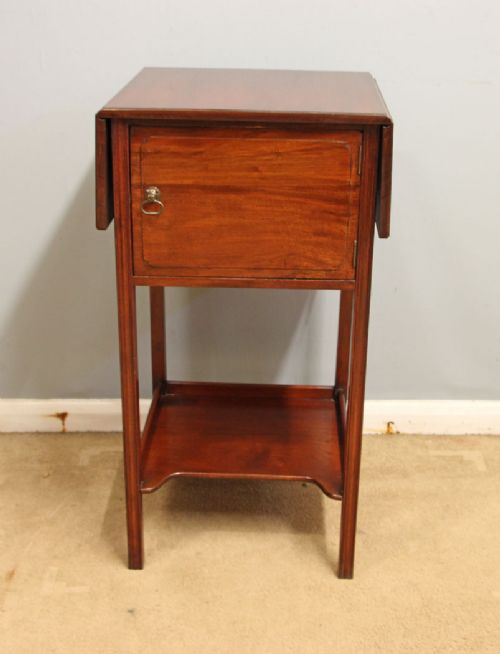
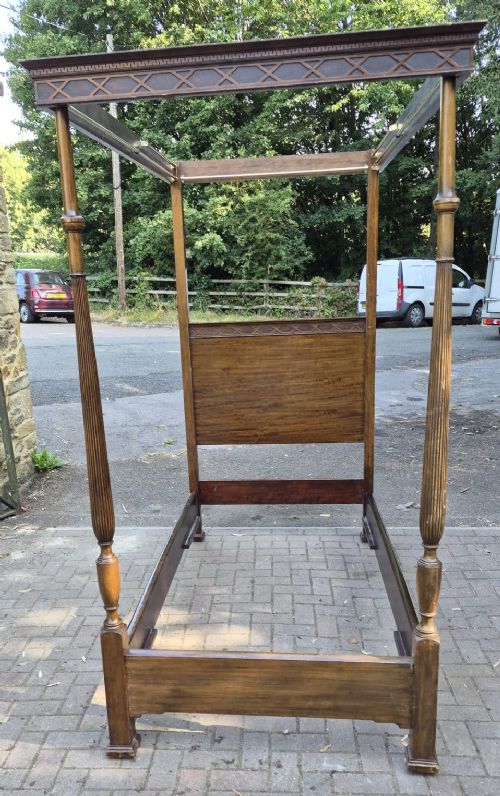
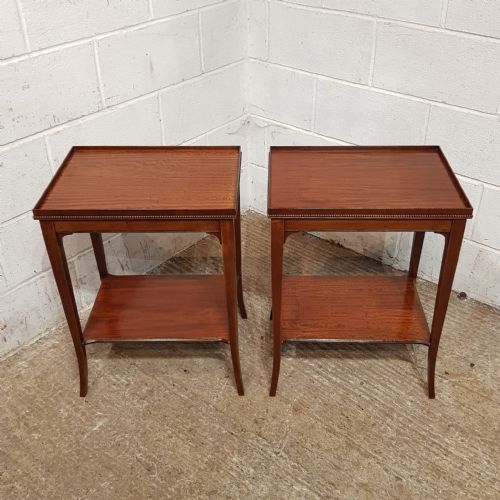
Beyond standard bed frames, the category encompasses campaign pieces, four-poster variations in the Georgian style, and associated bedroom furniture such as bedside cabinets. These pieces combine functional sleeping arrangements with the refined cabinetwork characteristic of the era.
What varies in quality
The distinction between standard commercial pieces and finer work lies in the choice of timber figure, the precision of the inlay, and the depth of the carving. Finely figured mahogany and intricate satinwood banding elevate the visual weight of a piece.
Structural robustness also marks the division, where heavier gauge side irons, well-fitted joints, and retained original hardware separate exceptional survivals from utilitarian alternatives.
Edwardian Mahogany Bed Retail Price Guide 2026
Typical asking prices for edwardian mahogany bed among the pieces listed under this phrase on Sellingantiques today, from the lower quarter to the upper quarter. They describe what is for sale here now, not the wider market.
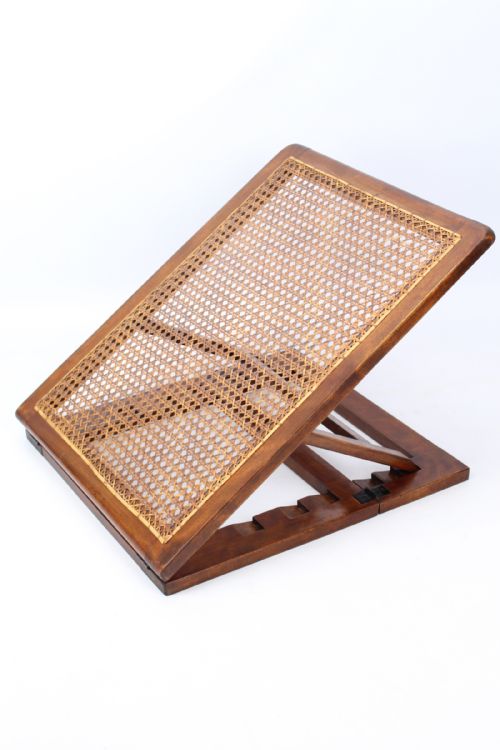
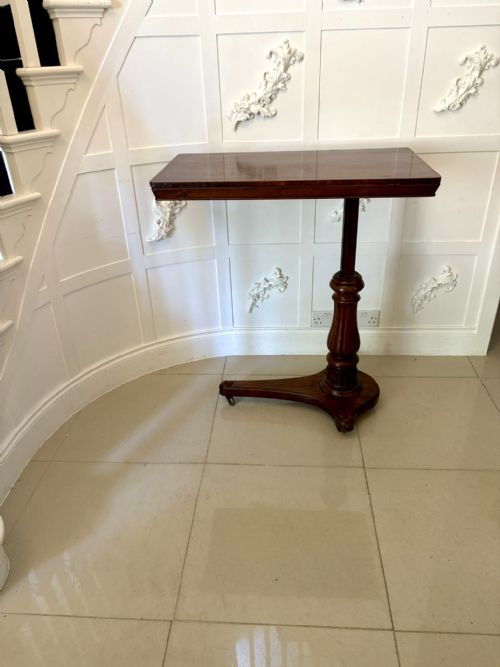
Some Edwardian sleepers enjoyed folding campaign backrests and adjustable reading tables, proving that breakfast in bed required proper engineering.
Heals of London·Leveson and Sons·Hampton and Sons
The Edwardian Mahogany Bed Glossary
- Bedstead
- The framework of a bed, comprising the headboard, footboard, and side rails, designed to support a mattress and base. In Edwardian pieces, these are frequently constructed from mahogany with integrated wooden or iron rails.
- Inlay
- A decorative technique where contrasting materials such as satinwood or bone are inserted into depressions carved into the mahogany surface. This method creates geometric borders and floral motifs typical of the period.
- Campaign style
- Portable furniture originally designed for military officers, characterised by folding frames and brass fittings. Examples in this category include daybeds and backrests adapted for travel.
- Four poster
- A bed with four vertical columns supporting a tester or canopy frame. Edwardian interpretations often follow earlier Georgian or classical revivals.
- Figured mahogany
- Timber harvested from sections of the mahogany tree that produce distinctive grain patterns, such as flame or fiddleback. Cabinetmakers reserved these boards for prominent surfaces like headboards and cabinet doors.
Edwardian Mahogany Bed: Frequently Asked Questions
Will an Edwardian bed fit a modern mattress?
Many Edwardian bedsteads were built to nineteenth-century sizing conventions, which often differ slightly from modern standard mattress dimensions. Buyers frequently need to verify internal dimensions or utilise custom mattress makers to ensure a proper fit within the wooden frame.
Adjustment of side irons or the addition of supportive modern slat bases can also help accommodate contemporary mattresses securely without altering the visible antique structure.
How do I assemble an antique wooden bedstead?
Antique bedsteads typically utilise metal side irons that slot into receiving brackets housed within the headboard and footboard posts. Securing these joints requires tightening the integrated bolts or screws evenly to ensure the frame remains square.
Once the side rails are locked into position, wooden slats or a modern drop-in base are placed across the interior ledges to support the mattress weight.
What is the difference between an Edwardian and a Victorian bed?
Victorian beds generally exhibit heavier proportions, darker finishes, and more robust carving reflecting earlier nineteenth-century tastes. They often utilise dense mahogany or iron with substantial crestings and deep mouldings.
Edwardian beds tend to feature lighter colour palettes, cleaner lines, and restrained inlay work utilising satinwood or marquetry, aligning with a turn-of-the-century preference for brighter bedroom interiors.
Can I use a modern base inside the antique frame?
Modern slatted bases or low-profile box springs can often be placed inside the perimeter of an antique mahogany bedstead. Care must be taken to measure the interior width and length between the side rails before purchasing any drop-in support.
Many buyers choose freestanding slatted bases that rest on the floor inside the frame, avoiding any permanent alteration to the antique mahogany side irons.