



Antique Wooden Headboard Footboard
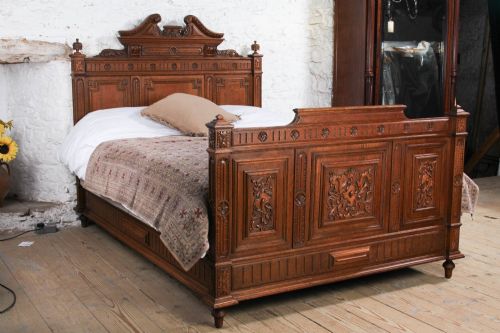
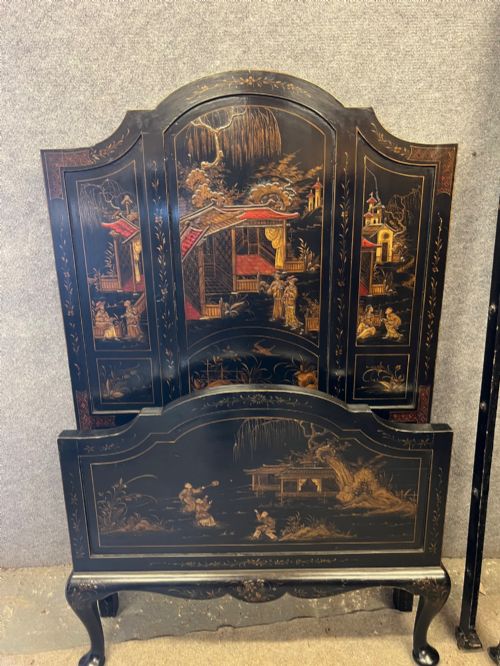
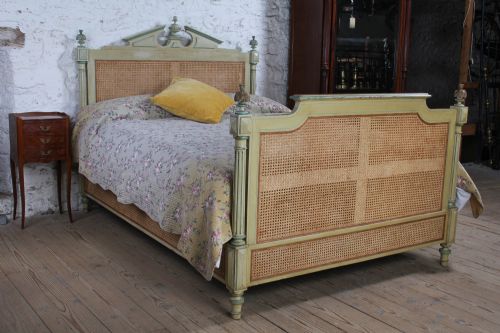
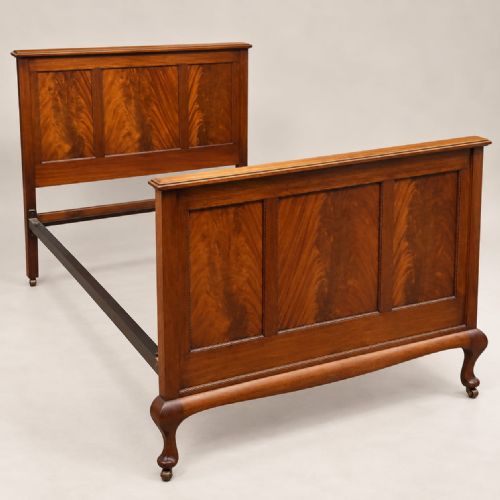
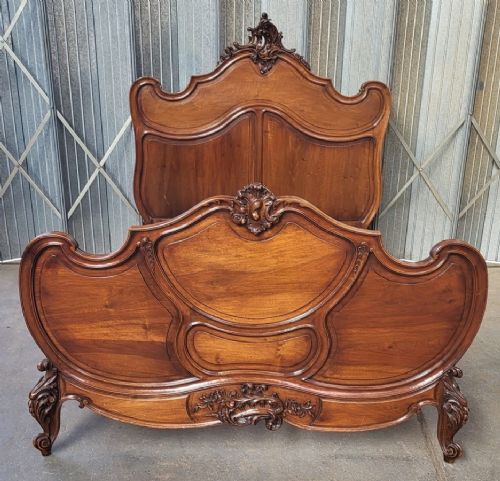
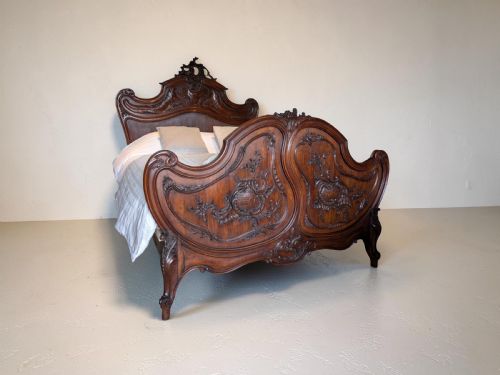
These antique wooden headboard footboard sets bring substantial period presence to a bedroom, combining traditional craftsmanship with historical walnut, mahogany, and oak framing.
Antique Wooden Headboard Footboard
Most pieces on this page appear as double or king size beds, often retaining their original matched wooden headboards and footboards. Single beds and pairs also emerge, particularly within Edwardian and nineteenth-century inventories.
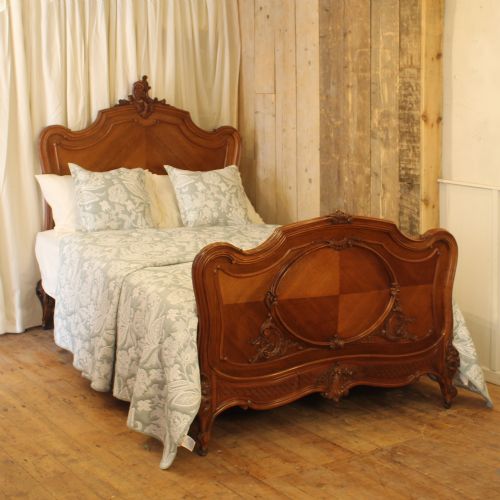
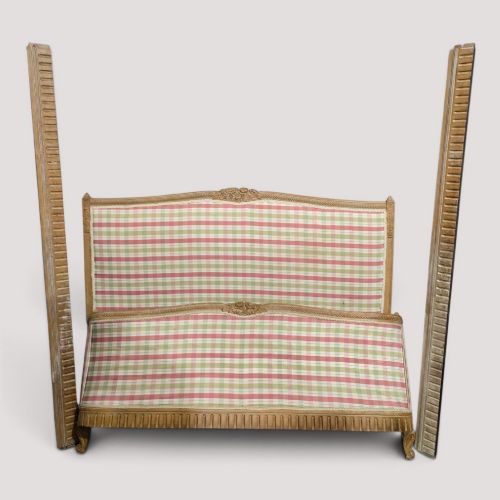
Origins divide broadly between English Edwardian workshops and continental French production centres. French provincial and neoclassical influences frequently manifest in carved walnut or painted wood finishes.
Materials and construction methods
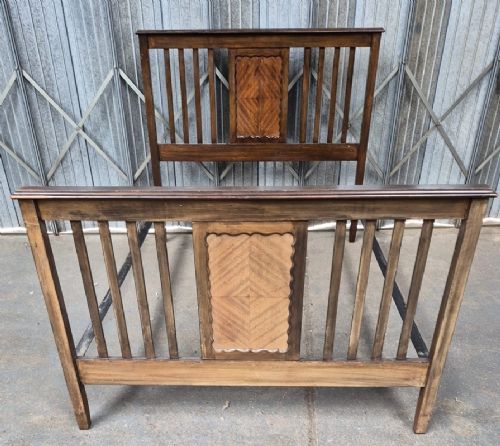
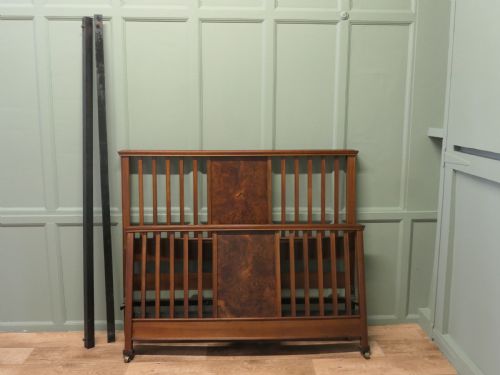
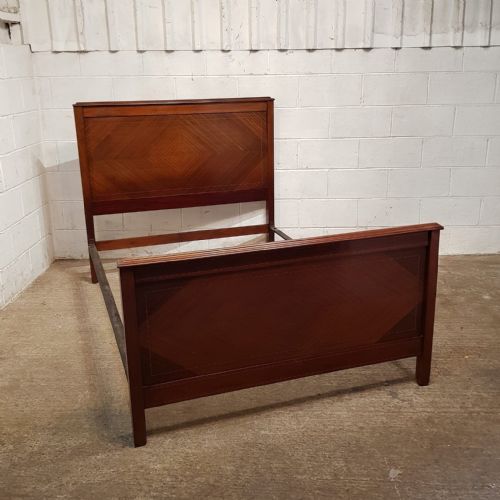
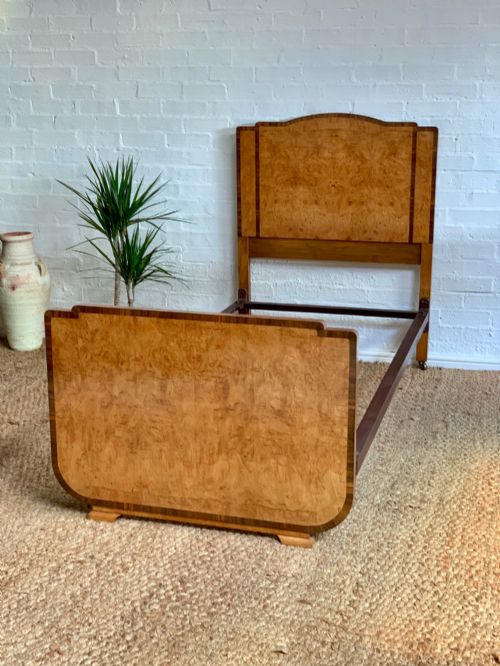
Carpenters utilised solid timbers like mahogany, walnut, and oak alongside decorative veneers such as burr walnut, blonde bird's eye maple, and satinwood. Parquetry and inlay work frequently decorate the grander French and Edwardian surfaces.
Structural integrity relied on traditional joinery methods combined with iron or brass hardware to secure the headboard and footboard to side rails. Carved ornamentation, from floral motifs to geometric Art Deco curves, was shaped by hand directly into the timber.
Antique Wooden Headboard Footboard Retail Price Guide 2026
Typical asking prices for wooden headboard footboard among the pieces listed under this phrase on Sellingantiques today, from the lower quarter to the upper quarter. They describe what is for sale here now, not the wider market.
Listings feature walnut, mahogany, oak, and painted wood across Edwardian and Art Deco periods.
Distinctions in quality and finish
The degree of hand-carved detail and the selection of figured wood veneers distinguish standard production from exceptional pieces. Finely matched burr walnut or intricate parquetry denote higher workshop standards.
Proportion and execution of style also separate the items, with bespoke continental carvings and inlaid Edwardian framing demonstrating superior design execution compared to simpler utilitarian bedsteads.
Waring & Gillow England
The Antique Wooden Headboard Footboard Glossary
- Bedstead
- A framework of a bed consisting of headboard, footboard, and side rails. This term frequently appears in Edwardian and nineteenth-century British listings.
- Burr Walnut
- Timber taken from a tree growth where the grain has swirled into a pattern of small knots. Cabinet makers prize this wood for decorative veneered panels on headboards and footboards.
- Art Deco
- A design style prevalent during the 1920s and 1930s characterised by sleek geometric shapes, streamlined forms, and contrasting blonde woods.
- Parquetry
- Geometric mosaic woodwork used for decorative decoration on floors and furniture. French makers applied this technique to create patterned surfaces on bed panels.
- Louis XV Style
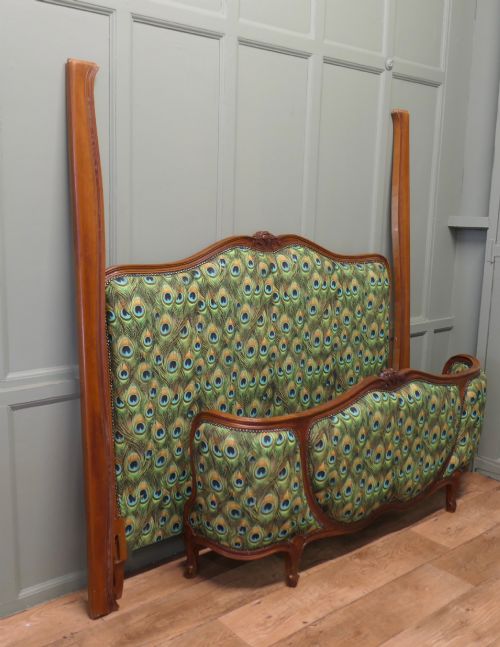
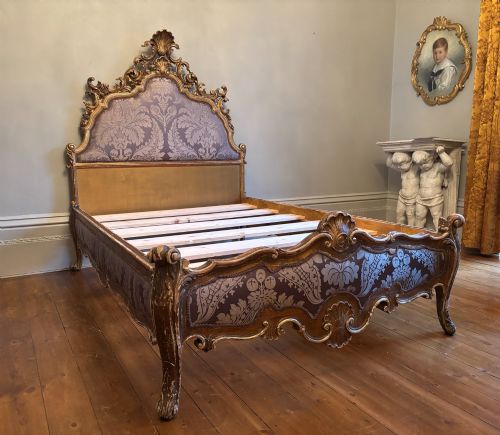
- A revival style marked by asymmetrical ornamentation, cabriole lines, and naturalistic floral carvings. Pieces adopting this aesthetic often feature sweeping wooden headboards.
Antique Wooden Headboard Footboard: Frequently Asked Questions
How do I measure for an antique bed frame?
Antique bed dimensions often differ slightly from modern standard mattress sizes. Measure the internal width and length between the headboard and footboard to confirm compatibility with your current mattress.
Note that older French and English beds can vary by a few centimetres compared to modern metric standards, so checking the rail length is essential.
Can I use a modern mattress with these beds?
Most antique wooden bed frames accommodate modern mattresses, provided the side rails and slatted base offer adequate support. Slatted bedsteads can be adjusted or reinforced to suit contemporary pocket-sprung or foam mattresses.
Consult the specific listing details regarding internal dimensions to ensure your mattress sits securely between the antique headboard and footboard.
What is the difference between Edwardian and Art Deco beds?
Edwardian beds typically feature polished mahogany or inlaid timber with classical proportions and subtle detailing. They reflect the furniture traditions of the early twentieth century.
Art Deco beds, dating from the 1920s and 1930s, showcase curvaceous figured walnut, satinwood, or bird's eye maple with bold geometric lines and symmetrical styling.
How are antique wooden headboards attached?
Antique headboards and footboards usually connect to long wooden or iron side rails using standard bed bolts, metal brackets, or slot-in tenon joints. This knockdown construction allowed beds to be easily disassembled for transport.
When assembling, ensure all four corners square up correctly to maintain the structural balance between the headboard and footboard.