

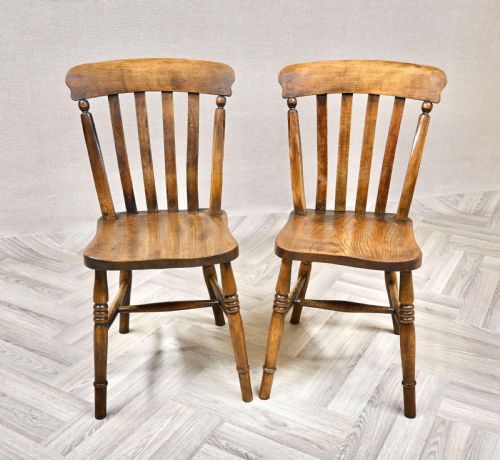
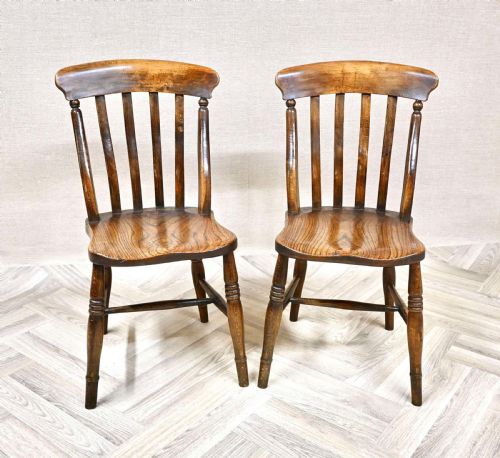
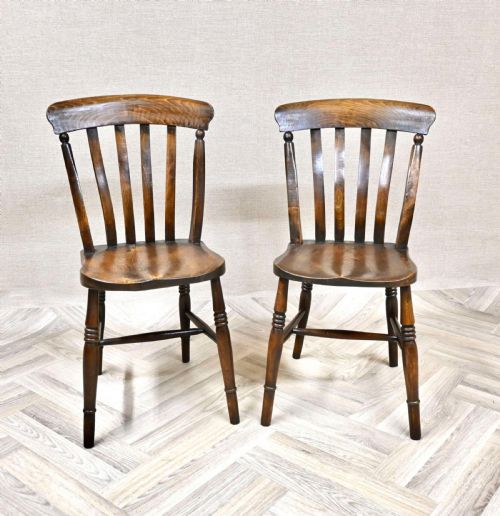
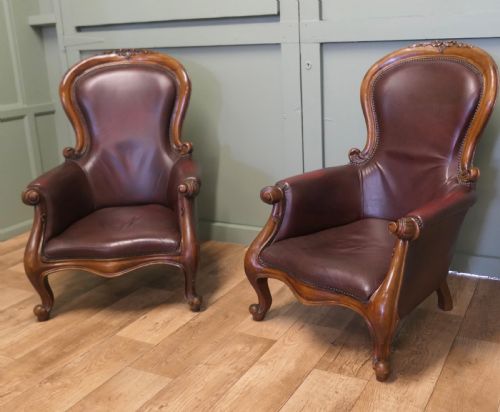
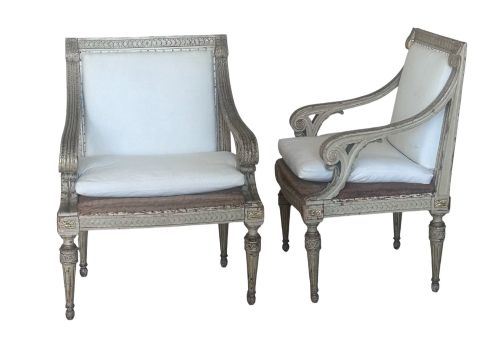
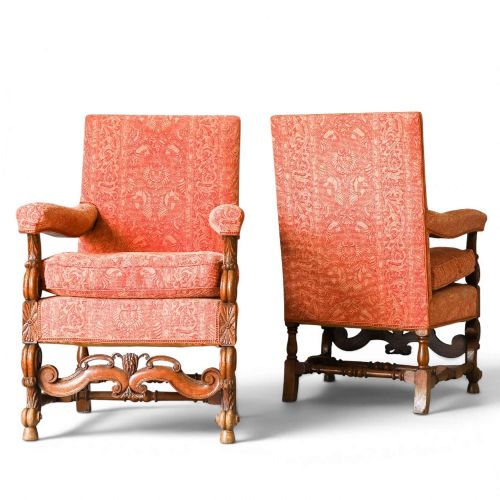
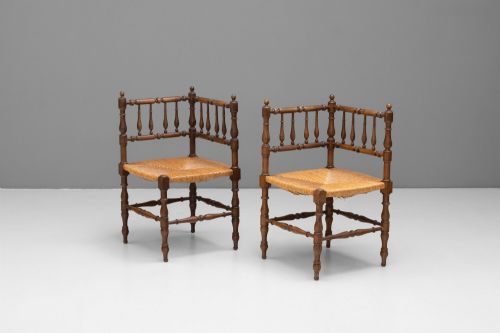
Pair Vintage Wooden Chairs
Pair vintage wooden chairs bring matched seating into a room, offering functional utility alongside period timber character.
Pair Vintage Wooden Chairs
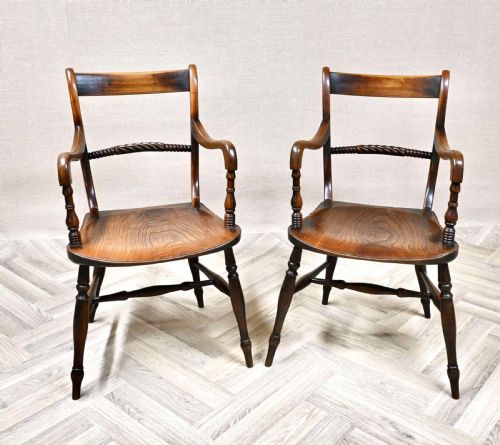
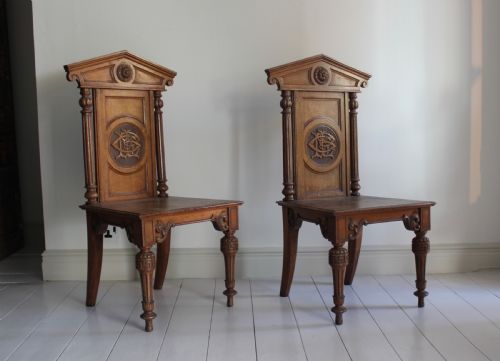
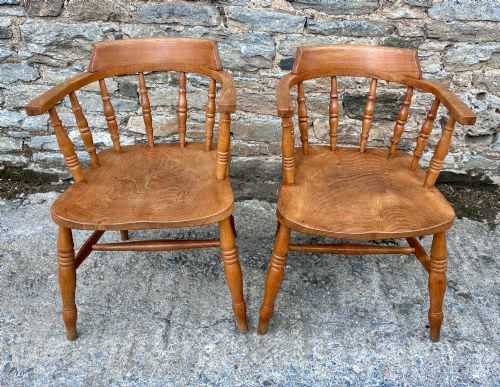
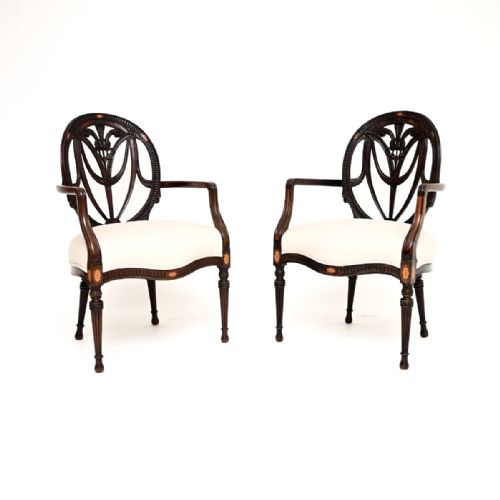
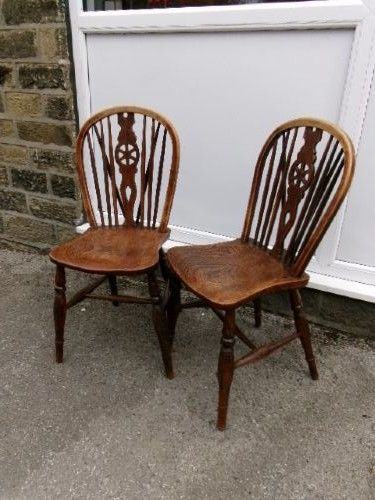
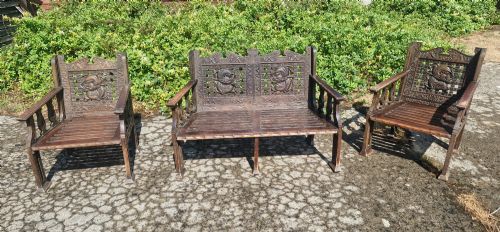
When searching for pair vintage wooden chairs, buyers encounter matched seating ranging from robust kitchen Windsors to formal Edwardian and Victorian carvers. These sets include dining chairs, side chairs, and armchairs fashioned across various historic periods.
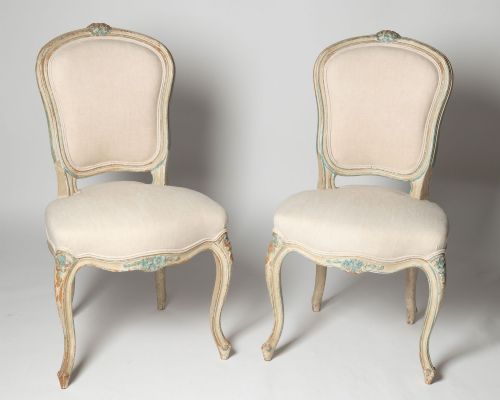
The selection on this page relies heavily on English country and Victorian examples, alongside continental French designs and Art Deco occasional seating. Elm, oak, mahogany, and walnut dominate the construction materials.
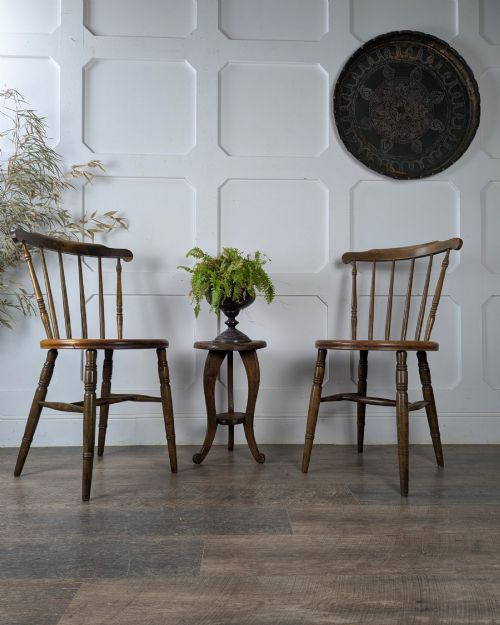
Forms span from simple spindle backs and wheelbacks to elaborate Gothic Revival, Renaissance Revival, and Louis XV style armchairs. Buyers find everything from utilitarian kitchen seating to decorative drawing room chairs.
How they were made
Cabinetmakers and country joiners utilised native and imported timbers, turning solid woods like elm, beech, ash, and oak for structural integrity and carved detail. Joinery often involved mortise and tenon construction, steam bending for curved backs, and bobbin turning.
Surface finishes rely on natural grain patination, wax polishing, and occasional gilt details or inlay work in mahogany and walnut. Some models incorporate upholstered elements in fabric or leather alongside turned wooden frameworks.
Elephant arm chairs exist alongside humble kitchen Windsor chairs and cast iron garden seats.
What varies in quality
Quality rests upon the selection of timber, the crispness of hand carving, and the integrity of the original construction joints. Matched pairs showing consistent grain and careful timber matching sit at the upper end of the scale.
The presence of maker stamps, thoughtful proportions, and intact period hardware distinguish standard utility seating from exceptional studio or regional craftsmanship.
Edward Barnsley·Thonet Yugoslavia·Dinco
The Pair Vintage Wooden Chairs Glossary
- Windsor
- A chair built with a solid wooden seat into which the legs and back spindles are tenoned directly. This traditional form appears frequently in robust country dining and kitchen seating.
- Carver
- An armchair, usually designed to match a set of smaller dining side chairs. These often sat at the head of a table.
- Bobbin turned
- A style of furniture leg or stretcher shaped on a lathe to resemble a series of wooden bobbins or spools. This decorative turning technique appears on 18th-century pieces.
- Spindle back
- A chair back constructed from multiple thin vertical wooden rods or spindles. This design provides supportive lightweight framing for country seating.
- Shield back
- A chair back shaped in the outline of a heraldic shield, popular during the Georgian and Federal revival periods. The frame typically encloses pierced carved splats.
Pair Vintage Wooden Chairs: Frequently Asked Questions
How do I match mismatched chairs?
Matching disparate chairs requires finding common elements in wood tone, period style, or seat height rather than identical carving.
Grouping them around a table works best when the silhouettes share similar proportions or regional origins.
Are wooden kitchen chairs comfortable?
Traditional wooden kitchen chairs often feature sculpted elm or beech seats carved to fit the body contours.
Adding loose cushions provides extra comfort during long dinner parties without altering the antique timber frame.
How do I identify Victorian chairs?
Victorian seating frequently displays heavier proportions, dark walnut or mahogany timbers, and revival motifs like Gothic or Rococo curves.
Maker marks, upholstery techniques, and registration stamps help narrow down the exact decade of manufacture.
Can I use antique dining chairs daily?
Most solid wood antique chairs are structurally robust enough for everyday use provided the joints remain tight.
Checking the leg stretchers and seat fixings periodically ensures they withstand regular household dining.