
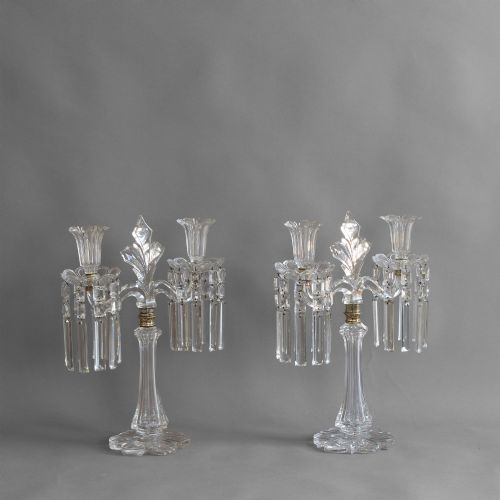
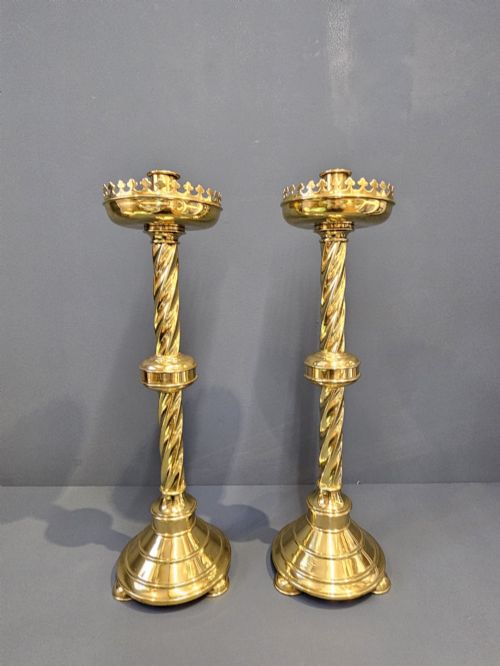
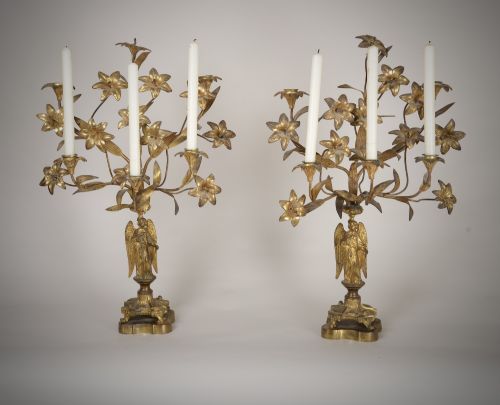
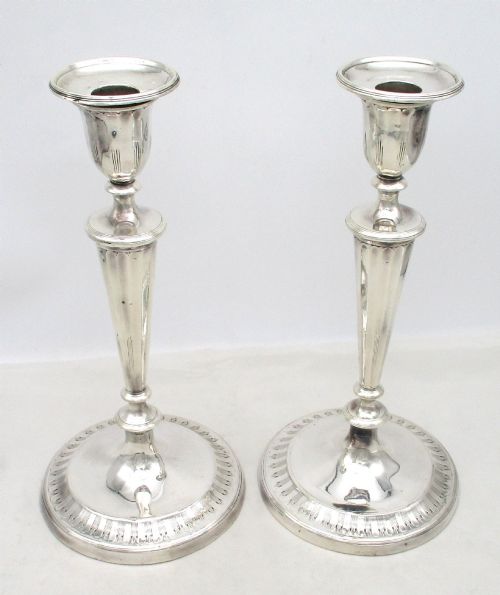
Pair Victorian Candlesticks
When you search for pair victorian candlesticks, you open a nineteenth-century study in metal, glass and light.
Pair Victorian Candlesticks
A pair victorian candlesticks brings together matching lighting accessories produced across the nineteenth century and into the early twentieth century. These objects served domestic, ecclesiastical and formal display purposes in period settings.
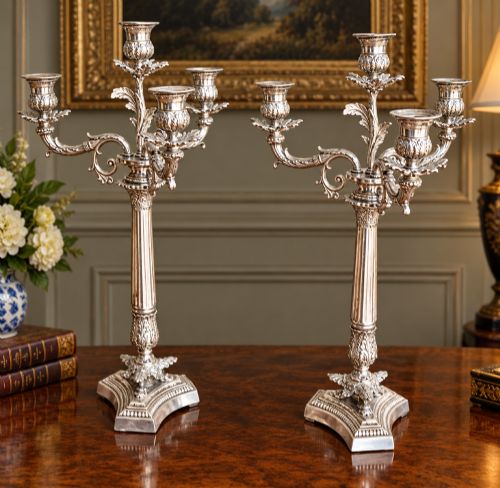
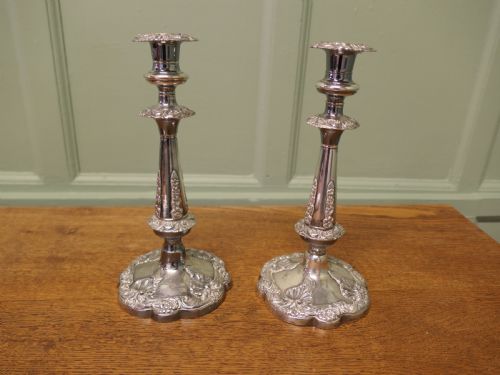
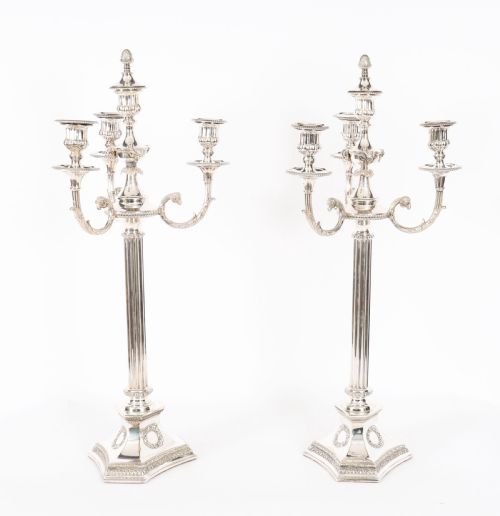
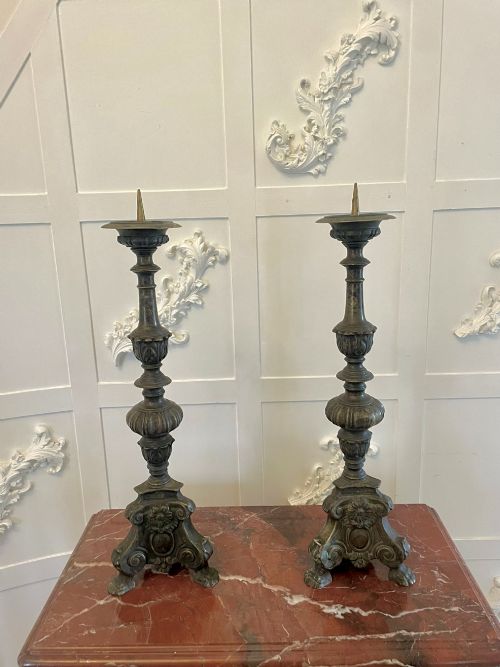
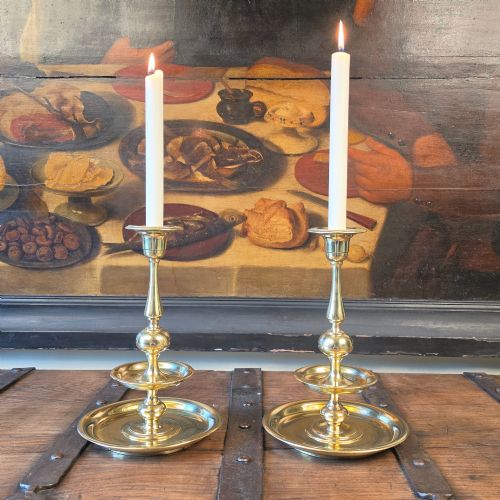
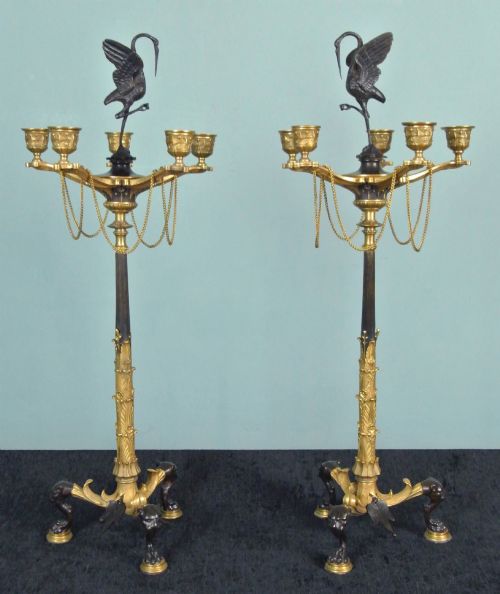
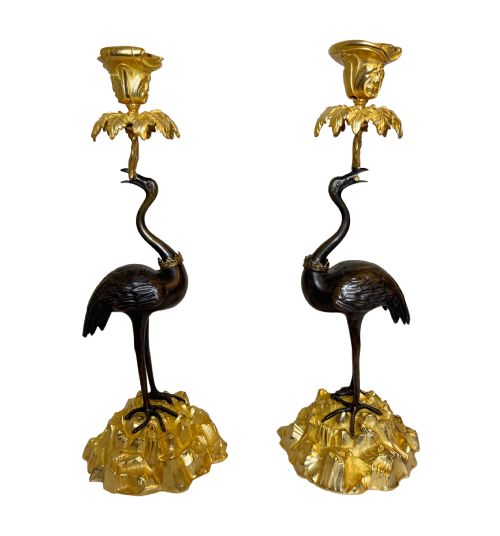
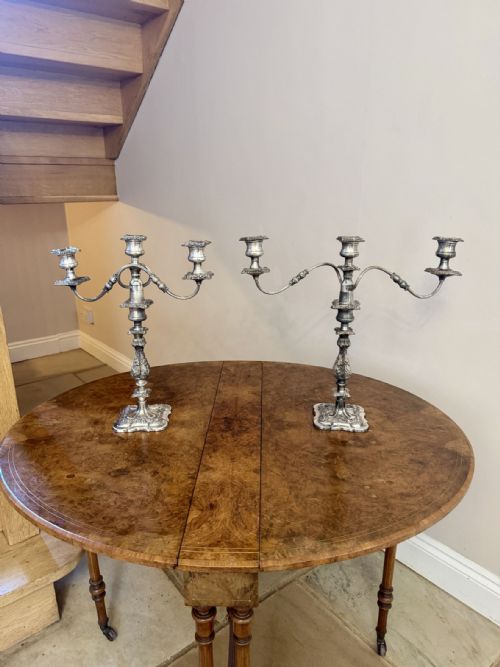
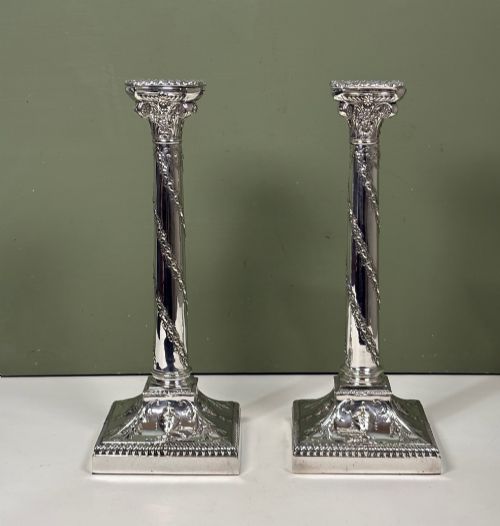
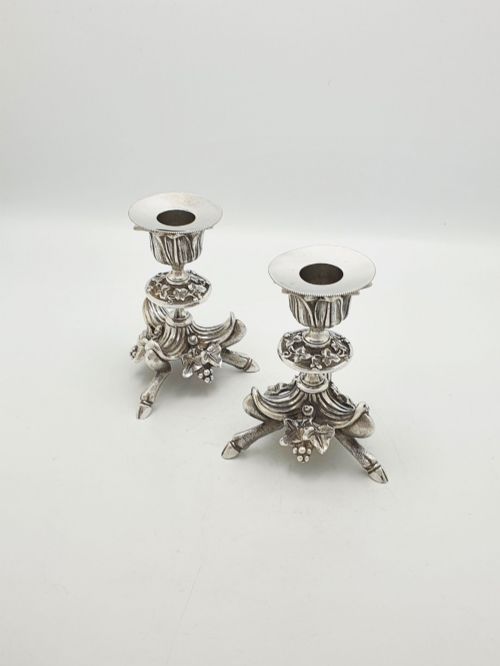
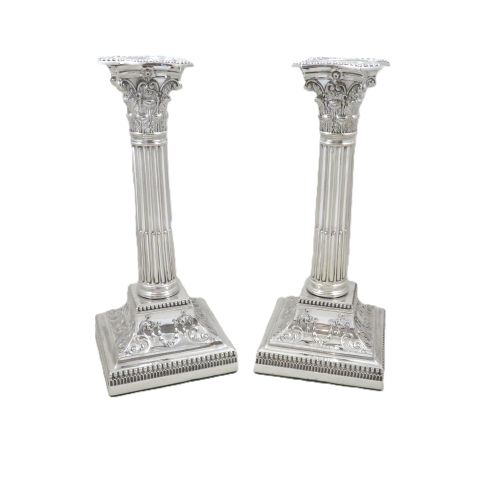
Brass examples dominate the surviving pieces, often found in domestic chambersticks, ejector models or tall church pricket forms. Silver plated and sterling silver variations sit alongside bronze, ormolu, pewter and coloured glass configurations.
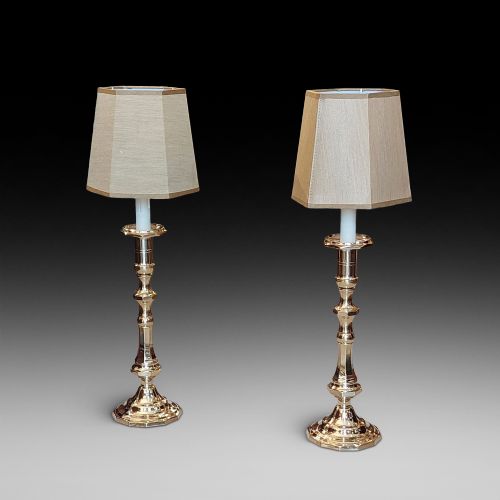
Stylistic influences range from Gothic Revival and Neoclassical to French Second Empire and Aesthetic movements. Many survive in multi-light candelabra formats or have undergone conversion into table lamps.
How they were made
Metalworking techniques of the period involved casting brass, bronze and pewter components, sometimes utilising turned wooden elements or marble bases. Silver pieces relied on sterling construction or electroplating over base metals.
Decorative surfaces gained texture through chased detailing, champleve enamel work, ormolu gilding and inset hardstones like onyx and agate. Glass components relied on mould-blowing and cutting techniques to catch candle illumination.
Stag and doe figures occasionally graze beneath the candle nozzles, bringing a woodland narrative to the mantelpiece.
What varies in quality
The weight and stability of the casting dictate the foundation of the piece, where heavier gauge metals provide structural integrity. Crispness in ornamental details, such as Corinthian fluting or figural casting, separates routine production from workshop masterworks.
Completeness of matched components and the survival of original surface finishes, whether patinated bronze or silver plating, determine the integrity of the surviving pair.
Barbedienne·Hawksworth Eyre·Garrard and Co·Carrington and Co
The Pair Victorian Candlesticks Glossary
- Pricket
- A candlestick featuring a sharp central spike designed to impale the base of a large candle rather than holding it in a socket. This form appears frequently on church and large altar examples.
- Chamberstick
- A low portable candlestick fitted with a saucer base and a loop handle for carrying room to room. They often include a small conical snuffer resting in the tray.
- Ormolu
- Finely ground high-carat gold applied to a bronze base using a mercury amalgamation process. The technique produces a rich golden lustre characteristic of decorative mounts.
- Ejector
- A concealed internal mechanism operated by a sliding lever that pushes the candle stub upward out of the socket. This innovation aids in clearing burnt wax from the holder.
- Lustre
- A mantle ornament featuring glass prisms suspended from a central stem and bowl. These pieces reflect candlelight from surrounding mantelpieces.
Pair Victorian Candlesticks: Frequently Asked Questions
How do I clean brass candlesticks safely?
Wash the surface gently with warm water and mild soap using a soft cloth to remove accumulated dust and wax. Avoid harsh chemical polishes that strip away the historic patina built up over generations.
Dry the metal thoroughly with a lint-free towel to prevent spotting. Preserve the darker aged areas in the recessed details rather than striving for a bright yellow shine.
Were these electrified later?
Many nineteenth-century lighting items undergo conversion to run on electricity as modern households adapt antique pieces for daily use. Such modifications often involve running cords through the central column without altering the exterior silhouette.
Original sconces and sockets sometimes survive intact alongside converted bases. Check the wiring carefully with a qualified electrician before plugging in any vintage lamp.
How can I date a nineteenth-century pair?
Examine the stylistic cues, such as Gothic revival arches, Aesthetic movement motifs or heavy neoclassical columns, which align with specific decades. Maker marks and registry stamps on silver or plated bases provide precise chronological markers.
Construction methods also offer clues, as sand casting transitioned to machine-tooled manufacturing toward the end of the century. Compare the weight, wear patterns and material combinations with documented archive pieces.