
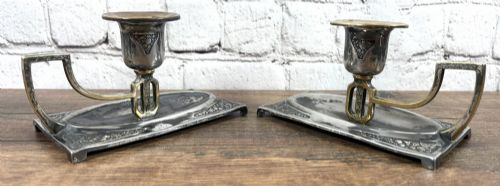
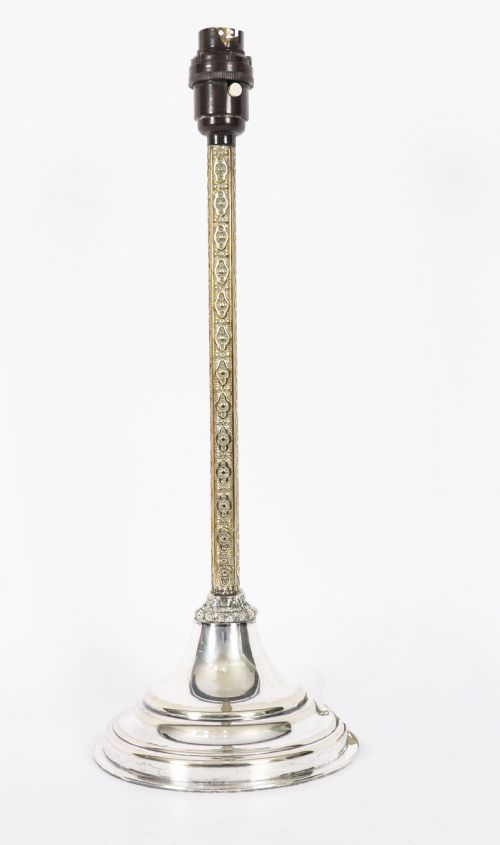
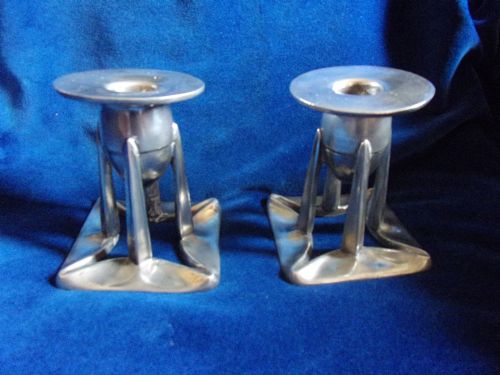
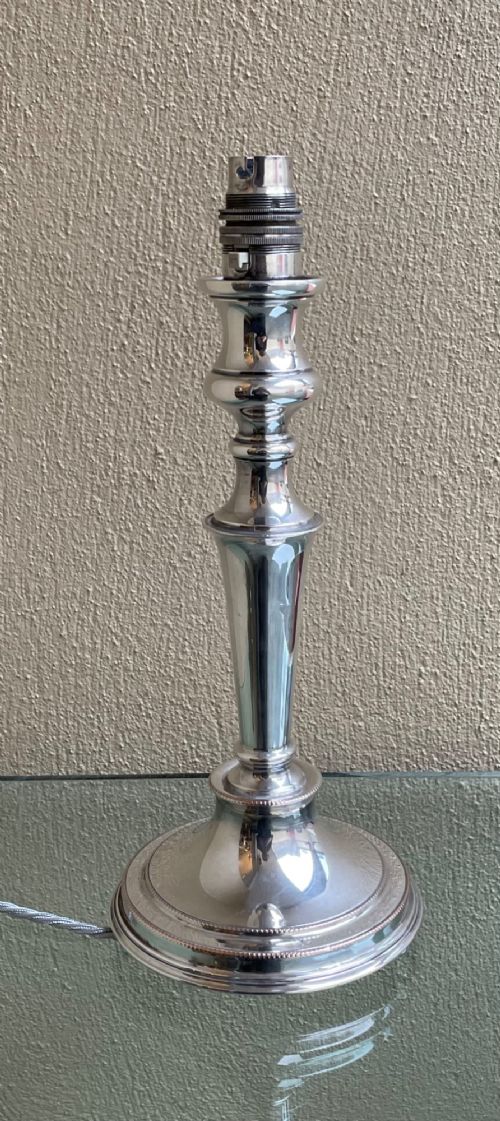


Silver Metal Candlesticks
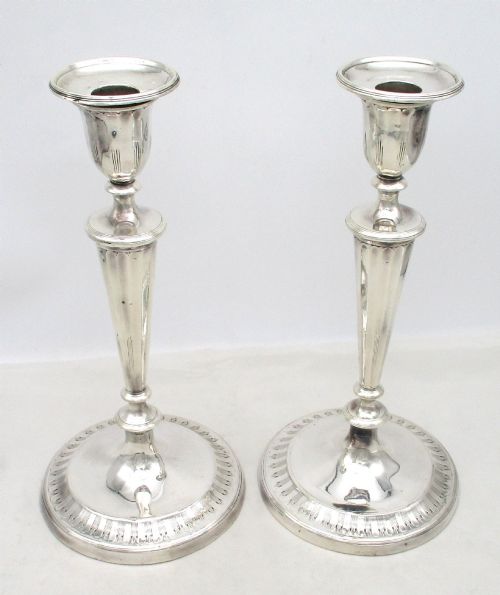
These silver metal candlesticks span centuries of domestic lighting, offering weighted bases, gleaming plating and sculptural forms to illuminate a dining table.
Silver Metal Candlesticks
Silver metal candlesticks encompass a broad spectrum of lighting objects designed to hold candles securely on tables, desks and sideboards. When exploring this phrase, buyers encounter items produced across the eighteenth, nineteenth and twentieth centuries in various utilitarian and decorative forms.
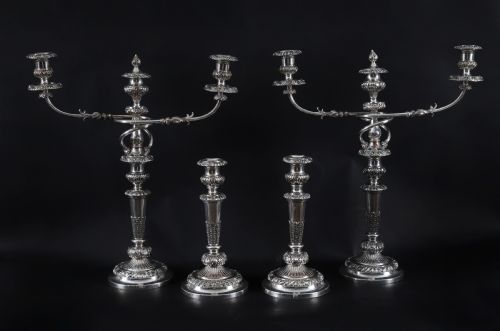
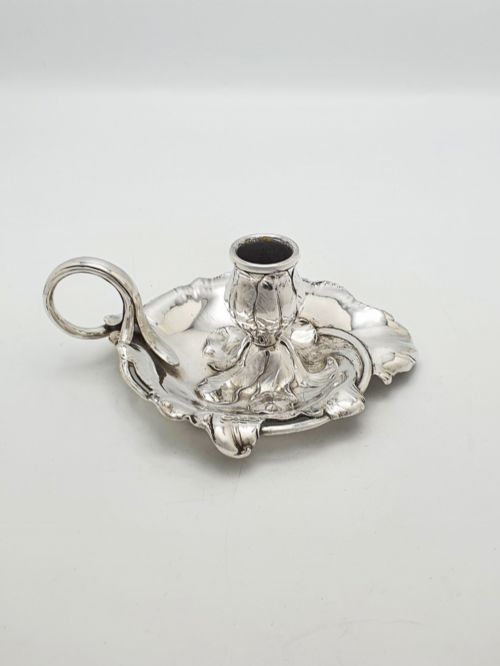
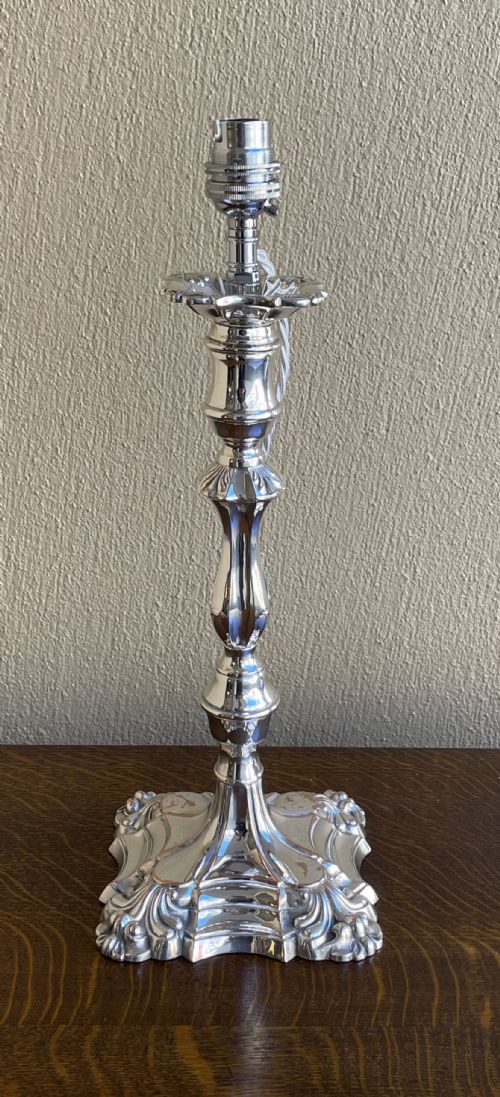
The selection ranges from simple chambersticks with finger rings to grand multi-branched candelabra and converted table lamps. Common stylistic expressions on this page draw upon Georgian, Victorian, Art Nouveau and Art Deco design vocabularies.
Origins span English workshops, French studios and German metalworking factories. Many examples rely on silver plating over base metals, whilst others utilise solid pewter, bell metal, paktong or copper.
Materials and manufacturing methods
Makers utilised a foundation of base metals such as copper, brass, pewter or bell metal, often applying a thin layer of silver through plating techniques like Old Sheffield Plate or electroplating. Artisans also worked with specialised alloys such as paktong, a white metal alloy imported from China.
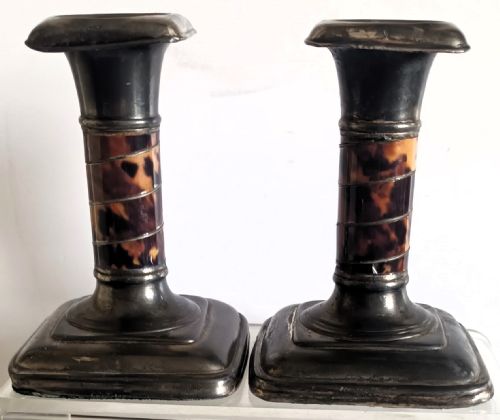
Decorative detailing was achieved through casting, chasing and parcel gilding. Items associated with specific design movements incorporated organic pewter motifs, tortoiseshell inlay, crystal drops or Bakelite components.
Some nineteenth-century models integrated tortoiseshell panels or travelling mechanisms so readers could adjust the flame as tallow burned.
Distinguishing quality in metal lighting
Quality rests upon the crispness of cast ornamentation and the integrity of the underlying metalwork. Superior pieces display deep, well-defined detailing in motifs such as Rococo scrolls or Art Nouveau botanical tendrils without softness in the edges.
The durability of the silver layer and the balance of the weighted base also determine standard. Well-balanced proportions and maker attribution through stamps or registration numbers elevate an object's standing.
Mappin & Webb·WMF·Veritas Lamp Works·Blagden Hodgson And Co·Liberty And Co·Elkington
The Silver Metal Candlesticks Glossary
- Old Sheffield Plate
- A fused composite material made by melting a sheet of silver onto a heavier copper core. This technique produced durable wares before the invention of electroplating.
- Paktong
- A historical copper-nickel-zinc alloy valued for its bright, silver-like appearance and resistance to tarnish. It was frequently used for eighteenth-century candlesticks.
- Chamberstick
- A low candlestick fitted with a saucer base and a small handle for carrying around a house. They often included a conical snuffer.
- Candelabra
- A branched candlestick designed to hold multiple candles simultaneously. These lighting pieces often served as formal centrepieces.
- Parcel Gilt
- A surface treatment where specific areas of a metal object are gilded with gold leaf while remaining parts show silver. This creates contrast in decorative highlights.
Silver Metal Candlesticks: Frequently Asked Questions
How do I clean silver plated candlesticks?
Use a soft cloth and a gentle, non-abrasive silver cleaner designed for plated items. Avoid harsh rubbing that might wear through the thin silver layer to the base metal underneath.
Take extra care around engraved details or raised chased patterns where accumulated polish can harden in the recesses.
What is Old Sheffield Plate?
Old Sheffield Plate is an early method of fusing a thin sheet of silver to a thick copper base by heating them together. This creates a durable dual-metal sheet that was shaped into candlesticks before electroplating became common.
Look closely at edges to sometimes spot faint copper lines where the underlying metal shows through centuries of gentle wear.
How can I date an antique candlestick?
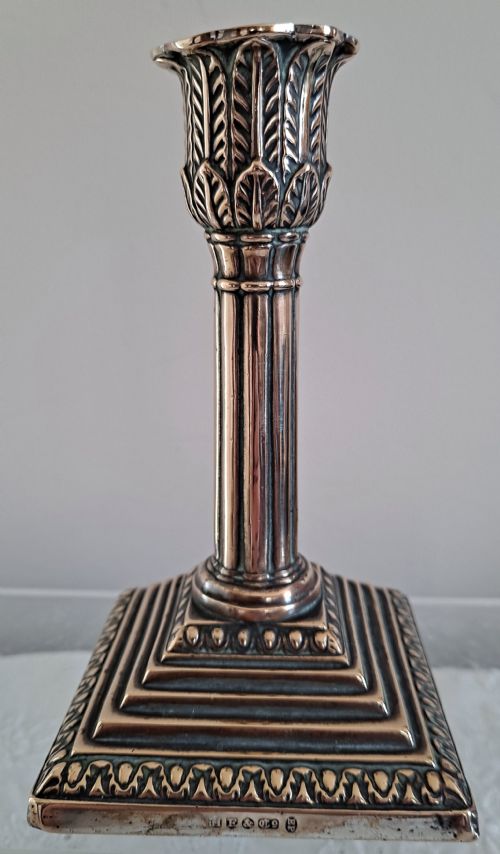
Examine the overall style, construction methods and any stamped maker marks or registration numbers on the base. Georgian pieces often display different weight distribution and casting seams compared to later Victorian or Art Nouveau examples.
Comparing the form to documented design periods helps narrow down the decade of production.