
Antique Desk Candlesticks
These antique desk candlesticks bring steady illumination and period character to a writing surface, combining practical utility with refined metalwork.
Antique Desk Candlesticks
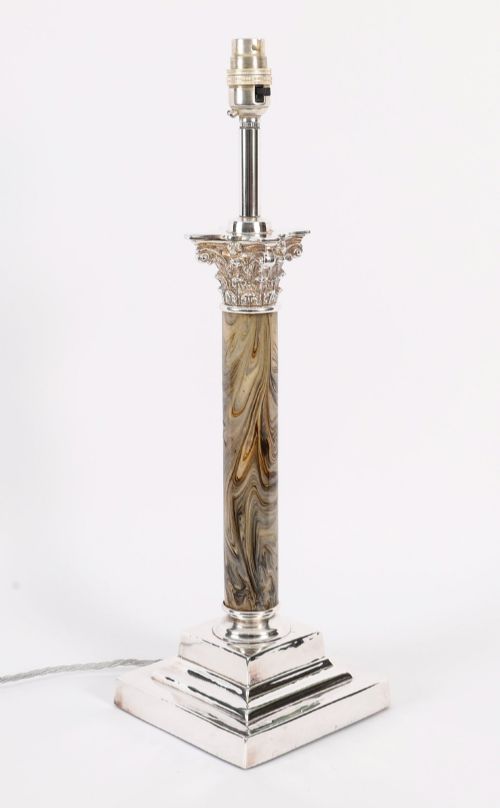
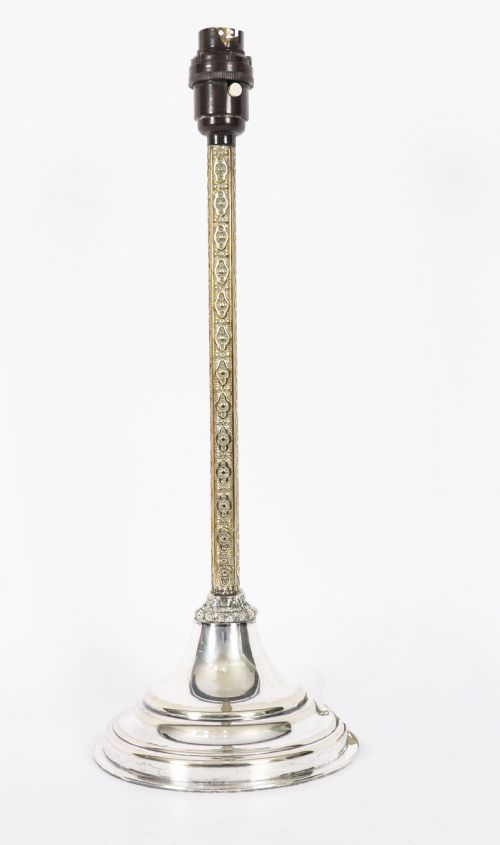
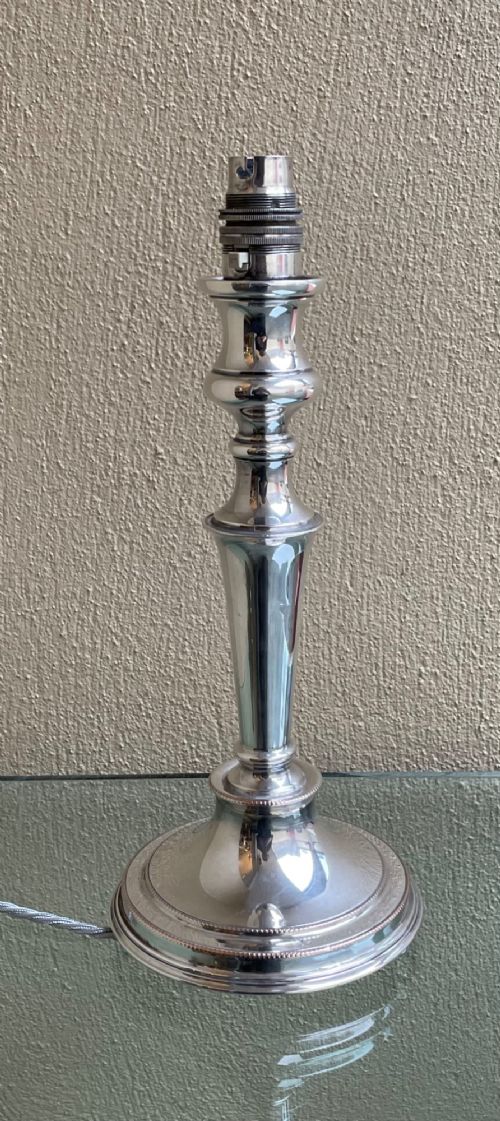
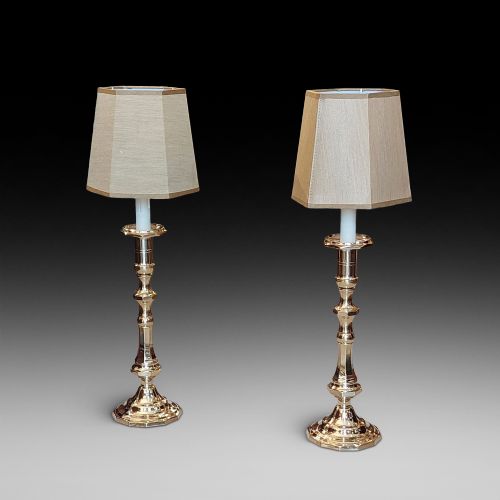
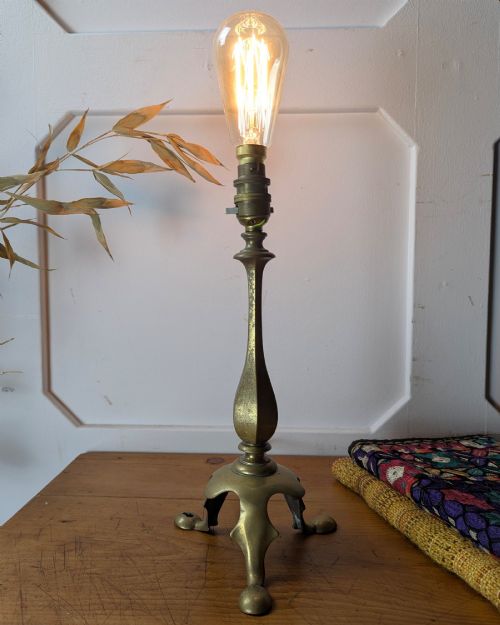
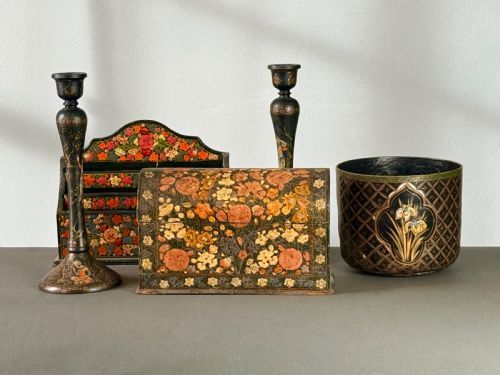
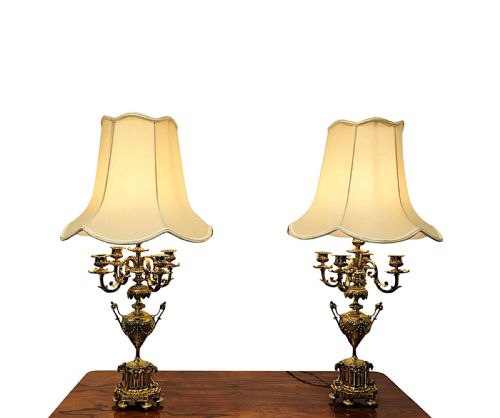
Victorian and Edwardian examples dominate the offerings, often appearing alongside related writing accessories such as inkwells and letter racks. Many surviving pieces show conversion to electric table lamps while retaining their original proportions and desktop footprint.
How they were made
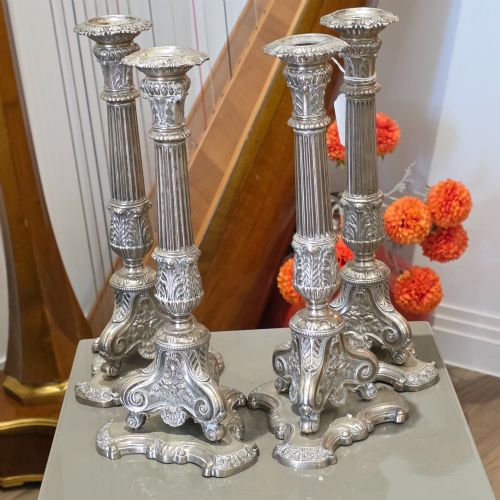
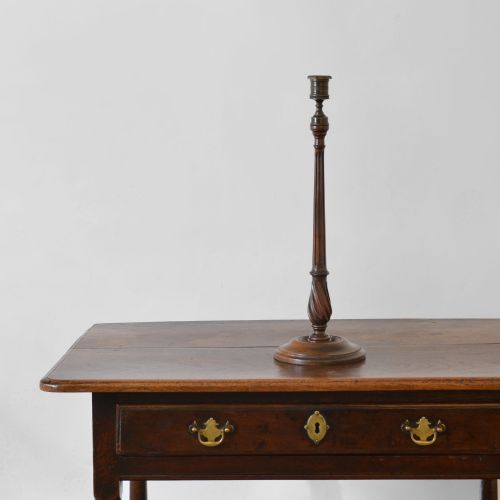
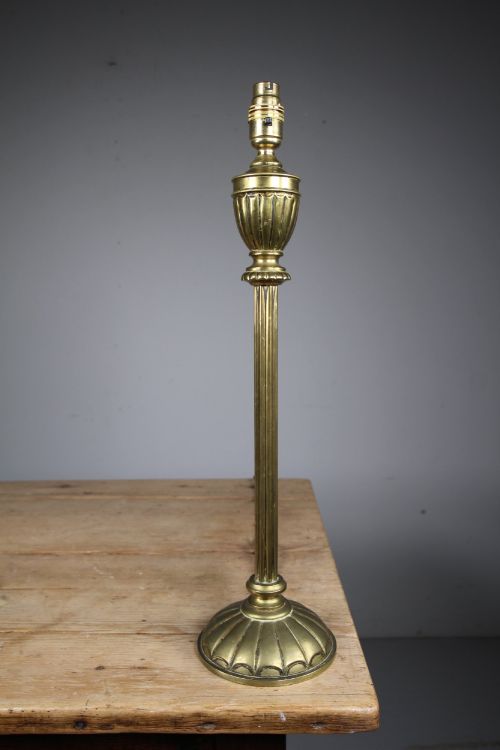
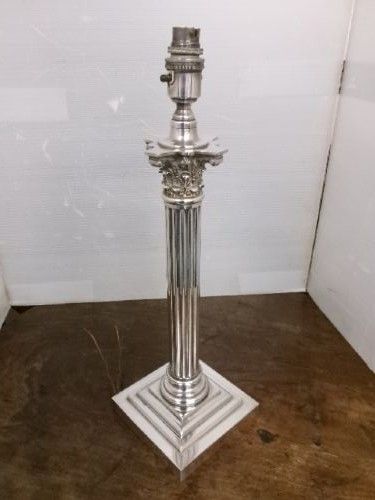
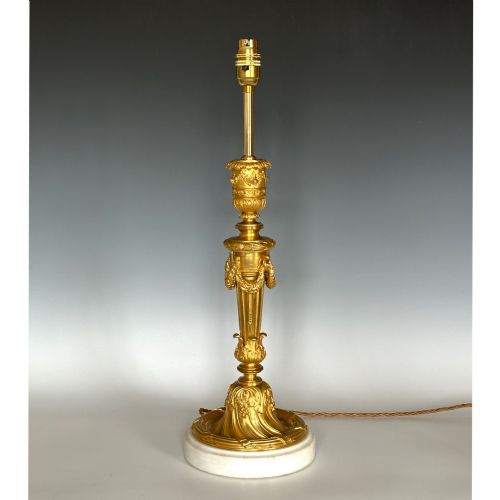
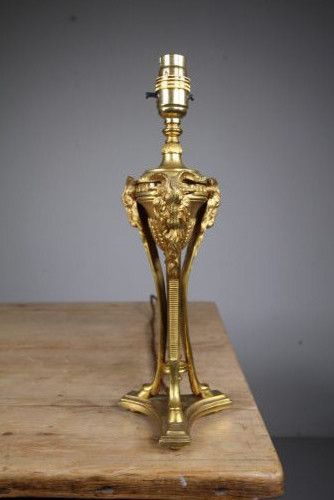
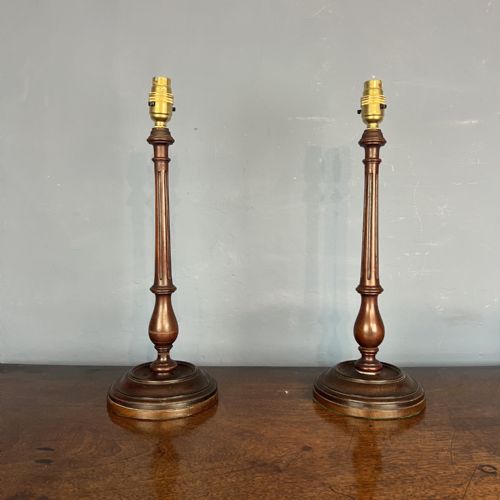
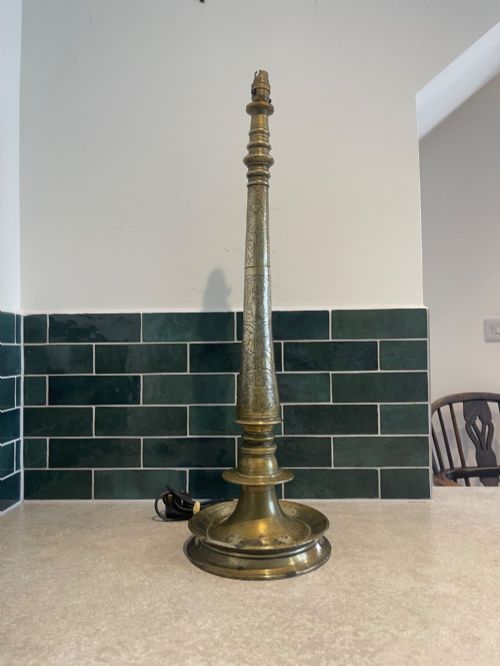
Metals form the core of the evidence, with cast brass, spun silver plate, and gilded bronze shaped into columns, balusters, and classical orders. Artisans employed turning for timber and lignum vitae examples, mounting them with metal sockets and bases.
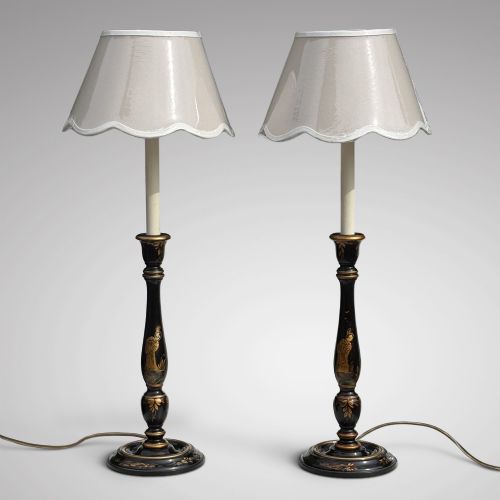
Decorative surface treatments include parcel gilding, lacquer work, and inlaid tortoiseshell panels, reflecting period tastes from Chinoiserie to neoclassical revival.
The listings combine nineteenth and early twentieth-century pieces spanning Victorian, Edwardian, and Arts and Crafts periods in brass, silver plate, and wood.
What varies in quality
The distinction between standard production and superior work lies in the crispness of the casting and the weight of the materials used in the base. Heavygauge metals and substantial turned hardwoods provide stability that lighter, hollow constructions lack.
Detailing on mounts, such as finely chased ormolu, hand-turned wooden components, and integrated functional elements like pen wipes or snuffer trays, separates ordinary desk lighting from pieces of higher workshop standard.
Conrad Eduard Mappe·Mappin & Webb
The Antique Desk Candlesticks Glossary
- Ormolu
- Gilded bronze produced through a mercury amalgamation process, yielding a rich golden finish on decorative mounts. It appears frequently on French and neoclassical lighting from the nineteenth century.
- Corinthian column
- An architectural order featuring ornate acanthus leaves on the capital, frequently adapted for Victorian and Edwardian brass and silver-plated lamp standards.
- Lignum vitae
- A dense, heavy tropical hardwood prized for its dark colour and fine turned grain, used for nineteenth-century desk objects.
- Champlevé
- An enamelling technique where troughs are gouged into a metal surface, filled with vitreous enamel, and fired. It adorns nineteenth-century bronze desk sets.
- EPNS
- Electroplated nickel silver, a common base metal method for producing silver-plated desk wares during the Victorian period.
Antique Desk Candlesticks: Frequently Asked Questions
How do I use antique desk candlesticks today?
Many examples function effectively for ambient desktop lighting, particularly those converted safely to electricity with modern wiring.
Unconverted pieces accommodate standard taper candles for evening use on a writing table or mantelpiece.
Were these candlesticks originally part of larger desk sets?
Several pieces originate from modular desk suites that included matching inkwells, pen stands, and letter racks.
Pairs often stood alone on partner desks to provide symmetrical lighting for correspondence.
How do I distinguish Victorian from Edwardian styles?
Victorian pieces tend to display heavy classical revival motifs, ornate brass castings, and substantial proportions.
Edwardian items frequently adopt lighter forms, cleaner columnar designs, and restrained silver-plated finishes.
Can I find matched pairs easily?
The inventory regularly includes matched pairs in brass, silver plate, and turned wood dating from the late nineteenth century.
Single candlesticks also appear, often survivors from larger desk suites or multi-piece garnitures.