


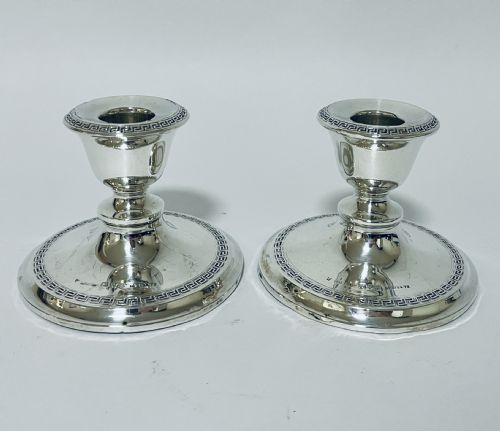


Edwardian Silver Candleholders
Edwardian silver candleholders bring formal dining and desk lighting from the early twentieth century into modern homes.
Edwardian Silver Candleholders
Edwardian silver candleholders comprise pairs of candlesticks and candelabras designed for domestic lighting during the early twentieth century. When you search for edwardian silver candleholders, you encounter domestic items fashioned primarily as matched pairs for mantelpieces, dining tables, and writing desks.
The selection ranges from small desk candlesticks and dwarf forms to taller candelabras intended for formal settings. Most examples date from the Edwardian period itself, alongside related pieces from the Victorian and George V eras that share similar domestic functions.
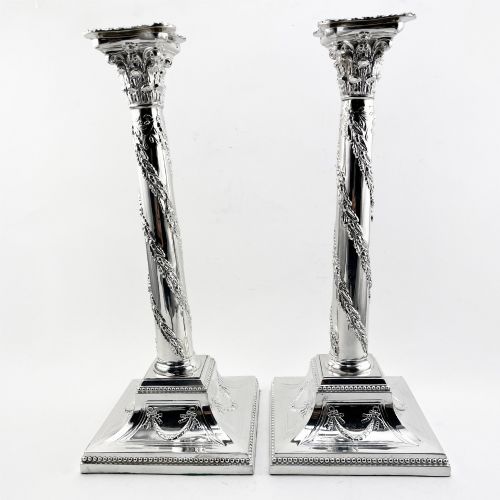
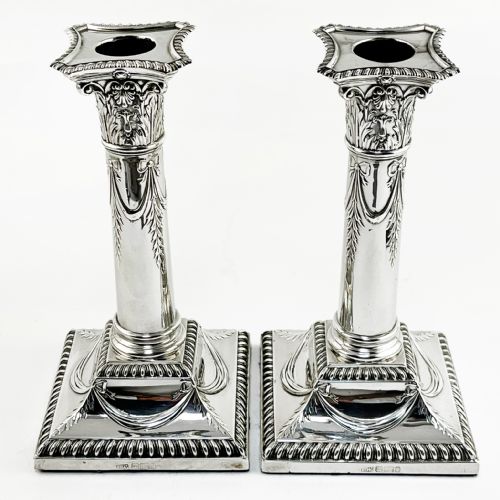
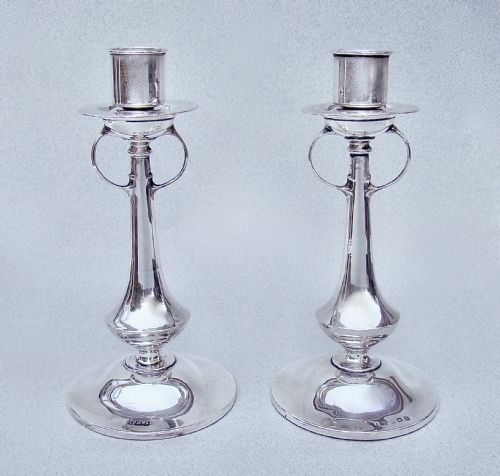
Makers utilised various metals, meaning buyers find solid sterling silver alongside silver plated wares, pewter, and electroplated nickel silver. These pieces reflect the decorative tastes of the early 1900s, encompassing styles from strict neoclassical revivals to flowing arts and crafts designs.
How they were made
Silversmiths and manufacturers produced these lighting pieces using sterling silver or through plating base metals such as nickel silver and pewter. Solid sterling silver items typically carry hallmarks denoting the assay office, date letter, and maker, whilst plated alternatives rely on electroplating techniques like EPNS.
Construction involved shaping sheet metal, casting decorative elements, and weighted bases to provide stability for upright candles. Workshops employed traditional silversmithing methods alongside industrial plating processes to achieve both ornate rococo revival details and clean neoclassical lines.
Edwardian Silver Candleholders Retail Price Guide 2026
Typical asking prices for edwardian silver candleholders among the pieces listed under this phrase on Sellingantiques today, from the lower quarter to the upper quarter. They describe what is for sale here now, not the wider market.
Object forms on this page include single candlesticks, dwarf candlesticks, desk candlesticks, and multi-branched candelabras.
What varies in quality
Quality in these lighting pieces rests on the weight of the metal, the crispness of decorative chasing, and the integrity of the underlying construction. Solid sterling silver examples with clear hallmarks command greater attention than plated wares, though the thickness and evenness of the silver plating dictate the longevity of plated items.
The refinement of the silhouette distinguishes finer work from standard production, particularly in neoclassical columns or arts and crafts hand-hammered surfaces. Makers who maintained careful proportion and clean casting details produced pieces that retain their architectural presence today.
James Fenton·Thomas Bradbury & Sons Ltd·William Hutton & Sons
The Edwardian Silver Candleholders Glossary
- Sterling silver
- A silver alloy containing 92.5 percent pure silver by mass, with the remainder usually copper. This standard metal forms the basis of many hallmarked candlesticks from the period.
- EPNS
- Electroplated Nickel Silver, a composite material formed by coating a base metal alloy with a layer of pure silver. It offered an affordable alternative to solid silver for Edwardian households.
- Dwarf candlesticks
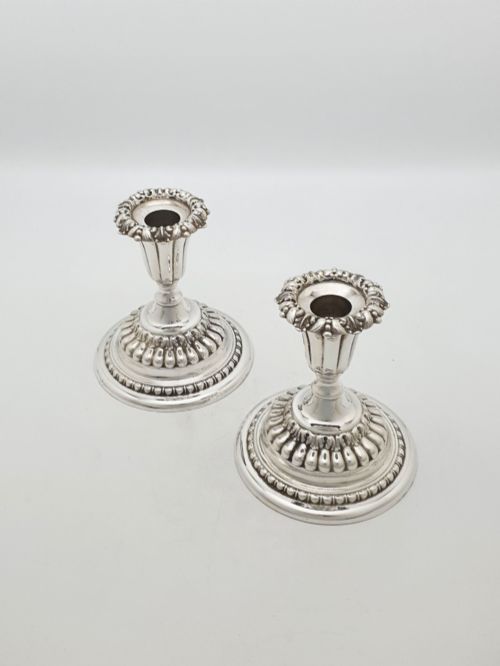
- Low-profile candleholders designed for specific placement on desks, dressing tables, or low dining settings. Their reduced height helped prevent obstruction across a table.
- Candelabras
- Branching lighting devices that hold multiple candles from a single base. They provide a more substantial source of illumination than single candlesticks.
- Hallmark
- An official stamp applied by an assay office to indicate the purity of precious metal content, the maker, and the year of production. British pieces often display city marks and date letters.
Edwardian Silver Candleholders: Frequently Asked Questions
How do I clean tarnished silver candleholders?
Polishing requires a soft cloth and a specialised silver cream designed to remove tarnish without abrading the metal surface. Care must be taken around weighted bases and delicate details.
Frequent gentle cleaning preserves the finish better than aggressive scrubbing, particularly on silver-plated items where the underlying base metal might become exposed through wear.
Were these made as pairs or singles?
Domestic lighting in the Edwardian period was overwhelmingly produced in matched pairs to balance mantelpieces and dining tables. Single survivals do occur, but paired sets remain the standard format.
Matching pairs share identical height, weight, and hallmarks or plating characteristics, reflecting their original manufacture as a unified set for the home.
What is the difference between sterling and silver plated?
Sterling silver consists of solid precious metal throughout the piece, usually verified by official assay office hallmarks. Silver-plated items use a base metal core, such as nickel silver or pewter, covered by a thin external layer of pure silver.
Plated wares offer the visual appearance of solid silver at a different cost point, while sterling pieces represent solid precious metal construction.
How can I date my candleholder?
Dating relies primarily on official hallmarks stamped onto sterling silver pieces, which include specific date letters corresponding to assay office records. Stylistic clues also help narrow the timeframe.
Arts and crafts motifs point toward the early 1900s, whilst neoclassical revival elements align with Edwardian and late Victorian production periods found across these listings.