



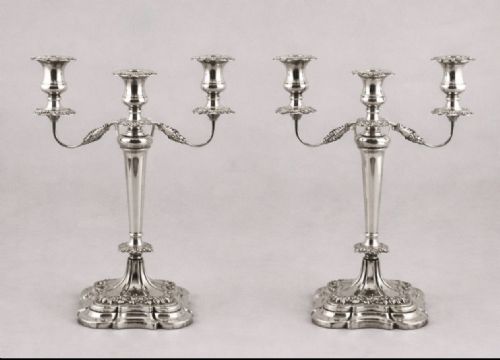

Dining Table Candelabra
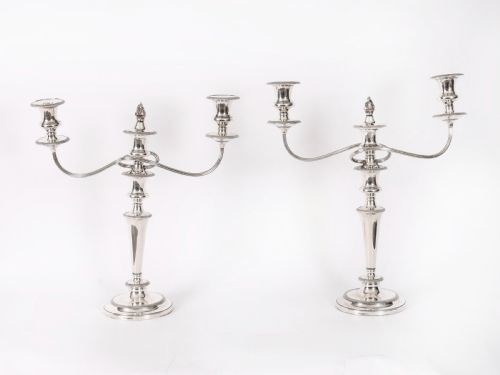
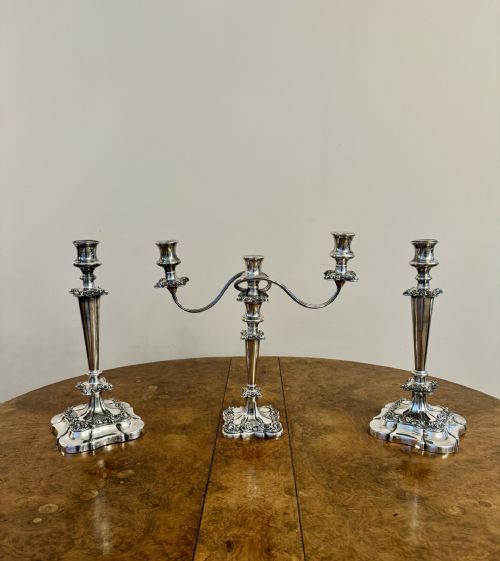
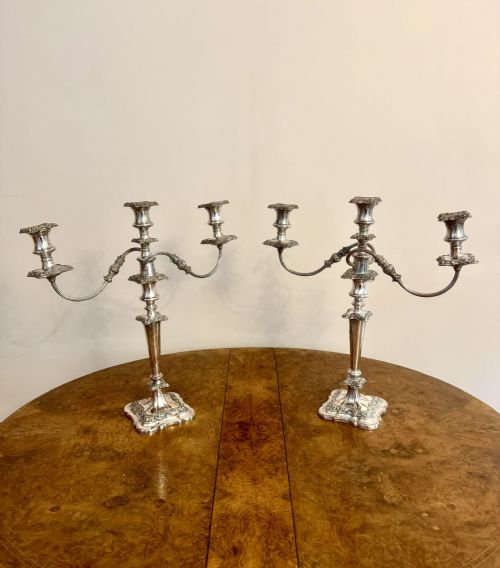
These dining table candelabra bring height and ceremony to a room, cast in silver plate, sterling silver, and brass across Victorian and Edwardian periods.
Dining Table Candelabra
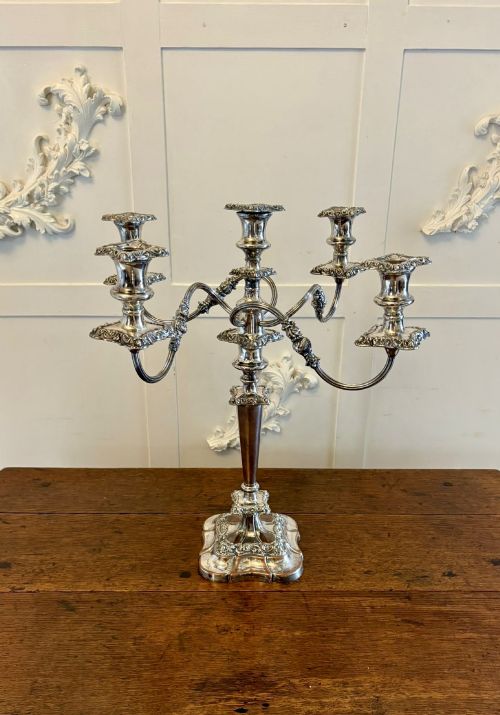
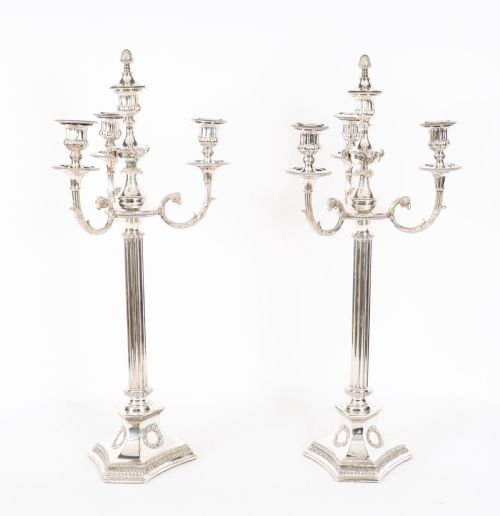
When you search for dining table candelabra, you find branched lighting designed to sit directly on a dining table or sideboard, providing illumination and a sculptural centrepiece. The pieces listed here span the nineteenth century through the mid-twentieth century, capturing shifts in domestic dining habits.
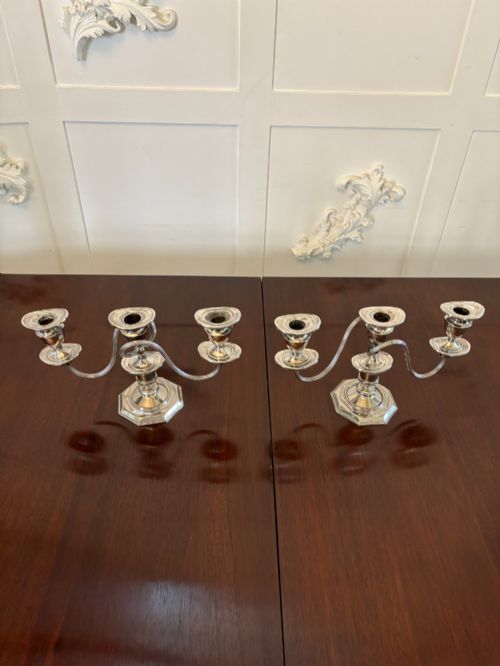
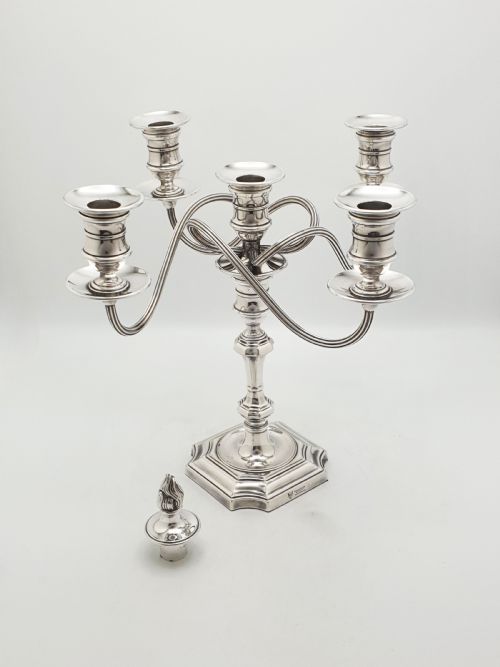
You are most likely to meet silver plated examples from the Victorian and Edwardian eras, often formed as pairs or single large centrepieces with detachable branches. These range from low two-branch table models to grand five-light candelabra standing thirty inches tall.
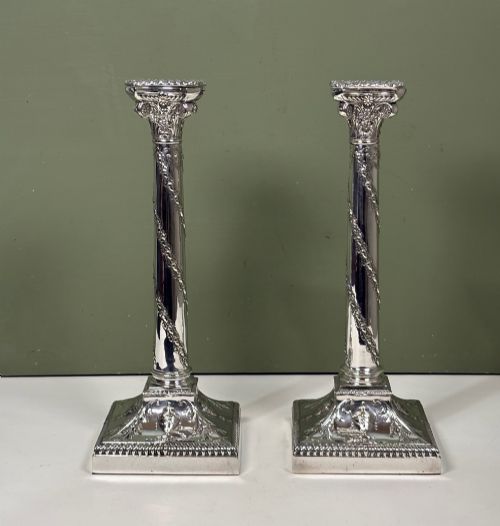
Makers and workshops across Britain and Europe shaped these objects in styles extending from Neoclassical and Victorian Rococo Revival to George I Revival and Art Deco. They function as both candlesticks and multi-light fixtures through the use of screw-in or drop-in branches.
How they were made
The body of a dining table candelabra typically relies on a base metal core such as brass, copper, or base metal, coated in sterling silver or electroplated nickel silver. Sheffield plate and later silver plating methods applied a layer of silver over a baser metal substrate, while other examples are cast in solid sterling silver or continental silver standards.
Manufacturing methods combine casting, spinning, and soldering, where heavy weighted bases ensure stability when the branches hold lit candles. Detachable sconces and nozzles screw or drop into the arms to catch melting wax and simplify cleaning.
Dining Table Candelabra Retail Price Guide 2026
Typical asking prices for dining table candelabra among the pieces listed under this phrase on Sellingantiques today, from the lower quarter to the upper quarter. They describe what is for sale here now, not the wider market.
Materials across these listings range from base metal and brass to silver plate, electroplated nickel silver, and sterling silver.
What varies in quality
The measure of quality in a dining table candelabra lies in the crispness of the chased and cast ornamentation, particularly around the shoulders, drip pans, and weighted bases. Heavier gauge metal and substantial silver plating resist wear better through generations of polishing, whereas thin plating reveals the base metal beneath.
Proportion and structural integrity distinguish finer workshops from standard production pieces, ensuring the arms align straight and the detachable branches fit securely without wobble.
Garrard & Co·Smith & Sissons & Co·Barker Ellis·Elkington Sheffield·Blagden Hodgson & Co
The Dining Table Candelabra Glossary
- Candelabra
- A branched candlestick holder designed to hold multiple candles simultaneously. They often feature a central light with removable side arms.
- Sconce
- The small pan or socket at the top of a candelabra arm that holds the candle and catches dripping wax. Detachable versions make cleaning easier.
- Silver Plate
- A thin layer of pure silver fused or electroplated onto a base metal such as copper, brass, or nickel silver. It offers the appearance of solid silver at a different weight and cost.
- Old Sheffield Plate
- An early method of fusing a sheet of silver to a copper core before rolling them together. This technique produces a durable material prized by collectors.
- EPNS
- Electroplated Nickel Silver, a common base material used for nineteenth and twentieth-century tableware beneath a silver coating.
Dining Table Candelabra: Frequently Asked Questions
How do I clean silver plated candelabra?
Use a soft cloth and a gentle silver polish formulated for plated items, avoiding aggressive rubbing that wears away the thin silver layer over the base metal. Take care around weighted bases and fixed joints to prevent polish residue from building up in chased crevices.
Remove the branches and drip pans before cleaning to reach every surface safely. Store them in dry conditions to minimise tarnishing between uses.
Are the branches removable?
Many dining table candelabra feature detachable branches that allow the main column to function as a standard single candlestick. This modular design helped households adapt their lighting arrangements for different table sizes.
When handling them, support the weight from the base rather than the arms to protect the central fitting from strain.
What periods do these pieces come from?
The listings span from the mid-nineteenth century through the mid-twentieth century, encompassing Victorian, Edwardian, and Art Deco eras. Styles often reflect earlier revivals such as George I and Neoclassical designs.
Manufacturing dates can sometimes be identified through maker marks, registration stamps, and plating techniques recorded on the base.
How were they used historically?
Dining table candelabra provided principal illumination during formal evening meals before electric lighting became widespread. Their multi-light branches cast a warm glow across dinner tables and served as grand decorative centrepieces.
In wealthy households, matching pairs were arranged symmetrically down the length of long banquet tables.