




Pair Vase Lamps
These pair vase lamps transform historical ceramic and metal vessels into functional lighting for domestic interiors.
Pair Vase Lamps
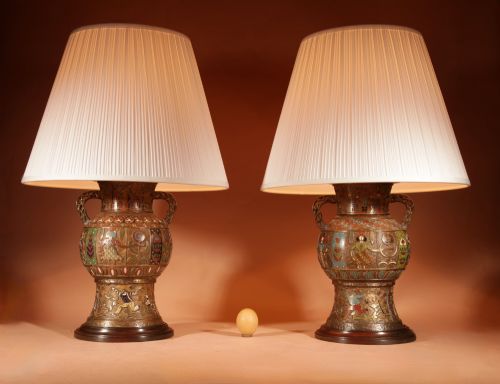
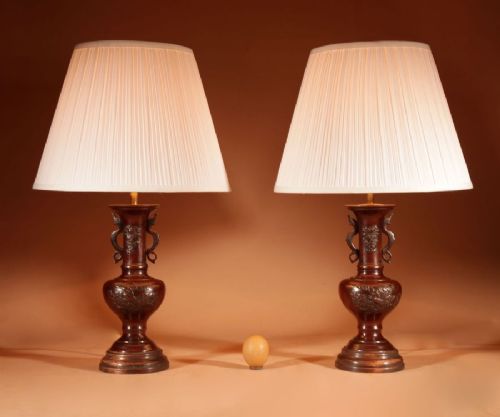
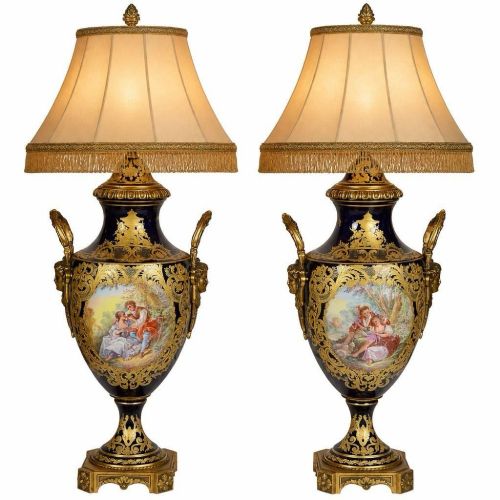
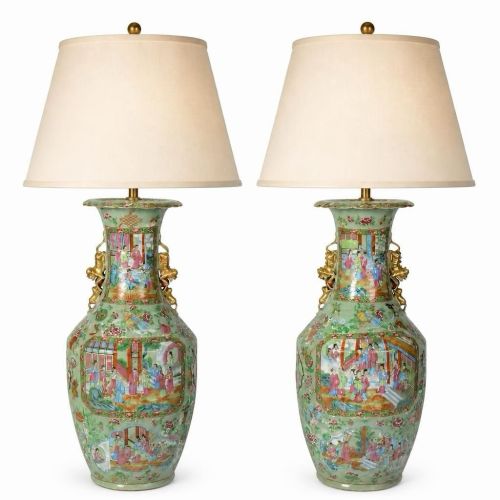
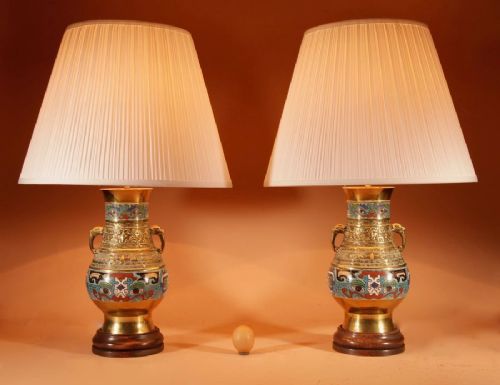
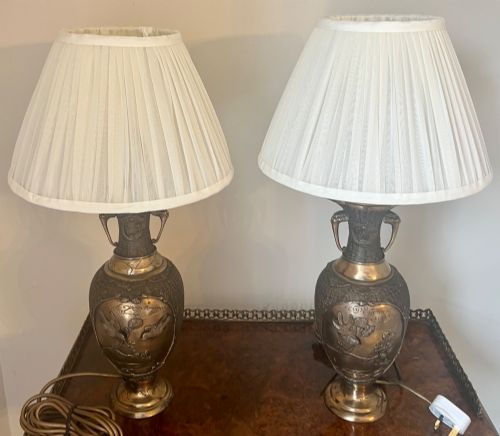
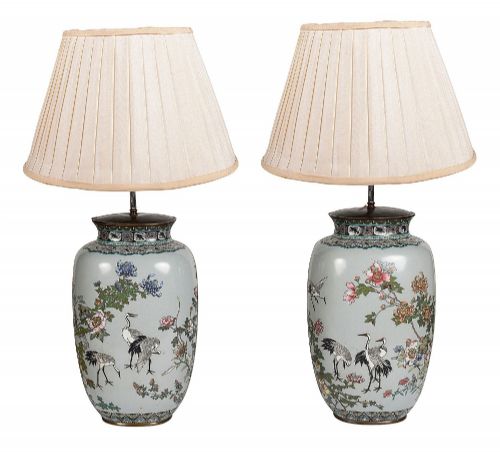
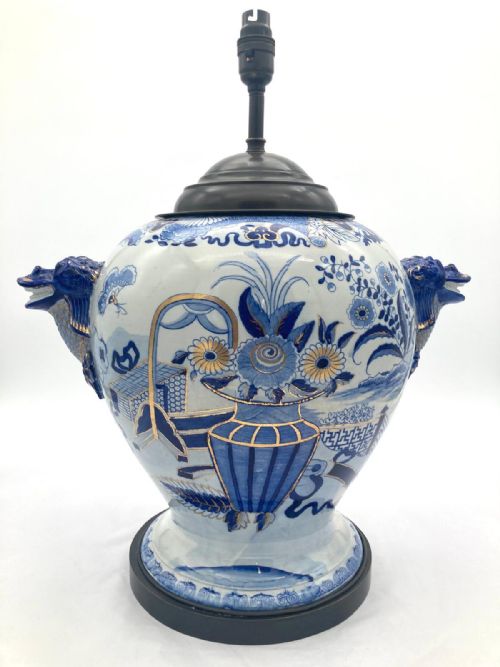
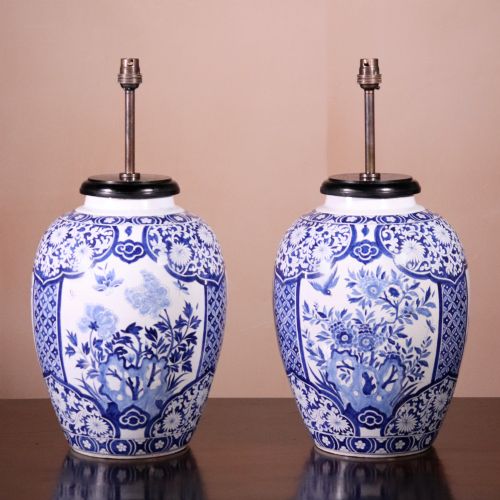
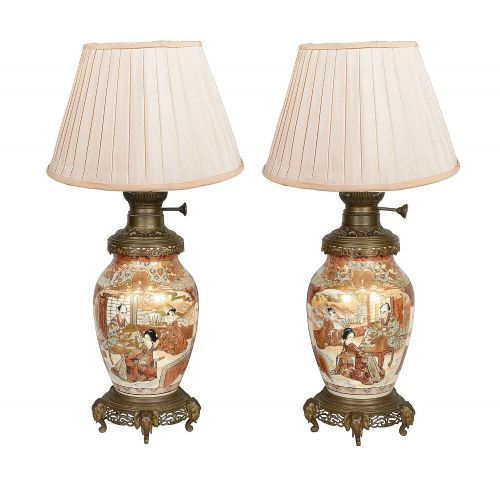
Pair vase lamps consist of matched historical vessels, predominantly from Chinese, Japanese, and European traditions, that have been adapted for interior lighting. The selection spans the eighteenth, nineteenth, and early twentieth centuries, encompassing diverse aesthetic movements from French Rococo Revival to Japanese Meiji periods.
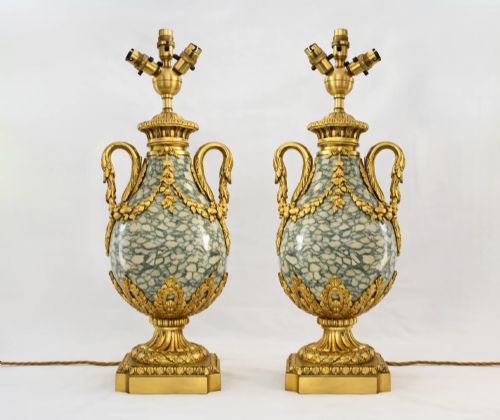
Buyers encounter distinct ceramic forms, including blue and white jars, famille rose vessels, Satsuma earthenware, and Imari porcelain alongside bronze and cloisonné enamel bodies. Many pieces incorporate mounts in ormolu, gilt bronze, or brass that integrate the original vessel body with electrical or oil-burning components.
The inventory ranges from compact bedside table fittings to large floor-standing urns exceeding one metre in height. These matched assemblies provide symmetrical illumination while retaining the distinct artistic character of their source periods.
Materials and conversion techniques
The underlying bodies utilise high-fired porcelain, earthenware, cast bronze, and beaten brass, often decorated with hand-painted enamel, underglaze blue, or applied cloisonné wirework. European workshops frequently paired these imported or domestic vessels with cast ormolu and gilt bronze mounts to secure the electrical or lighting hardware.
Conversion from static display vessels or oil lanterns to table lamps typically involved drilling the base or securing metal collars to avoid damaging the primary ceramic body. Fabric and silk shades are subsequently added to complete the assembly.
Several vases once held tea or spices before beginning their second lives as illuminated companions.
Assessing quality and craftsmanship
Quality depends upon the artistic merit and preservation of the original vessel, together with the precision of the metal mounts. Hand-painted ceramic details executed with fine brushwork and rich, stable enamel glazes distinguish superior examples from standard production pieces.
The integration of the metal fittings relative to the ceramic body dictates the overall harmony of the piece. Heavy, finely chased ormolu or cast bronze mounts that complement the contours of the vase indicate higher workshop standards.
Hicks and Meigh·Sevres
The Pair Vase Lamps Glossary
- Ormolu
- Gilt bronze mounts applied to furniture, ceramics, and clocks. This decorative technique involves mercury gilding cast bronze to create a durable golden finish.
- Cloisonné
- Enamel work created by soldering flat metal wire to a metal base to form compartments. These sections are filled with coloured glass paste and fired.
- Famille Rose
- A palette of opaque Chinese ceramic glazes dominated by pink or rose enamel. Introduced in the eighteenth century, this style depicts floral and figurative scenes.
- Cassolette
- A decorative ornamental vase equipped with a reversible lid. In lighting conversions, these vessels retain their classical form while supporting the lamp fittings.
Pair Vase Lamps: Frequently Asked Questions
How do I care for my lamps?
Dust ceramic bodies and metal mounts gently with a soft, dry cloth to prevent accumulation. Avoid chemical cleaners that may damage delicate hand-painted glazes or aged gilt surfaces.
Ensure bulbs match the recommended wattage limits specified by the wiring. Periodic checks by a qualified electrician maintain safety for older conversions.
Can original vases be undamaged?
Many conversion techniques require a small aperture at the base for electrical cord routing. Professional adaptation preserves the structural integrity of the main body.
Some mounted examples utilise existing collar fixtures without drilling the ceramic. Inspecting the underside reveals the mounting method used.
What styles match these lamps?
These lamps complement both traditional period rooms and contemporary eclectic interiors. Symmetrical placement works effectively on side tables, cabinets, or pedestals.
Choosing shade fabrics that echo the secondary tones in the ceramic glaze unifies the overall decorative scheme. Scale remains the primary consideration for room placement.
How are periods identified?
Dating relies on stylistic markers such as glaze compositions, enamel colours, and the craftsmanship of metal mounts. Nineteenth-century French ormolu often exhibits crisp chasing distinct from later reproductions.
Maker marks, reign characters, and baseline wear provide additional chronological indicators. Comparing the body style to documented archival pieces confirms the era of production.