


Pair Twin Beds
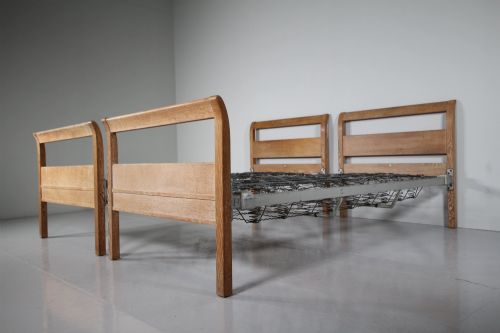
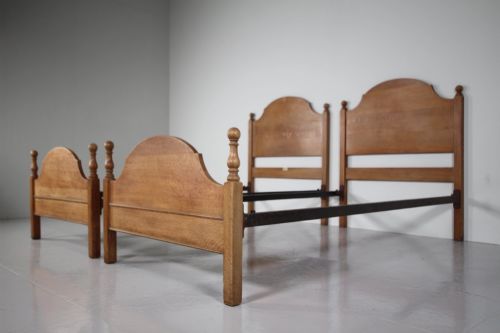
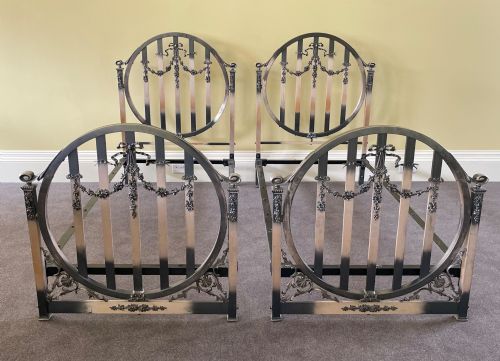
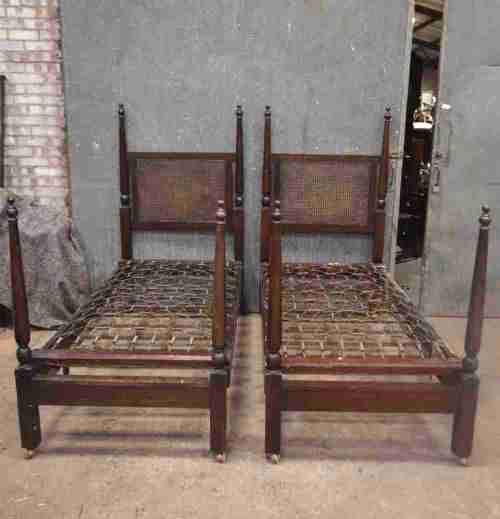
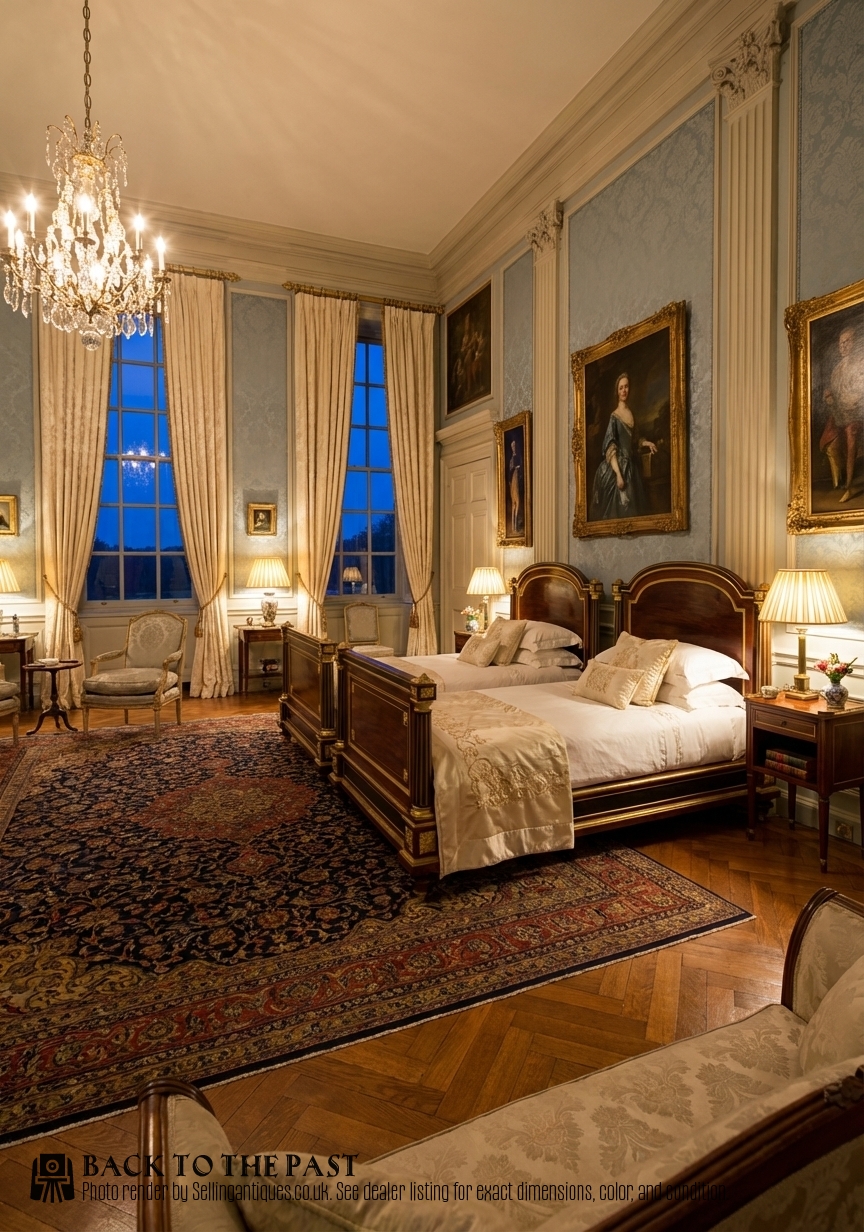
These pair twin beds bring matched harmony to a bedroom through period craftsmanship in timber and metal.

What pair twin beds are
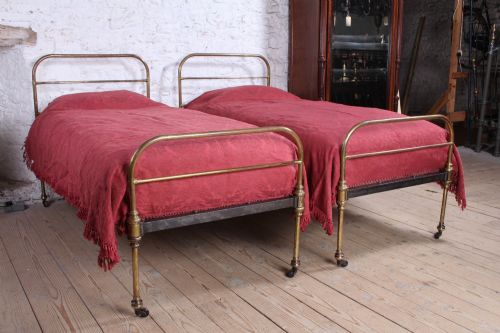
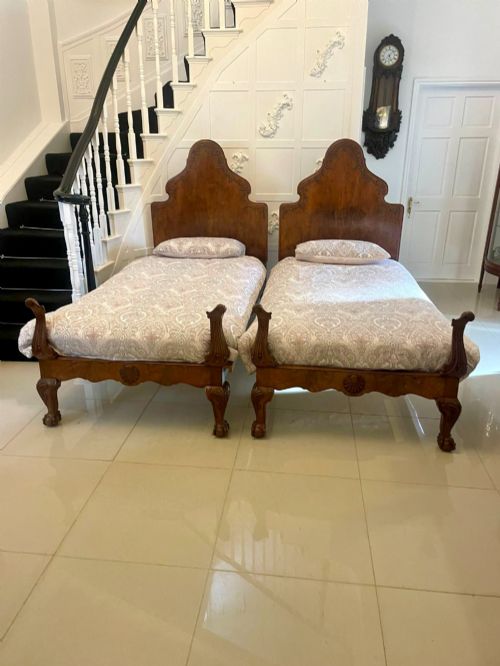
When searching for pair twin beds, buyers encounter matched sleeping furniture designed to coordinate symmetry within a bedroom. The selection spans the nineteenth century, the Edwardian era, and the nineteen-twenties, offering coordinated sleeping frames rather than single mismatched items.
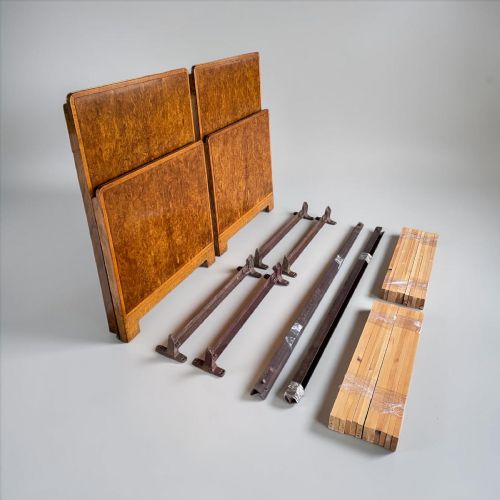
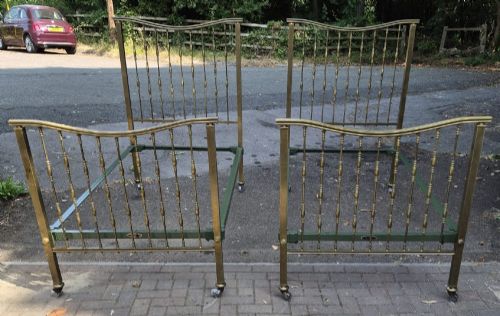
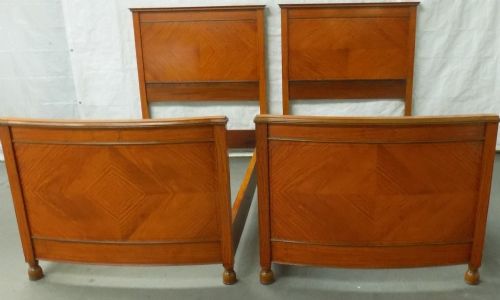
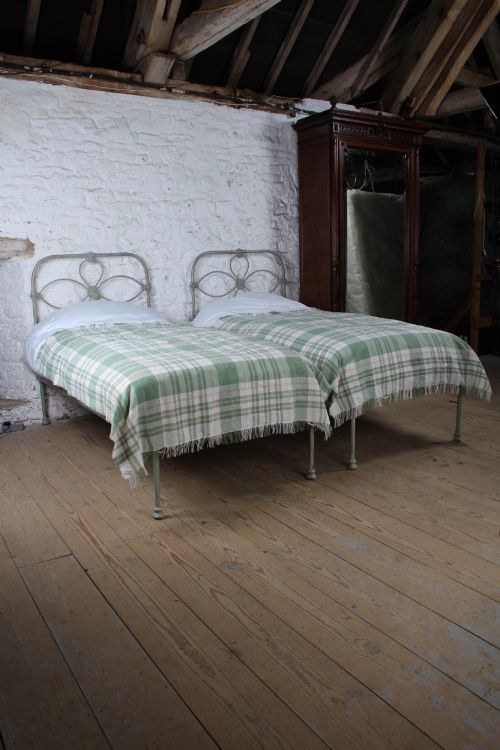
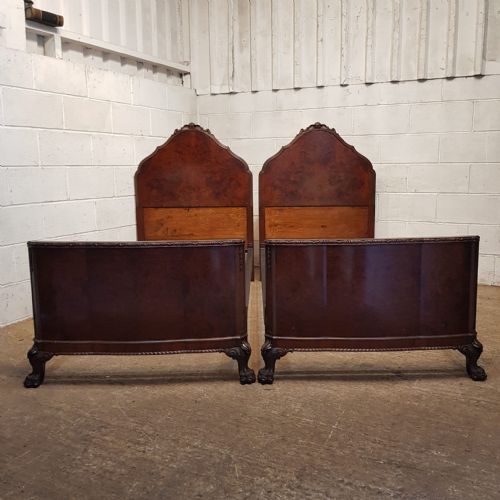
The inventory on this page most frequently presents wooden single and twin bed frames alongside metal constructions. Edwardian examples and pieces from the nineteen-twenties appear regularly alongside nineteenth-century designs.
Makers and styles range from English country house gilt pieces and Arts and Crafts oak to French Empire and French Rococo influenced models. Buyers also find inlaid mahogany pieces and brass frameworks.
How they were made
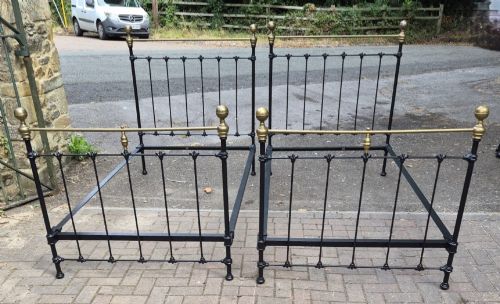
Makers constructed these beds using solid timbers such as mahogany, oak, walnut, and pine, often combining them with decorative elements like ormolu mounts, gesso, and gilt wood. Metal versions utilise brass, iron, and steel tubes and castings to form the structural headboards and footboards.
Joinery techniques reflect traditional cabinet-making standards for the wooden frames, whilst metal joints and fastenings secure the tubular and cast components. Inlaid veneers, carved details, and applied brass or ormolu ornament finish the decorative surfaces.
Retail Price Guide 2026
Typical UK retail prices for pair twin beds, calculated from the Sellingantiques database of over a million retail prices indexed since 2003. This retail price guide relies exclusively on Sellingantiques data; no external sources or auction records are used, so the figures do not describe the wider market.
What varies in quality
Quality in these beds rests upon the selection of timbers, the crispness of carved or cast detail, and the integrity of the matching pair. Finer examples display superior grain figures in walnut or mahogany and precise brass or ormolu mounts rather than plain or cast-iron substitutes.
The reputation of the maker and the cohesion of the matched pair dictate the upper tier of the range. Retained makers' labels and original surface finishes elevate an example above standard utility items from the same period.
Heal's·Maples·Liberty
The Pair Twin Beds Glossary
- Twin beds
- Two matching single bed frames designed to be used in the same room. They provide a coordinated appearance for guest rooms or master bedrooms.
- Ormolu
- Gilded bronze mounts applied to furniture surfaces for decoration. This French technique adds metallic contrast to mahogany and walnut frames.
- Bergère
- A closed-arm upholstered armchair or bed headboard feature utilising woven cane panels. It appears frequently on French and Art Deco designs.
- Gesso
- A plaster-like mixture applied to wood surfaces as a base for painting or gilding. It allows artisans to carve intricate relief details before applying gold leaf.
- Inlay
- Contrasting woods or materials set flush into a wooden surface to create decorative patterns. Edwardian makers utilised this technique extensively on mahogany.
Frequently Asked Questions
How do I fit modern mattresses?
Many antique frames accommodate standard modern single or twin mattress sizes through the addition of supportive wooden slats or modern base units. Adjustments may occasionally be required depending on the internal length and width of the specific historical rails.
Checking the exact interior dimensions before sourcing a mattress ensures a snug and secure fit within the antique wooden or metal side rails.
Can these beds be separated?
These beds are designed as matched pairs rather than a single convertible unit, meaning they stand independently as two individual sleeping frames. They are intended to furnish a room together with identical or highly complementary design details.
Separating them into different rooms remains possible, though their primary appeal lies in the balanced symmetry they bring to a shared bedchamber.
What styles are available?
The available styles encompass Edwardian simplicity, Arts and Crafts oak, nineteenth-century gilt frames, and French Rococo or Empire revivals. Art Deco walnut and mahogany designs also feature prominently among the recorded pieces.
Each style employs distinct materials, ranging from polished hardwoods and decorative brass to ornate gesso and gilded wood surfaces.
How do I care for timber frames?
Wooden bed frames benefit from regular dusting with a soft, dry cloth and occasional treatment with appropriate wax polish to nourish the grain. Avoiding direct sunlight and stable room humidity prevents the timber from drying or cracking over time.
Metal components such as brass or ormolu require gentle cleaning without abrasive agents to preserve their original surface patination and finish.