



Edwardian Mahogany Bedstead
An edwardian mahogany bedstead brings warm timber grain and classic early twentieth-century proportions into a modern bedroom.
Edwardian Mahogany Bedstead
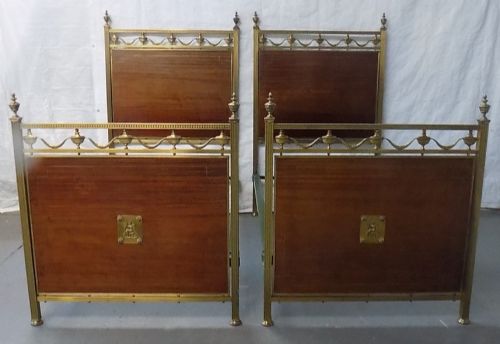
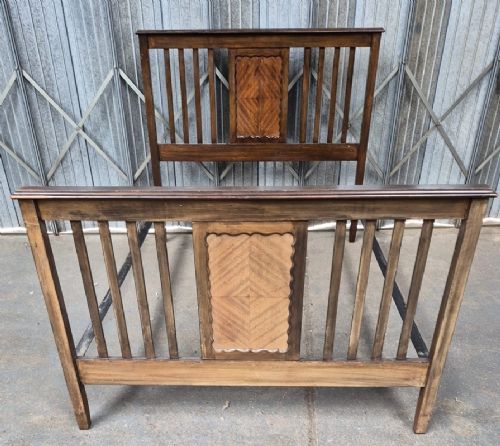
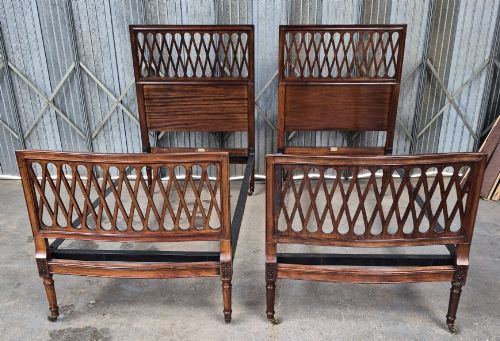
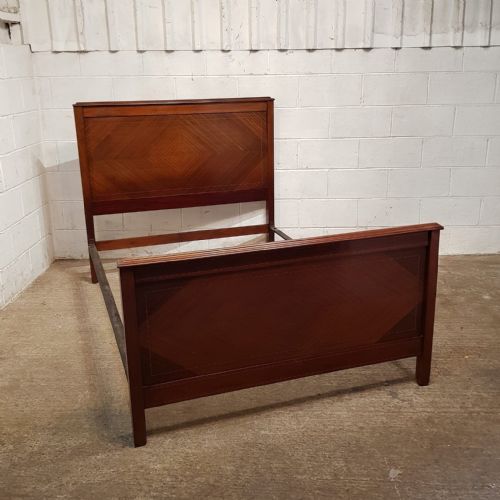
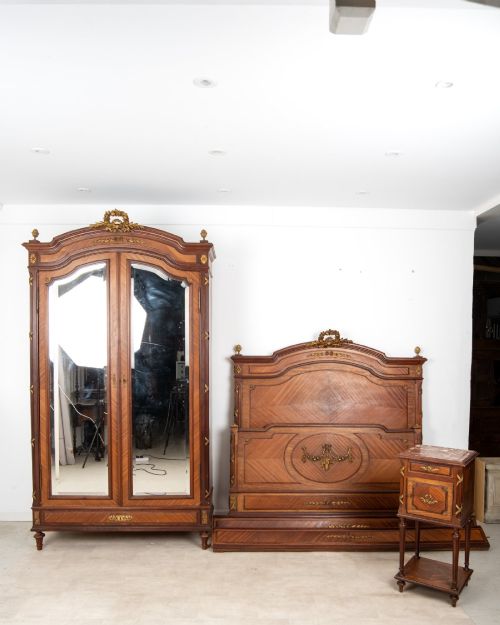
An edwardian mahogany bedstead primarily appears in double and single sizes, constructed during the Edwardian period and around nineteen ten. These frameworks range from simple timber constructions to examples enhanced with brass detail and marquetry inlay.
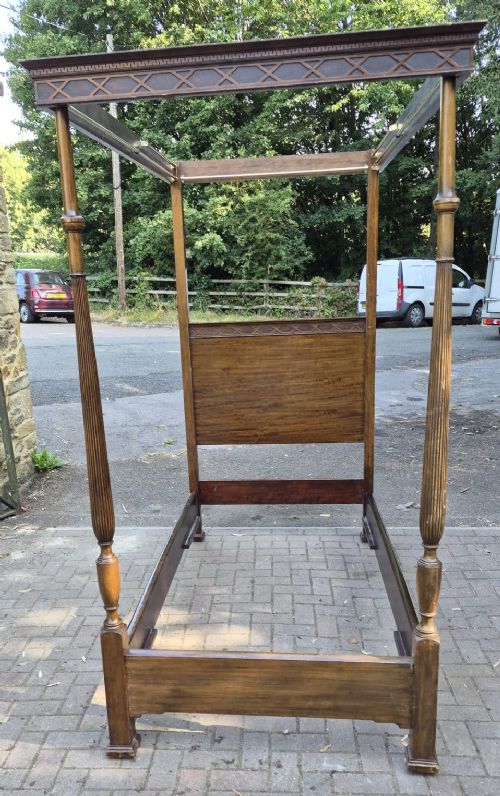
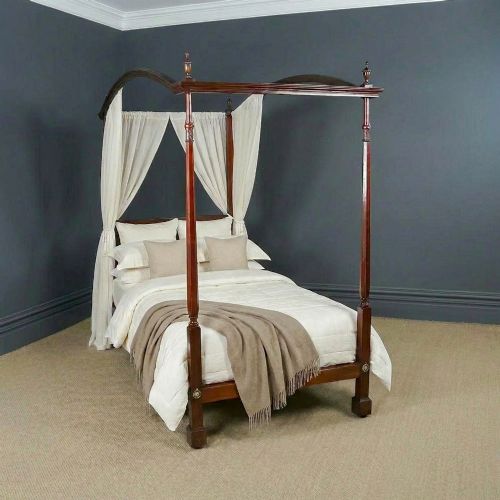
Makers such as Heals of London and Staples and Co to HM King George V contributed notable pieces to this category. Buyers encounter specific variants including four poster beds, king size bedsteads, and bergere single bedsteads.
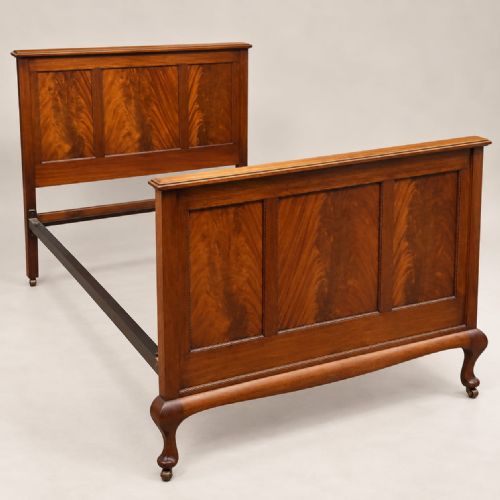
The aesthetic bridges late Victorian mass production and cleaner early twentieth-century designs, often incorporating Arts and Crafts influences. Timber selections include flamed mahogany alongside standard mahogany and veneer.
Factors separating standard pieces from the finest examples
Quality differences depend largely on the selection of timber grain, such as the use of flamed mahogany rather than plain stock. The presence of intricate marquetry inlay and well-executed brass detailing distinguishes finer workshop output from basic domestic furniture.
Edwardian Mahogany Bedstead Retail Price Guide 2026
Typical asking prices for edwardian mahogany bedstead among the pieces listed under this phrase on Sellingantiques today, from the lower quarter to the upper quarter. They describe what is for sale here now, not the wider market.
Recorded materials across these listings combine solid mahogany and veneer with structural iron and brass components.
Heals of London·Staples and Co to HM King George V
The Edwardian Mahogany Bedstead Glossary
- Mahogany
- A durable tropical hardwood known for its rich reddish-brown colour and stable grain. It serves as the primary structural and visual timber across these bedframes.
- Marquetry Inlay
- Decorative patterns formed by fitting small pieces of contrasting veneer into prepared recesses in the wood surface. This technique creates floral or geometric ornamentation on headboards.
- Bergere
- A style of canework utilising woven rattan panels, seen on specific single bedstead designs from this era. It provides a lighter visual texture compared to solid timber panels.
- Flamed Mahogany
- Timber cut to highlight a distinctive flame-like ripple pattern within the grain. This highly decorative figure appears on select high-end furniture.
- Four Poster
- A bed featuring four vertical columns that support an upper canopy framework. Examples from this period combine traditional scale with Edwardian proportions.
Edwardian Mahogany Bedstead: Frequently Asked Questions
Will a standard modern mattress fit an edwardian mahogany bedstead?
Many Edwardian bedframes were built to nineteenth-century sizing conventions which differ slightly from contemporary standard dimensions. Buyers often verify internal rail measurements to ensure a modern mattress drops securely into place.
Adjustment or custom support slats may be required to accommodate contemporary mattress thicknesses while preserving the original side rails and footboards.
How do I care for mahogany and veneer surfaces?
Maintaining these timber surfaces involves regular dusting with a soft, dry cloth and avoiding placement near direct heat sources or strong sunlight. Excessive warmth causes wood and veneer to dry out and split over time.
Occasional application of appropriate wax polish helps nourish the grain and maintain the natural lustre of the mahogany without building up heavy residue.
Are these beds easy to assemble at home?
Most antique bedsteads utilise traditional iron bed bolts and slot-in side rail brackets designed for straightforward dismantling and transport. Assembling them typically requires two people to align the heavy headboards, footboards, and side rails correctly.
Checking that all iron bolts and fixings are evenly tightened ensures the frame remains square and stable during everyday use.
How can I identify Arts and Crafts influence on these beds?
Arts and Crafts pieces from this era emphasise visible construction honesty, simpler geometric lines, and minimal ornamentation compared to heavily carved Victorian styles. They rely on the natural beauty of the timber grain and subtle handcrafted details.
Such designs reject excessive industrial machine moulding in favour of straightforward joinery and understated brass hardware.