





Brass Mounted Bed
These brass mounted bed examples combine solid timber construction with distinct metallic embellishments, offering a traditional centrepiece for the bedroom.
Brass Mounted Bed
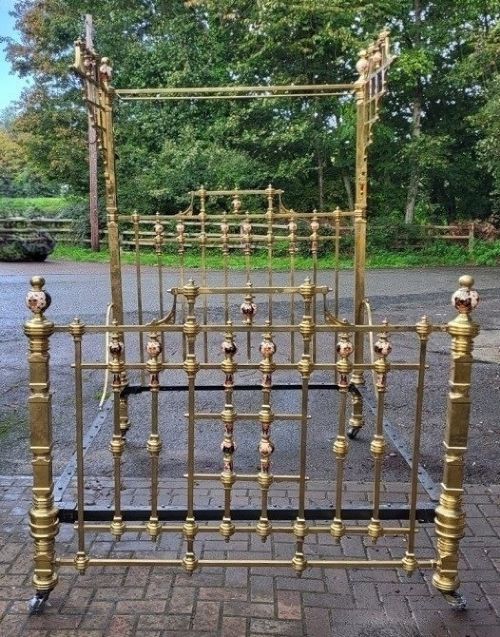
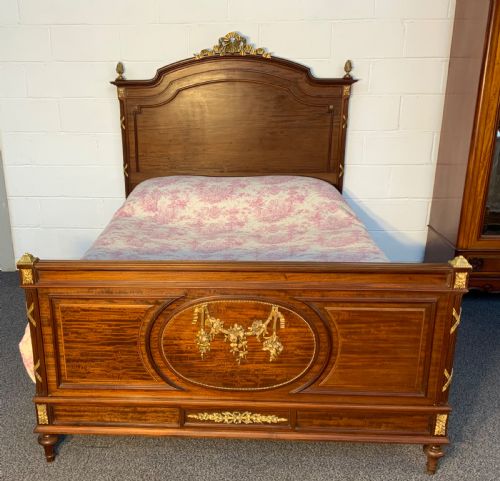
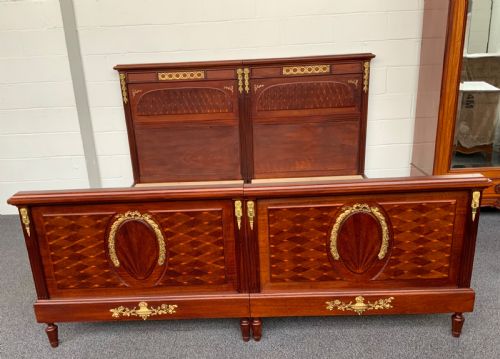
A brass mounted bed brings together structural wood and metallic fittings to create a sturdy frame with distinct decorative presence. When exploring this selection, buyers frequently encounter French aesthetic influences and substantial proportions spanning various historical periods.
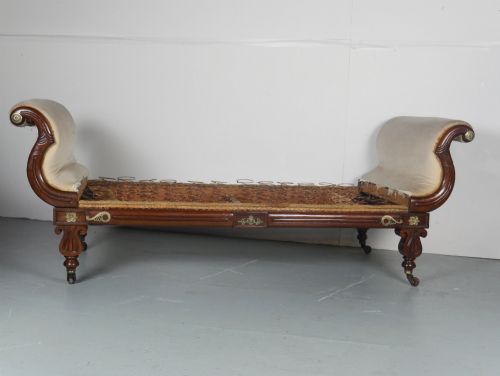
The objects listed under this description range from half tester configurations to grand super king sizes and daybeds. Mahogany, walnut, oak, and painted wood provide the primary structures, whilst metal embellishments define the corners, panels, and detailing.
Originating predominantly from nineteenth century workshops and Edwardian makers, these pieces reflect the shifting preferences for Neoclassical, Empire, and Victorian design. The combination of timber warmth and polished metal creates a focal point suited to traditional interiors.
Materials and construction methods
Makers utilised dense hardwoods such as mahogany, walnut, and oak to build the core frames, often applying veneers to achieve smooth surfaces. Ebonised finishes and painted wood appear alongside natural timber grains across the selection.
Metalwork involved cast or sheet brass applied as mounts, embellishments, and detailing around the wooden structures. These metal fittings were secured to the timber using traditional fixings, complementing the applied mouldings and stylistic turning.
Brass Mounted Bed Retail Price Guide 2026
Typical asking prices for brass mounted bed among the pieces listed under this phrase on Sellingantiques today, from the lower quarter to the upper quarter. They describe what is for sale here now, not the wider market.
Plum pudding mahogany adds a speckled, spotted grain pattern to the grandest French frames, proving nature makes its own spots.
Factors of quality
The distinction between standard examples and exhibition pieces lies in the selection of timbers, such as plum pudding mahogany, and the crispness of the brass casting. Finer pieces demonstrate superior joinery and more intricate decorative mounts.
Proportion and scale also separate the tiers, with grander frames exhibiting balanced neoclassical proportions and cohesive matching elements like bedside cabinets. The integration of the metal mounts into the overall architectural design dictates the piece's standing.
Willian Trotter
The Brass Mounted Bed Glossary
- Brass mount
- A decorative or structural fitting made of brass, applied to the surface of furniture. These components add visual contrast to the timber grain.
- Half tester
- A bed style featuring a partial canopy extending from the headboard over the upper portion of the mattress. This form was popular in nineteenth-century sleeping quarters.
- Neoclassical
- A style drawing inspiration from classical antiquity, characterised by symmetry and restraint. Furniture from this tradition often employs disciplined brass detailing.
- Daybed
- A piece of furniture functioning as a seat during the day and a bed at night. Examples in the record feature ebonised or mahogany frames with metal mounts.
- Veneer
- A thin layer of superior wood applied to a base timber to create a figured surface. Plum pudding mahogany is a notable example seen in this category.
Brass Mounted Bed: Frequently Asked Questions
What is a brass mounted bed?
A brass mounted bed is a wooden bed frame decorated with brass fittings, mounts, or embellishments. These pieces typically originate from the nineteenth and early twentieth centuries.
The metalwork provides a decorative contrast to timbers such as mahogany, walnut, and painted wood. They appear in various styles including French Neoclassical, Empire, and Victorian.
How do I identify the period?
Period identification relies on observing the timber choice, decorative vocabulary, and construction techniques. Nineteenth-century examples often feature French Empire or Victorian styling.
Later Edwardian and early twentieth-century pieces introduce painted finishes and simpler profiles. Matching the brass detailing style to known design eras confirms the dating.
How do I care for the wood and brass?
Maintaining these pieces involves regular dusting with a dry, soft cloth and avoiding harsh chemical cleaning agents. Timber surfaces benefit from occasional appropriate wax applications to preserve the finish.
Brass mounts should be cleaned gently without abrasive polishes to retain their historic patina. Keeping the frame away from direct heat sources prevents timber warping and veneer cracking.