



Edwardian Twin Bedsteads
Edwardian twin bedsteads offer matched sleeping arrangements from the early twentieth century, bringing period symmetry and craftsmanship to a bedroom.
Edwardian Twin Bedsteads
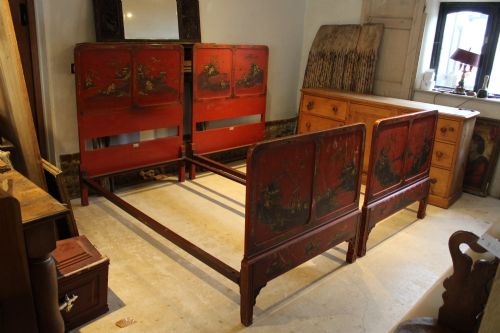
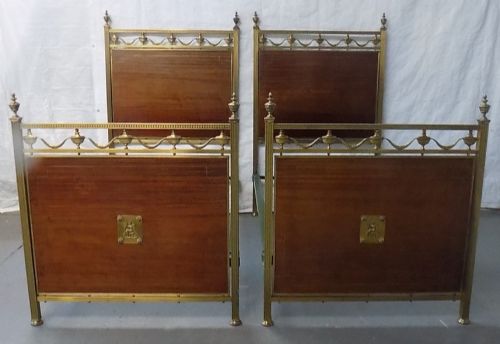
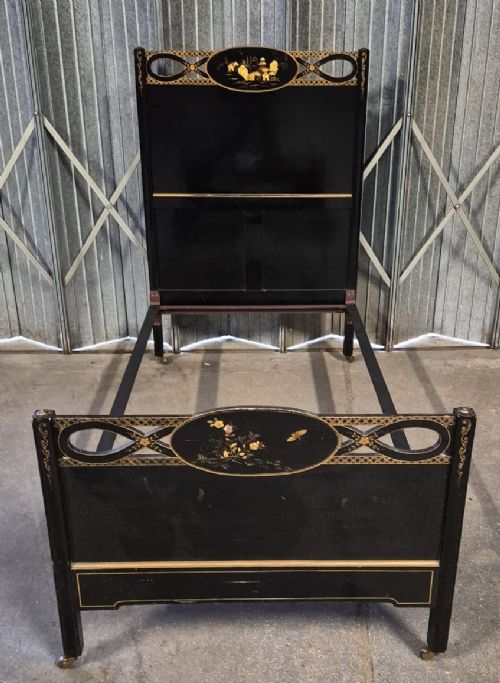
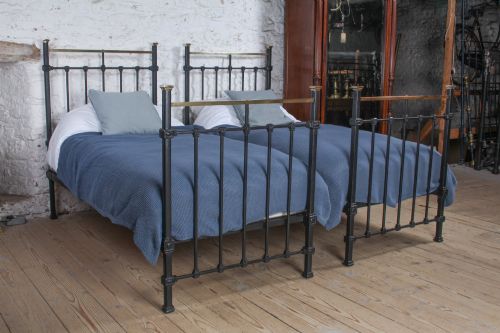
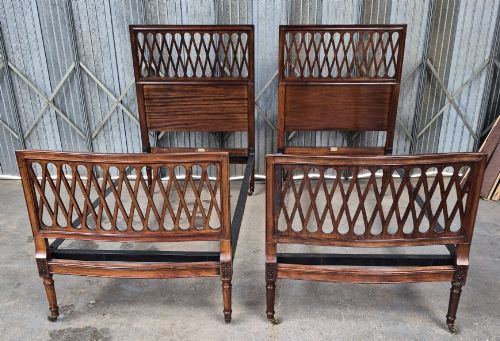
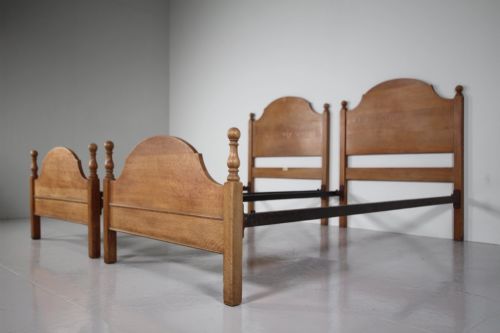
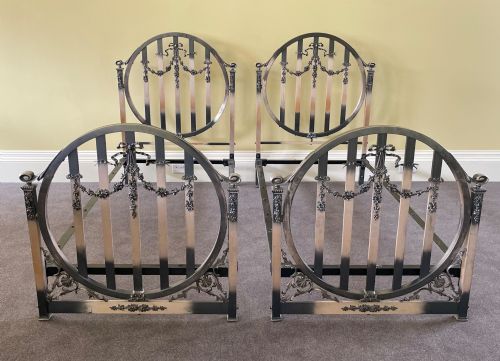
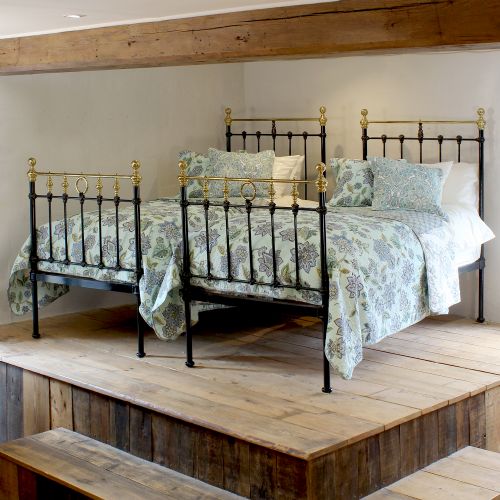
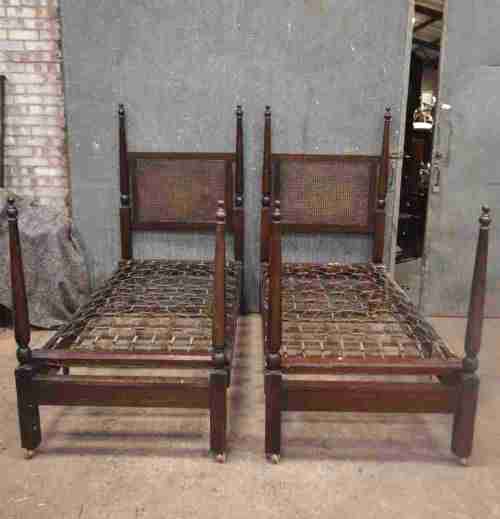
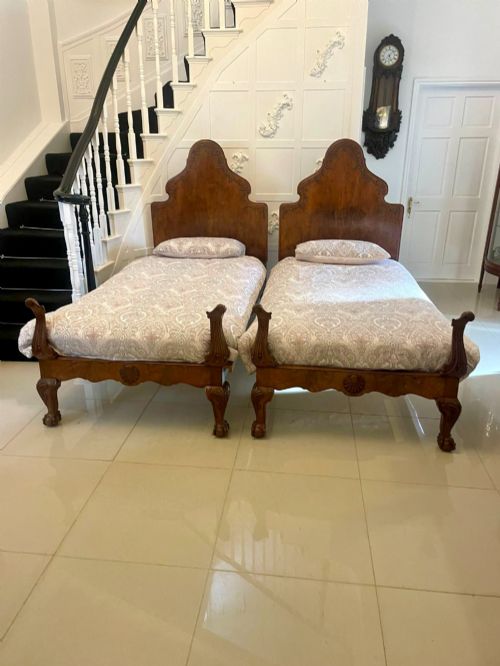
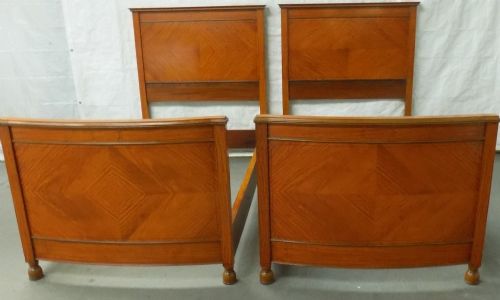
Edwardian twin bedsteads are matching pairs of single beds designed to be used together in a principal or guest bedroom. These pieces appear frequently in walnut, oak, mahogany, and painted iron, often incorporating brass mounts or inlaid details.
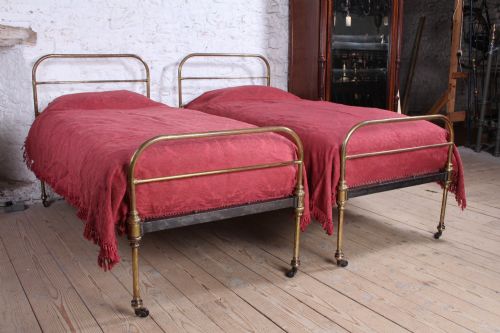
The selection ranges from simple metal frames and utilitarian brass designs to elaborate wood panelled structures in the Arts and Crafts or Queen Anne styles. Many examples originate from the early twentieth century, with distinct crossover into late Victorian and later periods.
Buyers encounter matching pairs constructed to stand independently or join together depending on the specific frame design. Cabinetmakers of the period utilised traditional timbers like satinwood and walnut to create cohesive suites for the home.
Assessing Quality
The distinction between standard commercial pieces and finer workshops lies in the selection of timber and the precision of decorative details such as inlaid veneers and hand carved mouldings. Labelled pieces from known makers command greater attention due to documented provenance.
Integrity of the original construction, retention of matching side rails, and the condition of decorative elements like brass decoration or painted portraits determine the standing of individual frames within the range.
Edwardian Twin Bedsteads Retail Price Guide 2026
Typical asking prices for edwardian twin bedsteads among the pieces listed under this phrase on Sellingantiques today, from the lower quarter to the upper quarter. They describe what is for sale here now, not the wider market.
Several single beds come accompanied by matching bedroom chairs for those who enjoy absolute upholstery coordination.
Heal & Son·Shapland and Petter
The Edwardian Twin Bedsteads Glossary
- Bergere
- A type of upholstered armchair or bed head incorporating woven cane panels. This technique lightened the visual weight of large wooden frames.
- Inlay
- A decorative technique where contrasting woods or materials are inserted into recesses within the primary surface. This method created geometric patterns and floral motifs.
- Nickel plated
- A protective and decorative metallic coating applied to iron or steel frames. This finish provided a bright silver appearance common in metal manufacturing.
- Satinwood
- A durable hardwood with a natural golden sheen utilised for fine cabinetmaking. It served as a primary surface for detailed inlay work.
- Twin bedsteads
- A pair of matching single bed frames designed for use in the same room. These pieces maintained symmetrical bedroom decor.
Edwardian Twin Bedsteads: Frequently Asked Questions
Can antique twin beds take modern mattresses?
Most Edwardian twin bedsteads were built for standard single dimensions of that era rather than current mattress sizes. Buyers often utilise custom mattresses or simple slat adjustments to fit modern bases safely.
Checking internal rail measurements ensures a proper fit before acquiring a frame. Professional suppliers frequently assist with mattress support solutions.
How do these beds join together?
Pairs designated as joinable utilise specialised brackets or freestanding alignment methods to connect the two side rails securely. This allowed households flexibility in room arrangements.
Some pairs stand completely independently as matching twin beds rather than locking into a single unit. Examining the inner rails reveals the specific attachment mechanism used by the maker.
What woods were used for these beds?
Cabinetmakers employed walnut, mahogany, oak, and satinwood for wooden frames, frequently incorporating decorative veneers and inlay. Painted and polished finishes protected the timber while highlighting grain patterns.
Metal variants utilised cast iron, brass, and nickel plating for durability and decorative contrast. Selection depended on the prevailing aesthetic of the period workshop.
How do I care for wooden bed frames?
Maintenance requires regular dusting with a dry cloth and occasional application of appropriate furniture wax to nourish the wood. Avoiding direct sunlight and damp environments preserves the finish and structural integrity.
Metal components benefit from gentle cleaning to prevent tarnishing on brass elements. Careful handling during assembly protects historical joints from unnecessary strain.