



Pair Silver Bowls
When you search for pair silver bowls, you encounter matched groups spanning Georgian, Victorian, and later periods crafted in sterling or plate.
Pair Silver Bowls
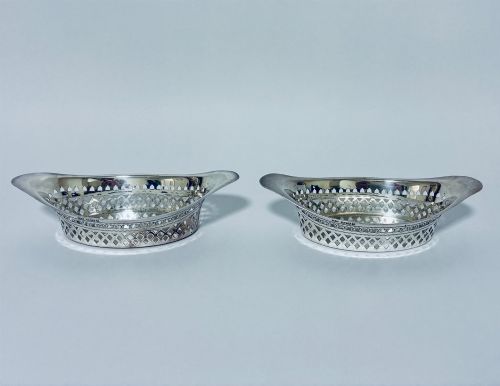
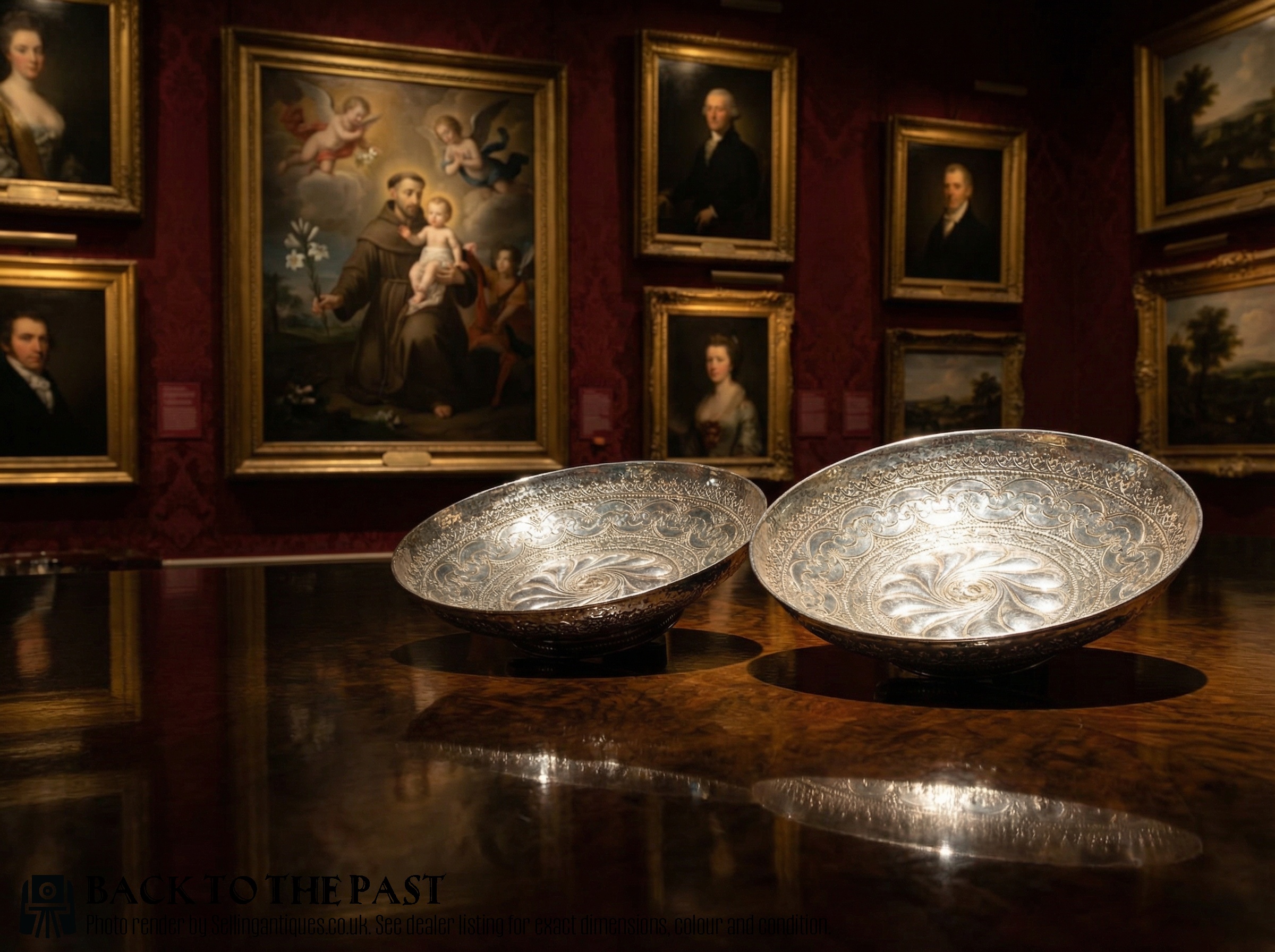
When searching for pair silver bowls, collectors examine dual items originating from periods such as the Georgian, Victorian, and Edwardian eras, encompassing both solid sterling and plated variations.
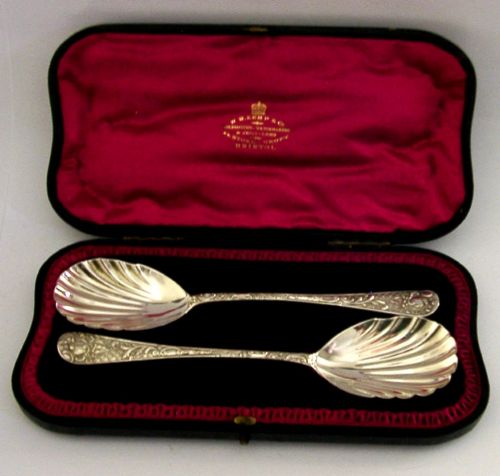
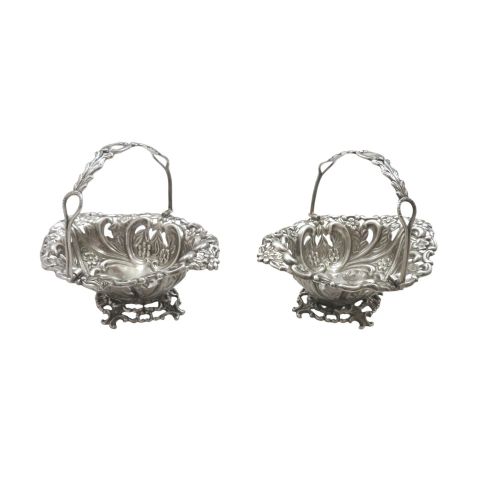
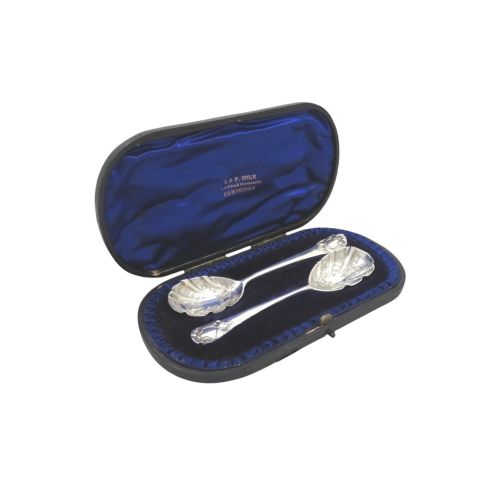
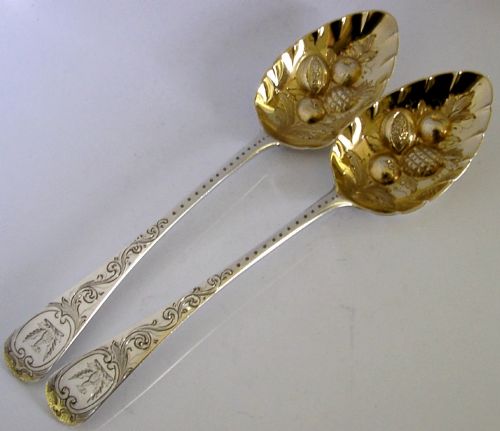
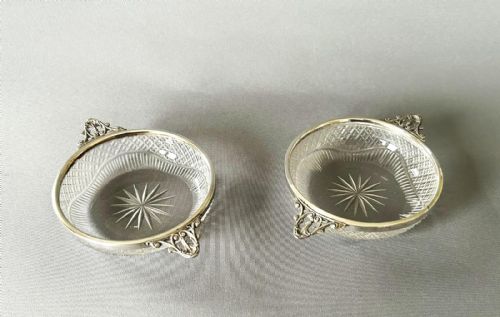
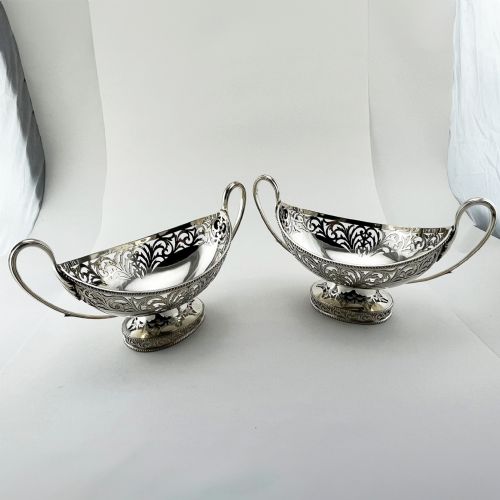
The objects span functional table vessels including salt cellars, bonbon dishes, nut bowls, and larger display pieces, often accompanied by fitted glass liners or matching spoons.
Many examples demonstrate stylistic influences ranging from Arts and Crafts and Art Deco to French Empire and Anglo-Indian designs, reflecting the diverse domestic uses of silver service over multiple centuries.
What varies in quality
The standard of a pair depends on the crispness of chased or pierced ornamentation and the structural integrity of the metal, where heavier gauge silver maintains cleaner lines and greater resilience over time.
The presence of original hallmarks, matched maker marks, and fitted elements such as glass liners or presentation cases elevates an example by confirming its period authenticity and completeness as a set.
The object forms range from salt cellars and bonbon dishes to sugar tongs, serving spoons, and large table centrepieces.
Thomas Bradbury·Hamilton and Inches·Viners·William Comyns·Dan Holy·Edward Wood·Robert Hennel·Vale Brothers and Sermon·William IV·John Samuel Hunt·Martin, Hall and Co·Fenton Bros Ltd·Mappin and Webb
The Pair Silver Bowls Glossary
- Sterling silver
- An alloy containing 92.5 percent pure silver by mass, with the remainder usually copper, standard for British domestic plate.
- Vermeil
- Sterling silver coated with a thin layer of gold, often found on the interior surfaces of salts and serving dishes.
- Repoussé
- A metalworking technique where the artisan hammers the design from the reverse side to form a raised relief on the front.
- Hallmark
- An official stamp applied by an assay office to indicate the purity of the metal, the maker, and the year of manufacture.
- Comport
- A decorative dish raised on a high foot or pedestal, used historically for serving fruit or sweetmeats at the table.
Pair Silver Bowls: Frequently Asked Questions
What were pair silver bowls used for?
These matched vessels served specific dining functions such as holding salt, sugar, nuts, or sweetmeats during formal meals. They added symmetry to table settings and aided in the distribution of condiments.
Over time, many of these dual items transitioned into decorative display pieces or dressing table accessories, prized for their matched proportions and craftsmanship.
How do I date an antique silver bowl?
Dating relies primarily on the stamped hallmarks, which include symbols for the assay office, date letters corresponding to specific years, and maker marks. Comparing these stamps against historical registers provides an exact year of manufacture.
Stylistic indicators such as Georgian symmetry, Victorian piercing, or Art Deco geometric patterns also help narrow down the period when hallmarks are rubbed or absent.
Are these bowls solid silver or plated?
The inventory includes both solid sterling silver and silver plated items, with distinct metallurgical properties. Sterling pieces feature purity hallmarks indicating British standard silver content.
Plated variants typically use a base metal foundation coated with a layer of silver, often marked with manufacturer symbols denoting the plating technique or firm.
How should I care for silver bowls?
Maintenance involves gentle cleaning with specialised silver polishes to remove tarnish without abrading the surface detail or the underlying metal. Soft cloths prevent scratching during the cleaning process.
Storing pieces away from damp environments and extreme temperature fluctuations helps preserve the finish, particularly on examples featuring delicate elements like glass liners or tortoiseshell.