



Pair Queen Anne Chairs
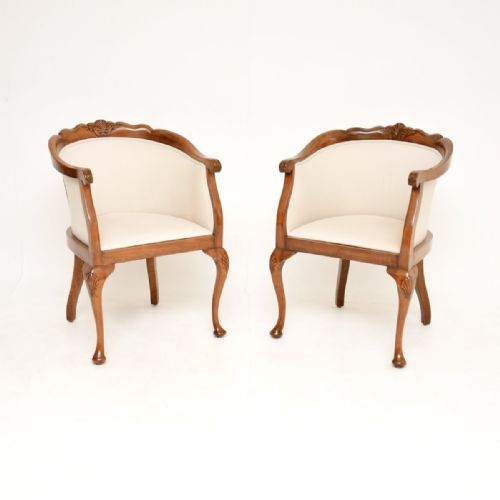
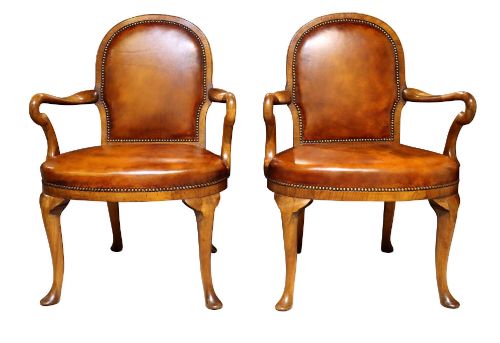
When you search for pair queen anne chairs, you encounter symmetrical seating shaped by fluid lines and distinct regional revivals.
Pair Queen Anne Chairs
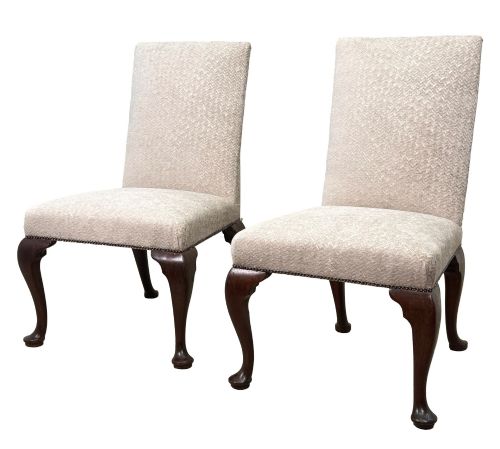
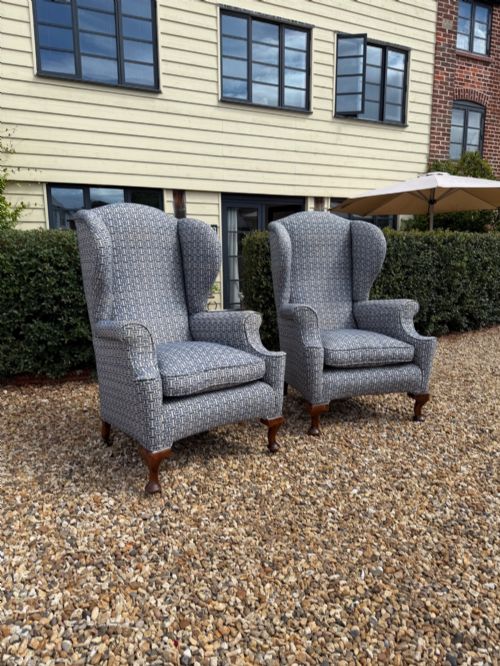
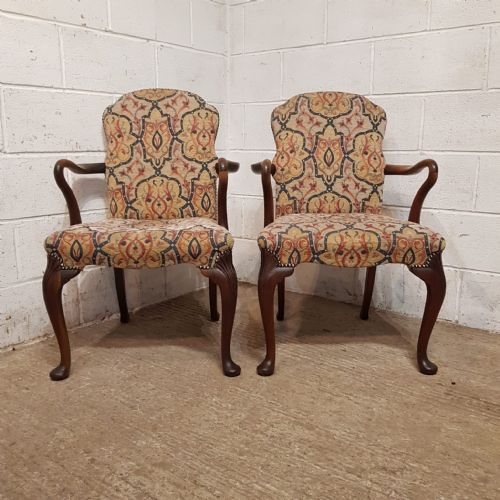
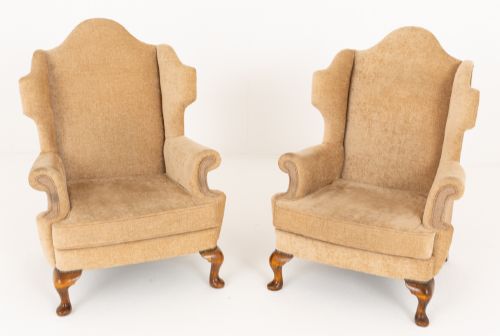
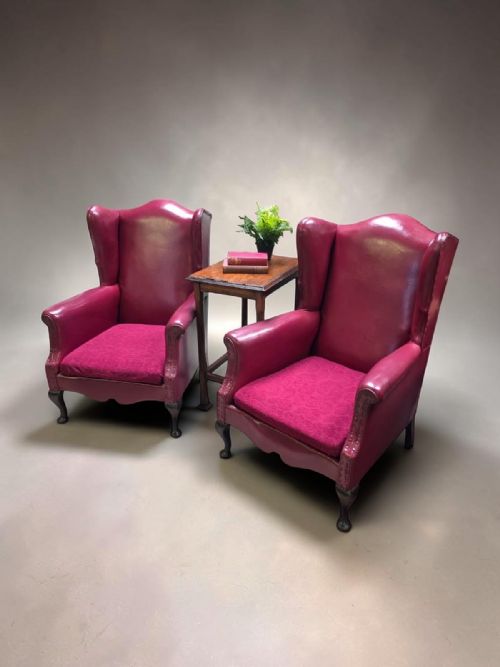
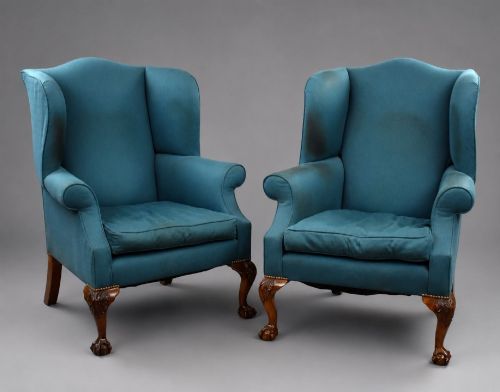
The phrase pair queen anne chairs covers dual seating ranging from authentic early eighteenth-century pieces to twentieth-century revival interpretations. The forms vary widely across side chairs, armchairs, wingbacks, and compact nursery seats designed for domestic parlours and libraries.
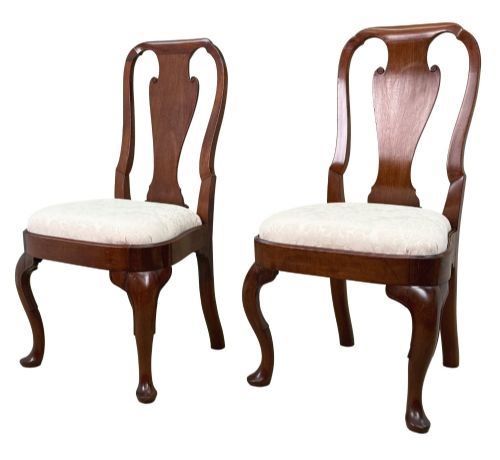
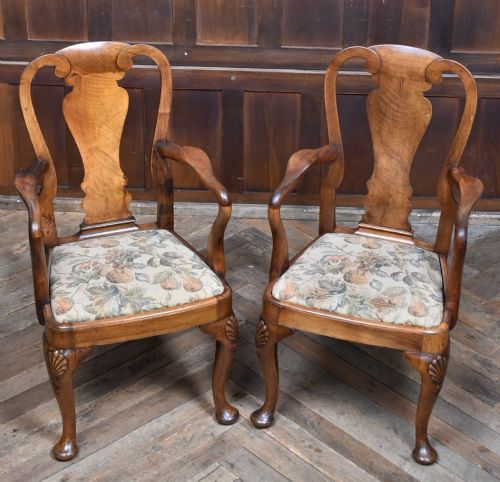
Most examples met today stem from the revival eras of the late nineteenth and early twentieth centuries, constructed in the classic idiom of the original reigns. These duplicate the characteristic silhouette featuring arched crest rails, vase-shaped splats, and pad feet.
Construction and Materials
Walnut dominates the primary framework of these seats, frequently enhanced by burr veneers, alongside substantial uses of mahogany and oak. Frame assembly relies heavily on traditional joinery, integrating pegged mortise and tenon joints to sustain structural stability.
Upholstery materials range from tactile leather and heavy woven textiles to silk and floral fabrics, pinned over webbing or squab cushions. Distinctive cabriole legs emerge from shaped blocks, curving outward at the knee and tapering gracefully downward to pad or club feet.
Listings feature walnut, mahogany, oak, and brass across periods spanning from 1700 to the 1930s.
Evaluating Craftsmanship
Quality rests in the precision of the carving, particularly along the scallop shell motifs and the fluidity of the cabriole curve. Superior examples display balanced proportions where the grain of the walnut or mahogany is carefully matched across both halves of the set.
The integrity of the underlying frame and the depth of the patination on the timber define the upper tier of the market. Lesser specimens often show sluggish lines in the splat and flat, uninspired turning in the stretcher base.
Charles Tozer·Whytock & Reid of Edinburgh·Hille
The Pair Queen Anne Chairs Glossary
- Cabriole leg
- A furniture leg that bends outward in a convex curve at the knee and inward in a concave curve at the ankle, mimicking animal limbs.
- Splat
- The central vertical strip of wood in the back of a chair, often shaped in a vase or fiddle contour.
- Pad foot
- A simple circular or oval foot that terminates a cabriole leg, resting flat on the floor without a distinct shoe.
- Stretcher
- The horizontal wooden brace connecting the legs of a chair to provide structural rigidity and support.
- Carver chair
- An open armchair, traditionally designed with arms for the head of a dining table or desk.
Pair Queen Anne Chairs: Frequently Asked Questions
How do I spot an original eighteenth-century chair?
Authentic pieces from the original period display hand-cut joinery, oxidized timber surfaces beneath upholstery lines, and specific tool marks consistent with period craftsmanship.
Revival pieces from later centuries often exhibit machine-cut components and timber preparation methods characteristic of Victorian or Edwardian workshops.
Are these chairs comfortable for daily seating?
Many high-back and wingback variations provide robust vertical support, though seat depths and heights reflect historical ergonomic standards.
Library armchairs and upholstered tub variants offer deeper, softer seating suited to relaxed modern living spaces.
Why are these items always sold as pairs?
Symmetrical placement was central to period interior design, where matching furnishings flanked fireplaces, doorways, or windows.
Retaining the pair preserves the historical balance and visual harmony intended by the original cabinetmaker or revivalist designer.
What timber was most commonly used?
Walnut was the premier wood of the original period, prized for its rich grain and suitability for carved cabriole legs.
Later revival makers frequently substituted mahogany, oak, and beech to replicate the classic aesthetic.