




Period Walnut Side Chairs
Period walnut side chairs bring warmth and formal structure to a room, ranging from early eighteenth-century Queen Anne designs to later Victorian interpretations.
Period Walnut Side Chairs
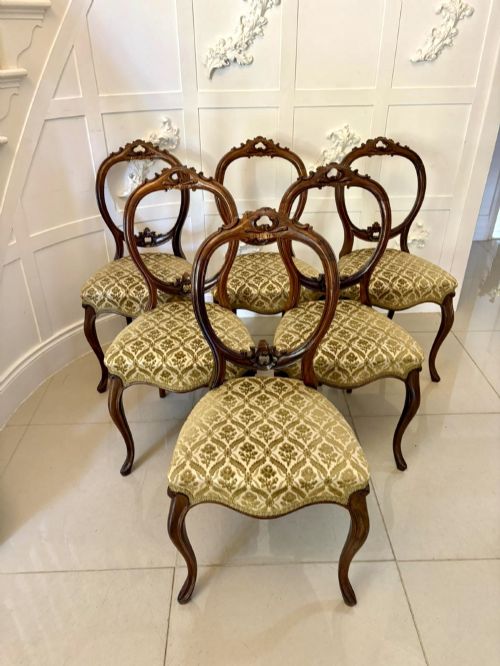
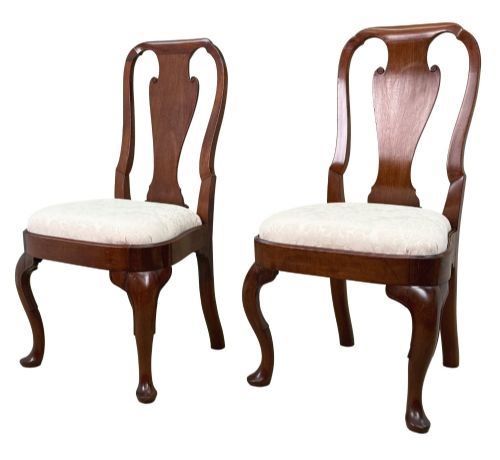
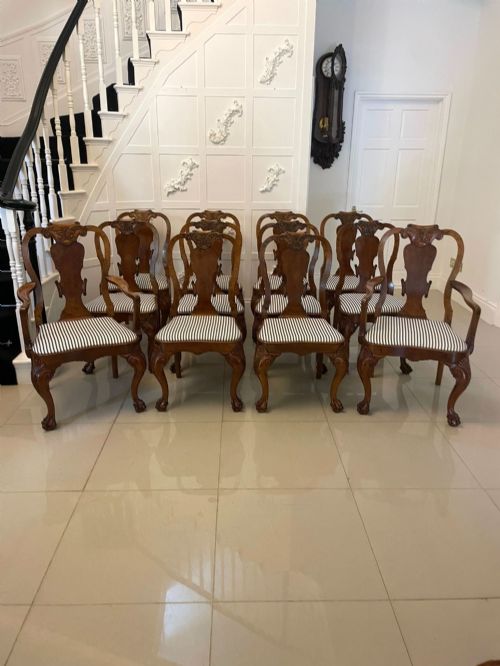
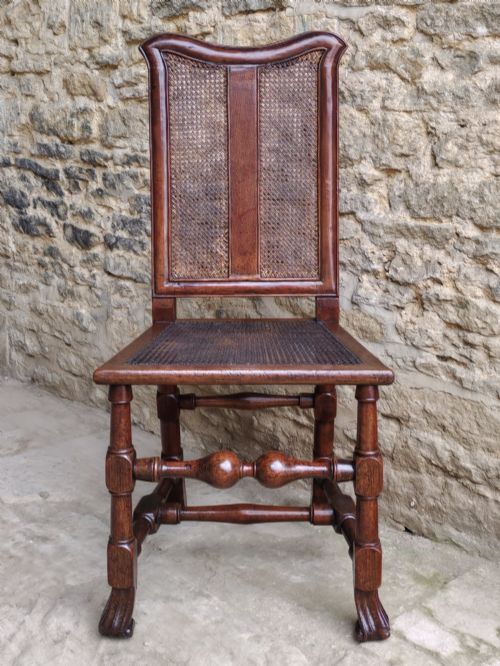
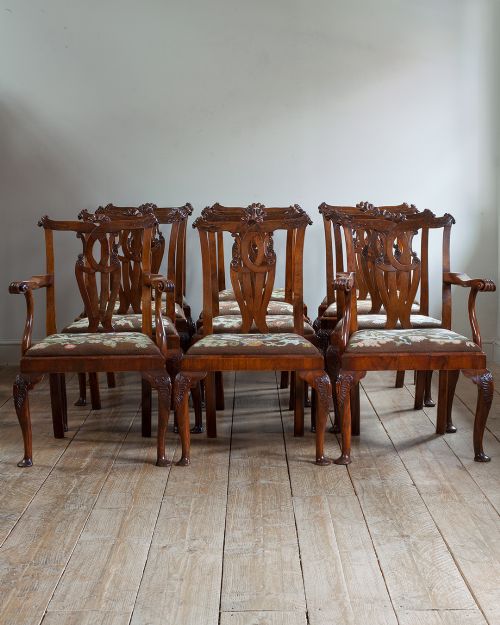
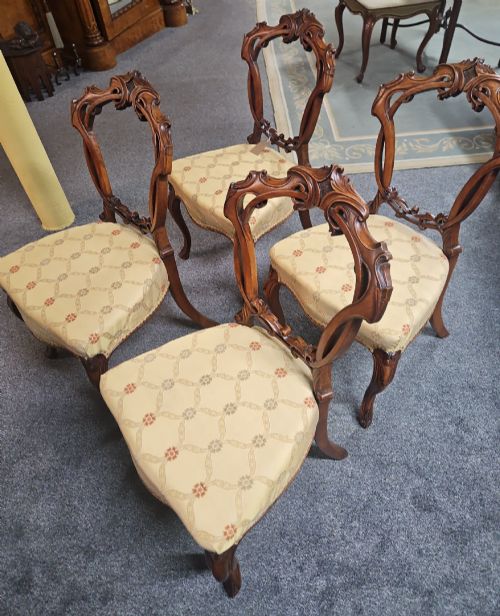
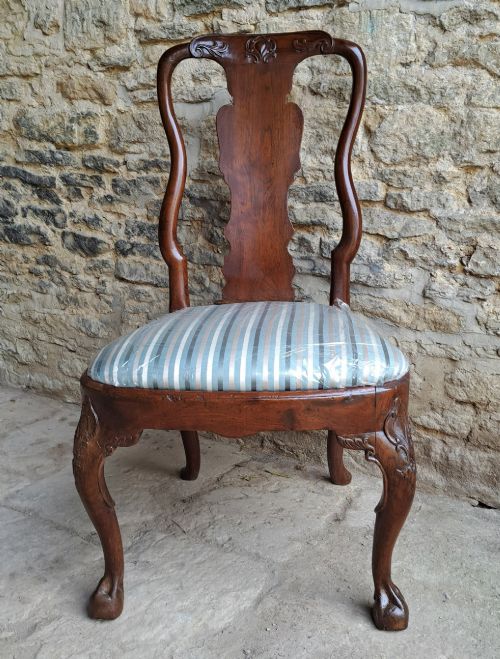
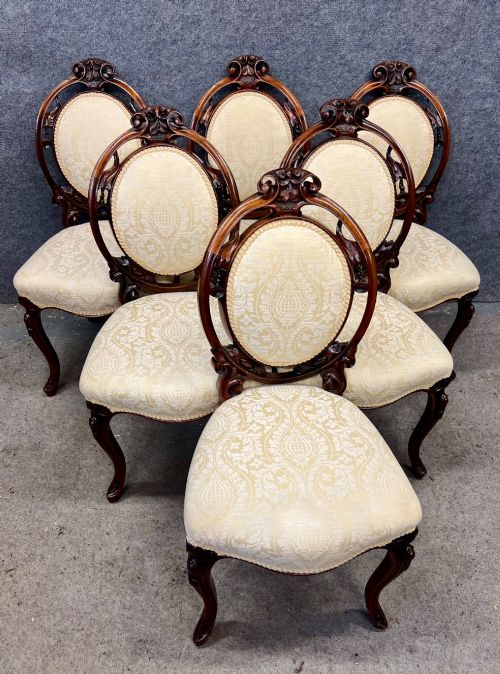
Early examples frequently display high backs and splat designs rooted in the reigns of Queen Anne and George II. Later nineteenth-century iterations draw upon these earlier aesthetics while introducing balloon backs and carved ornamentation characteristic of Victorian workshops.
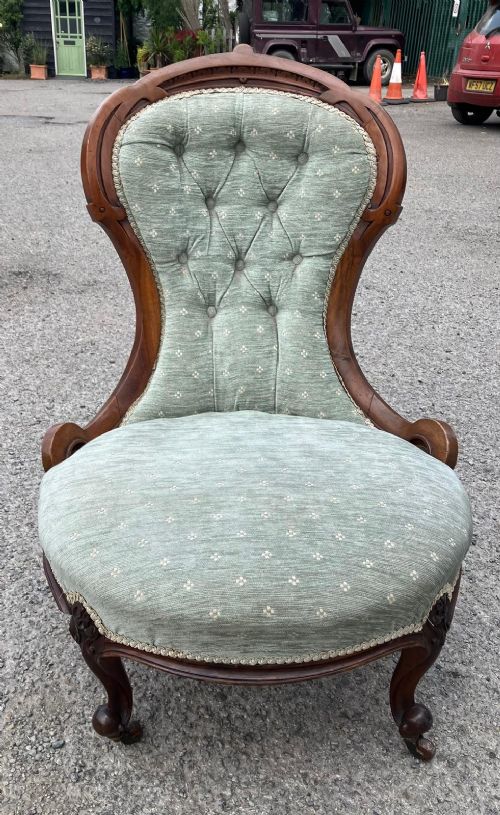
The inventory includes specialised variants such as hall chairs and nursing chairs alongside standard dining forms. Walnut remains the unifying material, often complemented by burr figuring or rich red tones.
How they were made
Cabinetmakers utilised solid walnut and burr walnut veneers, shaping frames through traditional joinery and carving. Timber selection prioritized rich grain patterns and deep natural colour.
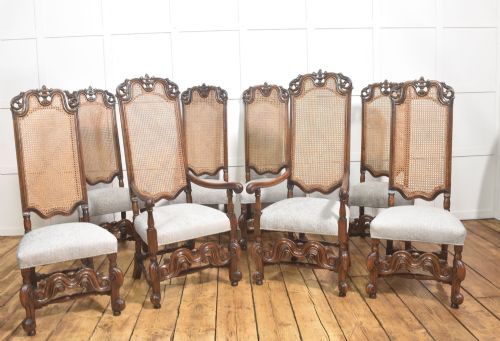
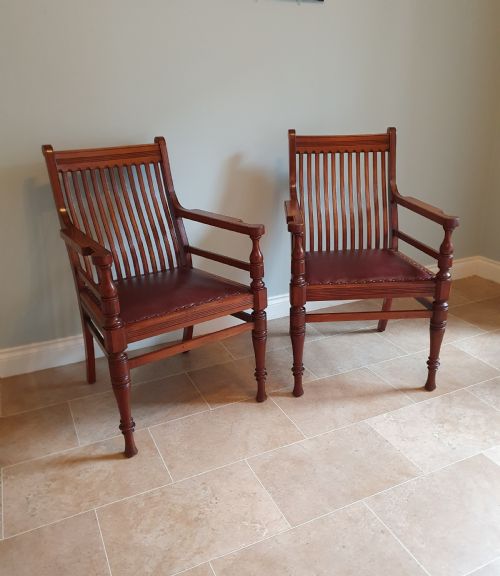
Seating portions received various treatments including cane panels, leather inserts, and traditional textile upholstery such as velvet, needlepoint, and fabric. Brass hardware occasionally appears on specific regional or period forms to secure structural elements.
Upholstery materials across the selection include velvet, needlepoint, cane, and standard textile fabrics.
What varies in quality
The refinement of the carving separates standard production from exceptional pieces, particularly in the handling of splats, cabriole legs, and crest rails. Crisp detailing reflects the skill of the original maker.
Timber quality dictates overall visual impact, with choice burr walnut veneers and uniform grain figures commanding greater appreciation. Original surface patination and structural integrity further distinguish superior examples from heavily restored or assembled sets.
Charles Tozer·Lamb of Manchester
The Period Walnut Side Chairs Glossary
- Splats
- The central vertical strip of wood in the back of a chair. It often takes a vase or ribbon shape in eighteenth-century designs.
- Cabriole leg
- A furniture leg that curves out and then in, mimicking an animal's leg. This form frequently terminates in pad or claw-and-ball feet.
- Burr walnut
- A specialised timber cut from a tree growth, producing intricate, swirling grain patterns. It gained high favour for decorative veneer work on high-status furniture.
- Caning
- Woven plant material used to form light, flexible seats and backs. It appears on seventeenth-century and later revival seating.
- Needlepoint
- Stitched yarn work used to cover chair seats. It provides both decorative pattern and durable texture.
Period Walnut Side Chairs: Frequently Asked Questions
How do I identify a Queen Anne walnut side chair?
Queen Anne period walnut side chairs typically feature shaped splats, curving backs, and cabriole legs terminating in simple feet.
They rely on the natural grain of the timber for decoration rather than heavy carving, often housing drop-in seats upholstered in fabric or needlepoint.
Are Victorian walnut chairs reproductions?
Victorian walnut chairs are period antiques from the nineteenth century rather than modern reproductions. They frequently reinterpret earlier Georgian and Queen Anne styles, incorporating balloon backs or richer carving.
Makers of this era utilised solid walnut and burr walnut veneers, adapting historical aesthetics for contemporary Victorian homes.
Can I use period side chairs for daily dining?
Period walnut side chairs function well for daily use provided their joints remain stable and sound. Many examples survived centuries of use because makers built them from durable hardwoods.
Checking the structural rigidity of the frame ensures safe seating during meals or gatherings.
What is red walnut?
Red walnut refers to specific stock or finishes exhibiting warm, reddish hues within the timber grain. Eighteenth-century makers often worked with this characteristic material.
Over generations, exposure to light and air deepens the natural colour of the wood.