
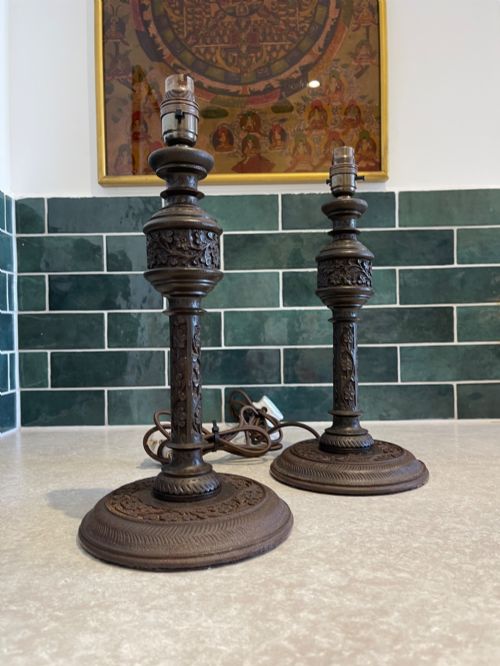
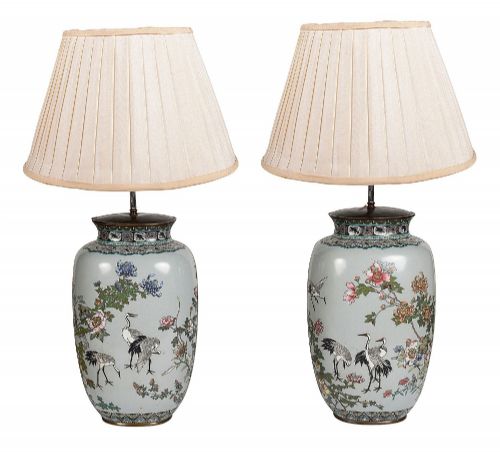
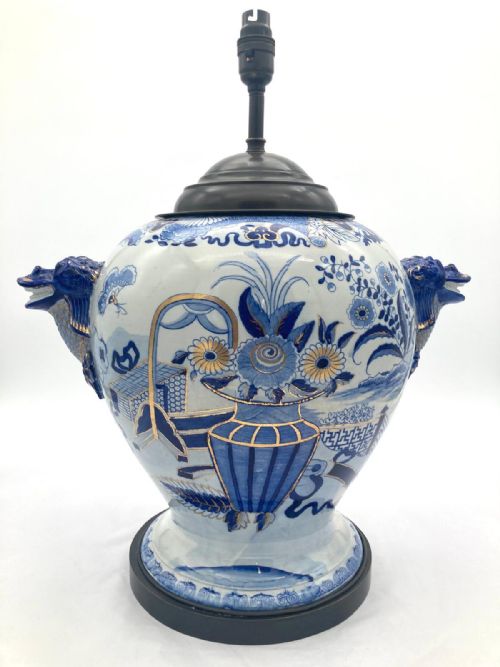
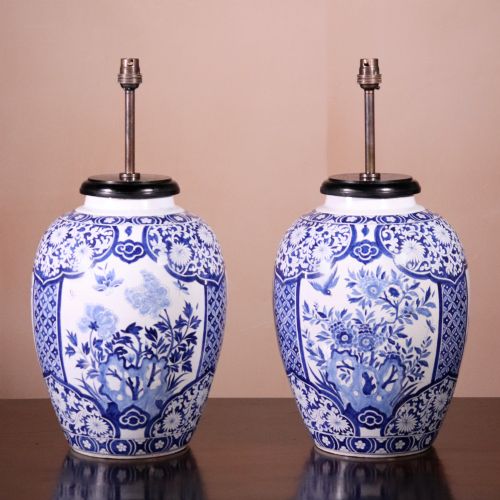


Pair Oriental Table Lamps
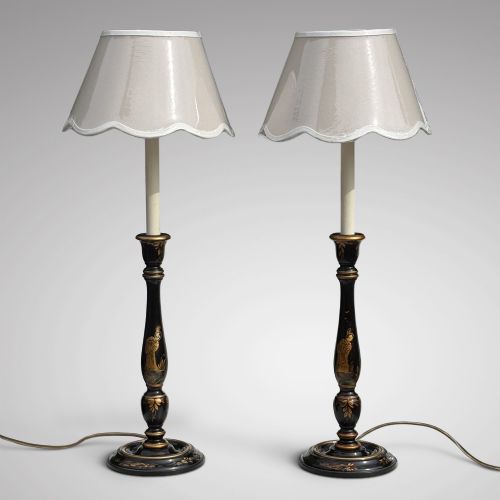
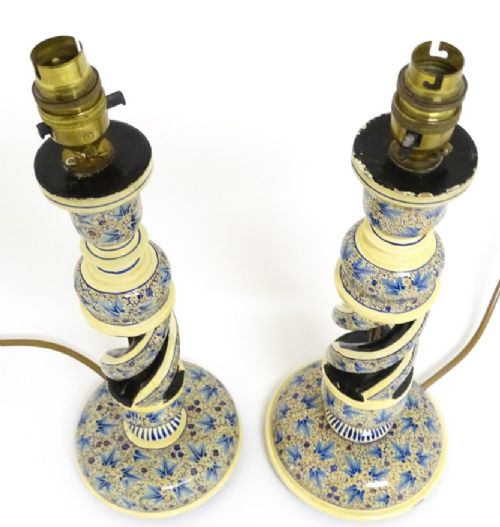
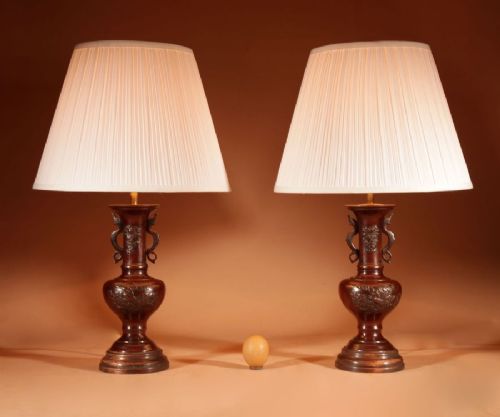
Pair oriental table lamps bring distinct decorative character and historic illumination to a room, combining antique vases, jars, and urns with fitted lighting.
What these pieces are
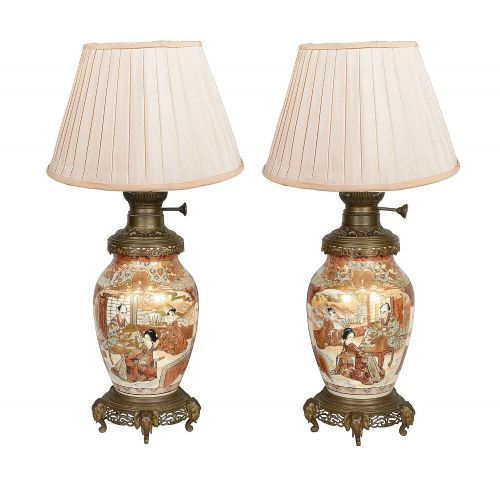
When you search for pair oriental table lamps, you encounter decorative objects originating from Asian traditions that have been adapted for domestic illumination. The selection spans the nineteenth century up to nineteen ten, incorporating nineteenth century pieces and items from the Meiji period, Qing dynasty, and Chinese export sphere.
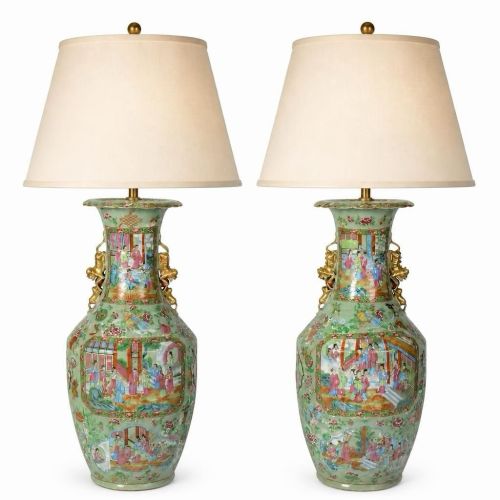
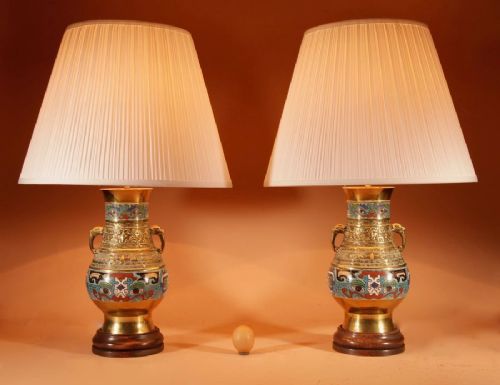
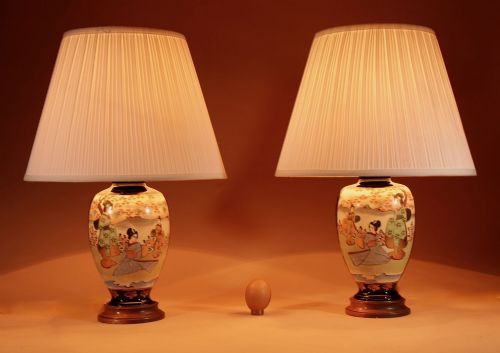
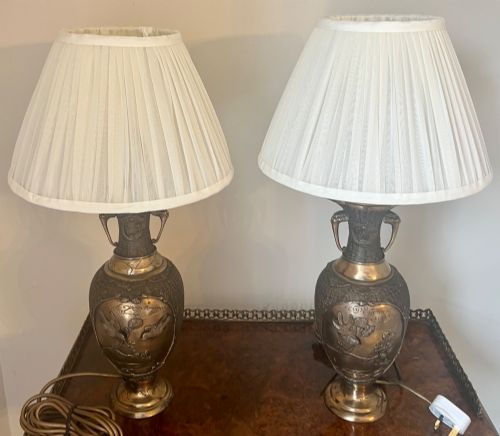
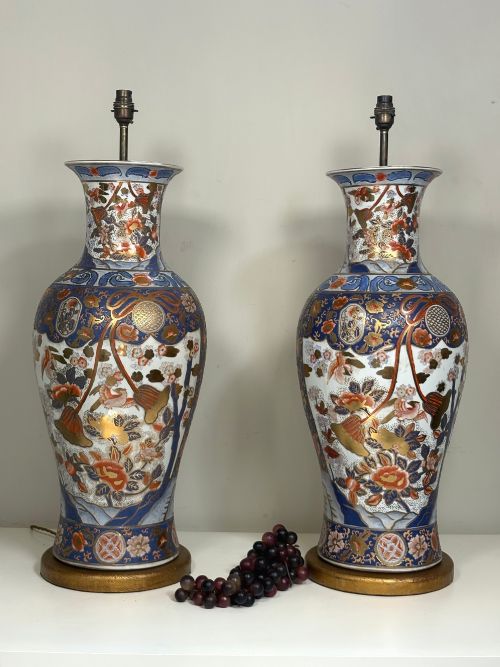
You are most likely to meet converted vessels such as vases, jars, and urns transformed into lamps. The forms include Satsuma, Famille rose, Kutani porcelain, Celadon, blue and white twin handle designs, and Rose Medallion Canton vases, alongside antique bronze and enamelled urns.
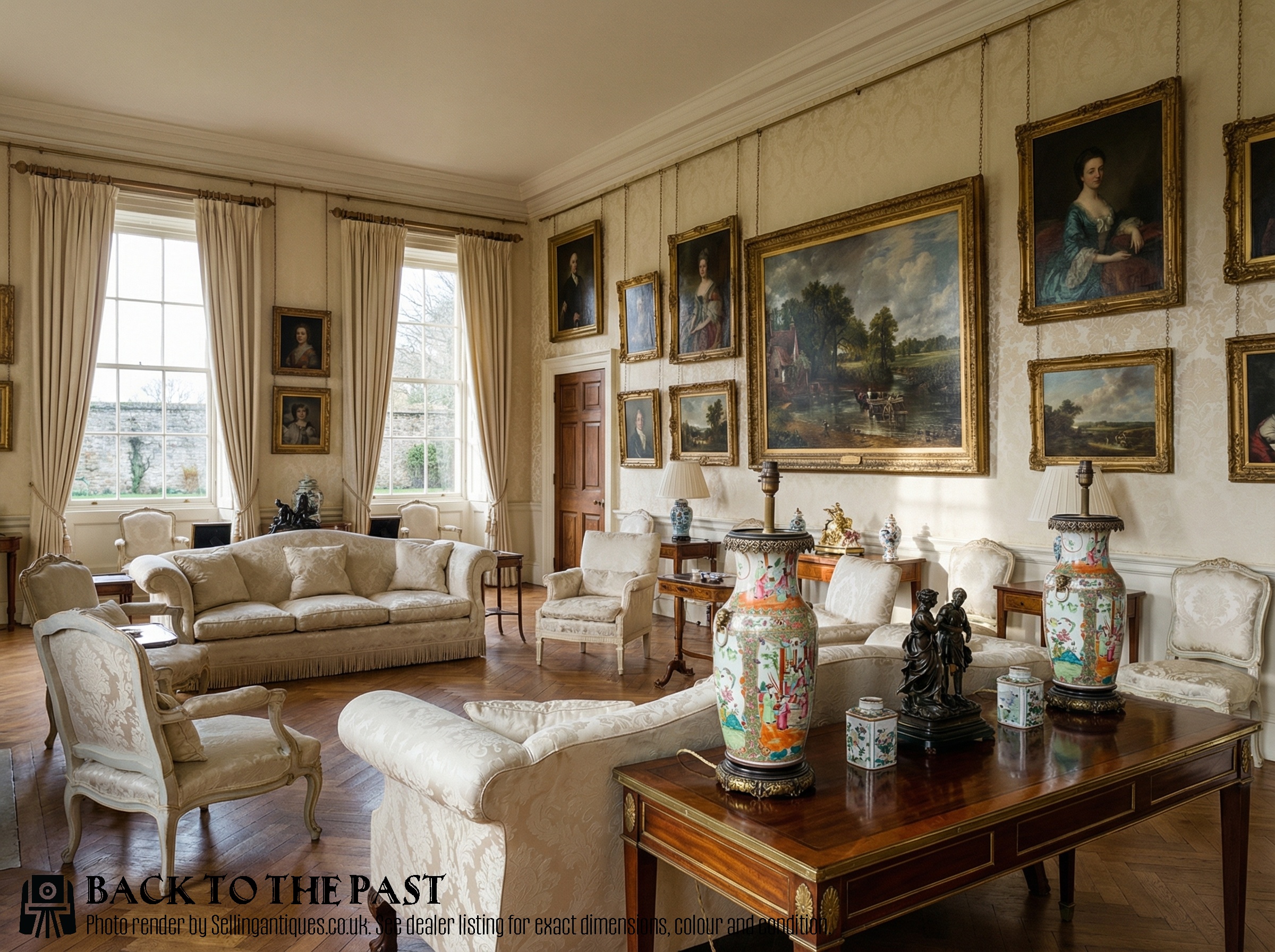
These matched pairs offer balanced proportion and visual symmetry for mantelpieces, sideboards, and console tables. Their dual presence provides both ambient light and focal artistic interest within a traditional or eclectic interior.
How they were made
The construction of these lamps relies on traditional ceramic and metalworking techniques applied to vessels originally created as vases, jars, or urns. Artisans utilised porcelain, ceramic, bronze, and gilt bronze, often incorporating hand-painted enamels and intricate glazing methods typical of Chinese and Japanese workshops.
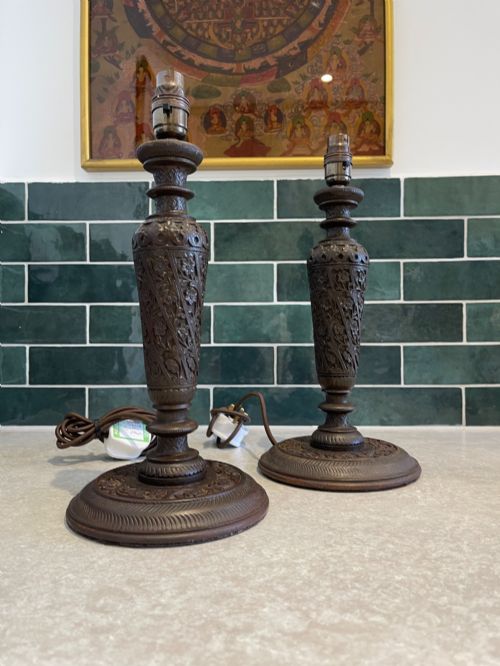
Conversion into lighting involves pairing these rigid bodies with structural elements of brass and fabric for the electrical components and shades. The resulting objects merge historical handicraft with functional utility without altering the fundamental integrity of the primary antique vessel.
Retail Price Guide 2026
Typical UK retail prices for pair oriental table lamps, calculated from the Sellingantiques database of over a million retail prices indexed since 2003. This retail price guide relies exclusively on Sellingantiques data; no external sources or auction records are used, so the figures do not describe the wider market.
What varies in quality
The distinction between tiers of these lamps rests upon the artistic execution of the painted and enamelled decoration on the ceramic body. Finer examples display meticulous brushwork, vibrant colour retention, and sophisticated pictorial or floral composition.
Material substance and the historical weight of the original vessel also dictate standing. Heavy cast bronze, substantial porcelain bodies, and finely preserved gilt bronze mounts elevate the presence and tactile quality of the pair.
The Pair Oriental Table Lamps Glossary
- Satsuma
- A type of Japanese earthenware featuring a pale, ivory-coloured crackle glaze richly decorated with enamels and gilt. It originates from the Satsuma province and became prominent during the Meiji period.
- Famille rose
- A major palette of Chinese ceramic glazes introduced in the Qing dynasty, dominated by opaque pink or rose enamel derived from colloidal gold. This palette permits a wide range of soft-toned floral and figural scenes.
- Celadon
- A term for ceramics denoting both European-invented green glazes and the specific ware itself, known for its jade-like appearance. It has a long history in East Asian kiln traditions.
- Kutani
- Japanese porcelain or pottery characterised by bold designs and strong colours, particularly iron red and gold. These pieces are traditionally associated with the Kutani kilns in Ishikawa prefecture.
- Rose Medallion
- A distinct style of Chinese export porcelain decorated with alternating panels of birds, flowers, and figures surrounding a central medallion. The palette relies heavily on pinks and greens.
Frequently Asked Questions
What periods do these lamps come from?
The pieces span the nineteenth century and extend to nineteen ten, encompassing specific historical movements such as the Meiji period and the Qing dynasty.
This chronological spread reflects diverse manufacturing origins across Chinese export and Japanese workshops, including Satsuma and Kutani traditions.
How do I style a pair in a room?
Matched pairs offer symmetry and visual weight, making them well-suited for placement on flanking sideboards, console tables, or large mantelpieces.
Their decorative surfaces and varied heights command attention, allowing them to anchor an interior design scheme with historic colour and form.
What materials make up these pieces?
The primary bodies consist of porcelain, ceramic, bronze, and gilt bronze, showcasing traditional East Asian manufacturing and decorative arts.
Fitted components incorporate brass and fabric elements introduced during the conversion into functional table lamps.