
Pair Oriental Porcelain Vases
Pair oriental porcelain vases bring balanced symmetry and intricate hand-painted detail to a room, spanning Japanese Satsuma and Chinese blue and white traditions.
Pair Oriental Porcelain Vases
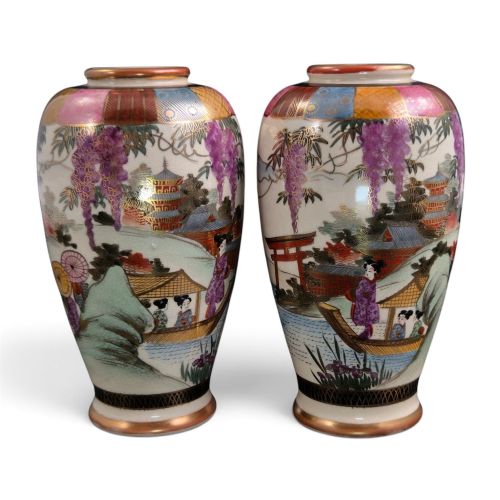
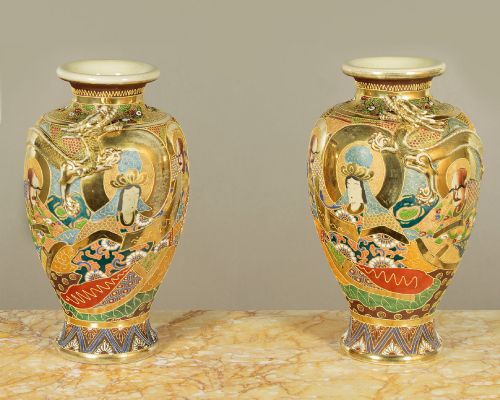
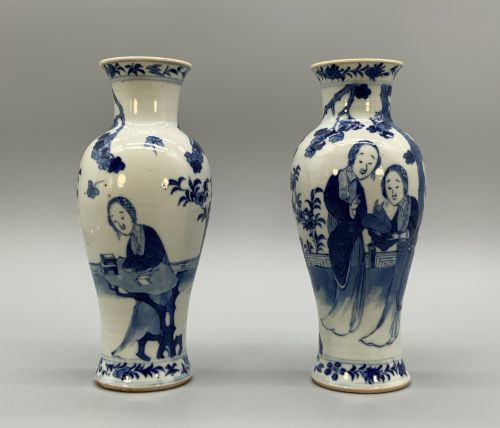
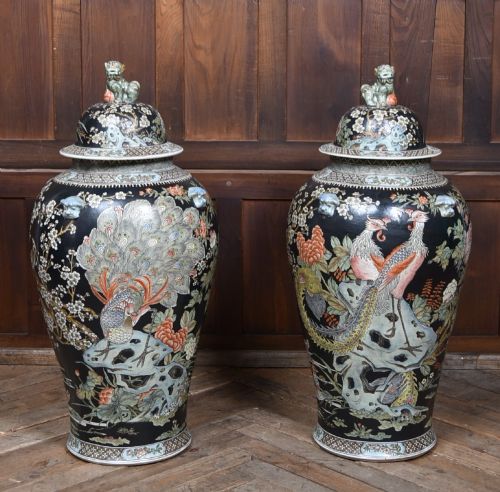
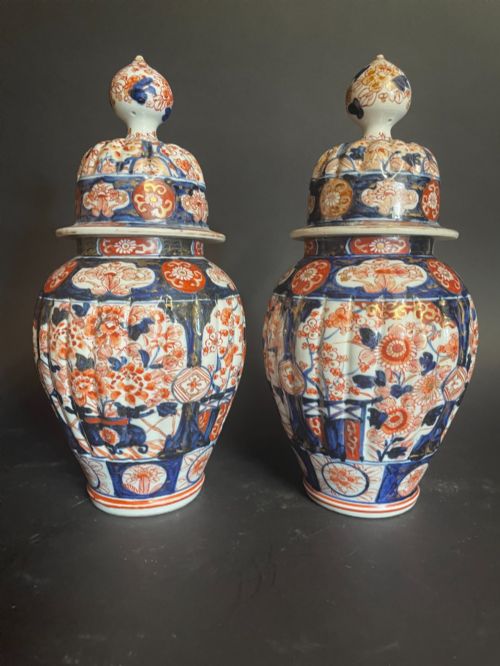
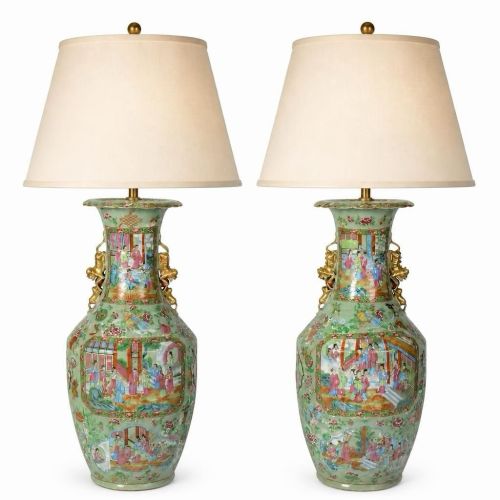
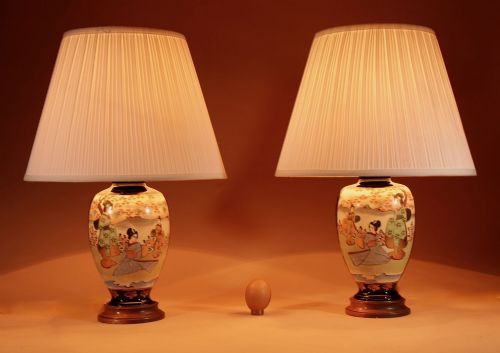
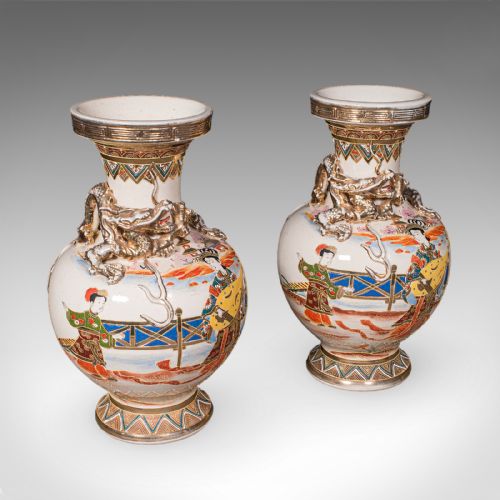
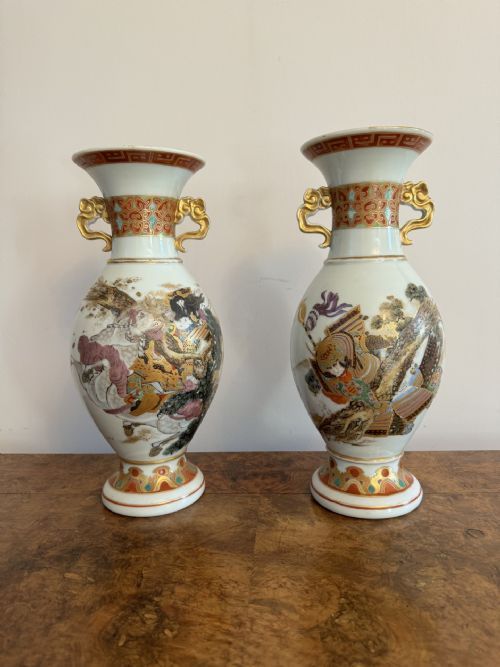
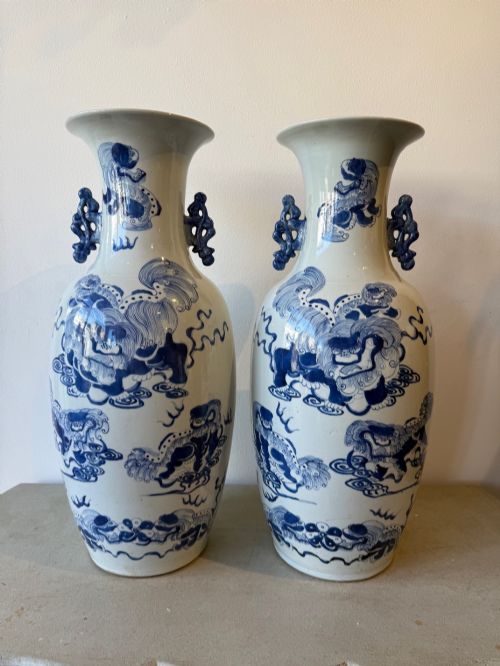
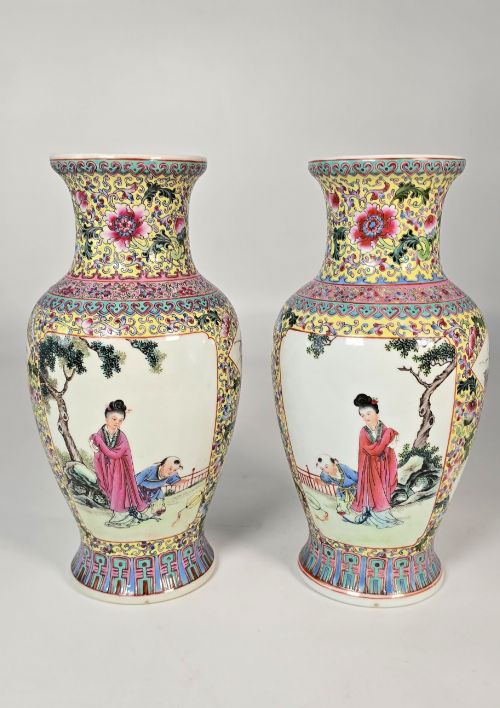
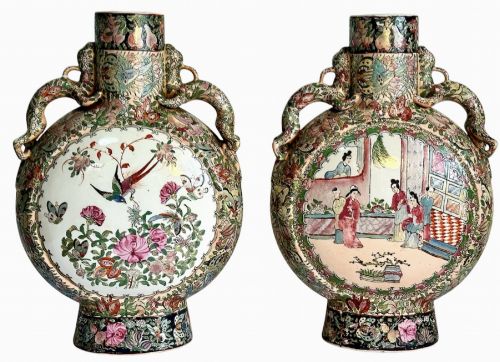
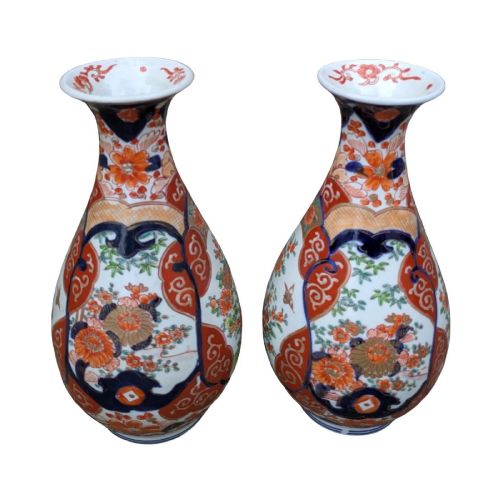
When searching for pair oriental porcelain vases, collectors encounter dual vessels designed for symmetry, primarily taking the form of baluster bodies, lidded jars, and floor vases originating from nineteenth and early twentieth-century workshops. The selection here leans heavily towards Japanese Satsuma earthenware and Imari palettes, alongside Chinese blue and white, famille rose, and monochrome porcelain.
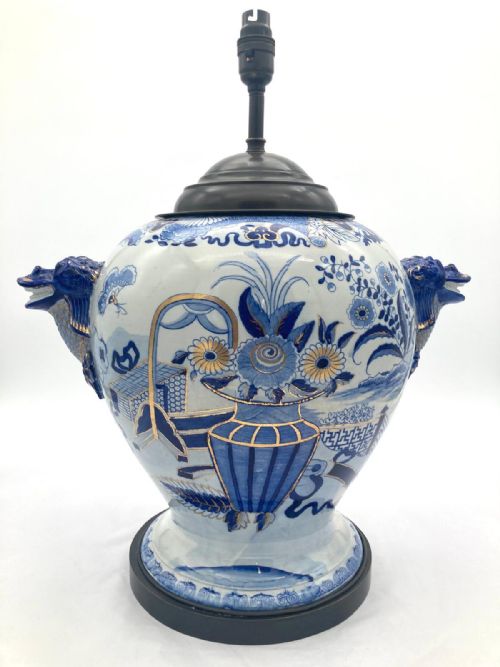
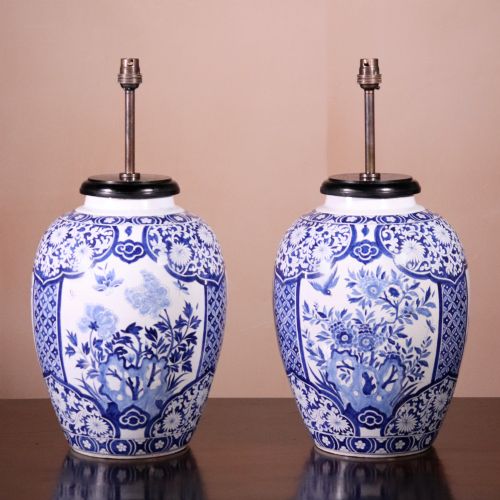
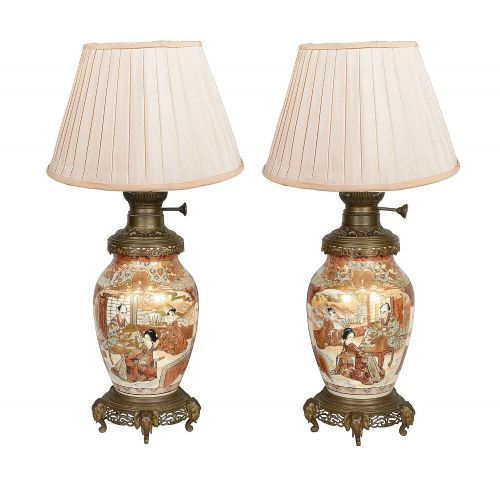
These pairs frequently manifest as decorative ornaments or repurposed table lamps fitted during later periods. The forms range from modest cabinet pieces to monumental palace jars and floor-standing containers.
Originating predominantly across the Meiji period, Qing dynasty, and subsequent Republican and Edwardian eras, these matching vessels reflect traditional export production intended for Western interiors.
How they were made
Potters shaped the clay on the wheel or pressed it into moulds to form the ceramic and earthenware bodies before applying base glazes. Artisans then hand-painted the surfaces utilising cobalt blue pigments, polychrome enamels, and gold leaf highlights.
Many items underwent multiple firings in kilns to fix the underglaze blue work and the subsequent overglaze enamels and gilding. Selected pieces incorporate additional structural elements such as brass mounts, wood bases, or ormolu fittings.
Some towering floor jars stand taller than an average umbrella stand, demanding dedicated clearance.
What varies in quality
The standard of a pair depends on the precision and fineness of the hand-painted brushwork, particularly in complex figural scenes or dense floral motifs. Crisp definition in the enamels and controlled application of gold leaf elevate certain workshops above standard commercial output.
The integrity of the matching pair, original lids, and the balance of the proportions heavily influence the standing of the pieces. Signatures from recognised Kyoto or Tokyo makers further distinguish superior examples from unmarked production.
Manpei Kobe·Kinkozan Kyoto·Kato Sanhei
The Pair Oriental Porcelain Vases Glossary
- Satsuma
- A type of Japanese earthenware featuring a crackled pale ivory glaze decorated with polychrome enamels and raised gold. This ware was widely produced for export during the nineteenth and early twentieth centuries.
- Imari
- A traditional style of Japanese porcelain originating from Arita, characterised by a distinctive palette of underglaze blue, iron red, and gold. Designs often incorporate floral and brocade patterns.
- Famille Rose
- A major palette of Chinese porcelain ceramics introduced in the Qing dynasty, defined by a range of opaque pink or rose enamel colours. The style depicts naturalistic floral sprays, birds, and figures.
- Baluster
- A vase form with a rounded body that tapers towards a narrow neck and flares at the rim. This traditional silhouette provides a stable base and decorative profile.
- Moon Flask
- A flattened circular ceramic flask featuring two small loop handles attached to the neck. The flat sides serve as primary panels for pictorial decoration.
Pair Oriental Porcelain Vases: Frequently Asked Questions
How are pair oriental porcelain vases cleaned?
Dust the surfaces gently with a dry, soft brush to protect delicate overglaze enamels and gold leaf highlights from abrasion. Avoid submerging older ceramic bodies in water, especially earthenware pieces with crackled glazes.
Keep them away from direct sunlight to preserve the vibrancy of the painted pigments over time.
Can converted lamp vases be restored?
Many items feature wiring threaded through drilled bases or fitted with brass mounts added during the twentieth century. Reversing these alterations requires specialist ceramic restoration and rewiring.
Most collectors choose to keep the functional lamp fittings if the conversion was executed cleanly in the past.
How do I identify Satsuma ware?
Satsuma pieces show a characteristic fine crackle network across the creamy earthenware body beneath intricate enamel and gold decoration. They feel slightly heavier and softer than high-fired porcelain.
Many bear artist signatures or workshop seals painted on the underside in gold or red iron.
What is the difference between Imari and Satsuma?
Imari items are hard-paste porcelain decorated in blue, red, and gold with a ringing tone when tapped. Satsuma vessels are earthenware with a crackled opaque glaze and dense pictorial enamel work.
Both styles were produced extensively in Japan for the export market during the nineteenth century.