

Pair of Wall Brackets
When you search for a pair of wall brackets, you encounter architectural supports and ornamental display shelves crafted to project from vertical surfaces.
Pair of Wall Brackets
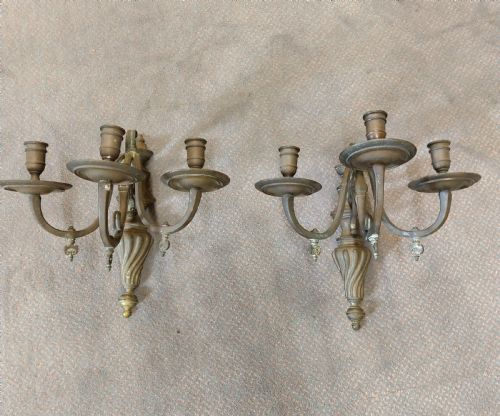
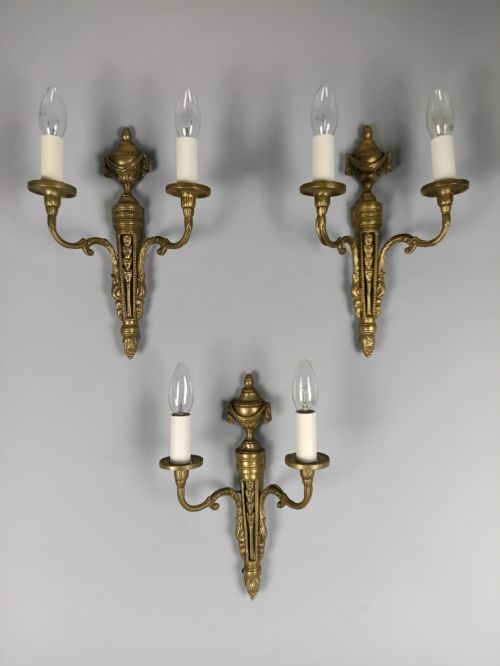
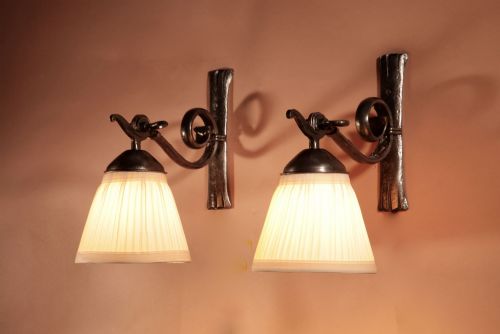
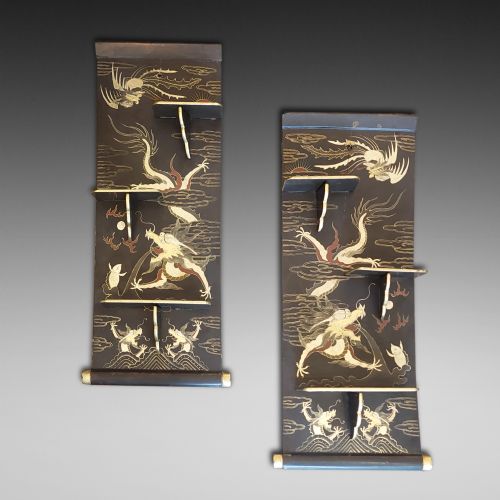
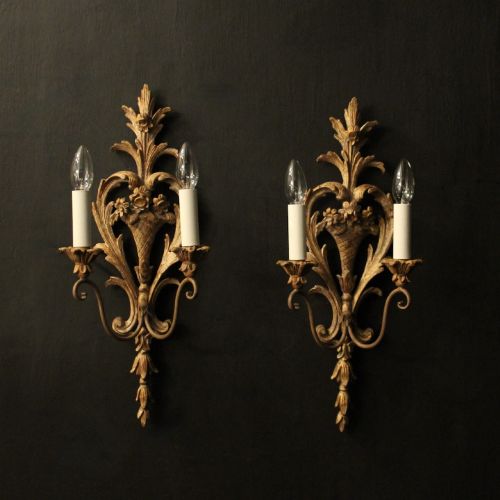
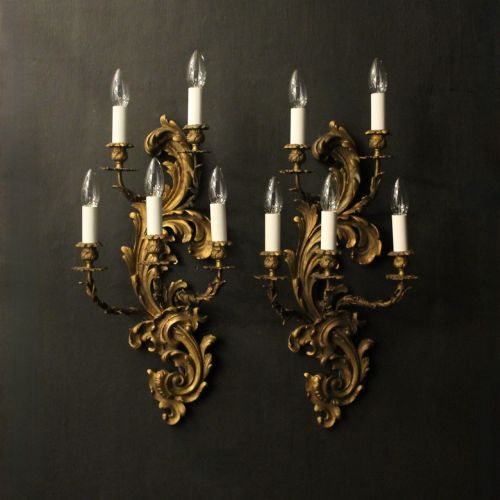
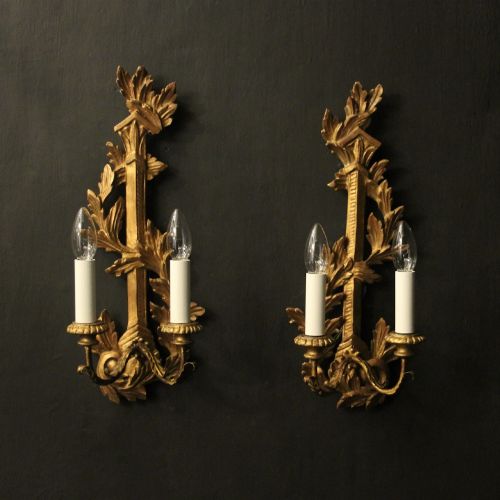
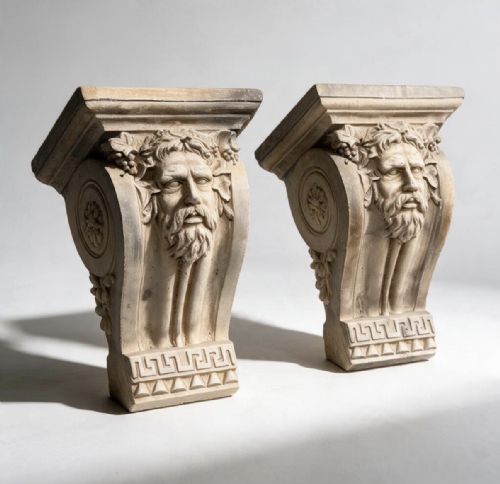
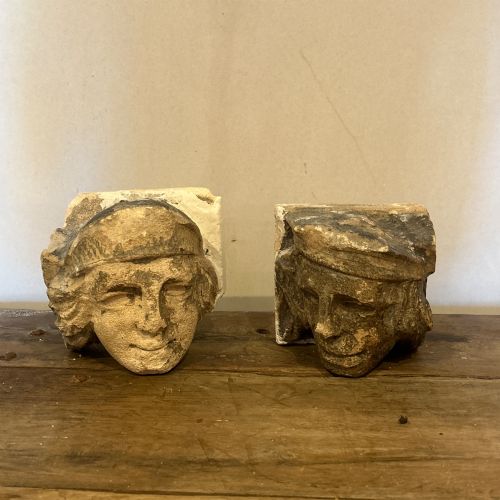
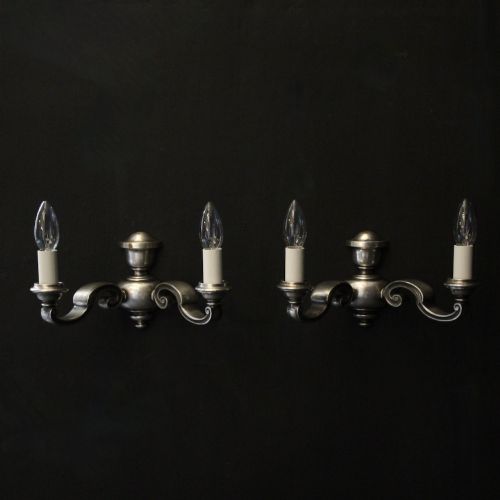
When looking for a pair of wall brackets, buyers encounter items ranging from functional architectural supports and corbels to decorative display shelves and candle-bearing sconces. The pieces span periods from the fifteenth century through the Victorian era up to the 1930s, reflecting diverse international aesthetics.
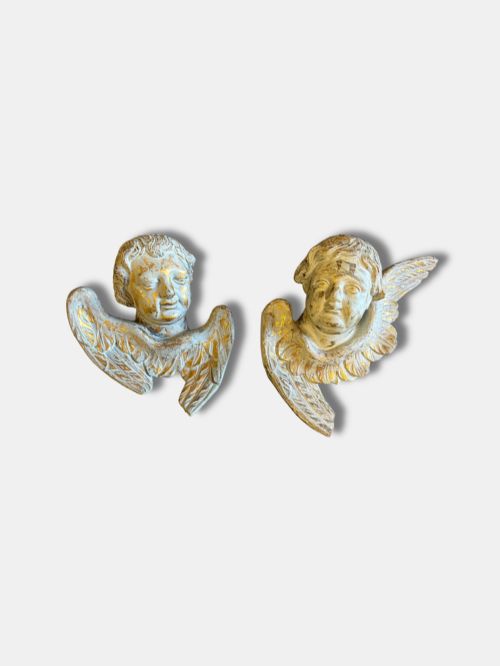
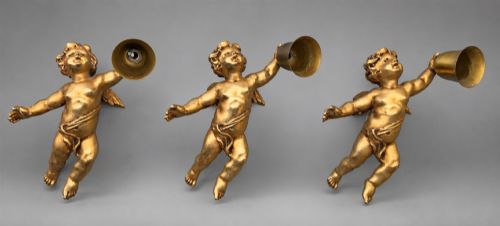
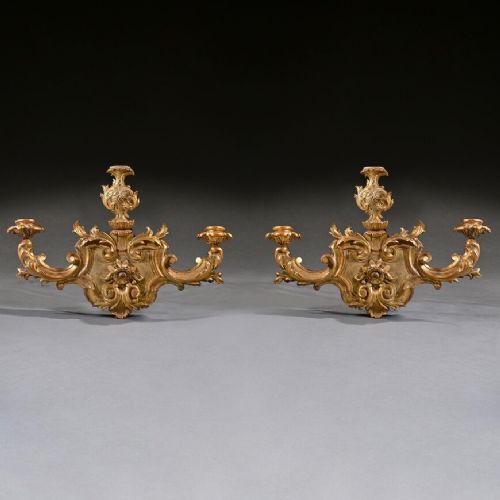
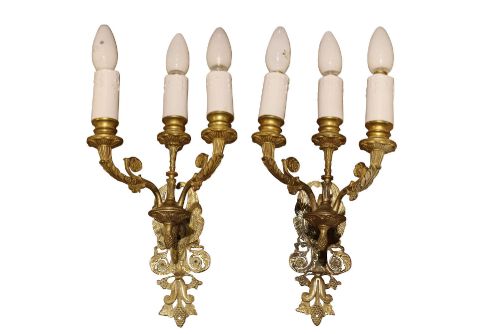
The selection includes carved wooden ledges, giltwood consoles, porcelain cherub corbels, and metal light fittings designed to mount directly onto walls. Common stylistic revivals appear alongside period originals, showing influences from French Rococo, Italian Neoclassical, and Arts and Crafts design.
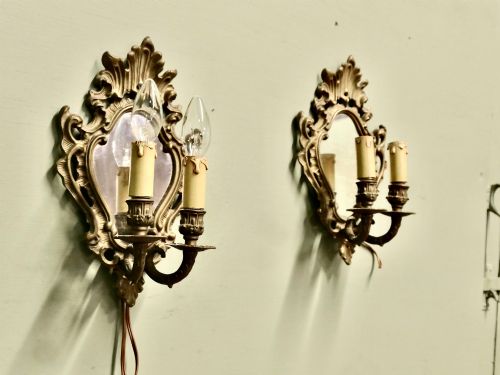
Wooden and gilt examples often serve to display small sculptures, clocks, or porcelain, while metal and glass variants function as primary or accent lighting. The heavier architectural elements, such as limestone corbels and oak brackets, originally bore structural loads before entering the decorative market.
Evaluating craftsmanship
Gilt pieces demonstrate quality through the application method, where genuine gold leaf burnished over gesso retains its brilliance better than modern metallic paint. In lighting and mixed-media brackets, integrated construction, original patination, and the retention of maker components distinguish superior examples from standard production.
Pair of Wall Brackets Retail Price Guide 2026
Typical asking prices for pair of wall brackets among the pieces listed under this phrase on Sellingantiques today, from the lower quarter to the upper quarter. They describe what is for sale here now, not the wider market.
Listings feature items spanning from the 17th century through the Victorian period up to 1930, utilising brass, giltwood, gesso, and carved oak.
F. & C. Osler·REVO Leicester·Meissen
The Pair of Wall Brackets Glossary
- Corbel
- A structural stone or wooden bracket projecting from a wall to bear weight. Early examples appear in medieval limestone.
- Giltwood
- Wood that has been coated with a thin layer of gold leaf. This technique was popular in French Rococo and Italian Neoclassical furniture.
- Ormolu
- Gilded bronze utilised extensively in French decorative arts and light fittings. The technique involves applying a mercury-gold amalgam to bronze.
- Girandole
- An ornamental branched wall light featuring a mirror backplate. The reflective glass multiplies the candle illumination.
- Caryatid
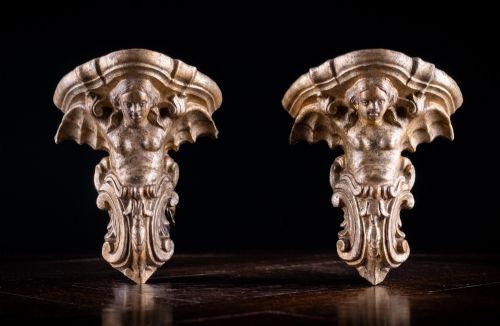
- A sculpted female figure serving as an architectural support. These appear carved in wood or cast in bronze on decorative brackets.
Pair of Wall Brackets: Frequently Asked Questions
What were wall brackets used for originally?
Historical examples served structural load-bearing functions or provided platforms to elevate lamps, candles, and decorative objects above floor level. Their placement allowed rooms to utilise vertical wall space for both illumination and display.
Over successive periods, the focus shifted from pure utility toward ornate interior decoration, resulting in elaborately carved consoles and mirrored sconces designed to catch ambient light.
How do I distinguish Victorian from 1930s pieces?
Victorian brackets often embrace heavy revival styles like Rococo, Gothic, or Baroque, utilising dense woods, hand-carved details, and cast brass. Pieces from the 1930s frequently show streamlined Arts and Crafts influences or mass-produced brass and copper wiring adaptations.
Examining the fastening methods, wood seasoning, and metal finishing techniques helps clarify the manufacturing era.
Can antique wall lights be wired safely?
Many metal and brass wall lights arrive with modern rewiring completed or ready for professional installation. Electric conversions respect the original brass, bronze, or silver-plated frames while accommodating contemporary safety standards.
Buyers should consult a qualified electrician to ensure compatibility with household wiring before mounting.