
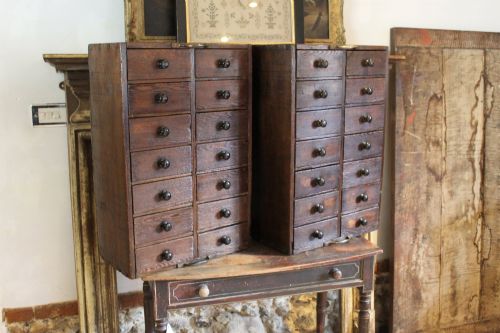


Pair of Collectors Chests
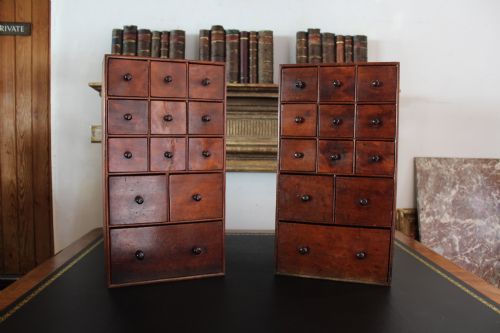
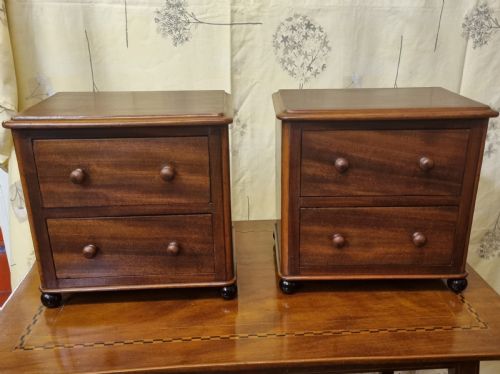
A matching pair of collectors chests offers symmetrical display and storage for specimens, geological samples or small treasures.
Pair of Collectors Chests
A pair of collectors chests comprises twin modular units designed for housing natural history specimens, geological samples, or small antiques, typically featuring multiple shallow drawers. When you search for a pair of collectors chests, you encounter matching forms spanning the seventeenth century to the twentieth century, with Victorian examples appearing most frequently.
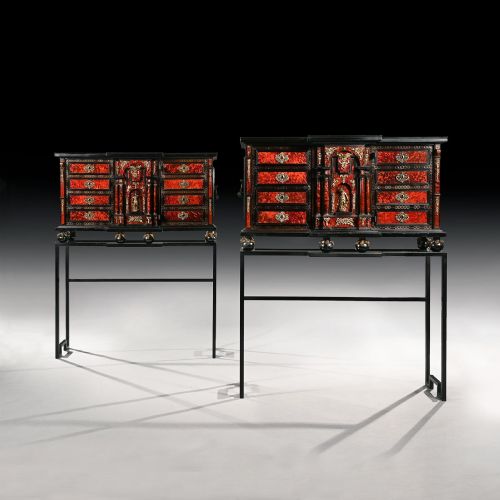
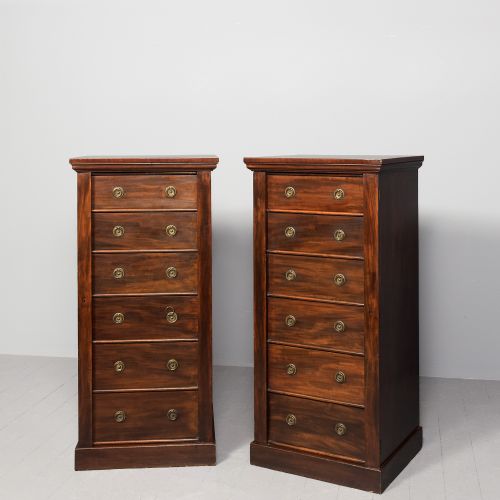
The configurations range from tabletop specimen cases and bedside chests to substantial cabinets on stands and Wellington chests. These pairs originate from diverse cabinet-making traditions, incorporating domestic walnut and mahogany alongside specialist housings for botanical, entomological, and medical collections.
Makers constructed these twin pieces to provide orderly segregation for delicate items while maintaining a balanced decorative presence within a study or library. The survival of matching pairs indicates initial commissioning for substantial country houses or institutional study rooms where symmetry mattered.
Materials and construction methods
Cabinet makers utilised dense timbers such as mahogany, walnut, and ebonised wood to build rigid frames that protect delicate internal contents from humidity and warping. Solid construction methods ensure the numerous small drawer dividers remain square and true over centuries of opening.
Surface ornamentation involved brass mounts, gilt bronze, and tortoiseshell veneers applied to structural hardwoods, particularly in Spanish Baroque and Victorian examples. Drawers frequently incorporate fine dovetail joints and glass viewing panels to allow inspection without handling fragile contents.
Listings demonstrate a concentration of nineteenth-century Victorian pieces, alongside seventeenth-century Spanish Baroque and early twentieth-century examples.
Distinctions in craftsmanship
The standard of a pair of collectors chests rests upon timber selection, such as figured mahogany or burr walnut veneers, and the precision of the internal drawer construction. Superior examples display tightly fitted dust lips, perfectly square multi-drawer matrices, and original lock mechanisms that operate smoothly across both chests.
Decorative ambition separates utilitarian storage from high cabinet-making, evidenced by integrated stands, gilt bronze mounts, and tortoiseshell panels. Matching pairs demand consistent timber grain and identical proportions between the two pieces, reflecting unified workshop production.
D Napier and Sons·Standish
The Pair of Collectors Chests Glossary
- Wellington chest
- A tall, narrow chest of drawers secured by a locking hinged side pilaster that fastens over the drawer edges. This form originates from the nineteenth century and provided secure storage for documents or specimens.
- Specimen cabinet
- A piece of furniture fitted with numerous shallow drawers specifically designed for organising natural history collections. These often include glass-topped lids or dust-proof internal construction.
- Standish
- A portable stand or cabinet holding writing equipment, inkwells, or small collectors items. Examples from the nineteenth century often incorporate multiple small drawers for storage.
- Ebonised wood
- Timber treated with a dark chemical stain or paint finish to imitate expensive ebony. This technique gained popularity during the seventeenth century and returned in later Victorian revival pieces.
- Burr walnut
- Timber harvested from walnut tree growths, producing swirling, intricate grain patterns prized for decorative veneer work. Cabinet makers applied these veneers to primary drawer fronts for visual impact.
Pair of Collectors Chests: Frequently Asked Questions
What were collectors chests used for?
These specialised chests held natural history specimens, including geological samples, botanical pressings, and ornithological or entomological collections.
Collectors also utilised them for organising coins, medals, and microscope slides safely away from light and dust.
How do I date a pair of chests?
Dating relies on secondary timber choices, drawer construction techniques, and distinct stylistic markers like brass hardware and locking mechanisms.
Victorian pieces show machine-sawn elements while seventeenth-century Spanish Baroque examples feature hand-cut joinery and heavy tortoiseshell mounts.
Why are they found in pairs?
Makers originally constructed matching pairs to furnish large libraries, museums, or estate studies with symmetrical storage units.
Commissioning twin cabinets allowed collectors to expand their holdings while maintaining a balanced interior design scheme.
How should I care for timber chests?
Keep wooden chests away from direct sunlight and fluctuating heat sources to prevent timber splitting and veneer lifting.
Apply traditional wax polish sparingly and maintain stable indoor humidity levels to preserve the original finish.