


Victorian Wooden Filing Cabinet
A victorian wooden filing cabinet is a practical piece of office furniture designed to organise papers, and buyers want one for its robust construction and period charm.
Victorian Wooden Filing Cabinet
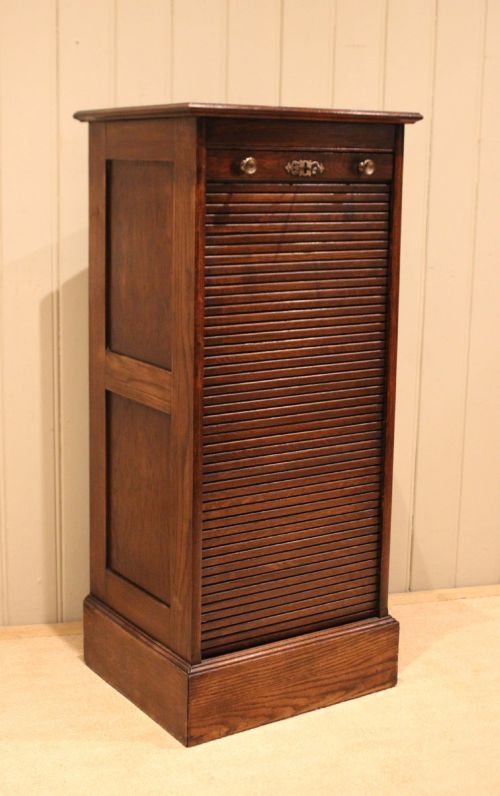
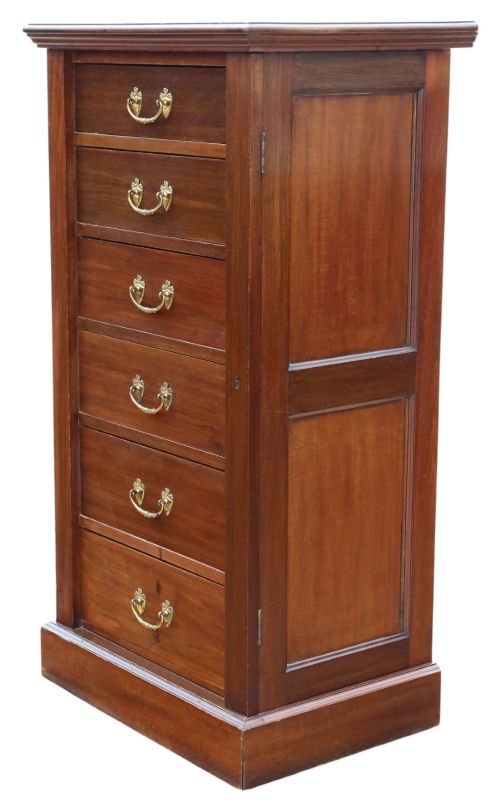
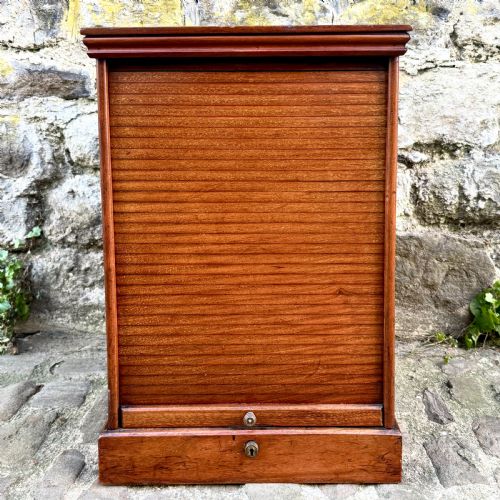
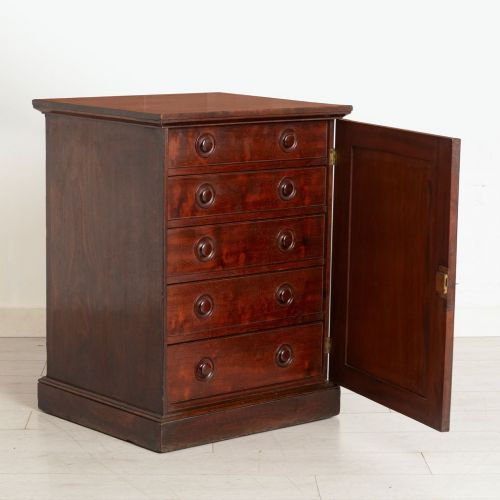
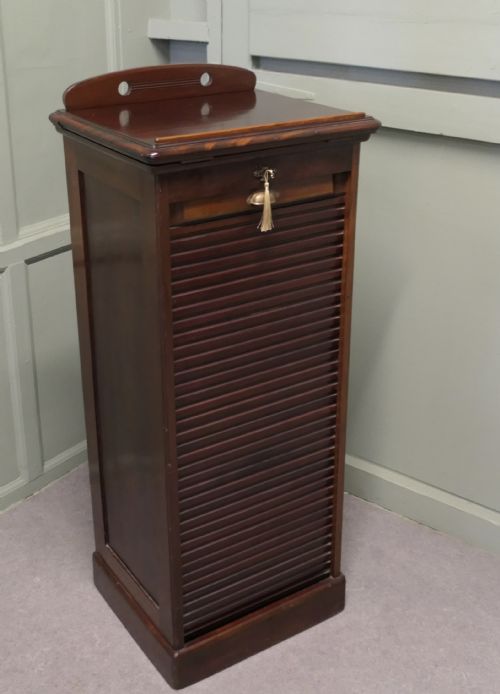
A victorian wooden filing cabinet serves as a functional storage solution for documents, ranging from single tambour front models to tall narrow chests. The selections span the nineteenth century into the Edwardian era, featuring banks of drawers alongside specialised letter files.
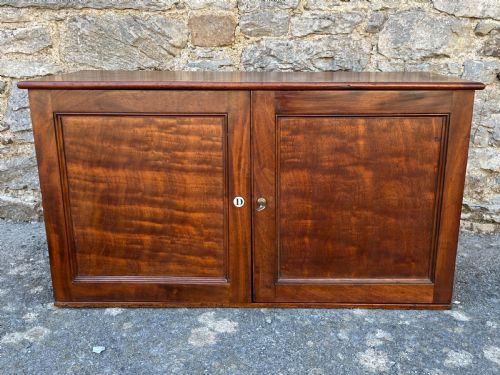
Most pieces encountered on this page originate from the Victorian period, constructed from sturdy timbers like oak, mahogany, and walnut. Alongside standard filing cabinets, buyers will find related forms such as music cabinets, collectors cabinets, and large banks of drawers.
How they were made
These cabinets rely primarily on dense hardwoods like oak, mahogany, walnut, and teak, often paired with secondary pine for internal drawer construction. Brass fittings, handles, and patent locking mechanisms provide both structural reinforcement and operational hardware.
Joinery techniques reflect traditional cabinet-making standards of the nineteenth century, utilising dovetailed drawers and panelled carcases. Specialised items integrate tambour slats or patent filing mechanisms to secure internal documents efficiently.
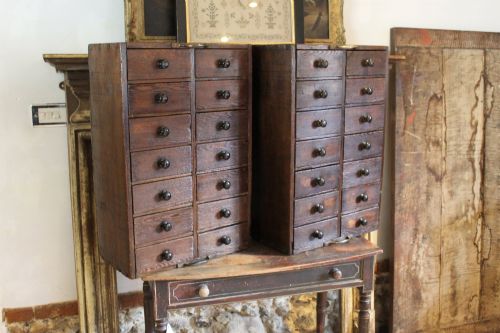
Watchmakers once utilised specialised tall banks of small drawers to keep tiny gears from rolling away forever.
What varies in quality
The standard of timber selection and figuring distinguishes finer pieces from utilitarian workshop storage, with highly figured walnut or polished mahogany representing the higher tier. Superior examples exhibit refined proportions, precise drawer graduation, and intact original brass furniture.
Mechanisms also dictate grade, where patented letter files and smooth-running tambour shutters demonstrate advanced manufacturing for their era. Simpler pine office cabinets and industrial banks of drawers prioritize robust utility over decorative timber choice.
Maple and Co·D Napier and Sons
The Victorian Wooden Filing Cabinet Glossary
- Tambour
- A flexible shutter door formed of narrow wooden strips glued to canvas, allowing it to slide smoothly around a curved track. This mechanism conceals the interior compartments of a filing cabinet.
- Wellington chest
- A tall, narrow chest of drawers secured by a locking hinged side pilaster that fastens over the drawer edges. These pieces typically feature six or more graduated drawers.
- Bank of drawers
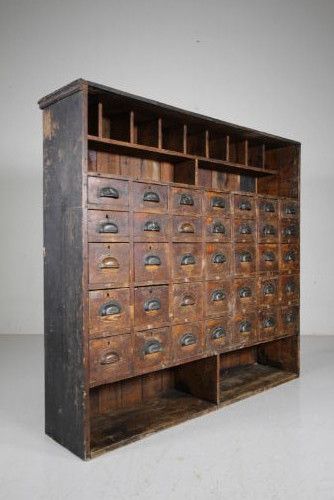
- A large multi-drawer carcass utilised in offices, shops, or workshops for sorting documents and small items. They appear in dense timbers such as oak, teak, and pine.
- Graduated drawers
- A series of drawers arranged vertically where the depth decreases progressively toward the top of the cabinet. This design offers varied storage capacities within a single elevation.
- Patent cabinet
- A storage unit incorporating a specific, legally protected filing system invented to improve document organisation. Examples include specialised letter files designed for rapid retrieval.
Victorian Wooden Filing Cabinet: Frequently Asked Questions
How do I use a vintage filing cabinet today?
These cabinets adapt easily to modern studies or home offices for organising stationery, paperwork, or craft supplies. The shallow drawers suit documents and letters while deeper banks handle larger supplies.
Ensure the cabinet sits level on the floor to prevent the drawers from binding in their runners. Regular waxing maintains the polished timber surfaces against everyday wear.
What woods were used for these cabinets?
Cabinetmakers employed dense hardwoods such as mahogany, oak, walnut, teak, and rosewood for the main exterior surfaces and drawer fronts. Pine frequently appears as a secondary timber for internal framing and drawer carcasses.
Selected pieces feature highly figured veneers over solid carcases to enhance the visual grain pattern. Brass hardware and cast iron elements complete the structural assembly.
How do I tell a Victorian filing cabinet apart from Edwardian ones?
Victorian pieces tend to utilise heavier timbers with rich, dark finishes and deep mouldings, reflecting mid to late nineteenth-century tastes. Edwardian variants often display lighter oak tones and simpler, more restrained Arts and Crafts influences.
Patent mechanisms and specific hardware markings also help establish the approximate decade of manufacture. Consulting the overall silhouette and drawer arrangement provides further clues to the period.
Are these cabinets suitable for standard paper sizes?
Many period cabinets accommodate historical paper formats and letters rather than modern office paper dimensions. Specialised A4 collectors cabinets and patent letter files offer specific internal configurations.
Buyers should check individual internal drawer dimensions before planning modern document storage. Some multi-drawer chests require minor adjustments to house contemporary folders safely.