

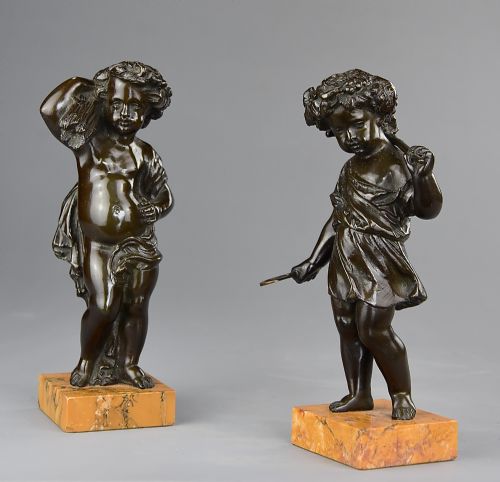
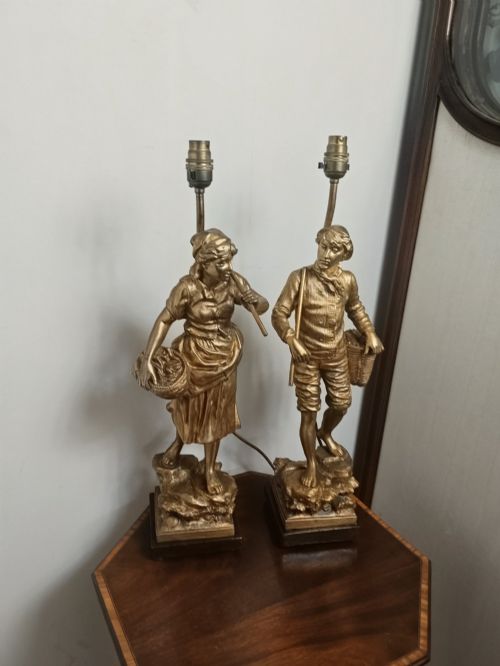
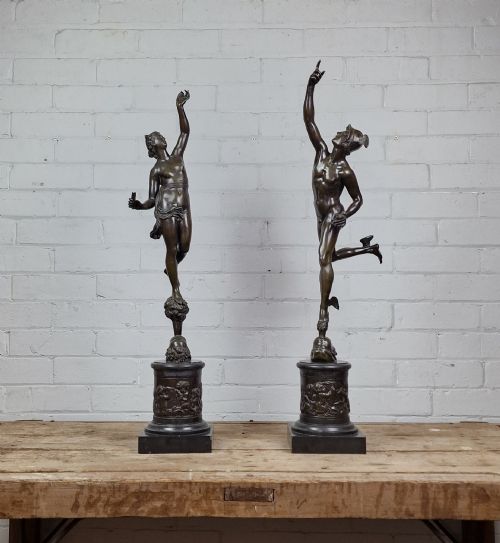
Pair of Bronze Figures
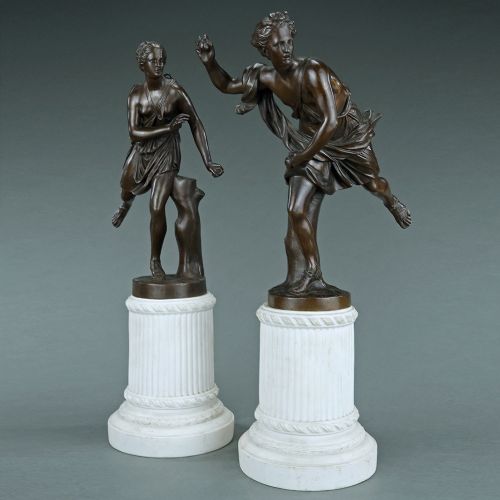
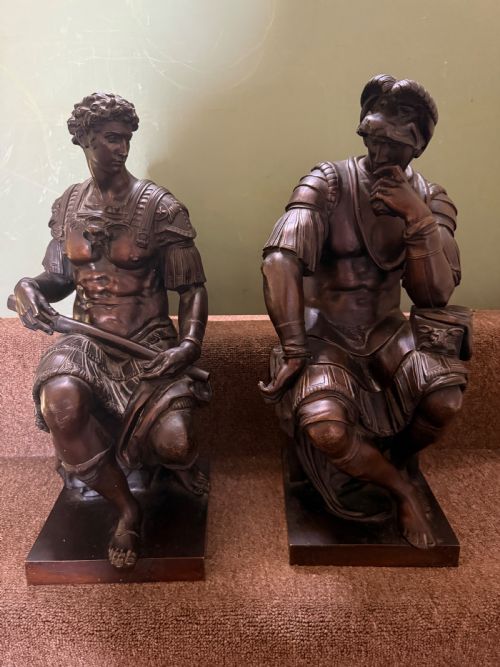
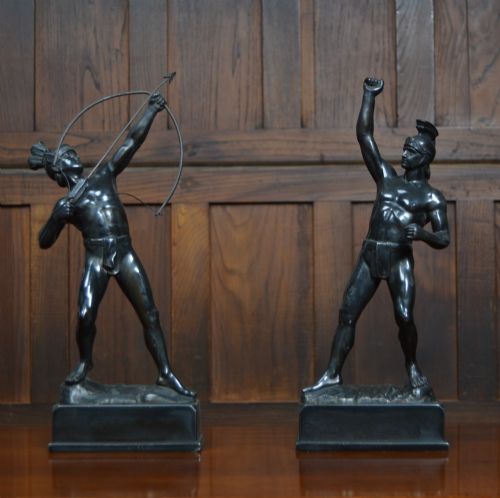
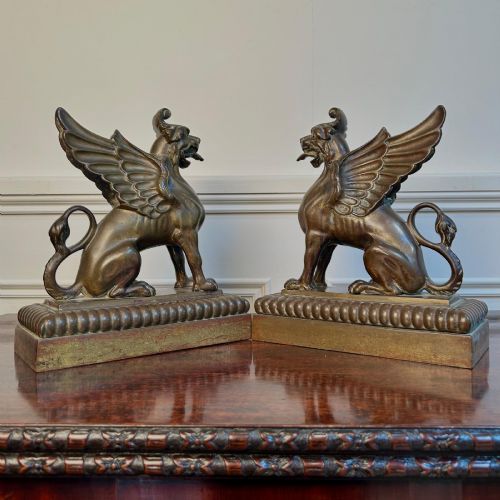
These pair of bronze figures bring classical mythology, grand tour souvenirs, and allegorical subjects directly into domestic display.
What pair of bronze figures are
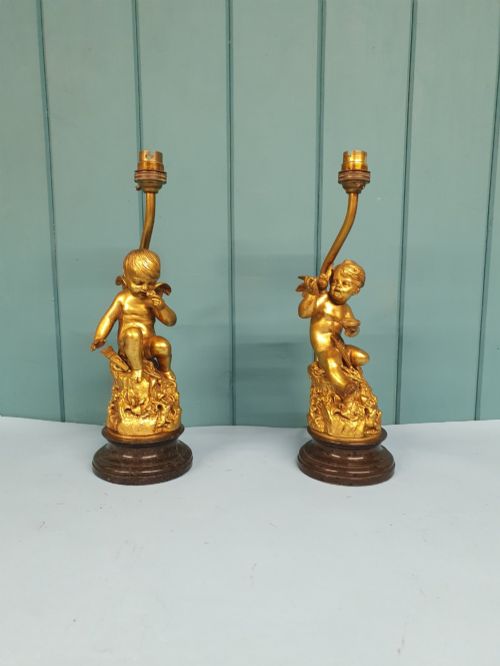
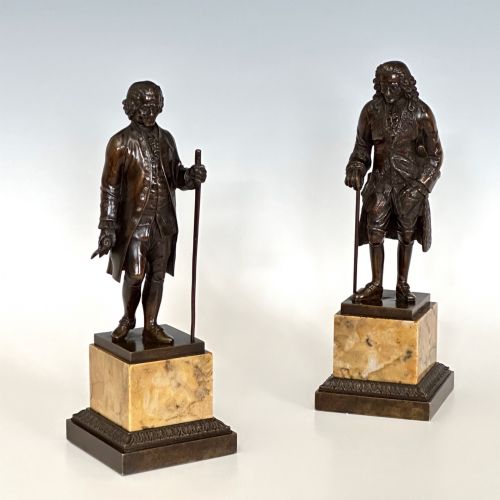
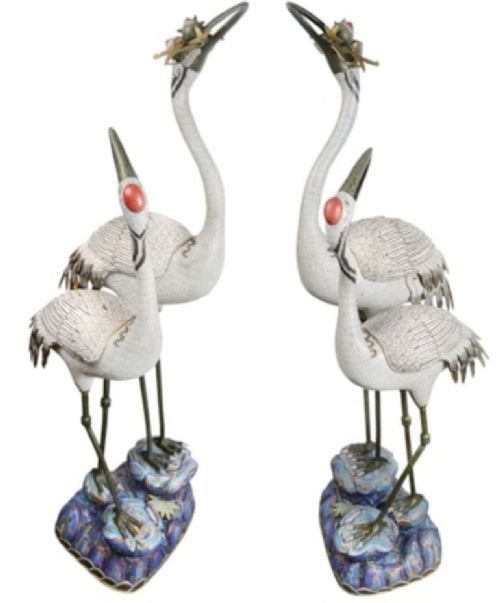
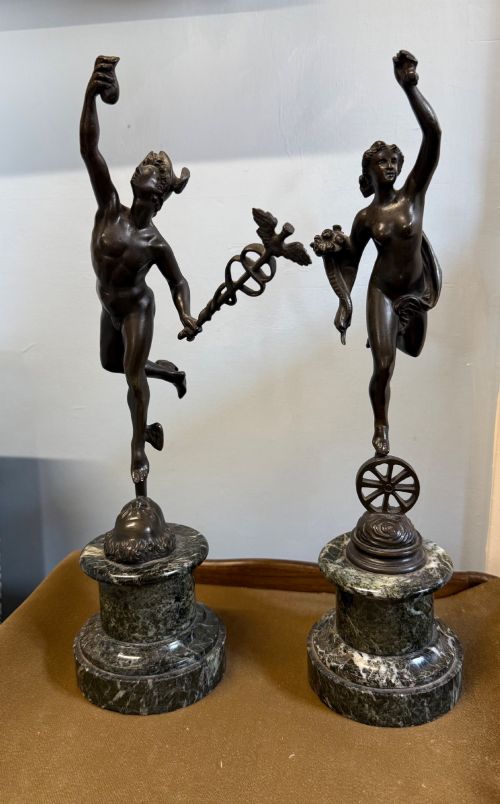
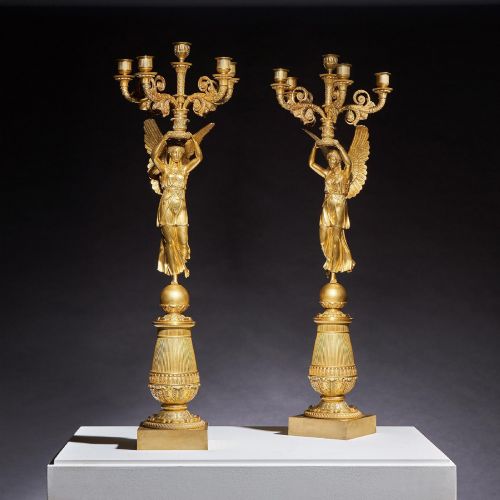
A pair of bronze figures represents dual subjects designed for symmetrical placement, frequently depicting mythological deities, allegorical seasons, or historical personages. When you search for this phrase, you encounter works spanning the nineteenth century alongside early twentieth century interpretations.
The subjects range from classical figures like Mars and Minerva to Grand Tour souvenir reductions after Michelangelo and Italian masters. French workshops and English makers alike produced these matching compositions for mantelpieces and pedestals.
How they were made
Foundries utilised the lost wax technique or sand casting to shape molten metal into complex anatomical and drapery forms. Artisans then applied chemical patination, gilding, or ormolu highlights to achieve varied surface finishes.
Certain examples incorporate contrasting materials such as carved ivory, marble bases, or brass details to accentuate the sculptural composition.
Retail Price Guide 2026
Typical UK retail prices for pair of bronze figures, calculated from the Sellingantiques database of over a million retail prices indexed since 2003. This retail price guide relies exclusively on Sellingantiques data; no external sources or auction records are used, so the figures do not describe the wider market.
Mansion dwarves occasionally made an appearance as bronze figures, bringing domestic merriment to European hallways.
What varies in quality
The nuance of the patination and the fidelity of the reduction from the original source material separate standard foundry output from masterworks.
Barbedienne·Gotthilf Jaeger·Charles Cumberworth·Albert Ernest Carrier-Belleuse·Joseph D’Aste·Auuste Moreau·Louis Sauvageau·Jean-Louis Gregoire·Sylvain Kinsburger·Emile Louis Picault
The Pair of Bronze Figures Glossary
- Patinated bronze
- Metal treated with chemical solutions to produce a specific surface colour, ranging from deep brown to greenish tones. This finish protects the alloy and defines the visual depth of the sculpture.
- Grand Tour
- Souvenir objects acquired by travellers touring cultural centres in Italy and Europe during the nineteenth century. These reductions reproduce famous classical sculptures and Renaissance monuments.
- Ormolu
- Finely ground high-carat gold mercury-gilded to a bronze base object. This technique creates a rich golden surface often paired with darker patinated elements.
- Spelter
- A zinc alloy utilised as an economical alternative to bronze during the nineteenth century. Figures cast in this material often received a bronze-coloured coating to imitate heavier metal.
Frequently Asked Questions
What do pair of bronze figures typically depict?
These matching sculptures most often portray classical deities, historical characters, allegorical seasons, or literary figures in symmetrical poses. Subjects like Mars and Minerva or Mercury and Fortuna appear frequently.
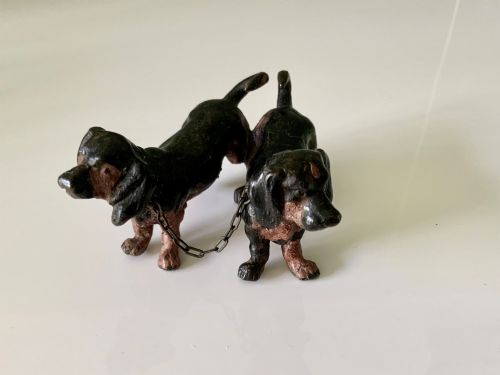
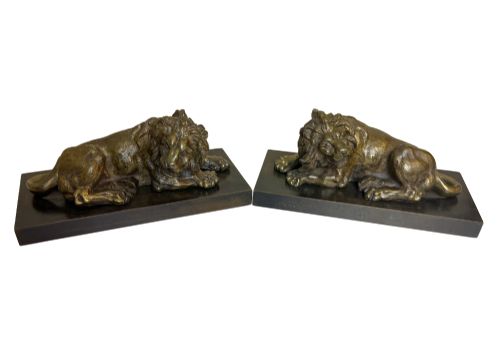
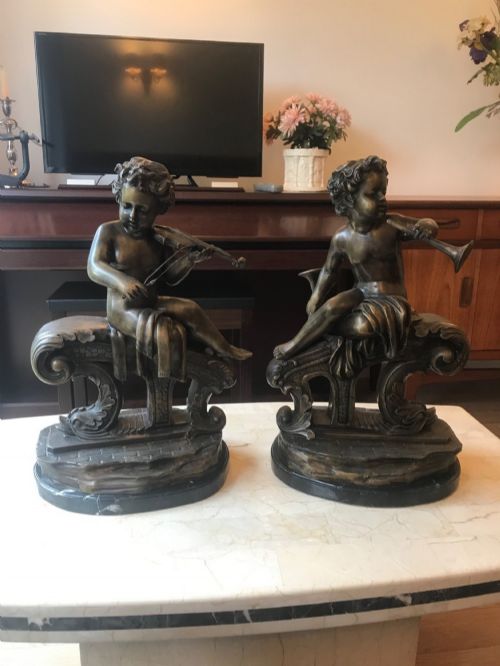
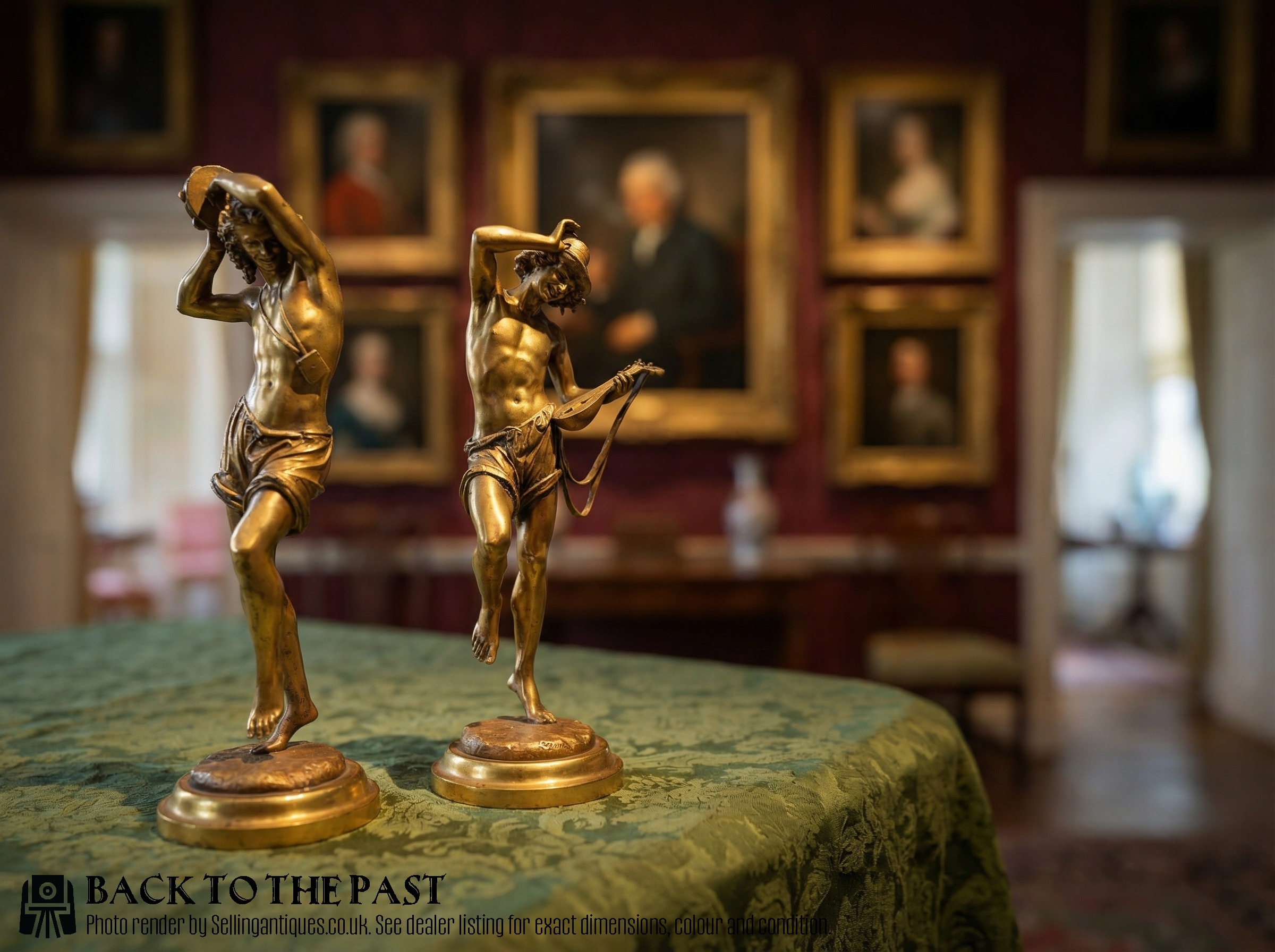
Foundries also issued animal studies, such as the Marly horses, alongside genre figures depicting musicians, farm workers, and theatrical characters.
How do I distinguish bronze from spelter?
Bronze exhibits greater weight, a resonant metallic sound when tapped gently, and a durable composition that resists bending. Spelter feels lighter and softer to the touch.
Examining the underside or areas where the surface finish has worn away reveals the paler, greyish base metal of spelter beneath the patination.
Where were most pair of bronze figures made?
French foundries produced a large portion of these matched sculptures during the nineteenth century, working in centres like Paris. Italian workshops specialised in Grand Tour souvenir bronzes for foreign travellers.
English and German foundries also contributed notable casts, often signing the bases or incorporating foundry seals into the metal.
How should I care for antique bronze figures?
Dust the surfaces regularly with a soft, dry brush to prevent particulate accumulation within the recesses of the casting. Avoid liquid cleaners or polishes that strip the original patinated finish.
Position the pieces away from direct sunlight and damp environments to preserve the stability of the metal and any integrated marble or ivory elements.