

Pair of Bronze Cherubs
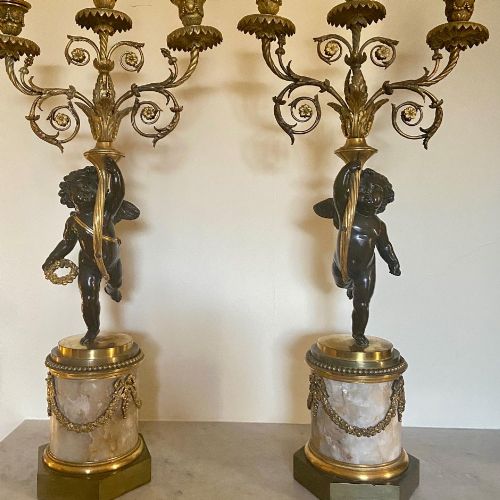
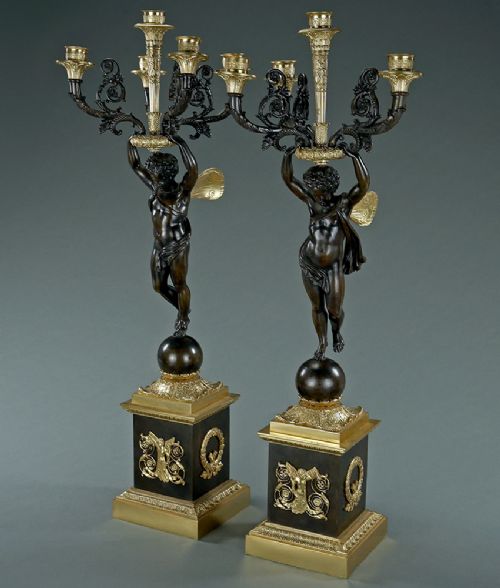
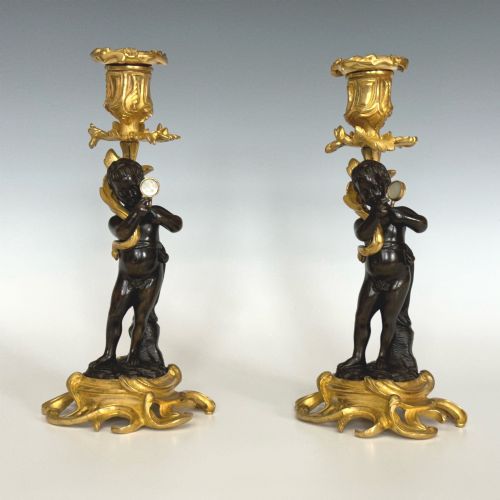
A pair of bronze cherubs brings neoclassical grace and French refinement to interior spaces through figural candelabra, chenets and mantel ornaments.
Pair of Bronze Cherubs
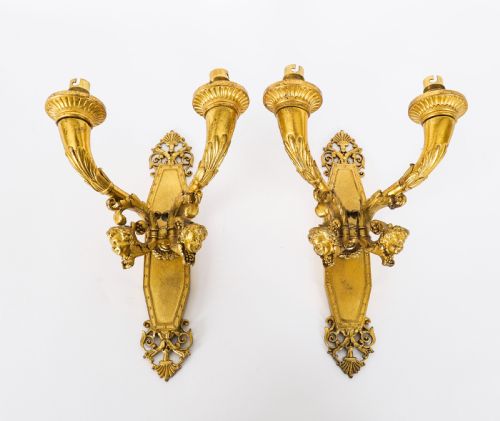
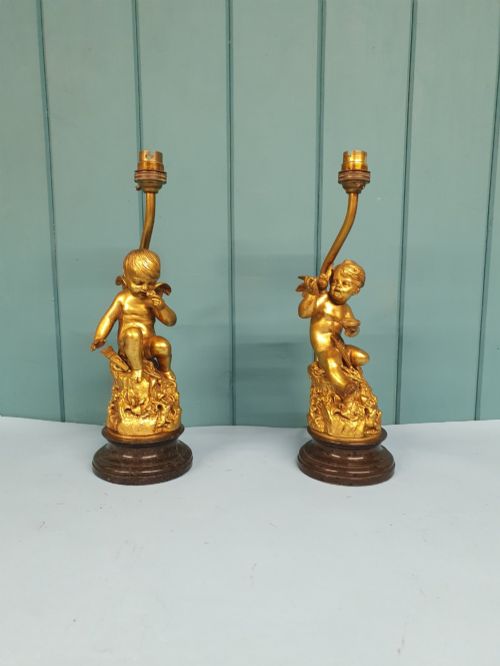
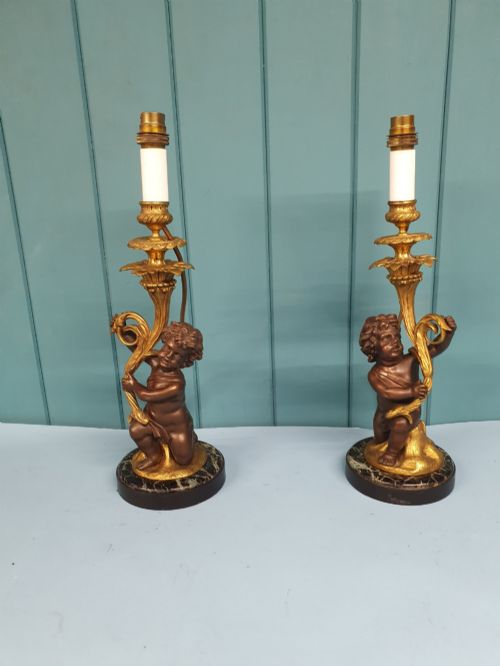
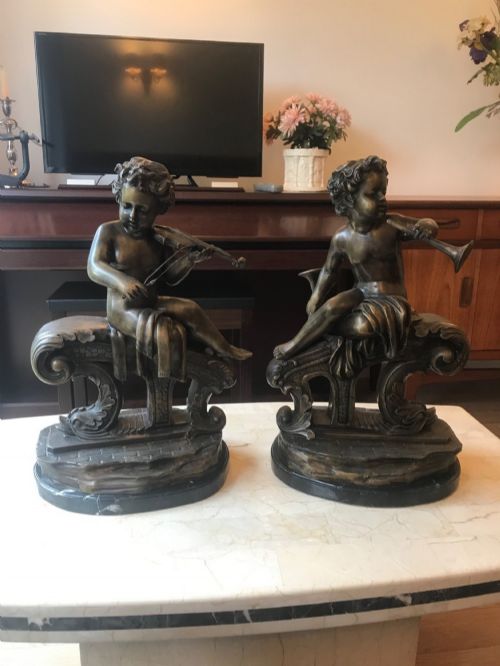
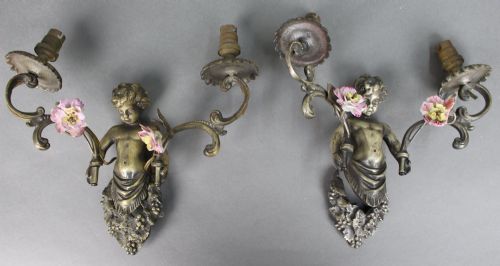
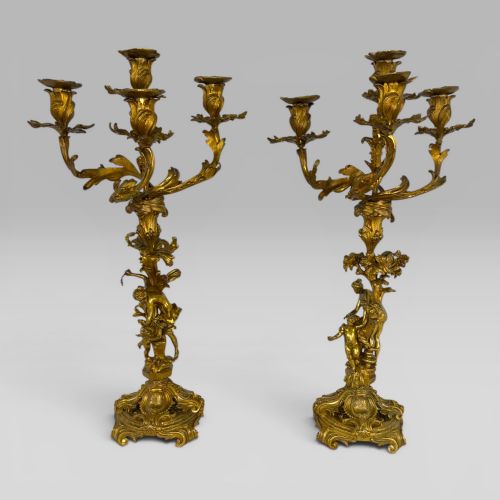
A search for a pair of bronze cherubs reveals figural metalwork spanning the eighteenth, nineteenth, and early twentieth centuries, dominated by French and Italian domestic ornament. Buyers commonly encounter candelabra, wall lights, and sculptural figures mounted on marble bases, reflecting classical revival tastes.
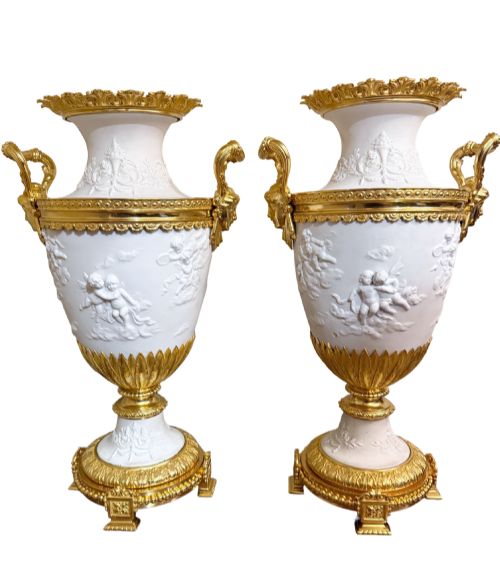
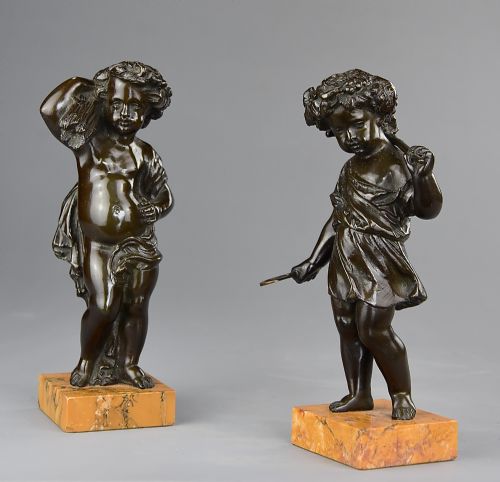
The objects frequently depict winged putti, cupids, or allegorical children engaged in music, harvest, or playful pursuits. These pieces often follow established neoclassical or rococo designs associated with continental workshops and Grand Tour souvenirs.
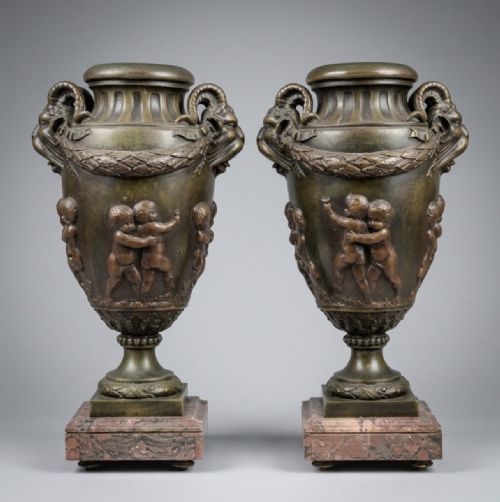
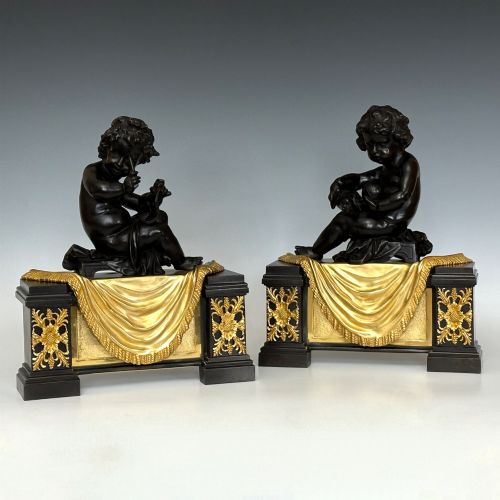
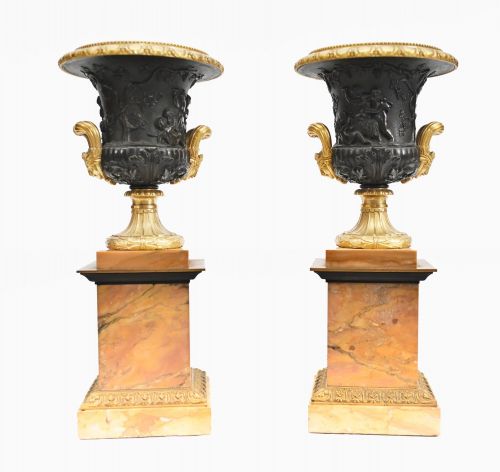
Examples range from utilitarian lighting supports, such as candlesticks and table lamps, to decorative fireplace accessories like chenets and fire dogs. Architectural wall sconces and decorative urns also feature heavily within this category.
Casting and finishing methods
Foundries utilised traditional lost-wax or sand-casting techniques to shape the metal components, producing detailed figures that were subsequently chased by hand. Spelter and cast iron appear alongside genuine bronze in alternate production tiers.
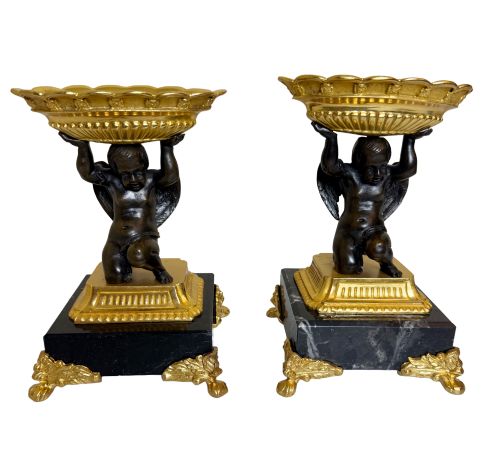
Surface treatments define the visual character of the pieces, pairing patinated dark bronze with bright ormolu highlights and gilded accents. Marble plinths and porcelain floral elements frequently provide structural contrast to the metalwork.
Cherubs occasionally pose alongside crocodiles, cats, and dogs.
Evaluating craftsmanship and execution
The integration of materials dictates overall merit, seen in heavy fire-gilt ormolu, dense statuary marble bases, and sturdy structural joints rather than loose components or thin plating.
Claude Michael Clodion·Francois Redmond
The Pair of Bronze Cherubs Glossary
- Ormolu
- Gilded bronze produced by applying a mercury-gilding amalgam to a base of cast bronze. This technique creates a durable, warm golden finish characteristic of French decorative arts.
- Chenets
- Decorative metal fire dogs placed horizontally on the hearth to support logs. They often incorporate figural cherubs and matching ormolu mounts.
- Putti
- Depictions of chubby, winged male infants derived from classical art. They appear frequently as musicians, harvesters, or companions to mythological figures.
- Candelabra
- Branched lighting fixtures designed to hold multiple candles simultaneously. Nineteenth-century versions often feature central cherub figures supporting the candle arms.
Pair of Bronze Cherubs: Frequently Asked Questions
What periods do these pieces date from?
The selection spans primarily from the late eighteenth century through the nineteenth century and into the early twentieth century. Nineteenth-century revivals of earlier French styles dominate the available items.
Earlier examples from the eighteenth century appear alongside Grand Tour souvenirs and later revival pieces from the eighteen-eighties and nineteen-twenties.
How were these figures used originally?
Many items served practical lighting functions in period salons as candelabra, wall sconces, and table lamps. Others functioned as decorative ornaments on mantelpieces, urns, or fireplace hearths.
Figural groups also functioned as bookends, clock mounts, or architectural embellishments within formal domestic interiors.
What is the difference between bronze and spelter?
Bronze is a heavy alloy of copper and tin that accepts fine detail and patination well. Spelter is a cheaper zinc alloy used as a substitute for bronze in later manufacturing.
Spelter pieces are lighter in weight and frequently show surface wear where the bronze-coloured paint has chipped away from the grey metal beneath.
How should I clean ormolu and bronze?
Dust surfaces gently with a soft, dry cloth to prevent the accumulation of dirt within recessed areas. Avoid chemical cleaners, metal polishes, or abrasive cloths which strip the original gilding and patina.
Professional conservation is recommended for pieces requiring deeper cleaning or structural repairs to fragile marble and metal joints.