


Pair French Side Tables
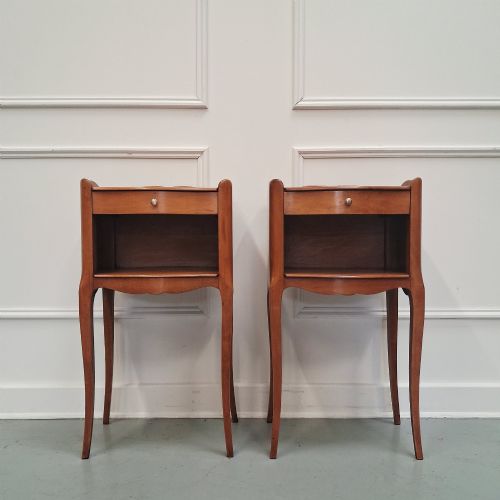
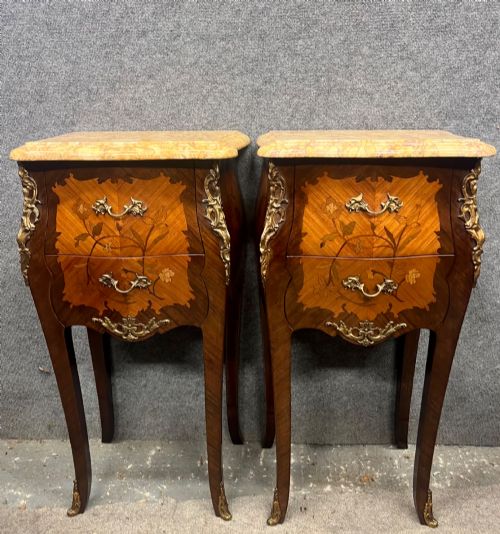
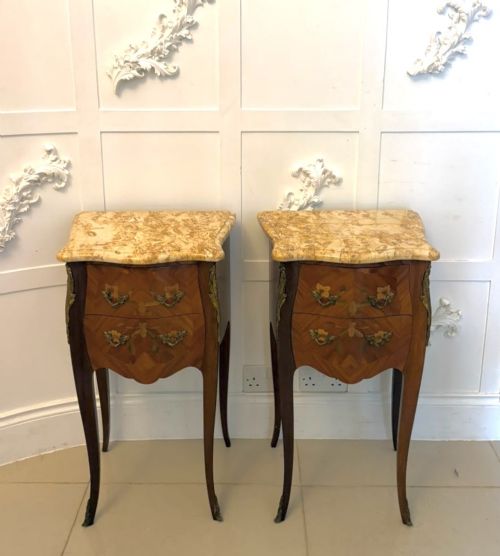
Pair french side tables bring balanced symmetry to a room, offering matched surfaces and concealed storage shaped by continental cabinet-makers.
Pair French Side Tables
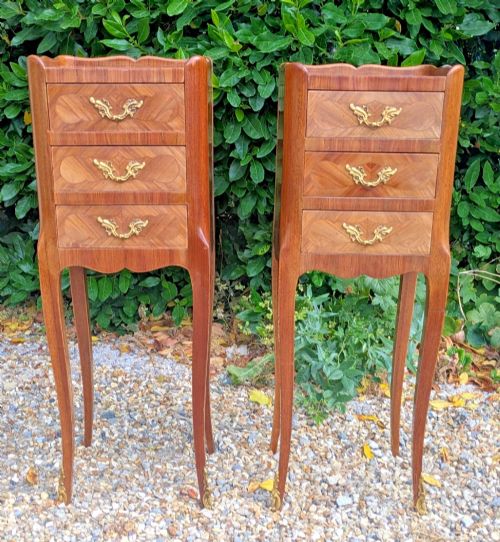
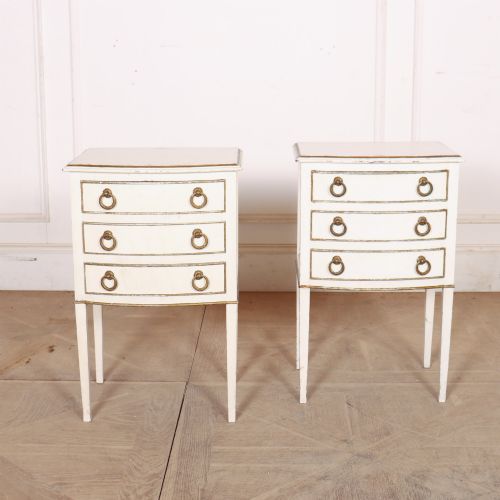
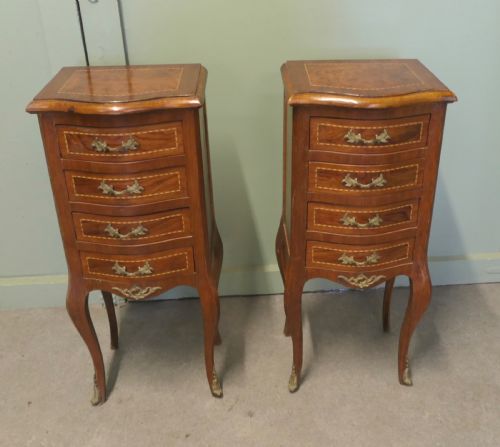
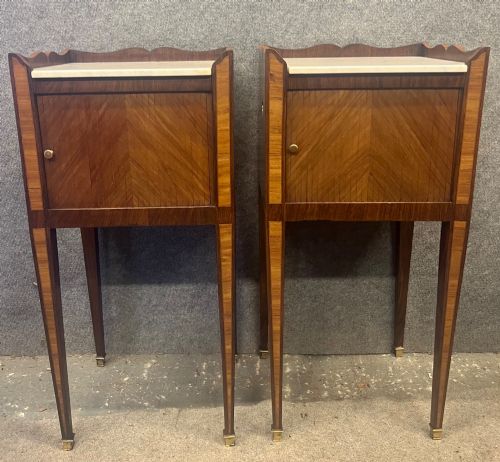
When searching for pair french side tables, buyers encounter a diverse selection of matched furnishings designed for symmetry in domestic spaces. These pieces primarily manifest as bedside chests, lamp tables, and compact cabinets originating from various periods between the nineteenth and twentieth centuries.
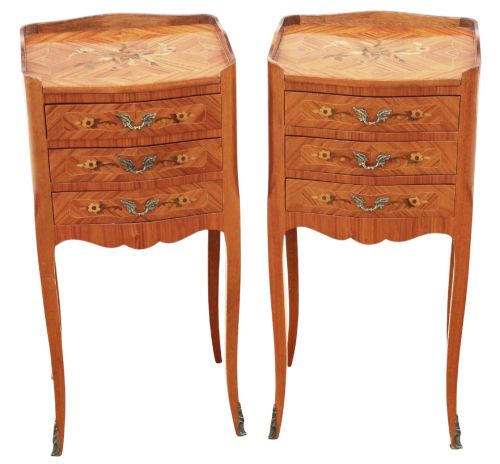
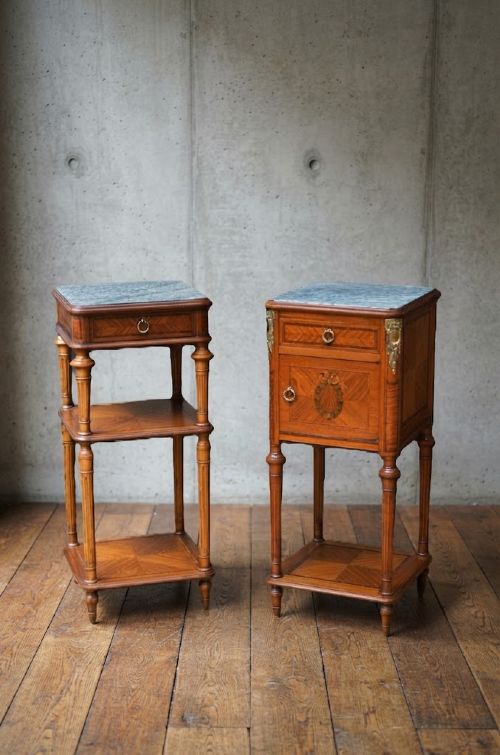
The most common examples on this page are twentieth-century variations, specifically from the nineteen-twenties and nineteen-thirties, featuring marquetry inlay or marble tops. Alongside these, nineteenth-century revival styles and Edwardian painted versions regularly appear to meet traditional interior requirements.
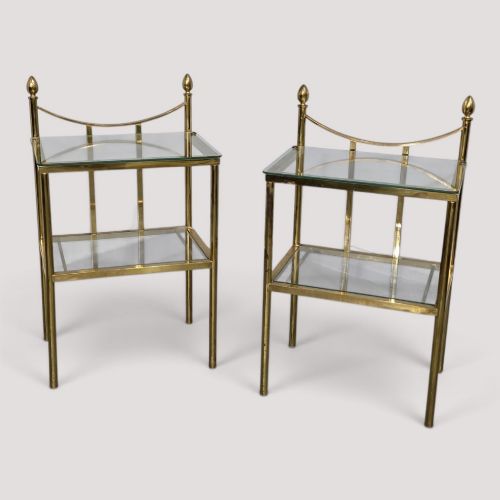
Forms extend beyond standard chests to include demi-lune tables, etageres, and small console pieces. Their shared characteristic is being manufactured as symmetrical pairs, offering practical tabletop space and compartmentalised storage suited for flanking beds or seating areas.
How They Were Made
Cabinet-makers utilised a foundation of solid timbers such as mahogany, oak, walnut, and cherry wood, often applying decorative veneers including kingwood, satinwood, and burr walnut across the exterior surfaces. Marquetry and parquetry techniques introduced geometric or floral patterns using contrasting wood types.
Marble tops, frequently inset into the upper surface of bedside cabinets and commodes, provided durable and decorative finishes. Ormolu and gilt bronze mounts were cast and applied to corners, handles, and legs, accentuating the contours of Louis XV and Neoclassical revival designs.
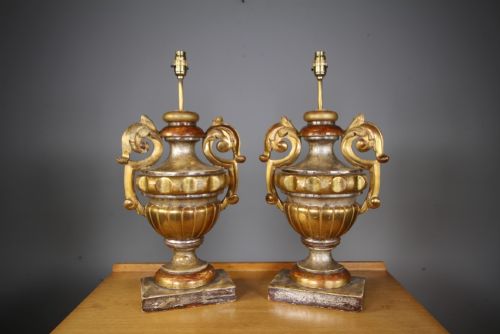
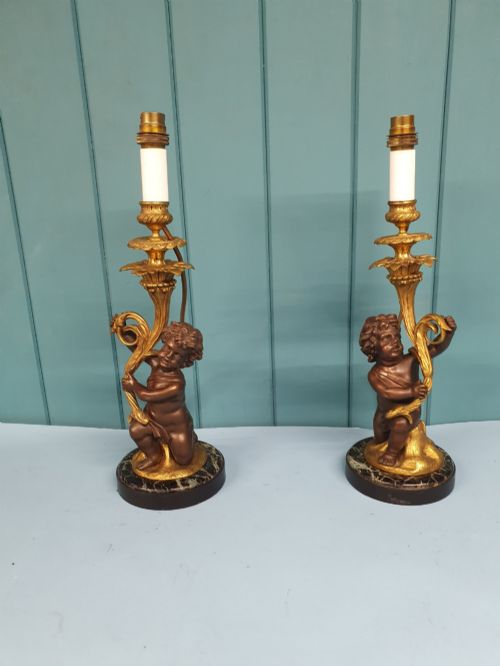
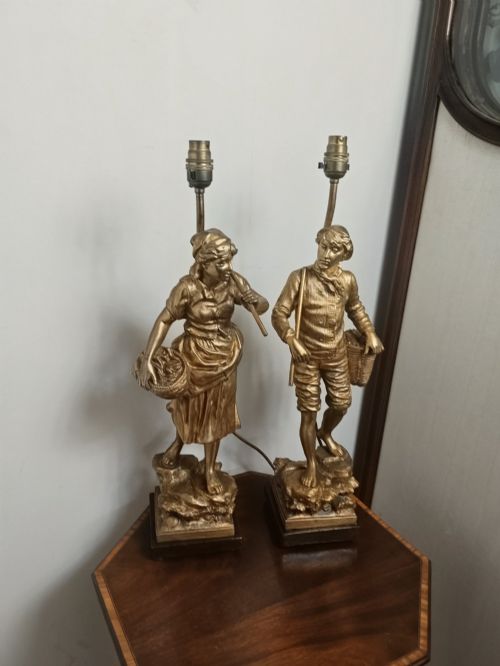
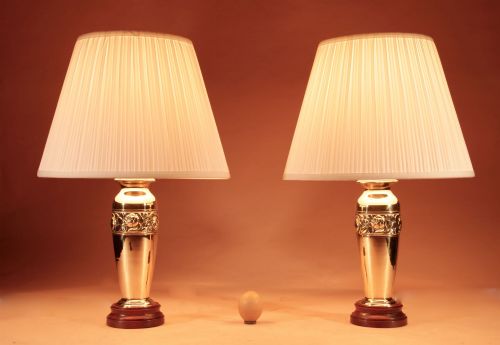
The selection includes functional lighting formats alongside furniture, encompassing carved pine urn lamps, brass candelabra conversions, and figural bronze pieces.
What Varies in Quality
The standard of execution depends heavily on the precision of the timber matching and the intricacy of the veneer work. Fine examples demonstrate seamless grain continuation across drawer fronts and precise hand-cut marquetry without gaps or filler.
Hardware selection and secondary detailing also distinguish finer specimens. High-grade items incorporate heavy cast ormolu mounts, solid marble slabs with well-finished edges, and traditional drawer construction using dovetail joints.
Krieger Paris·E. Kahn·E Rousseau
The Pair French Side Tables Glossary
- Marquetry
- A decorative technique where small pieces of veneer are assembled to form pictorial or geometric patterns on a wooden surface. This method was widely used on cabinet doors and drawer fronts.
- Ormolu
- Gilded bronze mounts applied to furniture for decorative enrichment. These metallic accents frequently highlight the corners and aprons of revival styles.
- Demi-lune
- Half-moon shaped furniture designed to sit flush against a wall. Such profiles are typical for small console and side tables.
- Bombe
- A swelling, outward-curved contour found on the sides and fronts of certain cabinets and chests. This curved profile requires advanced woodworking skill to execute properly.
- Etagere
- A set of open shelves used for displaying small items or lamps. These tiered tables provide accessible open storage surfaces.
- Vernis Martin
- A type of simulated Japanese lacquer developed in France during the eighteenth century. It involves applying successive coats of varnish to create a luminous painted finish.
Pair French Side Tables: Frequently Asked Questions
How do I use pair french side tables in a modern bedroom?
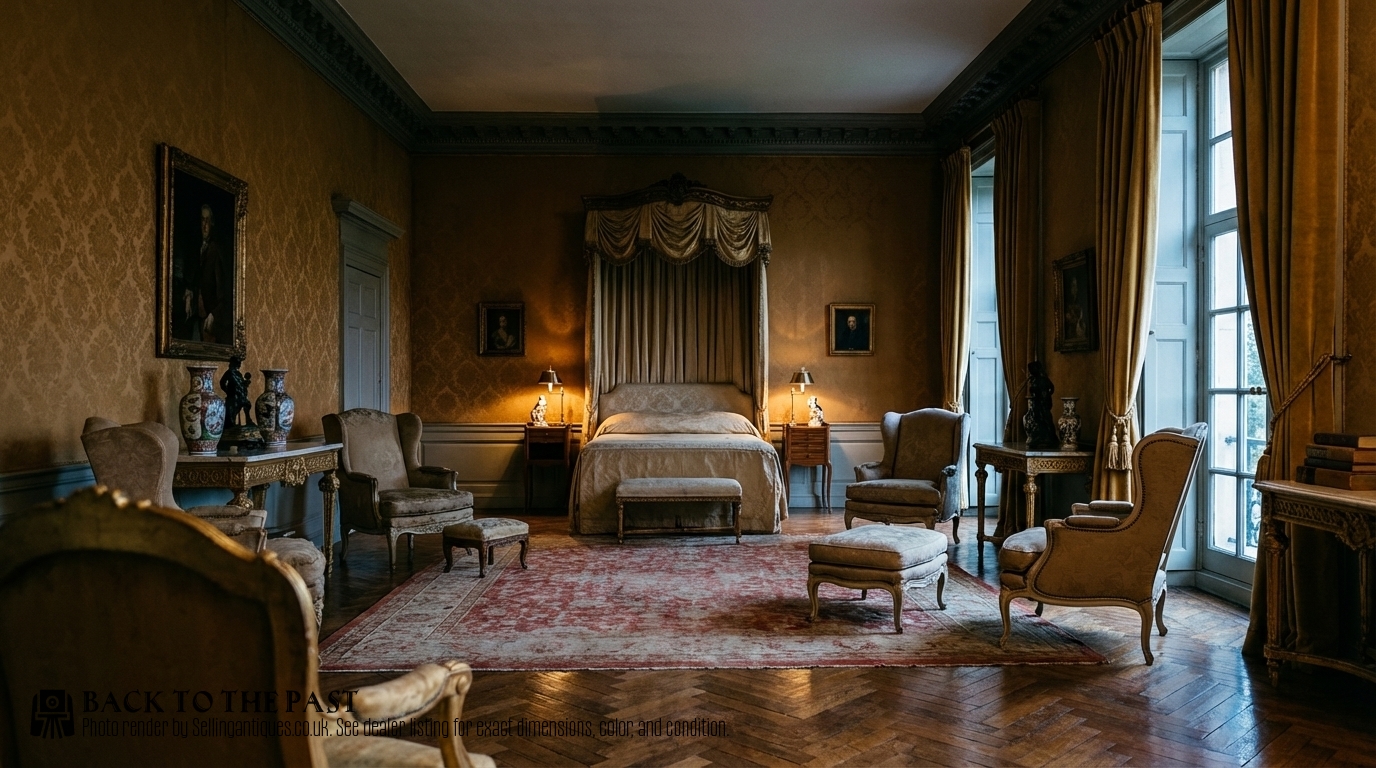
These matched cabinets serve effectively as bedside tables, providing surface area for lighting and concealed storage for night-time essentials. Their varied heights and proportions allow them to sit comfortably alongside contemporary or traditional bed frames.
Positioning them symmetrically creates a balanced focal point in the bedroom. Selecting marble-topped variants also introduces a resilient surface that resists water rings from drinking glasses.
What is the difference between a bedside cabinet and a commode?
Bedside cabinets generally feature a single cupboard door or a combination of a small drawer and cupboard space designed specifically for bedside use. Commodes are typically larger chest-of-drawers units with multiple stacked drawers.
While both forms appear in matched pairs, commodes offer substantially more internal volume for clothing and larger items. Cabinets remain more compact and tailored for restricted spaces beside furniture.
How do I distinguish Louis XV style from later revival pieces?
Louis XV style pieces are characterised by pronounced cabriole legs, asymmetrical scrollwork, and flowing serpentine outlines. True period items date to the eighteenth century, while revival pieces were produced in large numbers during the nineteenth and twentieth centuries.
Revival furniture often adopts the same curved profiles and ormolu mounts but can be identified through modern construction methods and secondary timber choices inside the drawers.
Are marble tops on these tables removable?
Most marble slabs on nineteenth and twentieth-century tables rest loosely within a rebated wooden frame on top of the cabinet. This loose fit allowed for easier transport and cleaning during the manufacturing era.
Heavier tops may be secured with subtle fixings underneath, but standard practice involves lifting the stone clear of the wooden chassis before moving the furniture piece.