
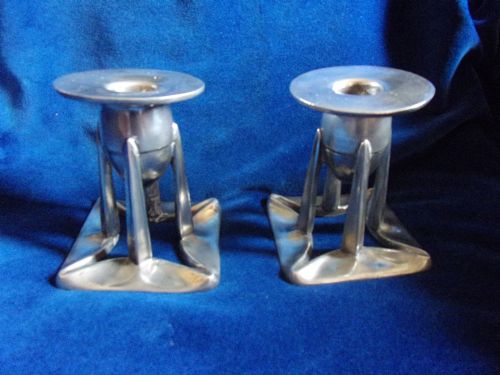

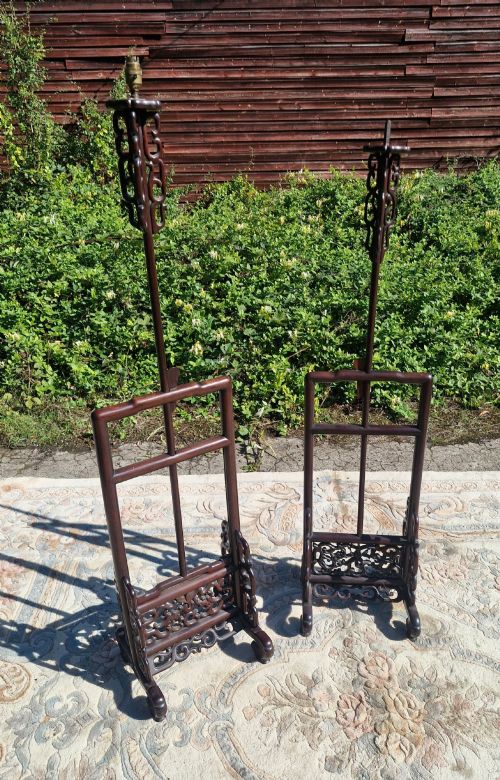
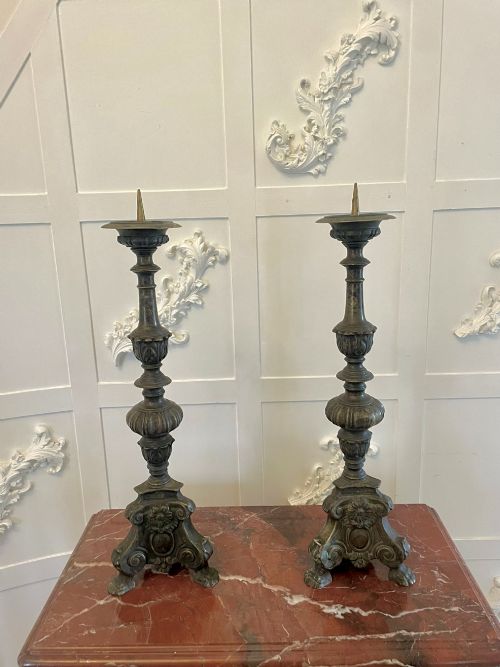
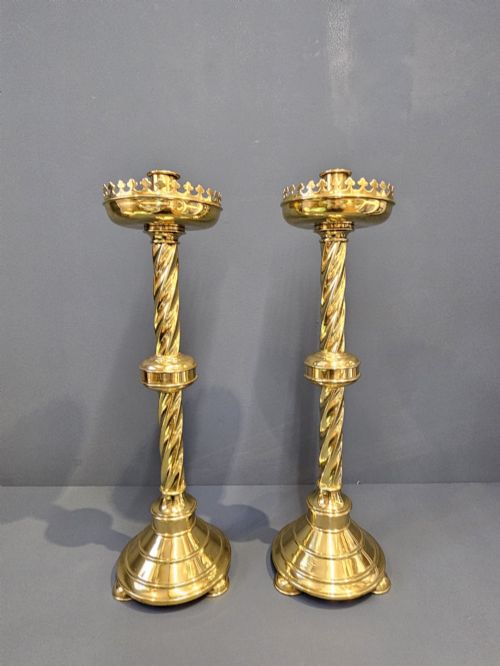
Pair Candle Stands
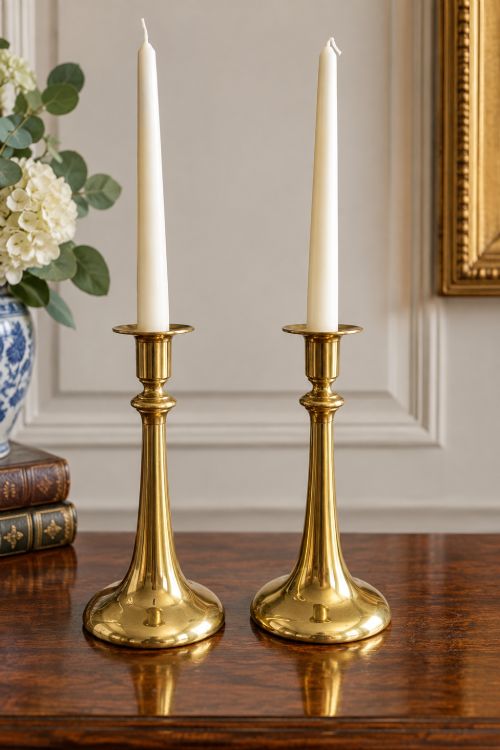
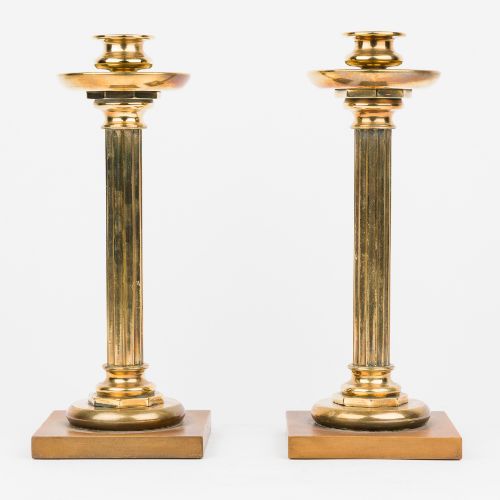
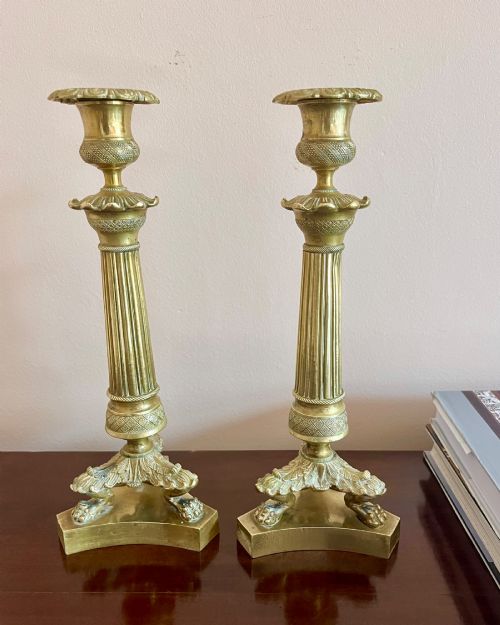
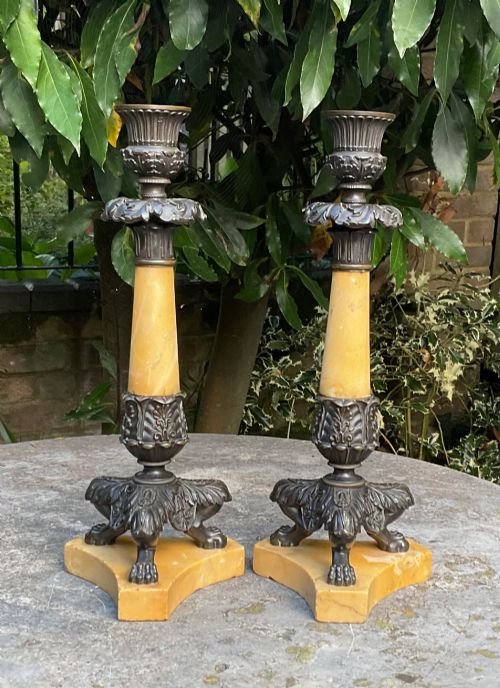
A pair candle stands selection offers matched illumination and display furniture, uniting practical candle lighting with decorative symmetry across periods.
Pair Candle Stands
A pair candle stands search reveals dual items designed to elevate candles or support lamps, spanning table-top candlesticks and tall floor-standing torcheres.
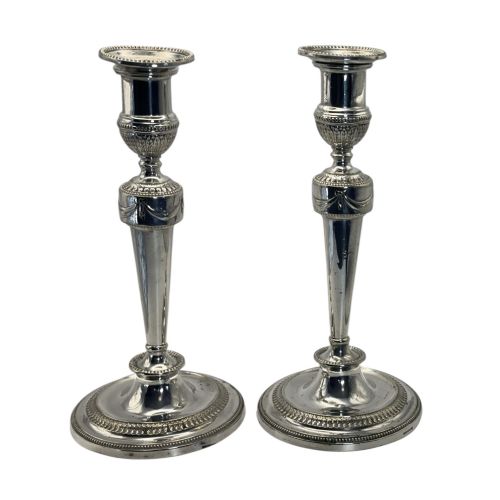
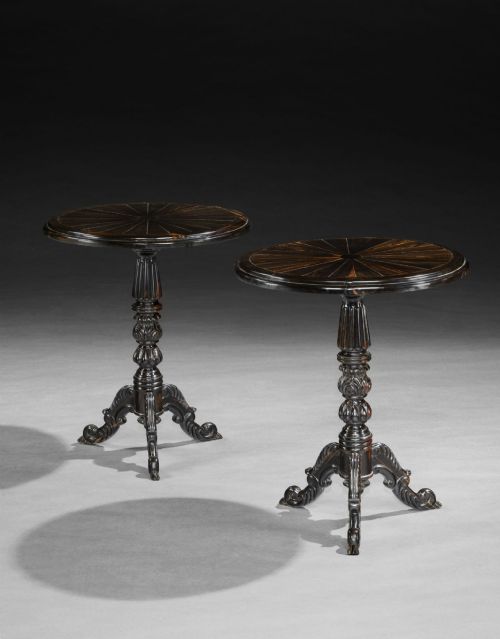
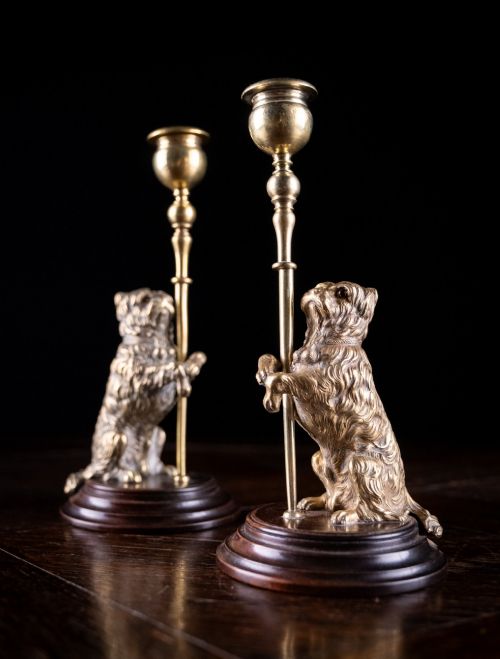
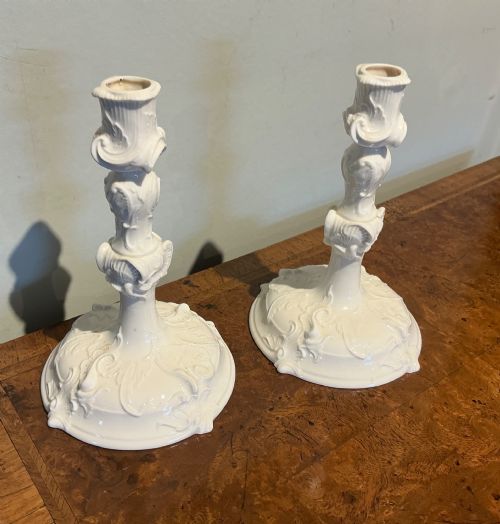
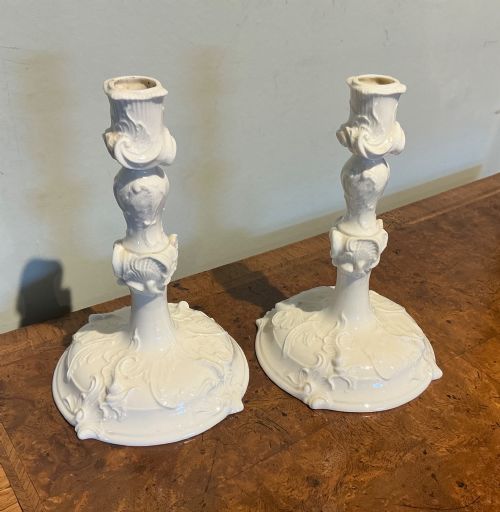
The most common versions met on this page include heavy brass and bronze candlesticks alongside mahogany, oak and rosewood occasional stands from the Georgian and Victorian eras.
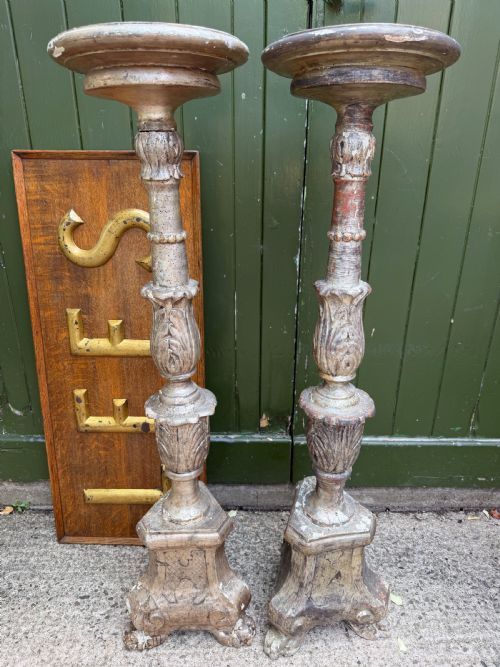
Many examples incorporate multi-armed candelabra formats, church pricket designs, or architectural columns carved from stone and wood.
Materials and Techniques
Metal pieces rely on brass casting, silver plating over base metals, and mercury gilding on bronze or ormolu mounts to achieve lasting metallic lustre.
Wooden examples utilise native and exotic timbers including mahogany, satinwood, ebony and walnut, shaped through turning, joinery, and intricate carving.
Certain items integrate secondary materials like white marble bases, inset porcelain foliage, or wrought iron framing.
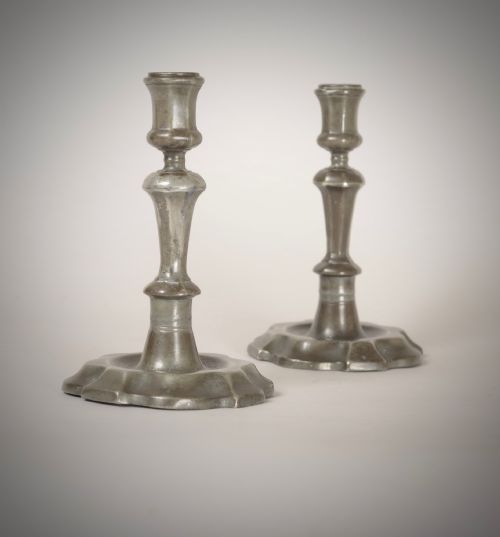
Listings feature metals including brass, sterling silver, ormolu, and pewter alongside hardwoods like mahogany, rosewood, and oak.
Markers of Quality
Superior examples display crisp, hand-chased surface detail on cast metal and precise joinery or cabinetwork on timber structures.
Weight distribution and structural balance separate workshop pieces from mass production, ensuring stability for tall tapers or multi-arm arrangements.
Original matching components across both items, from sconces to bases, determine the integrity of the pairing.
Archibald Knox·Mappin & Webb·Pierre Philippe Thomire·Garrard & Co·Carl Deffner
The Pair Candle Stands Glossary
- Candlestick
- A portable holder with a single socket designed to support a taper or candle upright during use.
- Candelabra
- A branched multi-socket candlestick holding several candles simultaneously from a central stem.
- Torchere
- A tall decorative stand or pedestal built to elevate a light source or ornamental object above floor level.
- Pricket
- A sharp metal spike set inside a socket to secure the base of a church candle.
- Ormolu
- Finely ground high-carat gold applied as an amalgam to a bronze base, creating a rich golden surface finish.
Pair Candle Stands: Frequently Asked Questions
What is the difference between candlesticks and torcheres?
Candlesticks are typically smaller table-top objects designed to hold individual tapers for immediate illumination.
Torcheres function as tall floor-standing columns or stands intended to elevate larger candle fixtures or decorative items within a room.
How do I identify a matched pair?
A genuine pair shares identical casting moulds, wood grain patterns, dimensions, and manufacturing wear across both pieces.
Minor variations in hand-finished chasing or turned timber indicate individual artisanal work rather than factory stamping.
Where were these stands used historically?
These items were placed upon dining tables, sideboards, and mantlepieces to provide ambient or task lighting before electricity.
Larger floor-standing versions occupied drawing rooms, hallways, and ecclesiastical spaces to illuminate dark architectural corners.
How should I care for antique metal stands?
Regular dusting with a soft, dry cloth preserves the original surface patina without stripping historic finishes.
Avoid abrasive metal polishes on gilded bronze or silver-plated surfaces to prevent wearing away the outer layer.