



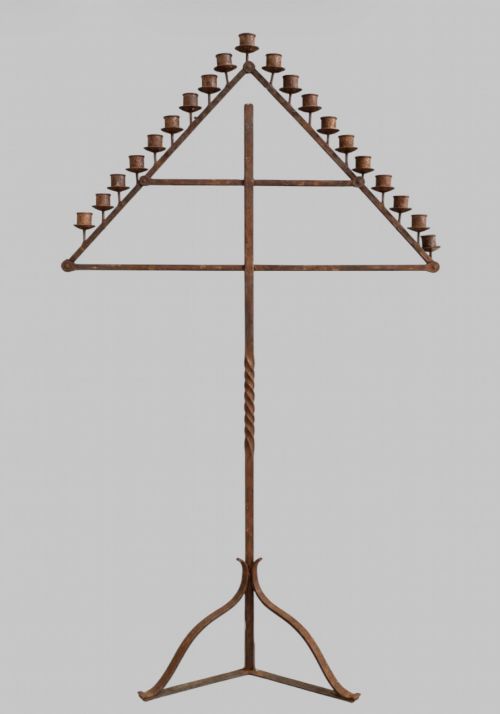
Tall Candle Holder
A tall candle holder brings height and presence to a room, offering elevated light through centuries of metalwork and carved wood.
Tall Candle Holder
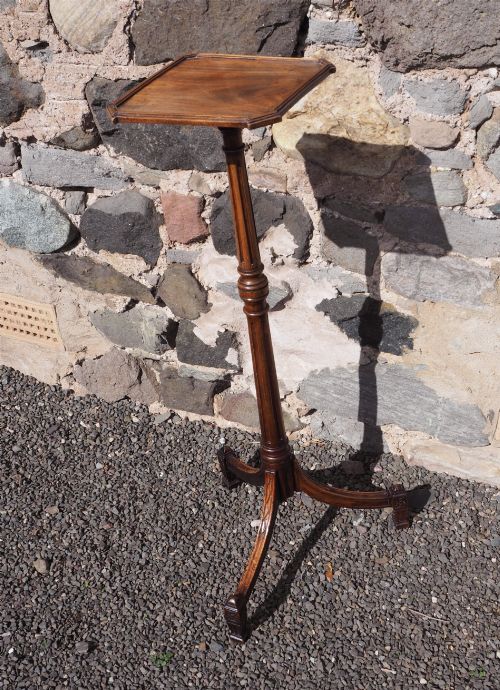
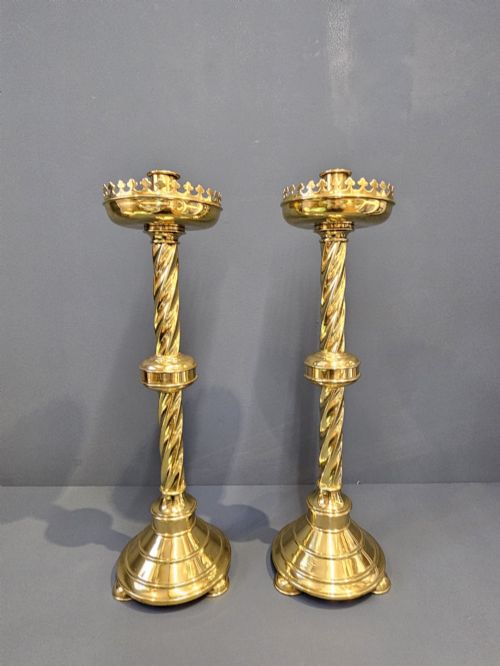
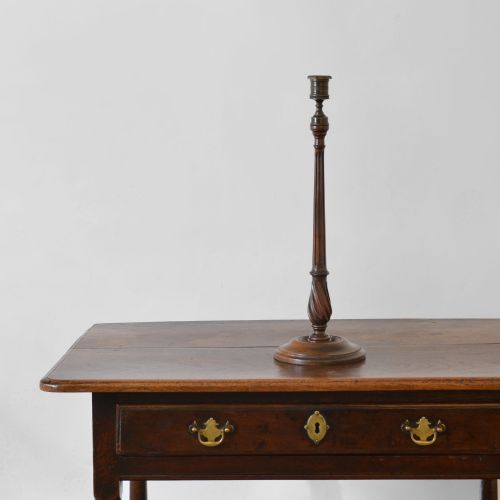
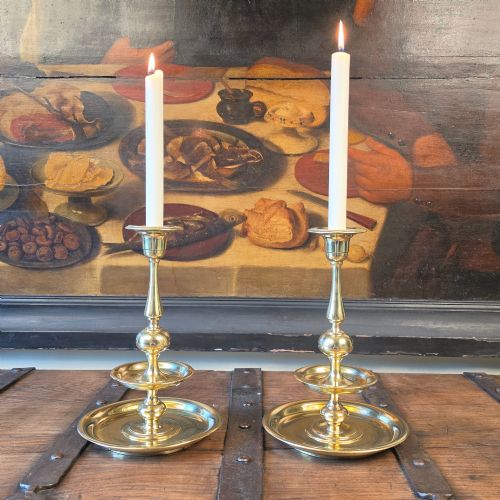
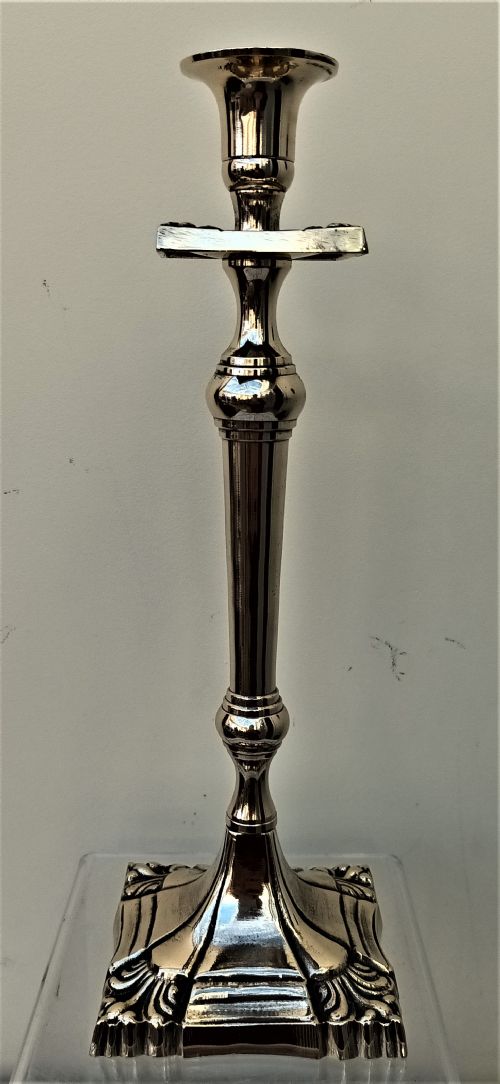
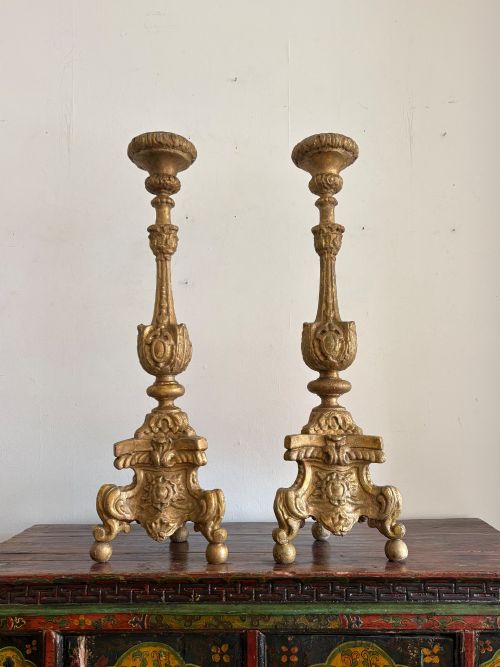
A tall candle holder encompasses floor-standing torcheres, altar sticks, and large table candlesticks designed to elevate a flame well above surface level. When searching for a tall candle holder, buyers frequently encounter substantial Victorian and nineteenth-century brass pieces alongside eighteenth-century wooden and iron examples.
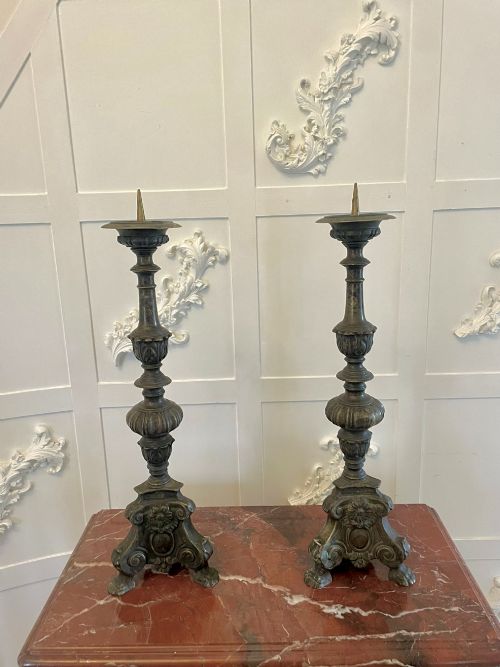
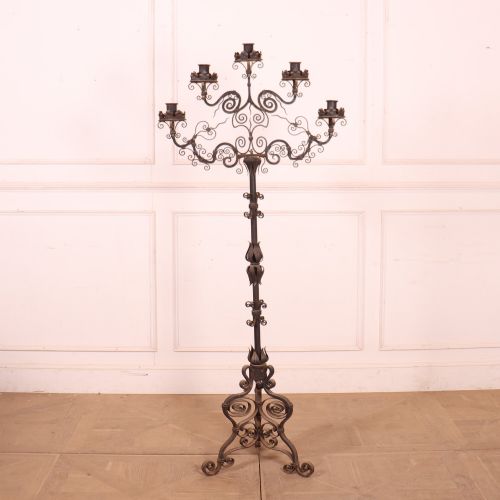
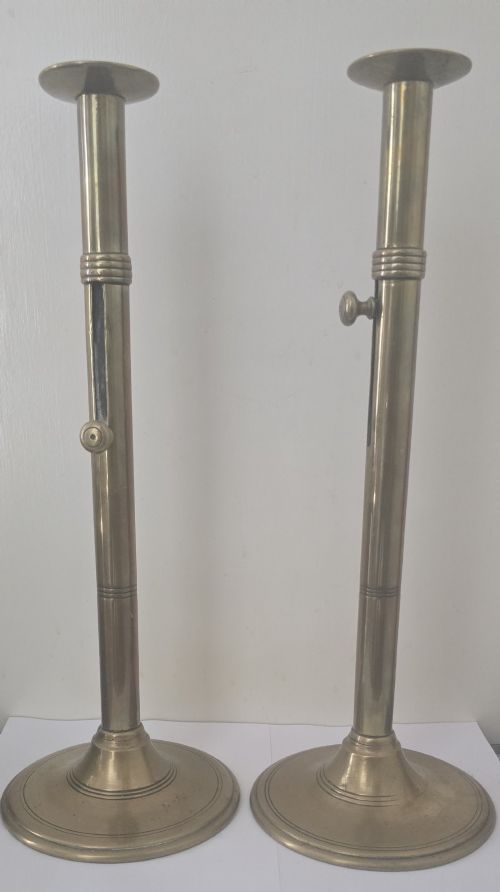
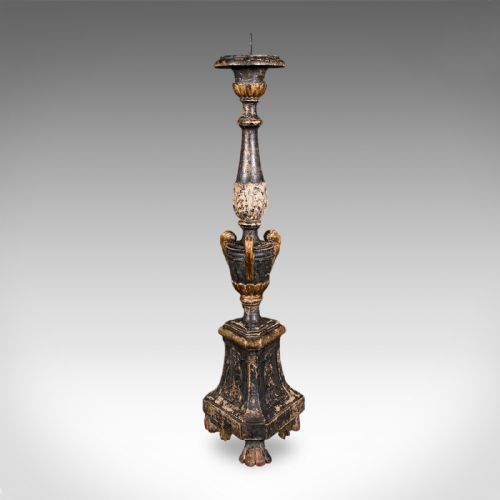
The forms range from slender column sticks with side ejectors to massive ecclesiastical pricket candlesticks that held candles on spikes. Materials span cast brass, wrought iron, bronze, and carved walnut or pinewood, often reflecting Georgian, Gothic Revival, or Baroque design influences.
Many of these objects originated in churches or grand reception rooms, functioning as architectural focal points rather than modest desk lighting. Pairs predominate on this page, offering symmetrical height for mantelpieces, altars, and large tables.
How they were made
Metal examples rely on casting, turning, and seaming techniques, where brass and bronze components take shape in foundry moulds before being turned on lathes for clean profiles. Wrought iron pieces demonstrate hand-forging, with bars beaten, curved, and joined to support multi-candle configurations.
Wooden pieces involve hand-carving and turning, utilising dense timbers like walnut, mahogany, and pinewood to build substantial shafts and weighted bases. Giltwood and silvered wooden surfaces receive layers of gesso and metallic leaf or pigment, creating textured finishes that catch candlelight.
Some tall iron holders weigh enough to double as sturdy medieval pikes if an impromptu castle siege interrupts dinner.
What varies in quality
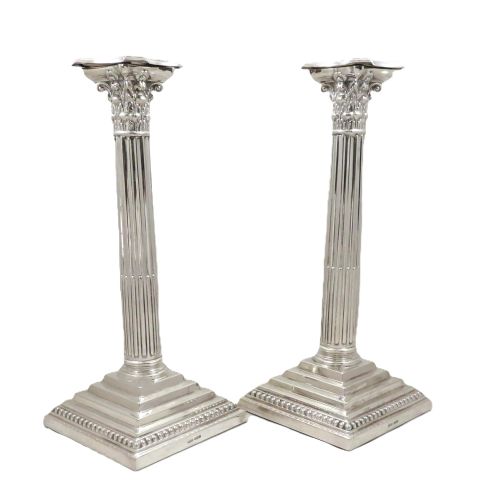
The weight and gauge of the metal determine the integrity of a brass or bronze piece, with heavier castings providing stability for extended heights. Crispness of detail in turned mouldings, Corinthian capitals, and carved acanthus leaves separates standard production from superior craftsmanship.
Originality of components matters significantly, particularly where screw threads, prickets, and base plates remain intact without modern replacement parts. The depth and application of gilding, patination, and surface finishes dictate the visual impact of wooden and metal examples alike.
The Tall Candle Holder Glossary
- Pricket
- A sharp metal spike atop a candlestick designed to impale the base of a wax candle. This method predates socket holders and remains common on church and altar pieces.
- Torchere
- A tall decorative stand or candlestick designed to support a light source at eye level or above. These often feature slender wooden shafts or ornate carved pedestals.
- Altar candlestick
- A heavy ecclesiastical candle holder placed upon or near a church altar. They frequently display grand proportions and rich decorative motifs.
- Side ejector
- A mechanical lever fitted to the side of a socket candlestick to push out remaining candle stubs. This innovation appears on nineteenth-century brass examples.
- Giltwood
- Timber coated with a thin layer of gold leaf or gold paint over a prepared gesso ground. It was widely utilised on Italian and French decorative pieces.
Tall Candle Holder: Frequently Asked Questions
How do I clean antique brass?
Dust the metal gently with a soft dry cloth to preserve the natural oxidation and accumulated patina built up over decades. Avoid harsh chemical polishes that strip away the historical surface character.
For stubborn grime, a mild solution of warm water and soap applied with a soft brush works safely. Dry the piece thoroughly immediately afterwards to prevent spotting.
Were these used in homes?
Many tall candle holders originated in churches, chapels, and large institutional settings where high ceilings demanded grand lighting solutions. Their imposing scale suited ecclesiastical architecture and massive dining halls.
Over time, domestic interiors adopted these larger formats for decorative impact in hallways and reception rooms. Pairs were particularly favoured for placement on large sideboards and mantelpieces.
How do I date a brass candlestick?
Examine the construction methods, such as whether the shaft is cast in separate sections and joined by threaded rods or sewed seams. Early nineteenth-century and Georgian pieces often display heavy casting marks and distinct tool patterns.
Base construction also offers clues, as solid weighted bottoms and kick-up bases evolved across different decades. Comparing stylistic details like neoclassical columns or Victorian Gothic motifs helps narrow the production era.