



Dark Metal Candle Stand
These dark metal candle stands bring heavy iron, bronze, and pewter form to a room through centuries of utilitarian and sculptural design.
Dark Metal Candle Stand
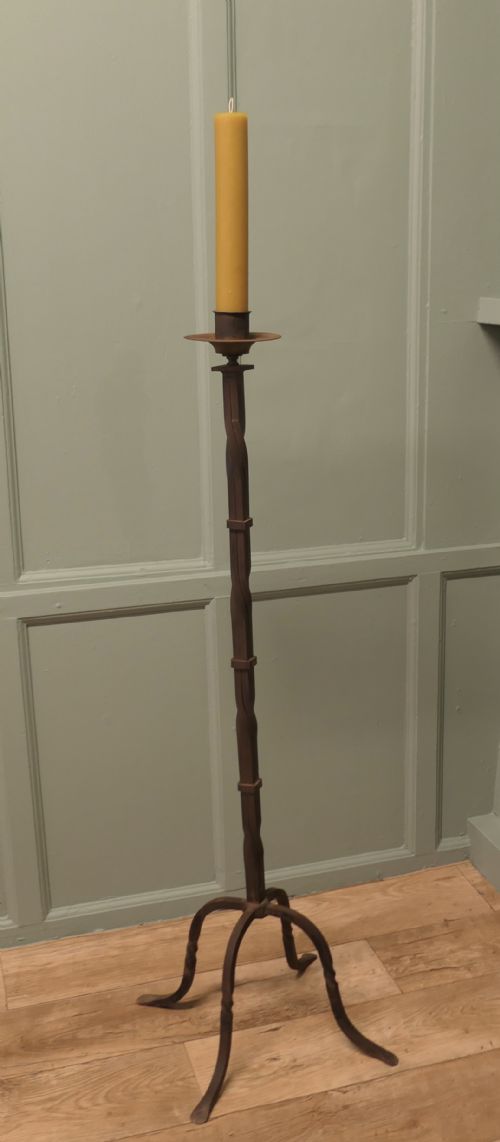
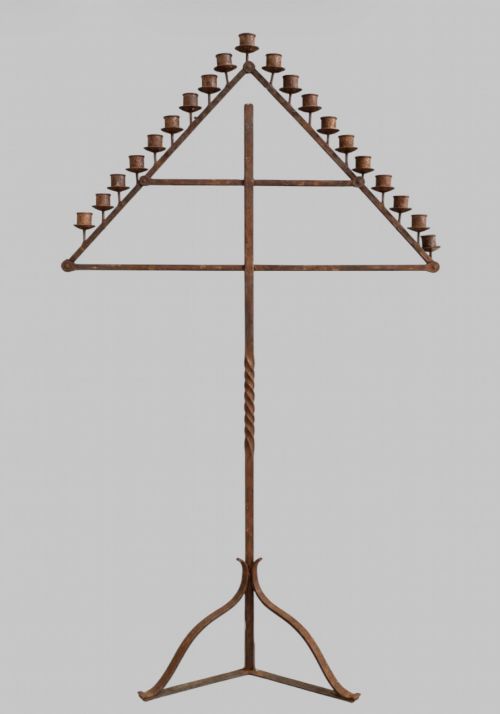
A dark metal candle stand encompasses utilitarian floor candelabra, heavy table candlesticks, and architectural torcheres fashioned from iron, bronze, and pewter. These pieces range from simple seventeenth-century Stuart domestic items to elaborate nineteenth-century Victorian revival figures and Art Deco floor pieces.
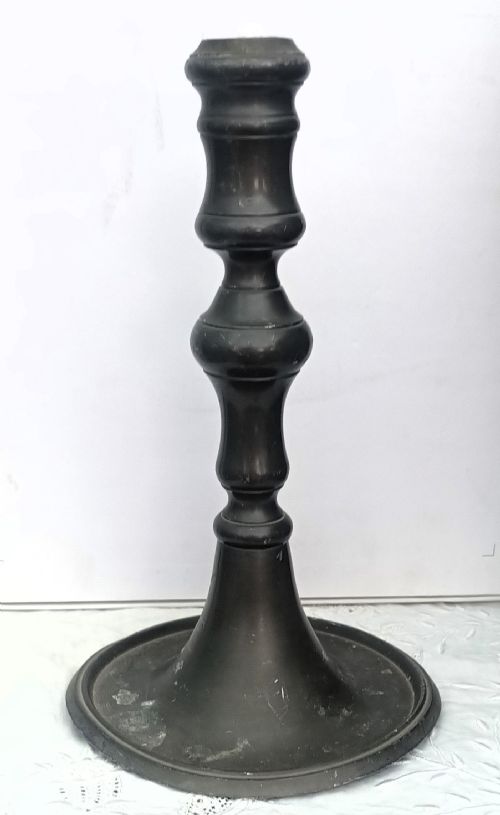
The versions most commonly met on this page are table candlesticks in pewter or bronze, alongside architectural wrought iron floor items. Buyers encounter forms stretching from plain pricket sticks to figural soldiers and trench art.
Originating across English, French, and Venetian workshops, these dark metal candle stand examples reflect utilitarian daily lighting alongside decorative mantel and floor statements.
What varies in quality
Quality in a dark metal candle stand rests upon the crispness of the casting and the integrity of the hand-forged work. Finely detailed figural modelling in bronze or spelter stands apart from softer, simpler commercial production.
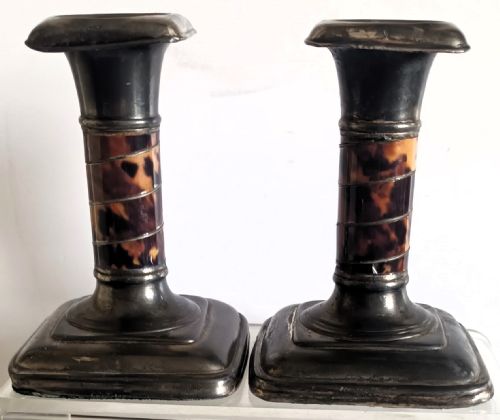
The choice of secondary materials, such as genuine tortoiseshell inlays or ormolu mounts, separates standard domestic lighting from ambitious exhibition or parlour pieces. Weight, balance, and the preservation of an original patinated surface govern the overall standing of each piece.
Listings span from the 17th Century to the 1930s, featuring wrought iron, pewter, bronze, and tortoiseshell materials.
Hugo Berger Goberg
The Dark Metal Candle Stand Glossary
- Pricket
- A sharp metal spike upon which a candle is impaled, common in earlier ecclesiastical and domestic lighting before socket holders became standard.
- Spelter
- An alloy of zinc and lead often cast and bronze-patinated to imitate heavier copper alloys in nineteenth-century decorative figures.
- Torchere
- A tall ornamental stand or candlestick designed to support a light, frequently taking the form of a column or figural shaft.
- Trench art
- Objects fashioned by soldiers or civilians from war debris and scrap metal, particularly during the early twentieth century.
- Ormolu
- Gilded bronze, usually applied to metal mounts and decorative highlights on Regency and nineteenth-century pieces.
Dark Metal Candle Stand: Frequently Asked Questions
How do I clean a dark metal candle stand?
Dust gently with a soft dry cloth to preserve the historic surface patination. Avoid abrasive polishes that strip original finishes from iron, bronze, or pewter.
Wax residue should be removed carefully with warm water if necessary, ensuring the metal dries completely to prevent corrosion.
What is the difference between bronze and spelter?
Bronze is a durable alloy of copper and tin that yields crisp casting details and a rich natural patina over time. Spelter utilises a softer zinc-lead mixture that was widely cast for decorative Victorian figures.
Spelter is lighter and typically relies on a painted bronze-look finish rather than the deep self-colouring metal of genuine bronze.
How do I date a wrought iron candle stand?
Dating relies on tool marks, construction methods, and stylistic ironwork motifs such as Stuart twists or Gothic Revival tracery. Hand-hammered surfaces and primitive joinery point towards earlier seventeenth and eighteenth-century origins.
Standardised rolling and machine cutting indicate later nineteenth and twentieth-century production periods.