



Black Iron Candle Holder
A black iron candle holder brings honest forged weight and utilitarian grace to a room, offering centuries of dependable craftsmanship.
Black Iron Candle Holder
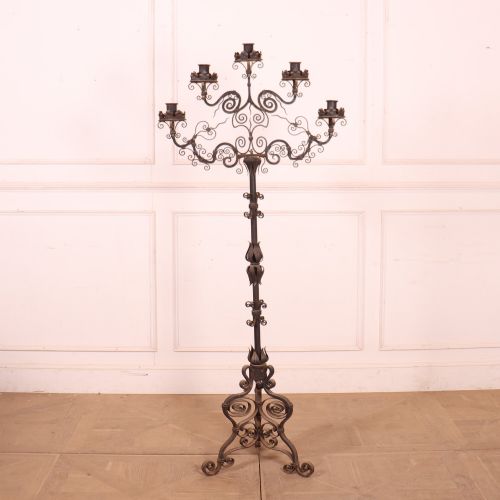
When you search for a black iron candle holder, you encounter centuries of functional metalwork ranging from simple domestic lighting to ecclesiastical furnishings. The pieces on this page span the 17th century through to the early 20th century, encompassing floor standards, table candlesticks, chandeliers, and dual-purpose rushlight holders.
You are most likely to meet wrought iron and steel examples shaped by blacksmiths using traditional forging techniques. Forms vary from sturdy tripod bases and spiral stems to pricket sticks and multi-branched chandeliers shaped in Gothic Revival, Georgian, rustic European, and Secessionist styles.
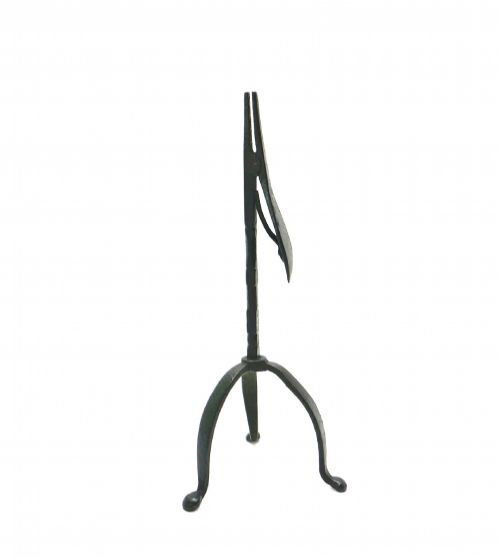
Earlier examples often show utilitarian ingenuity, such as spring-action mechanisms designed to grip rush or tallow dips alongside beeswax candles. Later 20th-century items incorporate trench art and artistic movements like Secessionist metalwork while retaining the fundamental dark metal aesthetic.
How they were made
The primary materials recorded are wrought iron and steel, shaped hot at the forge by hammering, bending, and riveting. Blacksmiths utilised the natural malleability of iron to create robust tripod bases, twist stems, and sturdy prickets designed to hold candles firmly.
Some pieces integrate hardwood elements or feature gilt metal details alongside the dark iron structure. Surface finishes typically result from historic oxidation, blacksmithing scale, and centuries of handling rather than applied paints.
Listings span from the seventeenth century through to nineteen-ten, recording materials including wrought iron, steel, hardwood, and gilt metal.
What varies in quality
Quality in a black iron candle holder lies in the directness and fluency of the blacksmith's handwork. Superior pieces display confident proportions, elegant forging lines, and well-balanced structural components such as stable tripod bases and clean spiral twists.
The sophistication of the mechanism and design integrity separate standard domestic hardware from exceptional examples like altar furnishings or named Secessionist works. Originality of construction and period-correct assembly methods dictate the standing of each piece.
Hugo Berger Goberg
The Black Iron Candle Holder Glossary
- Pricket
- A candlestick featuring a sharp metal spike upon which a large candle is impaled. This form is frequently found on altar sticks and heavier floor pieces from earlier centuries.
- Rushlight
- A simple lighting device utilising a rush soaked in fat or grease held firmly in notched iron jaws. These fixtures often share a combined base with standard candle holders.
- Tripod base
- A three-legged support structure commonly forged from iron to ensure stability on uneven historic floors. This configuration appears frequently on floor-standing candelabras and heavy candlesticks.
- Secessionist
- An artistic and design style originating in early twentieth-century Europe, characterised by clean geometric lines and functional elegance. Pieces from this movement often display refined industrial styling.
- Trench art
- Objects fashioned by soldiers, prisoners, or civilians from military scrap material during periods of conflict. These items often repurpose spent ordnance into domestic candlesticks.
Black Iron Candle Holder: Frequently Asked Questions
How do I date an iron candle holder?
Dating relies on observing construction methods, tool marks, and design styles characteristic of specific centuries. Earlier pieces often show hand-forged joins and irregular surfaces, whereas later examples reflect industrial techniques or defined artistic movements like Secessionist design.
Examining the base, fixings, and degree of wear provides further clues to the period of manufacture. Comparing the object against documented examples from the seventeenth through to the early twentieth century helps confirm its age.
Were these holders used for candles or rushes?
Many historic pieces served dual purposes or were specifically engineered for whatever fuel source was available locally. Some examples feature integrated spring-action clips to hold dried rushes alongside sockets sized for tallow or beeswax candles.
Floor-standing and altar pieces typically accommodated heavy candles or torches, while smaller domestic implements handled cheaper rushes. Examining the primary socket and auxiliary jaws reveals the intended illumination method.
How should I clean black iron metalwork?
Historic iron requires minimal intervention to preserve its genuine surface patina and protective oxidation layer. Gentle dusting with a dry cloth or soft brush is usually sufficient to remove loose debris without harming the metal.
Avoid harsh chemical cleaners or abrasive scouring pads that strip away centuries of character. Applying a very light microcrystalline wax can protect vulnerable surfaces in humid environments.
Can I use these pieces for everyday lighting?
Many sturdy floor standards and heavy candlesticks remain entirely functional for modern candle use. Ensuring the piece sits level on a stable surface prevents accidents while burning candles.
One should take care with delicate or intricate historic mechanisms and protect surfaces from melting wax drips. Using standard appropriately sized candles prevents damage to old sockets.