



Wrought Iron Candlestick
A wrought iron candlestick offers robust utility and honest form, forged from durable metal to hold a flame through centuries of daily domestic use.
Wrought Iron Candlestick
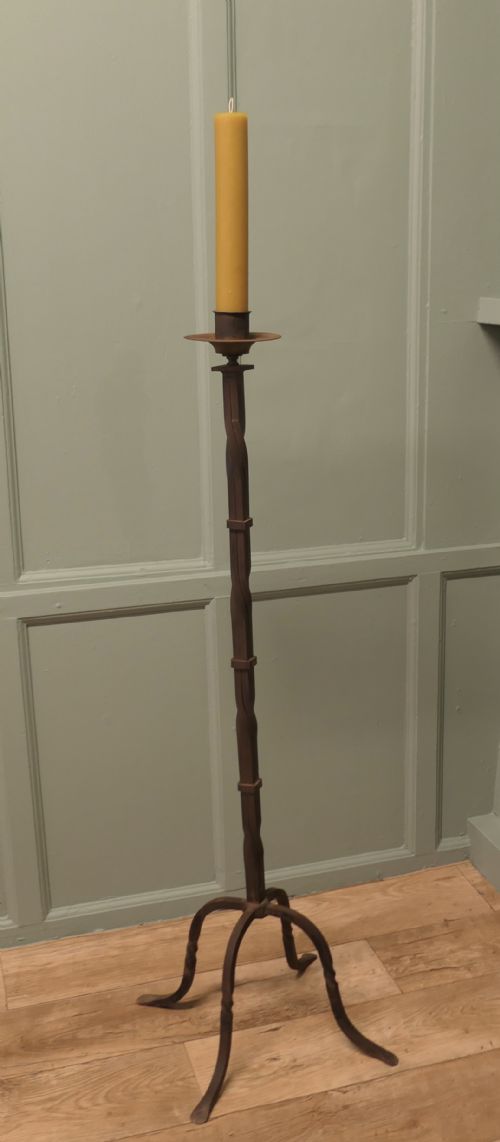
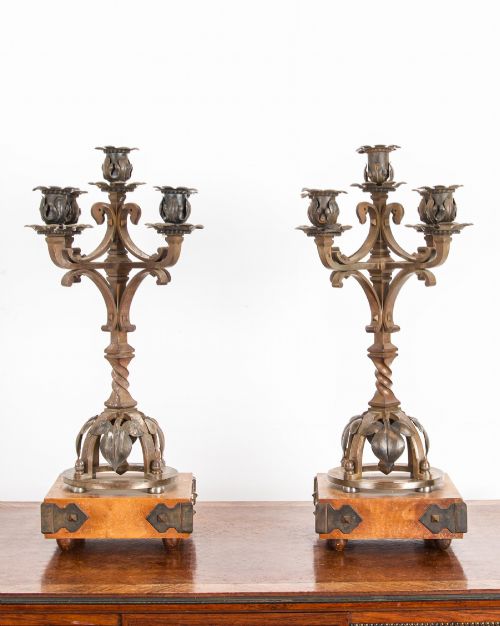
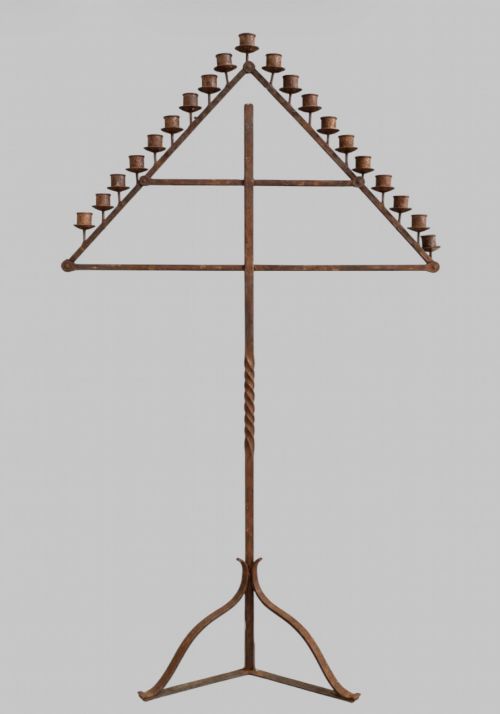
When you search for a wrought iron candlestick, you encounter a robust range of domestic lighting equipment spanning the seventeenth century through to the early decades of the twentieth century. These pieces encompass everything from intimate table items to substantial floor-standing standards designed for churches or grand domestic halls.
How they were made
Blacksmiths utilised heat and hand tools to hammer, twist, and rivet wrought iron and steel into functional shapes. This manual forging process often incorporated complementary brass, gilt metal, or turned hardwood elements to provide contrast or structural stability.
Makers shaped the metal while hot, creating scrollwork, pricket spikes, and spiralling stems directly from bar stock. Surface textures reveal the hammer blows and tool marks left behind by the artisan during construction.
Listings feature periods spanning from the 17th century through to the 1930s, using materials including wrought iron, brass, steel, and hardwood.
What varies in quality
The distinction between standard utility items and finer examples rests upon the skill of the hand forging and the architectural ambition of the design. Heavy gauge metalwork with purposeful proportions and clean joinery represents superior craftsmanship compared to plain production pieces.
Artistic execution also separates common items from those reflecting distinct regional styles or notable workshop output, such as Amsterdam School or Secessionist designs. The integration of mixed materials like hardwood bases or brass details further elevates the character of the piece.
Hugo Berger Goberg
The Wrought Iron Candlestick Glossary
- Pricket candlestick
- A candleholder featuring a central spike that pushes directly into the base of the candle to secure it. This form is frequently seen on church altars and architectural floor standards.
- Rushlight
- A simple lighting device utilising a rush dipped in animal fat, often held by iron spring jaws attached to a candlestick base. These dual-purpose items provide illumination from both fat-soaked reeds and tallow candles.
- Chamberstick
- A low candleholder fitted with a saucer drip pan and a loop handle for carrying through dark rooms. They were essential domestic items before electric lighting.
- Candelabra
- A branched candlestick designed to hold multiple candles simultaneously. They range in size from table pairs to monumental floor-standing examples.
- Trench art
- Objects fashioned by soldiers or civilians from wartime debris and scrap metal. These pieces often date from the early twentieth century and utilise discarded military materials.
Wrought Iron Candlestick: Frequently Asked Questions
How do I date a wrought iron candlestick?
Dating relies on stylistic clues, construction techniques, and materials visible in the piece. Seventeenth and eighteenth-century examples often display simpler, utilitarian hand-forged joinery, while later pieces show influences from Gothic Revival, Art Nouveau, or Amsterdam School aesthetics.
Examining tool marks and the condition of the iron helps determine age. Comparing the item against documented periods ranging from the 1600s to the 1930s provides a clearer timeline.
Were these used in homes or churches?
These pieces served lighting needs in both domestic interiors and ecclesiastical settings. Smaller chambersticks and spiral candlesticks were standard household items for navigating dark rooms or working after dusk.
Larger pricket candlesticks and multi-branch floor candelabra originated in churches or grand architectural halls where high illumination was required. Their sturdy construction suited both everyday rural living and formal environments.
What is a rushlight combination piece?
A rushlight combination incorporates both a candle socket and a spring-loaded iron clip for holding dried rushes. Rushes soaked in animal fat provided an inexpensive source of light for poorer households.
When wax candles became available, the socket held the candle while the rushlight mechanism remained attached. This dual function marks them out as transitional domestic tools from earlier centuries.
How should I clean antique ironwork?
Maintenance requires keeping the metal dry and free from active moisture to prevent rust formation. A gentle application of microcrystalline wax or light oil helps protect the surface and preserve the original forged finish.
Avoid abrasive cleaners or harsh chemical strippers that remove historical patina. Regular dusting with a soft cloth is usually sufficient for ongoing care.
What defines Amsterdam School ironwork?
Amsterdam School pieces showcase expressive forms, rhythmic lines, and an interest in organic silhouettes popular in the early twentieth century. These designs often blend iron with contrasting brass elements to highlight structural details.
The style prioritises craftsmanship and sculptural presence over strict historical revivalism. Candlesticks from this movement display a distinct modernism rooted in traditional blacksmithing.