
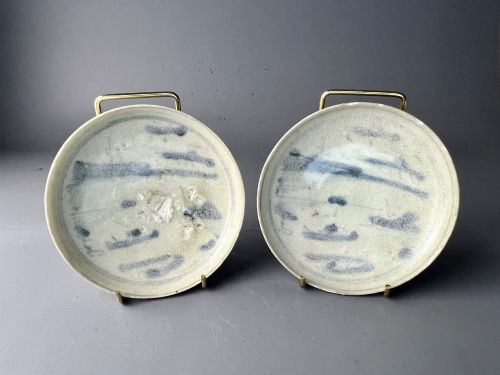
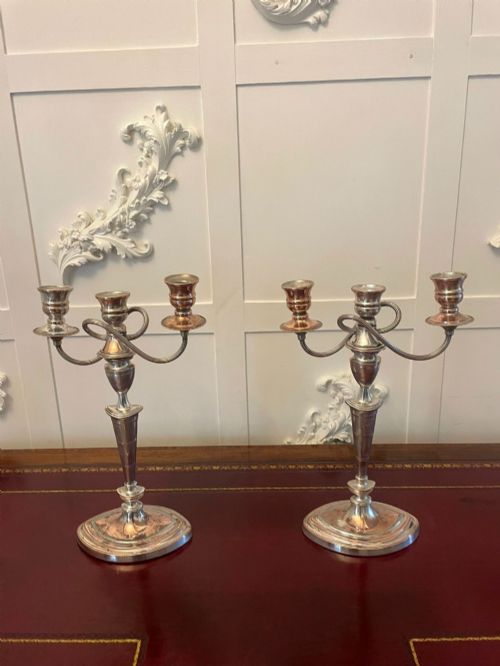
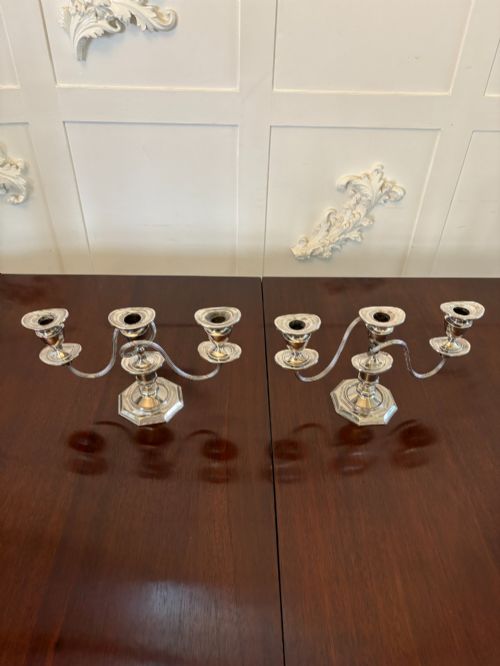
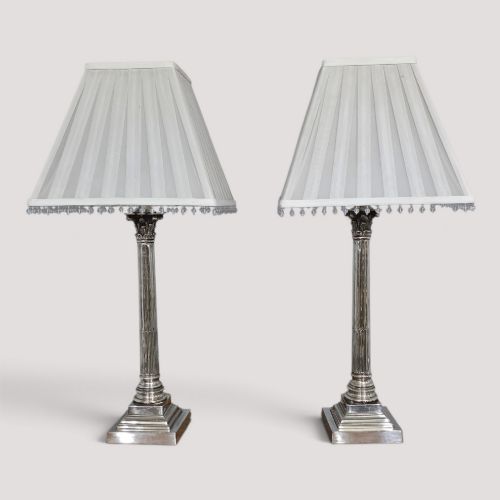

Pair Plates
When hunting for a pair antique plates, collectors encounter fine porcelain, earthenware and metal vessels shaped for display or service across several centuries.
Pair Plates
When searching for a pair antique plates, collectors find items spanning the eighteenth, nineteenth, and early twentieth centuries, originating from English potteries, European workshops, and Japanese kilns. The selection includes cabinet plates, dessert plates, tea plates, and charger sizes designed for both formal display and domestic dining.
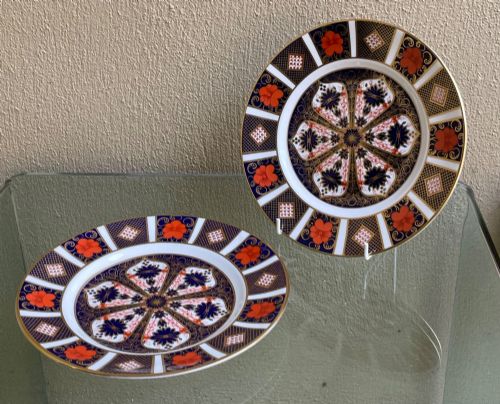
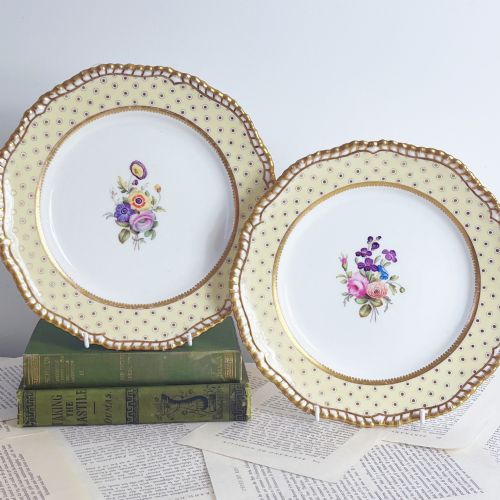
Porcelain examples frequently showcase hand-painted floral motifs, gilding, and traditional Japanese Imari patterns. Earthenware and delftware variants offer tin-glazed surfaces, polychrome designs, and traditional blue and white schemes produced in Dutch and English centres.
How they were made
Potters shaped these items using fine pastes, stone china, and earthenware bodies, which were then fired and finished with transparent or tin glazes. Artisans applied hand-painted pigments directly onto the ceramic surface before secondary kiln firings fixed the colours and metallic accents.
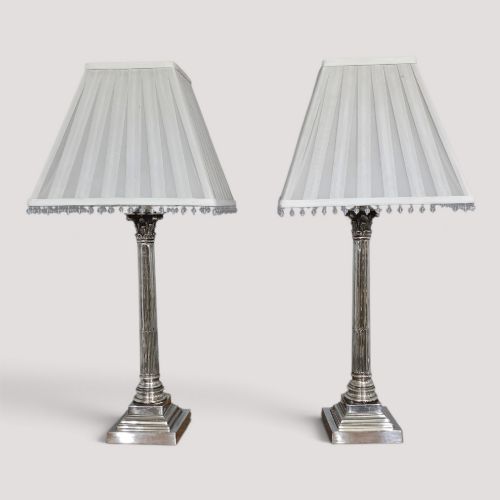
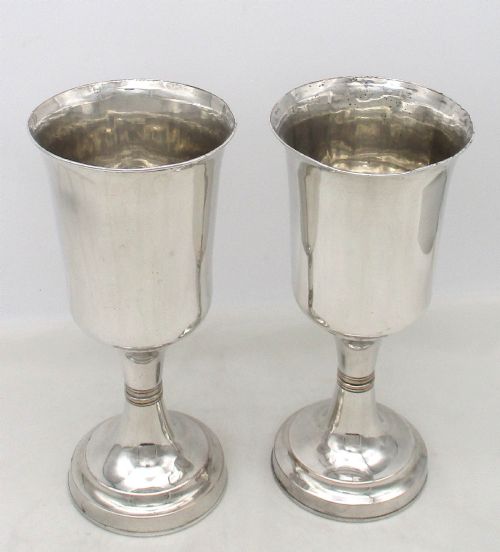
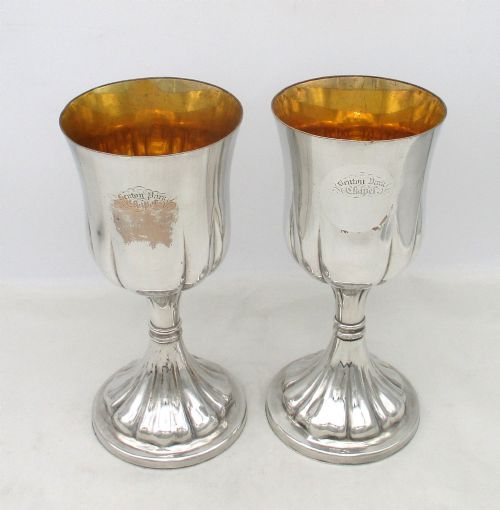
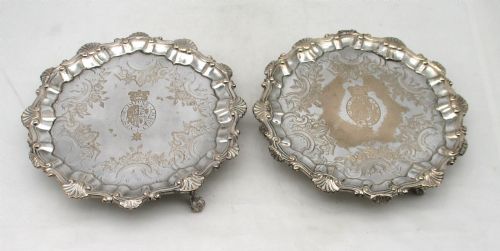
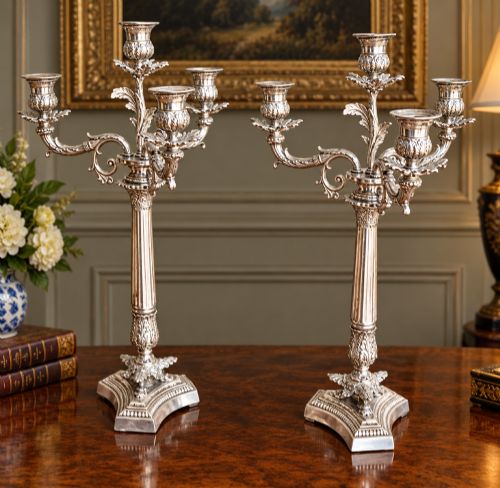
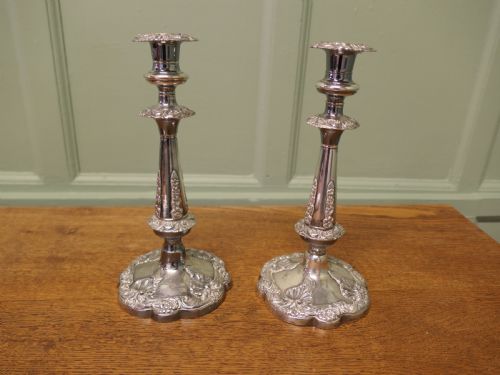
Metal alternatives utilise copper, silver plate, and electroplated nickel silver over base metals, often incorporating gold leaf or vermeil finishes. Skilled craftsmen hammered, cast, and engraved these metal surfaces to produce decorative rims and matching companions.
Listings feature items from the eighteenth, nineteenth, and twentieth centuries, spanning porcelain, earthenware, silver plate, and glass materials.
What varies in quality
The standard of a pair antique plates rests upon the crispness of the moulded form and the precision of the hand-applied decoration. Superior examples display meticulous brushwork, vibrant and stable pigments, and well-preserved gilding without excessive rubbing from past use.
Material composition also dictates distinction, as finer ceramic bodies and heavier silver plating elevate an item above standard domestic wares. Symmetry between the matched companions remains essential for items intended for formal display.
Spode·Royal Crown Derby·Coalport·Wedgwood·Mappin and Webb·Matthew Boulton·Garrard and Co·Hawksworth Eyre·Hermes Paris·Birks
The Pair Plates Glossary
- Cabinet plate
- A decorative ceramic dish intended for display on a wall, shelf, or cabinet rather than for everyday dining service. These pieces usually feature elaborate hand-painted scenes or rich gilding.
- Imari
- A style of Japanese porcelain decorated in underglaze blue, iron red, and gold, named after the port from which the wares were exported. European factories frequently copied these striking colour schemes.
- Tin glaze
- An opaque white glaze containing tin oxide, applied to earthenware bodies to provide a smooth surface for painted decoration. It is characteristic of delftware and faience production.
- Stone china
- A dense, durable type of semi-vitrified ceramic developed in the nineteenth century to rival imported oriental porcelain. It resisted chipping better than standard earthenware while accepting rich enamel colours.
Pair Plates: Frequently Asked Questions
How are antique plates matched?
Makers produced these decorative items in identical pairs to satisfy formal dining and display traditions. Artisans used corresponding moulds and matched hand-painted details so the two objects formed a harmonious set.
Over the centuries, matching companions remained together through careful preservation in cabinets and dining rooms. Collectors examine the dimensions, backstamps, and decorative motifs to confirm the pair shares the same origin.
How do you display antique plates?
Displaying these ceramic and metal items safely requires specialised plate hangers or dedicated display cabinets equipped with secure grooves. Proper mounting prevents slipping while keeping the decorated surface fully visible.
Placements should avoid direct sunlight to protect painted enamels and gilded highlights from fading over time. Maintaining stable indoor humidity levels also preserves the integrity of older ceramic bodies and glazes.
What is delftware?
Delftware encompasses tin-glazed earthenware produced in Dutch and English potteries during the seventeenth and eighteenth centuries. These vessels typically feature blue and white or polychrome designs inspired by imported Chinese porcelain.
Potters shaped local clays before applying an opaque white glaze that received hand-painted decoration prior to firing. Each finished piece displays subtle variations due to the entirely manual production process.