





Pair Japanese Plates
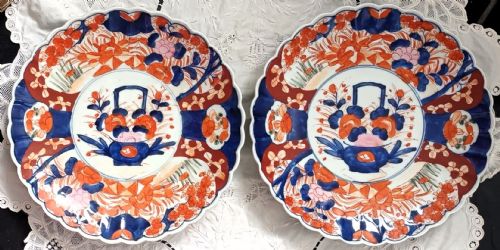
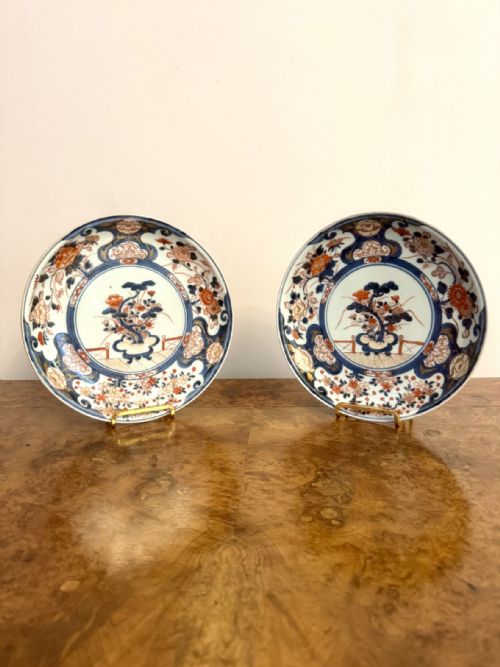
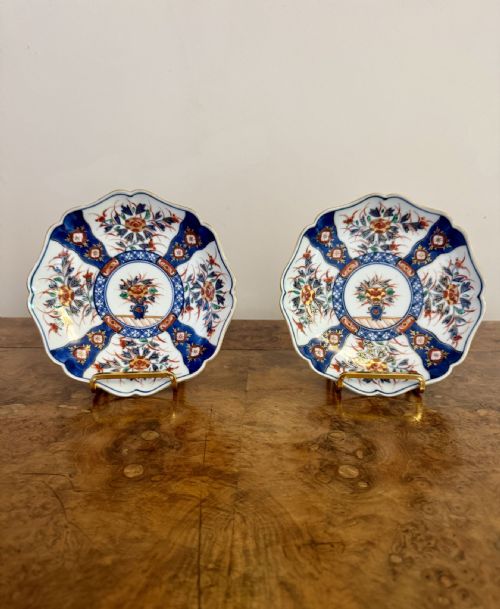
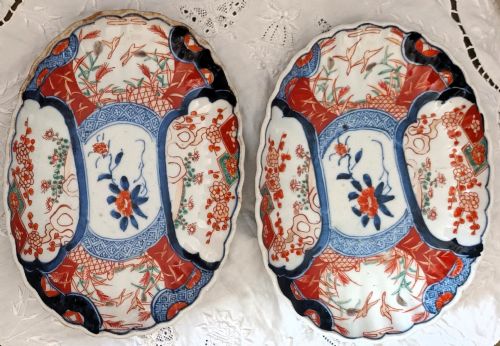
These pair antique japanese plates bring decorative impact and traditional hand-painted motifs straight from Meiji workshops into modern homes.
Pair Japanese Plates
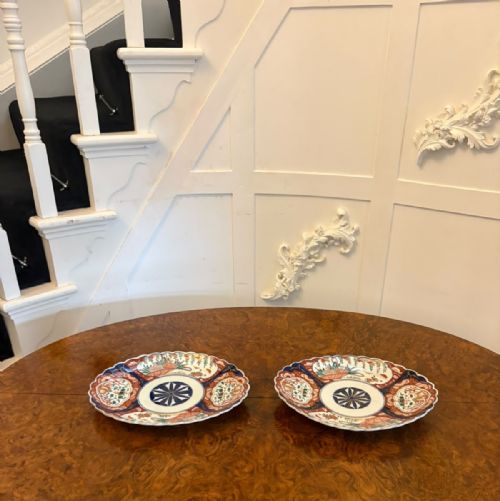
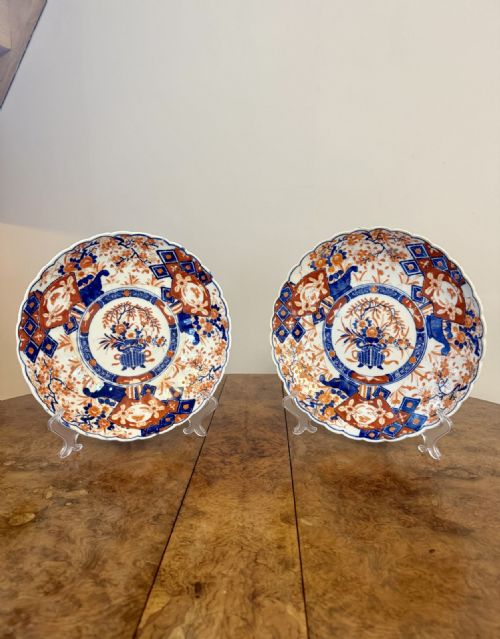
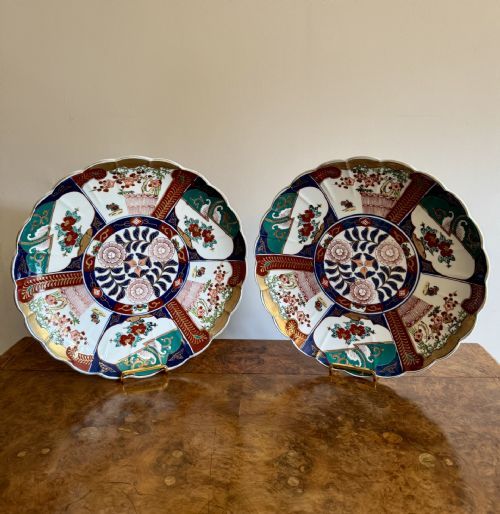
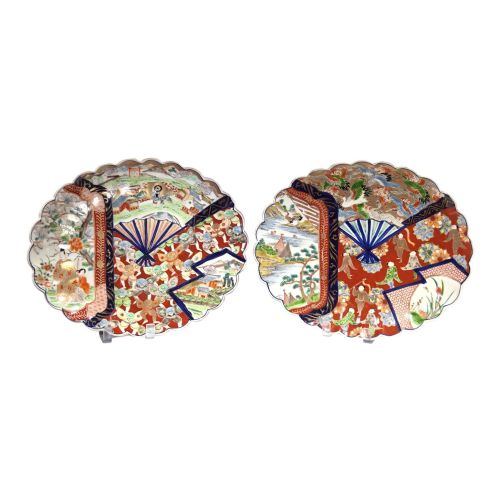
A search for pair antique japanese plates reveals a diverse selection of matching vessels designed for display rather than dining. The examples appearing most frequently span the nineteenth century and the early twentieth century, originating primarily from Japanese kilns during the Edo and Meiji periods.
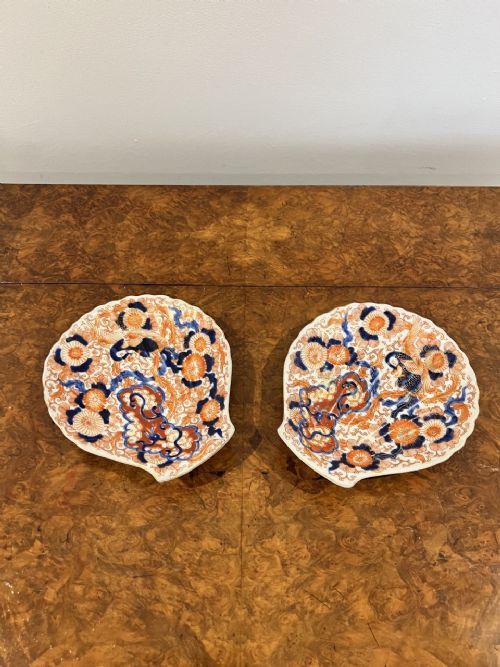
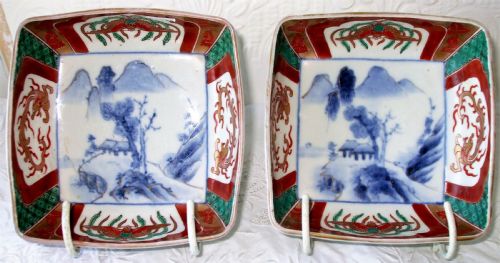
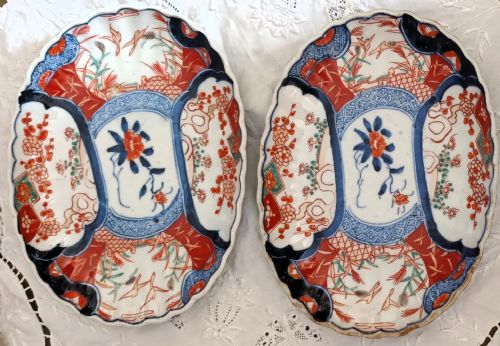
Buyers encounter distinct forms ranging from traditional circular charger plates to shell shapes, fan shapes, and scalloped edges. Decoration draws heavily on classic Japanese Imari styles, cobalt blue underglaze, and intricate hand-painted motifs depicting birds, deities, and natural scenes.
Beyond porcelain, certain groups incorporate cloisonné enamel on copper or brass foundations, displaying specialised techniques like tree bark effects. These matched objects reflect both domestic Japanese tastes and nineteenth-century export markets that influenced British interior styles.
How they were made
Potters shaped high-fired porcelain bodies by hand or on the wheel before applying underglaze cobalt blue and rich enamel colours over the surface. Gold leaf highlights and layered glazes were frequently added during subsequent kiln firings to achieve the characteristic depth seen in Imari works.
Cloisonné pieces utilised fine copper or brass wire soldered onto metal bases to form individual cells, which craftsmen then filled with coloured enamel pastes. Repeated firings and manual polishing produced smooth, vitreous surfaces depicting dragons and intricate botanical patterns.
Certain clamshell dishes manage to look perpetually surprised by their own seafood origins.
What varies in quality
The distinction between standard export wares and finer pieces lies in the precision of the hand-painted brushwork and the complexity of the palette. Superior examples display crisp cobalt tones, well-defined gold leaf accents, and balanced compositions that avoid crowding the ceramic surface.
Physical weight, porcelain translucency, and the symmetry of shaped rims - such as scalloped, fan, or shell outlines - separately indicate the skill of the original workshop. In cloisonné items, the fineness of the wirework and the absence of pitting in the enamel glaze determine the upper tier of craftsmanship.
Shuzan for Yasuda
The Pair Japanese Plates Glossary
- Imari
- A traditional style of Japanese porcelain featuring a distinct palette of underglaze blue, iron red, and gold. These ceramics were heavily exported to Europe from the port of Imari during the Edo period.
- Charger
- A large decorative plate intended for display on walls or sideboard stands rather than everyday table use. They measure significantly wider than standard dining plates.
- Meiji Period
- The era in Japanese history lasting from 1868 to 1912, characterised by extensive international trade and the widespread production of decorative arts for Western markets.
- Cloisonné
- An ancient metalworking technique where enamel is applied within compartments formed by soldered wires on a copper or brass base. The entire object is then fired and polished.
- Arita
- The historic centre of Japanese porcelain production in Hizen province, where skilled potters produced the fine bodies used for many export chargers and dishes.
Pair Japanese Plates: Frequently Asked Questions
How were antique japanese plates displayed?
These pieces were traditionally manufactured for decorative presentation rather than practical dining use. Many larger charger plates feature integrated mounting fixtures or were placed upright on specialised stands.
In nineteenth-century interiors, they often occupied prominent positions on mantelshelves, sideboards, or walls to showcase their vibrant enamels.
What is the difference between Imari and Satsuma?
Imari ceramics typically employ a hard porcelain body decorated with deep cobalt blue, iron red, and gold highlights. They offer a glossy finish with crisp geometric and floral motifs.
Satsuma ware generally utilises an earthenware body with a crackle-glaze finish, featuring densely painted pictorial scenes often enhanced with raised enamel and gilding.
How do I care for antique ceramic plates?
Clean these items strictly by dusting with a soft, dry cloth to protect the delicate enamel and gold leaf decorations. Avoid immersing them in water or using modern chemical detergents.
Display them away from direct sunlight and areas subject to sudden temperature fluctuations to preserve the stability of the glaze.
How can I tell the age of these plates?
Dating relies on examining the characteristics of the porcelain paste, the composition of the glazes, and the style of the hand-painted motifs. Pieces marked with specific nineteenth-century periods or workshop signatures offer clearer chronological clues.
Wear patterns on the unglazed foot rings also indicate age through natural handling over generations.