

Pair Accent Lamps
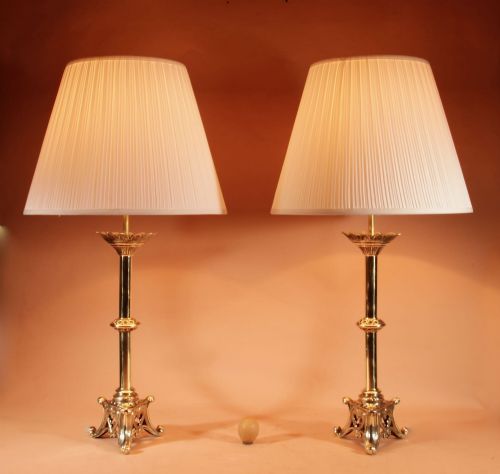
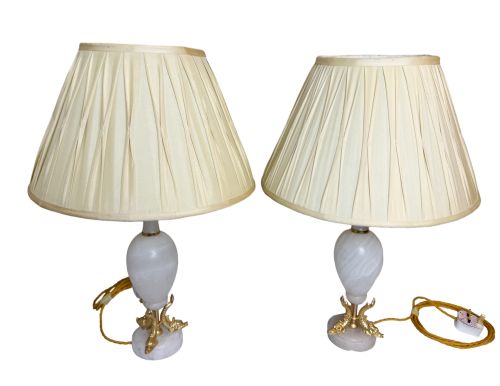
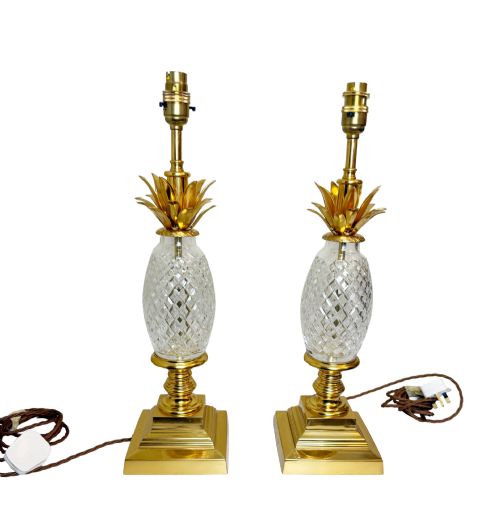
Pair antique accent lamps bring balanced illumination and period character to a room, spanning table lamps and small tables.
Pair Accent Lamps
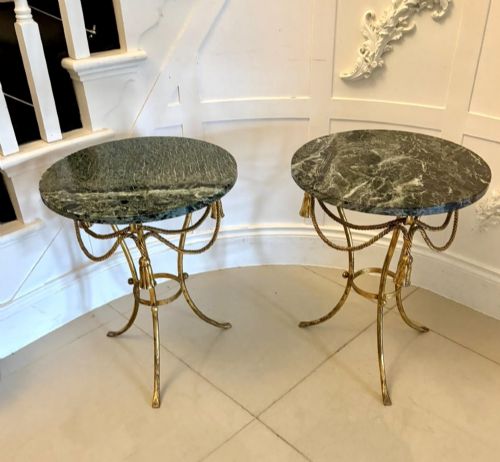
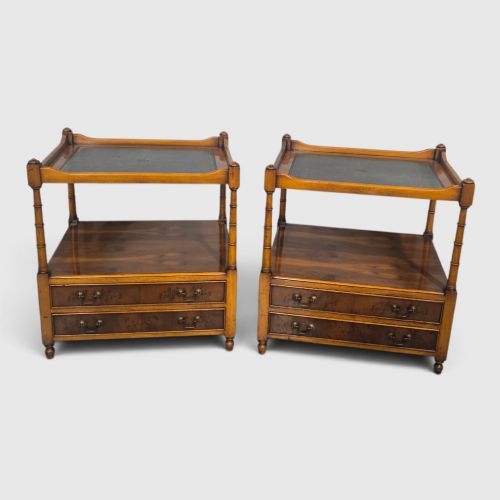
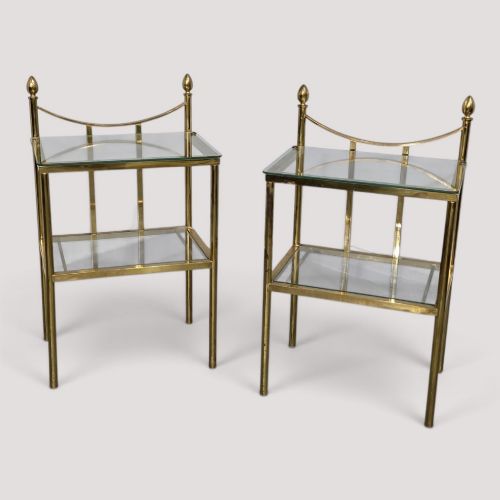
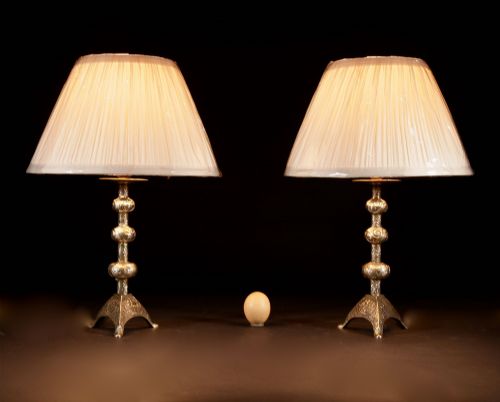
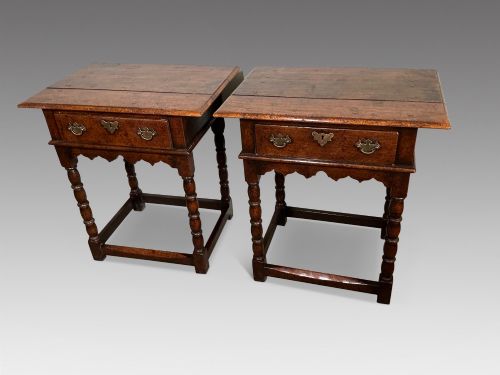
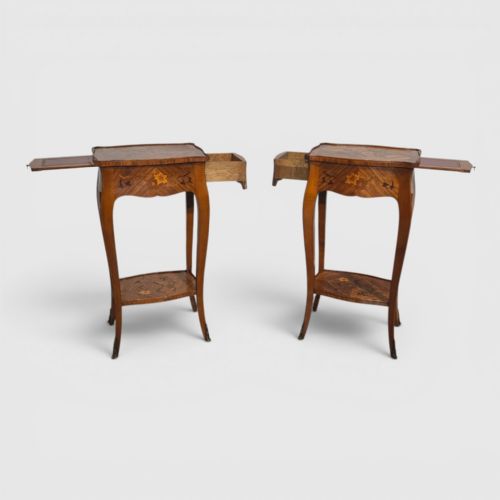
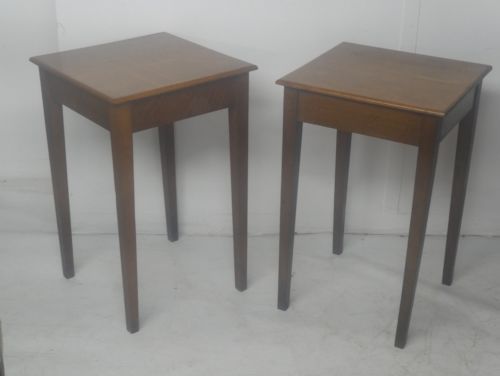
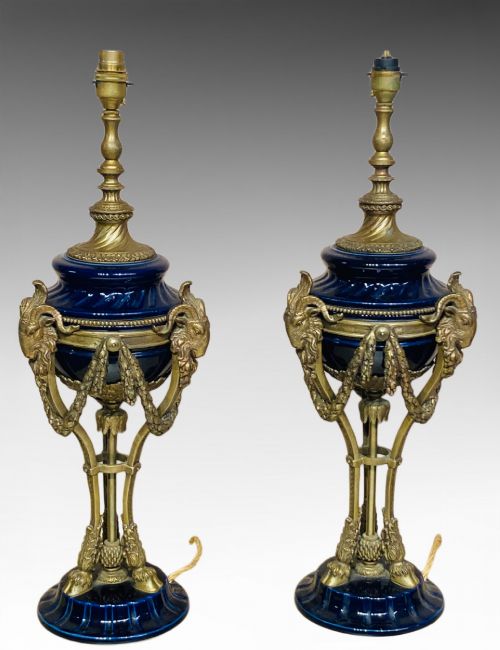
When you search for pair antique accent lamps, you find a dual function across lighting and small furniture, comprising table lamps and lamp tables designed to match. The selection on this page splits between direct lighting fixtures such as urn lamps and smaller support tables like occasional and side tables.
Origins stretch across the eighteenth, nineteenth, and early twentieth centuries, drawing on French, English, Italian, and Asian aesthetics. Forms include marble urns, gilt bronze mounts, walnut wine tables, and lacquered finishes dating from the Georgian era through the Art Deco period.
How they were made
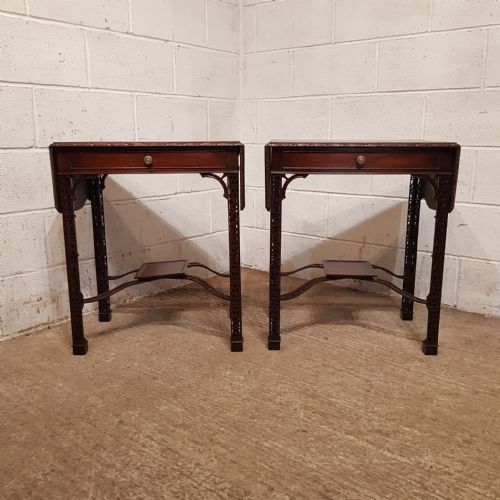
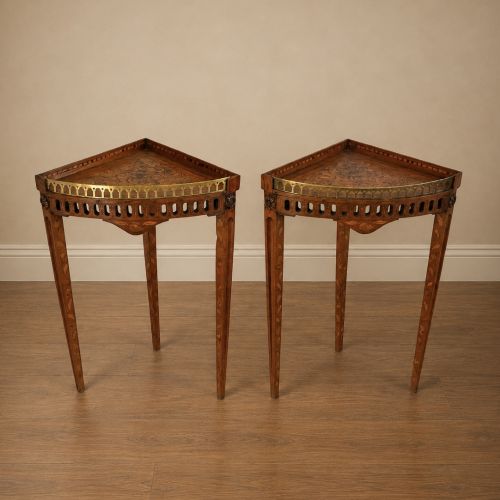
Construction relies on traditional cabinet timbers including mahogany, walnut, oak, and birch, frequently enhanced with marquetry inlay or leather tops. Metal elements employ cast brass, ormolu, gilt bronze, and bronze, often paired with natural stone bases in marble or onyx.
Surface treatments combine hand-rubbed polishes on hardwoods with intricate metal casting and gilding. Ceramic and glass components integrate blue and white Delft, crystal, cloisonné, and Satsuma earthenware.
Listings feature periods spanning the eighteenth, nineteenth, and early twentieth centuries, utilising materials like brass, mahogany, marble, and bronze across table lamps and side tables.
What varies in quality
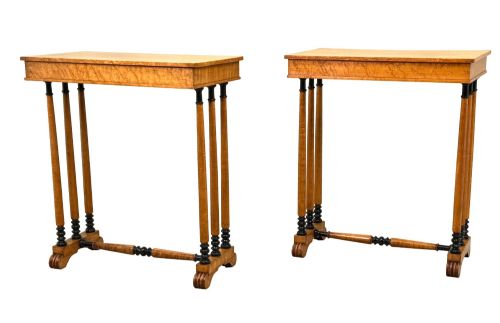
Quality rests in the precision of timber selection, such as figured birdseye maple or matched walnut veneers, and the crispness of cast metal mounts in ormolu and bronze. Superior examples maintain symmetry between both items in the pair, preserving proportional balance in turned columns, galleries, and bases.
The integrity of surface finish and the depth of hand-carved detailing distinguish standard utility pieces from finer decorative works. Original brass galleries, intact marquetry, and clean integration of electrical fittings on converted items dictate the standing of the pair.
The Pair Accent Lamps Glossary
- Ormolu
- Gilt bronze mounted on decorative objects and furniture. This technique involved applying finely ground gold mercury amalgam to a bronze base before firing.
- Marquetry
- Decorative veneer patterns applied to furniture surfaces. Craftsmen assembled thin slices of contrasting woods to create pictorial or geometric designs.
- Cloisonné
- Enamelling technique where wire compartments hold coloured paste. Artisans soldered metal strips to a base metal body before firing the piece.
- Occasional table
- Small movable furniture piece designed for specific light uses. These tables function beside seating or serve as lamp stands within a room.
- Gallery
- Raised metal or wooden border fitted around a tabletop. This rim prevented items from sliding off the surface.
Pair Accent Lamps: Frequently Asked Questions
What defines pair antique accent lamps?
These pieces encompass matched sets of lighting fixtures and small support tables originating from historical periods. They provide symmetrical illumination and surface space within interior schemes.
Items range from cast bronze and marble lamps to mahogany and walnut lamp tables. Each pair maintains coordinated styling across both objects.
How were these items used originally?
Lighting fixtures provided localized illumination on sideboards and desks before electric wiring became standard. Many current table lamps started as oil lamps, vases, or urns.
Small tables functioned beside seating to hold candles, books, or decorative objects. Their portable size allowed repositioning around sitting rooms and bedrooms.
How do I live with these pieces?
Pair antique accent lamps suit placement on matching sideboards, mantelpieces, or dedicated lamp tables. Their dual nature allows you to pair functional lighting with complementary small furniture.
Keep wooden surfaces conditioned with appropriate wax and protect electrical elements with modern safety checks. Symmetrical placement enhances the visual balance of a room.
How do I tell periods apart?
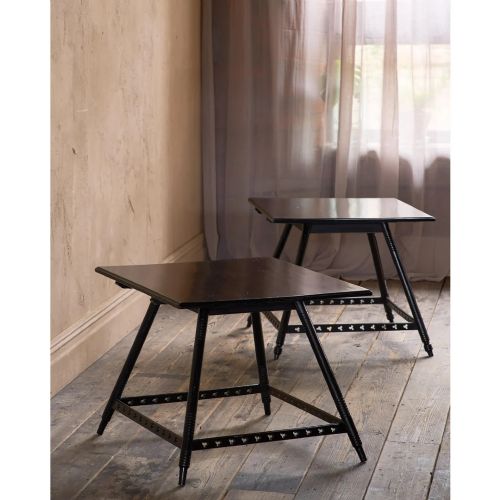
Georgian and Regency examples show restrained classical proportions using mahogany, satinwood, or inlaid marquetry. Victorian and Edwardian pieces introduce heavier carving, rosewood, and complex turned elements.
Early twentieth-century items, including Art Deco pieces, utilise stylized forms, chrome, lacquer, and simplified geometric brass mounts. Material choices and joining techniques help date each piece.