


Painted Wooden Statue
These painted wooden statue pieces bring centuries of hand-carved character and colour to a room, offering genuine folk art and religious sculpture for the home.
Painted Wooden Statue
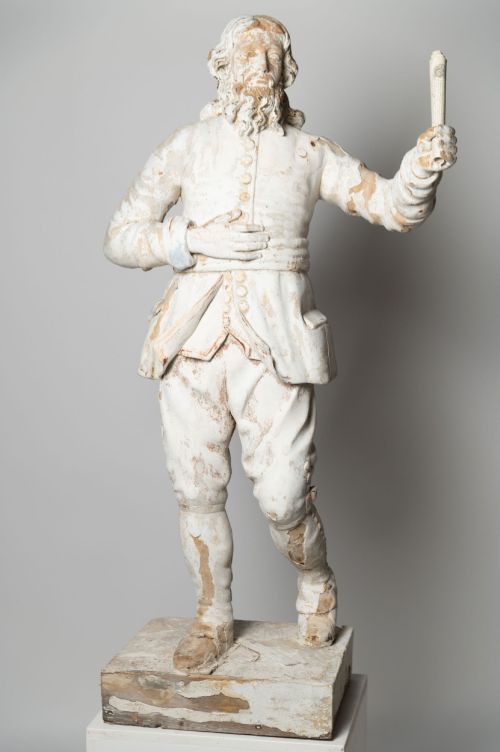
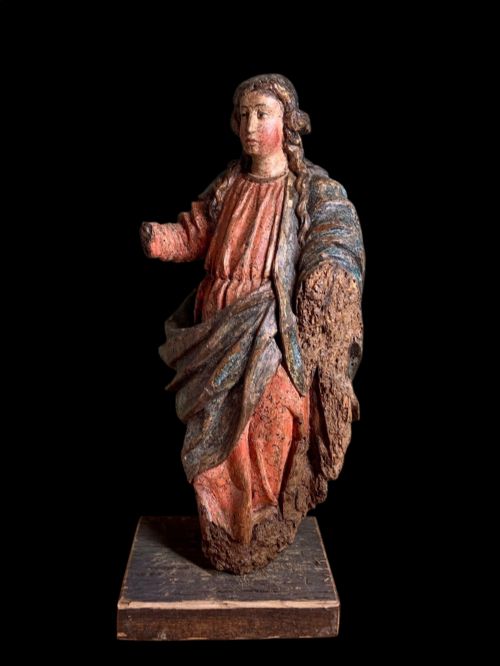
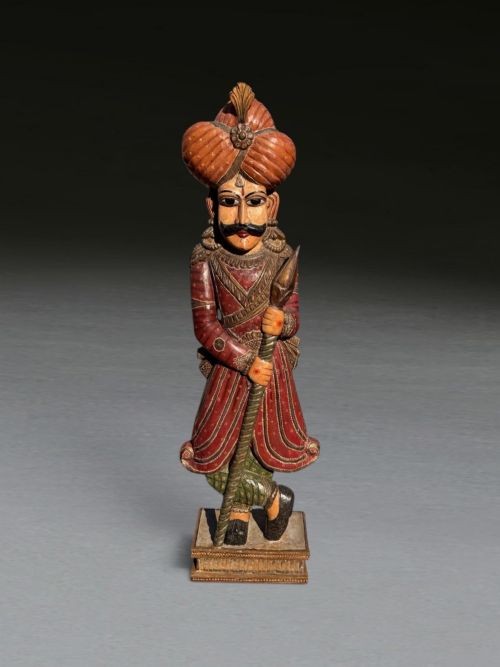
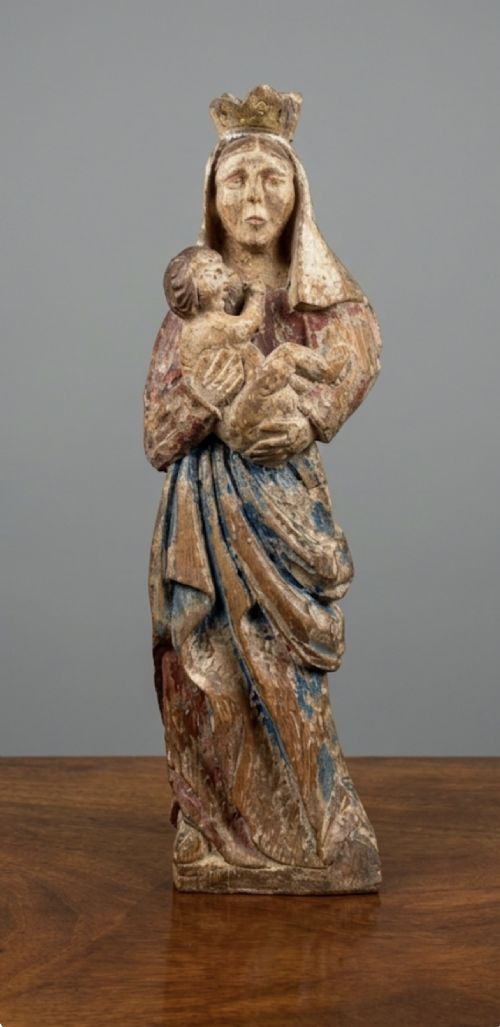
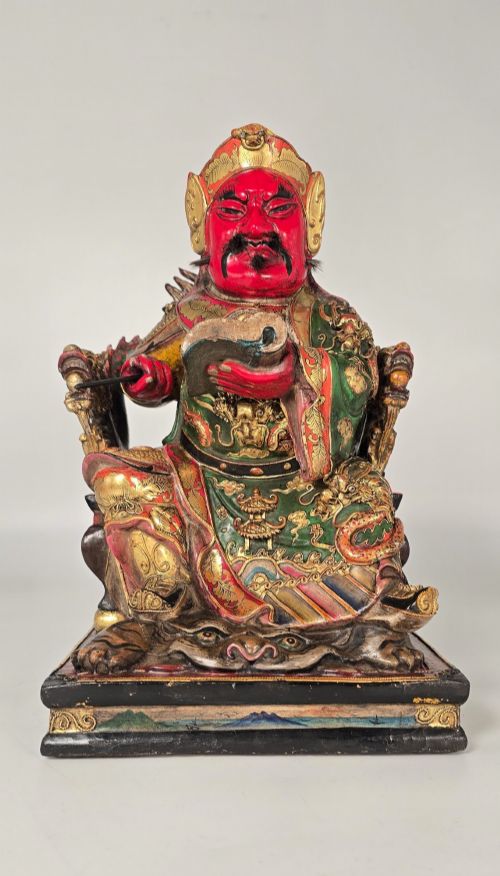
A painted wooden statue bridges the gap between utilitarian craftsmanship and devotional or decorative art, appearing in forms ranging from saints and scholars to trade figures and animals. When you search for a painted wooden statue, you encounter figures carved across multiple centuries, from sixteenth-century devotional subjects to twentieth-century folk art carvings.
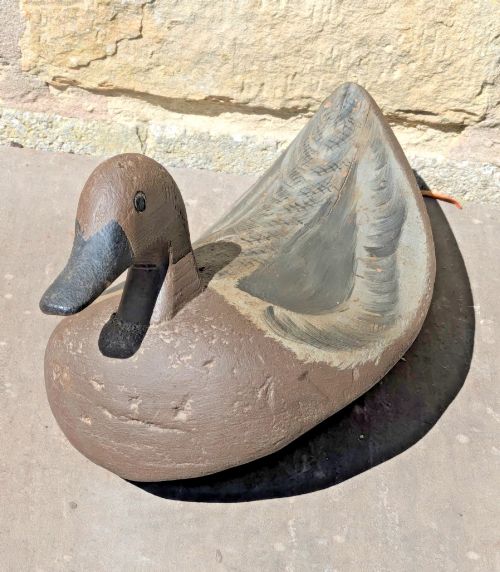
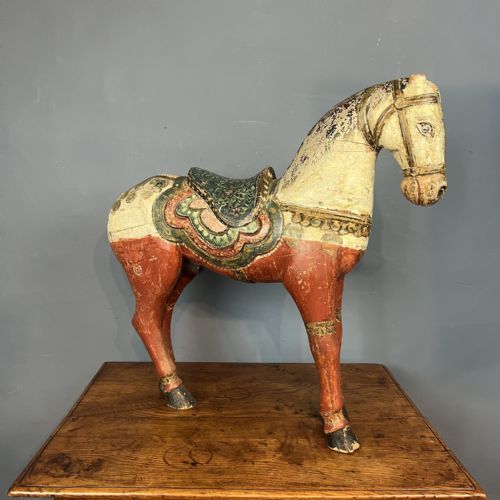
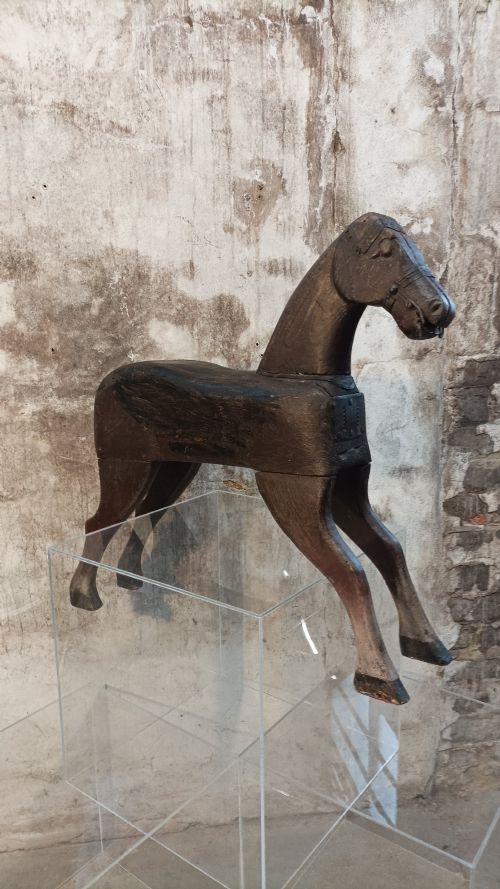
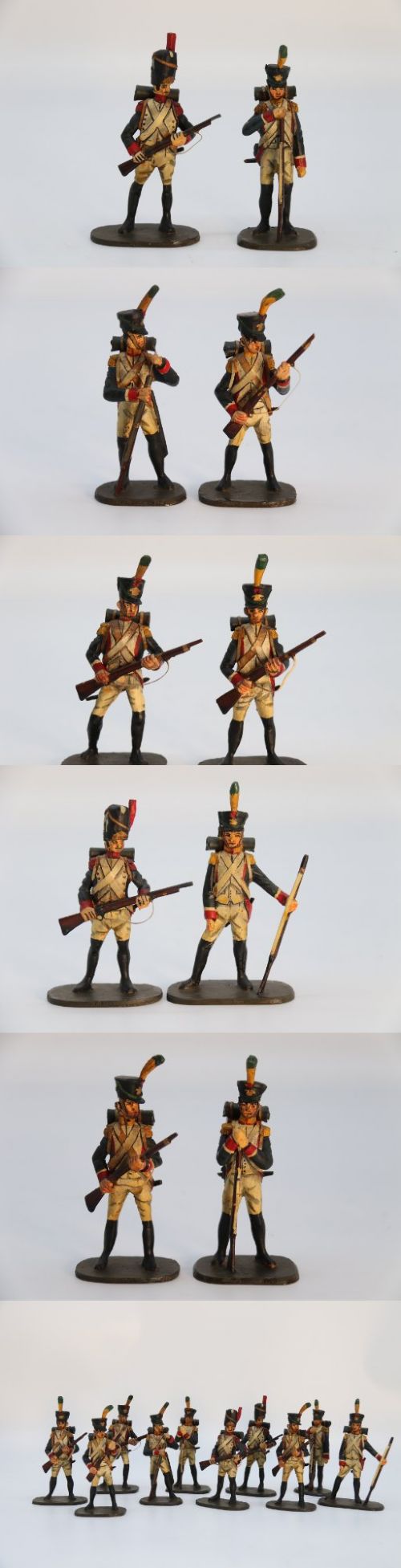
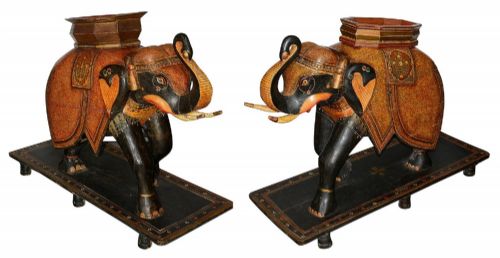
The selection on this page leans heavily toward nineteenth-century works, alongside eighteenth-century religious carvings and various international folk traditions. Pieces include animals such as horses, dogs and elephants, alongside human representations like soldiers, traders and saints.
Origin points span Europe, Asia and the Americas, mixing Venetian, Chinese, Indian, Spanish and Anglo-Indian styles. You will find domestic figures alongside commercial trade signs and devotional home altars.
How They Were Made
Carvers shaped these pieces primarily from solid wood, often applying a layer of gesso to smooth the surface before adding detail. Pigments and polychrome paint provided the colour, sometimes enhanced with gold leaf, silver or lacquer finishes.
Makers applied hand-painted decoration directly to the carved grain, sealing the surfaces with varnishes that aged over time. Certain regions employed specific treatments, such as Chinese lacquering techniques or European parcel-gilt highlights on carved wooden substrates.
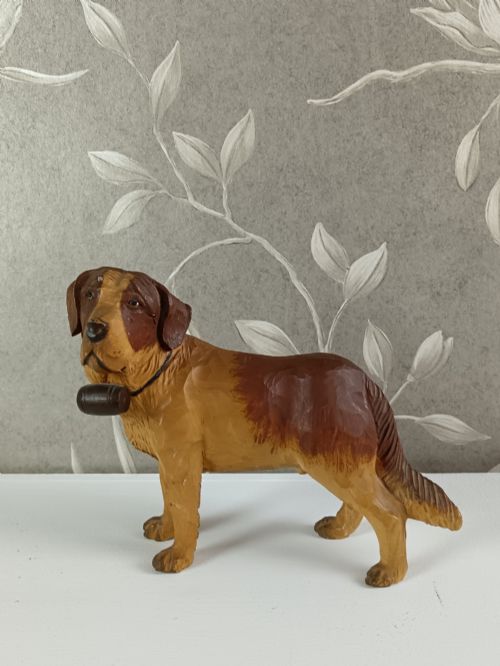
A Saint Bernard rescue dog carved from wood stands ready to assist visitors who might need guidance through the marketplace.
What Varies in Quality
Originality of the surface finish dictates desirability among collectors. Examples retaining their untouched historic polychrome paint and genuine wear command greater interest than pieces subjected to later overpainting or aggressive cleaning.
Bohumil Kafka
The Painted Wooden Statue Glossary
- Polychrome
- Painted in several colours. This term describes statues decorated with multiple pigments rather than a single monotone finish.
- Gesso
- A plaster mix applied to wood as a base. Carvers used this white ground to create a smooth surface before applying paint and gold leaf.
- Trade sign
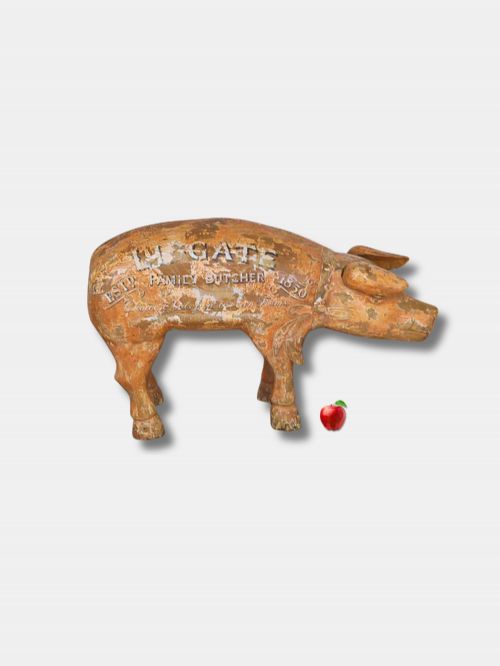
- A large figure advertising a business. These commercial carvings stood outside shops to identify the trade within, such as butchers or tobacconists.
- Parcel-gilt
- Partially gilded with gold leaf. Craftsmen applied this technique to highlight specific areas of a carved wooden figure against a painted background.
- Folk art
- Utilitarian or decorative work created outside academic traditions. These pieces reflect regional vernacular styles and traditional community craftsmanship.
Painted Wooden Statue: Frequently Asked Questions
How do I date a painted wooden statue?
Dating relies on stylistic clues, tool marks, and the ageing of the underlying wood and paint layers. Eighteenth-century pieces often display hand-adzed tool marks and stable, craqueleted pigment.
Nineteenth and twentieth-century examples frequently show different wear patterns and stylistic markers associated with Victorian or folk art traditions.
Where should I place a statue at home?
These figures suit display on mantelpieces, dedicated pedestals, or sturdy sideboards where their height and colour draw the eye. Large trade figures or animals work well freestanding in hallways or principal rooms.
Keep them away from direct sunlight and fluctuating radiator heat to protect the antique wood and painted surfaces.
Are original paint surfaces important?
Original paint finishes define the visual character and historical integrity of these sculptures. Surviving early pigment shows how the piece looked centuries ago.
Overpainted or stripped surfaces alter the visual balance and historical value, making untouched examples more desirable to collectors.
What is the difference between trade figures and religious statues?
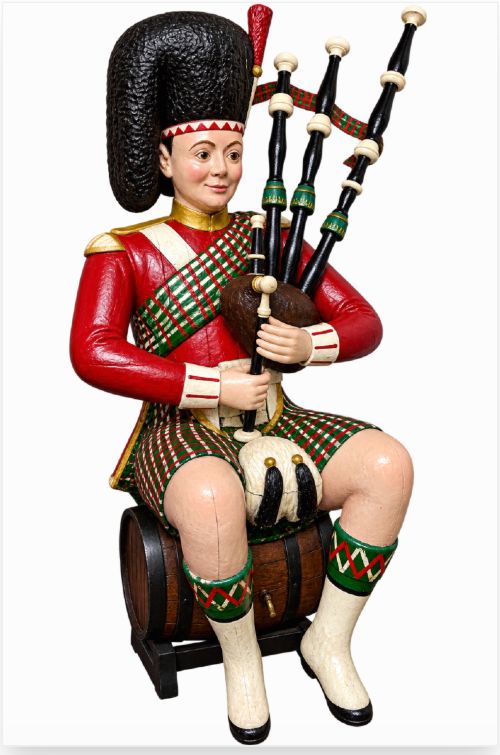
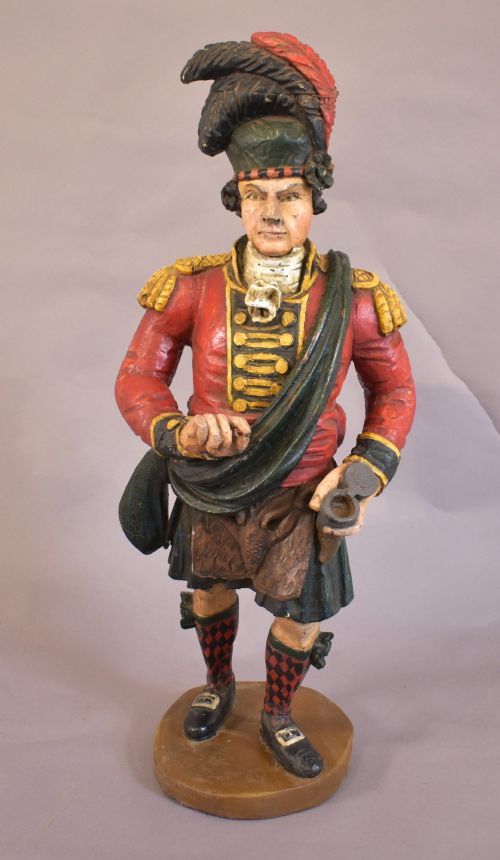
Trade figures were carved to advertise commercial enterprises outside shops, depicting characters like soldiers, Highlanders, or tradesmen. Religious statues served devotional purposes inside churches or home altars, representing saints, madonnas, and biblical figures.
Religious carvings often feature gesso and gilt work, while trade figures prioritise robust outdoor visibility.