


Carved Wood Christ
A carved wood christ brings centuries of intense devotional focus into a room, spanning rustic folk traditions and master workshops alike.
Carved Wood Christ
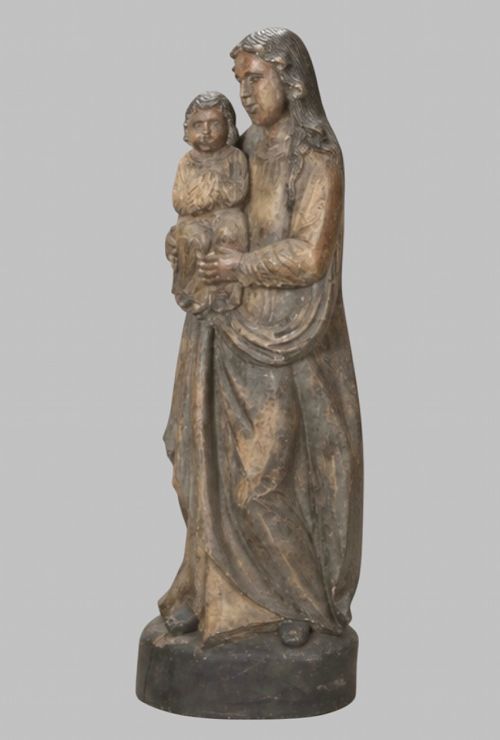
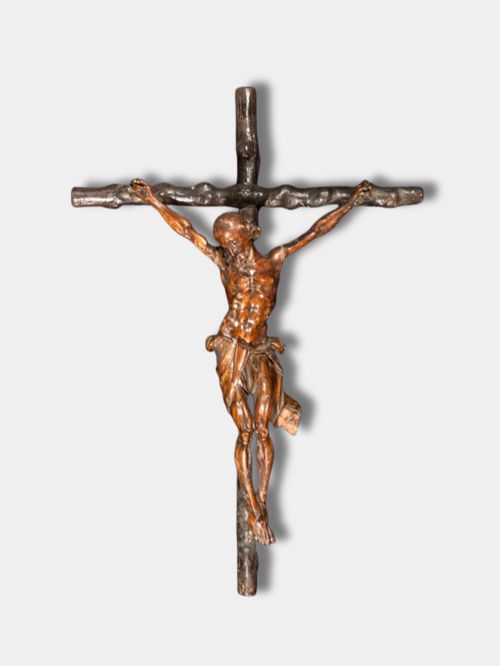
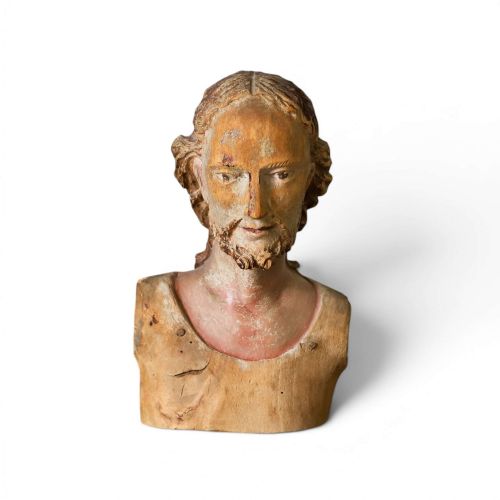
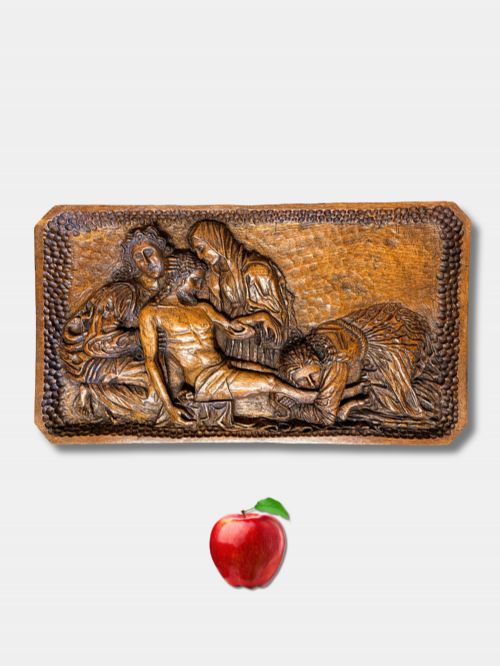
When you search for a carved wood christ, you encounter devotional figures, corpus Christi crosses, wall reliefs, and sculptural busts spanning multiple centuries. The pieces range from monumental life-size French and Spanish figures down to intimate domestic devotional carvings.
The material record on this page shows works originating across Europe, including France, Spain, Italy, Germany, and the Low Countries. These span from medieval oak representations up to later nineteenth-century interpretations.
You are most likely to meet seventeenth-century corpus Christi figures and eighteenth-century devotional panels on this page. These reflect the enduring demand for religious woodcarvings across Catholic and Protestant regions alike.
How they were made
Carvers shaped these figures from timbers suited to fine detail, notably oak, walnut, lime, pine, chestnut, and olive wood. Master artisans utilised gouges and chisels to achieve deep, expressive folds in drapery and anatomical definition in the corpus.
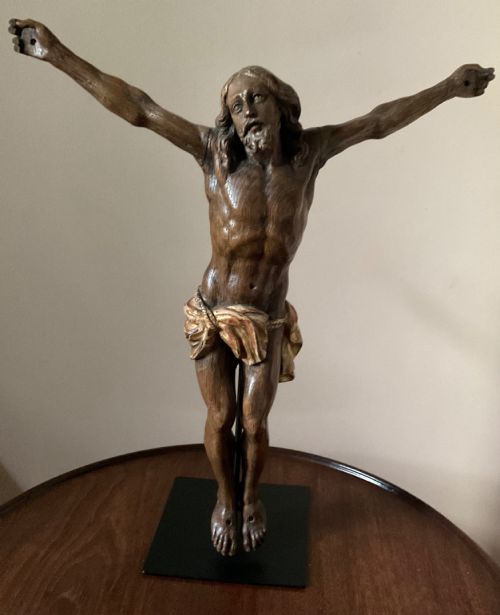
Many surfaces received layers of gesso to smooth the wood before artists applied polychrome paint and parcel gilding. Original paint and gold leaf survive on numerous pieces, showing how makers combined pigment with timber to heighten realism.
Listings span from medieval oak representations to nineteenth-century French and German devotional figures.
What varies in quality
The distinction between ordinary and exceptional carving lies in the anatomical precision of the hands, face, and torso. Master carvers captured bone structure and emotional weight with economy, whereas lesser hands produced stiff, generalized forms.
The survival of original polychrome paint surfaces and early gilding elevates a piece considerably. When pigment remains largely intact rather than stripped or heavily repainted, the artistic integrity of the work shines through.
L.F. Dapre B.O.W.·Louis Sosson
The Carved Wood Christ Glossary
- Corpus Christi
- The figure of Jesus on the cross. This term distinguishes the sculptural body itself from the cross it is mounted upon.
- Polychrome
- Painted in several colours. Makers applied pigments over gessoed wood to create lifelike flesh tones and garments.
- Gesso
- A plaster mixture applied to wood as a base for painting or gilding. It provided a smooth, uniform ground for the artist.
- Parcel Gilt
- Partially gilded with gold leaf. This technique highlighted specific details such as hair, halos, or the edges of robes.
- Pieta
- A subject showing the Virgin Mary holding the dead body of Christ. It appears frequently in medieval and Renaissance woodcarving.
Carved Wood Christ: Frequently Asked Questions
How were these figures used originally?
These carvings served primarily as focal points for private devotion in homes or communal worship in chapels and churches. Many hung above altars or formed part of larger narrative relief panels depicting biblical scenes.
Larger figures were often mounted on processional crosses carried through streets during religious festivals. Domestic pieces remained in chambers for daily prayer and contemplation.
How do I tell a seventeenth-century piece apart from a nineteenth-century one?
Seventeenth-century carvings typically display deeper tool marks and heavier timber selections like oak or walnut, combined with baroque dynamism in the drapery. The modeling of the body tends to emphasise expressive tension rather than strict anatomical accuracy.
Nineteenth-century works often reflect a revival of Gothic or Renaissance styles with smoother finishes and sometimes softer woods like lime or boxwood. Tool marks on nineteenth-century pieces are frequently finer due to updated workshop machinery.
Should I clean original polychrome paint?
Original paint surfaces require extreme caution and should generally be left untouched by amateur cleaning methods. Water or common solvents can strip delicate historic pigments and gesso layers instantly.
Consult a professional conservator if dust or grime obscures the surface details. Preserving the remaining historic pigment is vital for the piece's integrity.
Where should I place a carved wood christ in my home?
Select a wall or surface away from direct sunlight, heating vents, and dampness to protect the aged timber and any surviving paint. Stable room temperatures prevent the wood from expanding, contracting, and cracking over time.
Mounting corpus figures on neutral walls allows the sculptural form and any remaining parcel gilding to stand out clearly.