



Polychrome Timber Sculpture
Polychrome timber sculpture brings together carved wood and surviving layers of paint, gesso or gold leaf to form figures, panels and architectural elements.
Polychrome Timber Sculpture
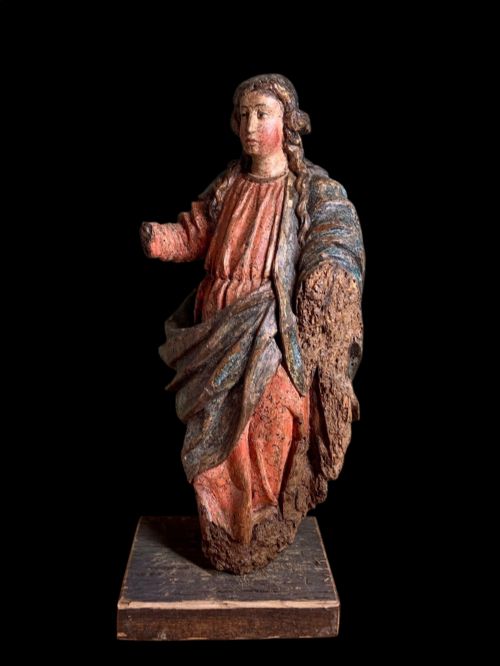
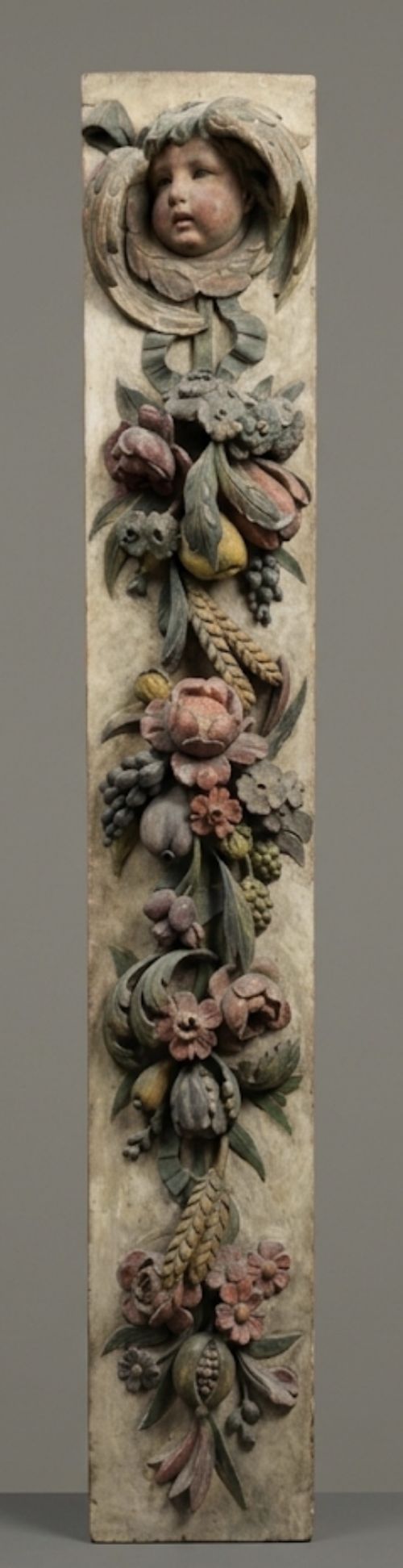
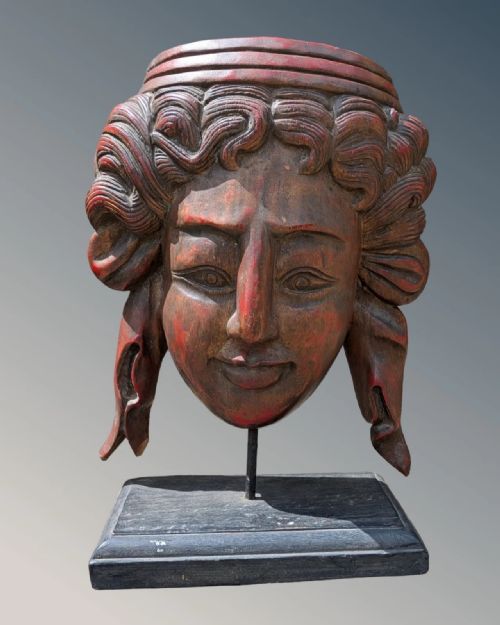
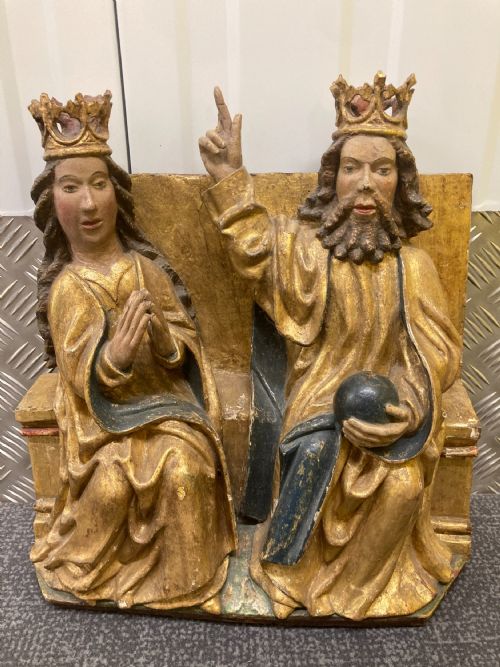
Polychrome timber sculpture encompasses carved wooden figures, panels, animals and architectural elements finished with paint, gesso or gold leaf. When searching for polychrome timber sculpture, buyers encounter pieces ranging from pre-sixteenth century church figures to nineteenth century folk art and trade signs.
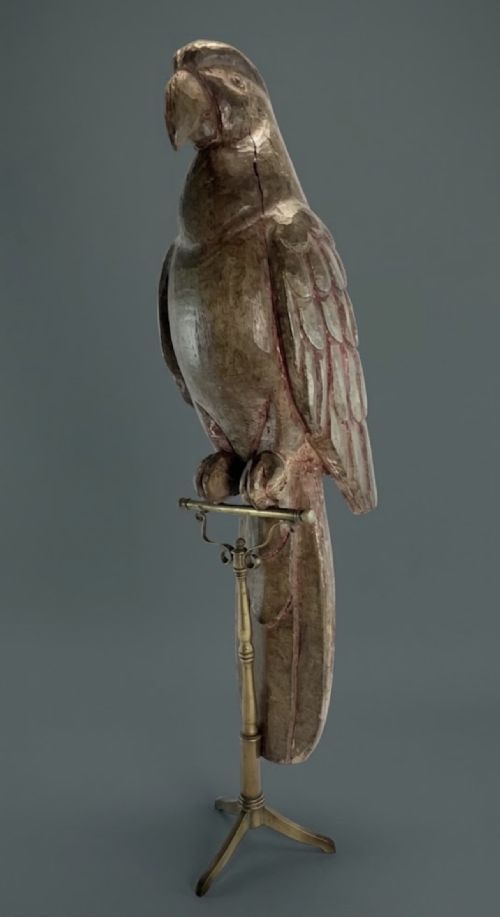
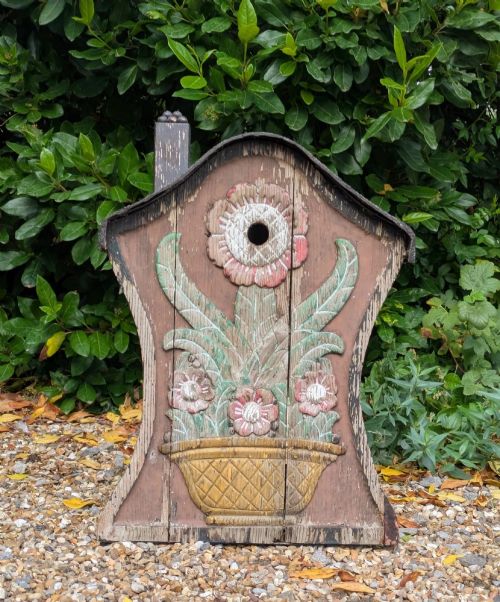
Religious figures, saints, animals and decorative panels dominate the selections. Swedish bird boxes, carousel horses and life-sized figures appear alongside South East Asian and Indian works, showing diverse regional traditions.
The materials combine carved wood with surface pigment, often applied over a gesso ground. Surfaces show varying degrees of original paint, distress and patination accumulated over centuries.
Materials and technique
Carving timber forms the base of each piece, utilising woods such as oak and pine shaped by hand tools. Artisans then applied layers of gesso to create a smooth ground for subsequent decoration.
Pigments combined with binders provided the polychrome surface paint, sometimes accented with gold leaf. This layered construction allowed makers to achieve rich colour and detail on wooden substrates.
A nineteenth century wooden cricketer stands ready to face the ball alongside ancient saints and carved carousel horses.
Judging quality
Quality rests in the sculptural depth of the carving and the integrity of the surviving surface. Stronger examples display confident chisel work and anatomical precision, while lesser pieces rely on crude forms.
The survival of original pigment dictates value more than the age alone. Retained polychromy with authentic craquelure elevates a piece above those with heavy modern repainting or stripped surfaces.
The Polychrome Timber Sculpture Glossary
- Polychrome
- Decorated in multiple colours. This term describes surfaces painted or tinted with various pigments.
- Gesso
- A plaster mix applied to wood as a preparation layer. It provides a smooth base for paint and gold leaf application.
- Gold leaf
- Hammered gold beaten into extremely thin sheets. It is applied to carved surfaces for gilding.
- Newel post finial
- An ornamental cap on the top of a stair post. These carved wooden elements often feature figures or animals.
- Panel
- A flat piece of wood used for carved reliefs. Panels frequently depict narrative scenes or decorative motifs.
Polychrome Timber Sculpture: Frequently Asked Questions
How do I clean polychrome timber?
Dust gently with a soft, dry brush to remove loose particles. Avoid water, harsh solvents or modern cleaning agents that can strip fragile historic paint.
Professional conservators should handle deep cleaning or stabilisation of flaking gesso and pigment layers to preserve the integrity of the surface.
Where should I display these sculptures?
Keep sculptures away from direct sunlight and strong heat sources such as radiators. Stable indoor humidity prevents the wood from drying out and cracking.
Wall-mounted panels require secure fixings into studs or masonry, while freestanding figures need level surfaces and stable display stands.
Are these pieces repainted?
Many older pieces retain traces of original pigment alongside later touch-ups or overpaint applied during historic maintenance. Ultraviolet light or close inspection under magnification helps reveal underlying layers.
Original surface wear and minor pigment loss are standard for centuries-old works and contribute to their authentic visual character.
How can I tell the age?
Age is assessed through tool marks, wood shrinkage patterns, construction methods and the composition of the gesso and paint layers. Hand-cut joinery and period-specific pigments offer strong clues.
Stylistic markers relating to gothic, renaissance or folk art traditions also help narrow down the date of manufacture.