




Cream Painted Sculpture
Cream painted sculpture pieces bring tactile charm to a room, spanning rustic folk art to classical figures.
Cream Painted Sculpture
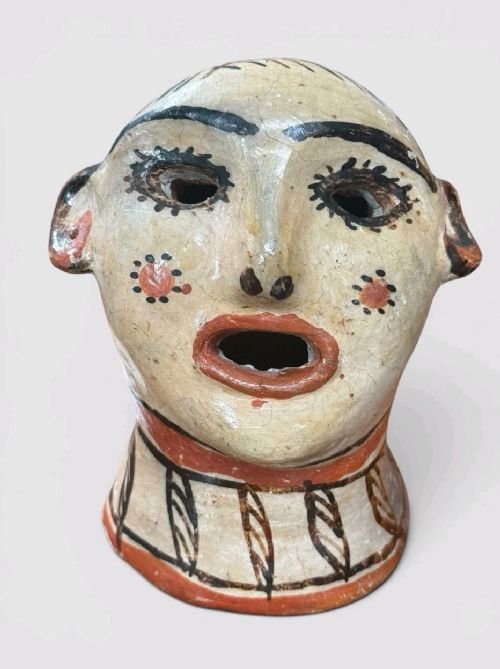
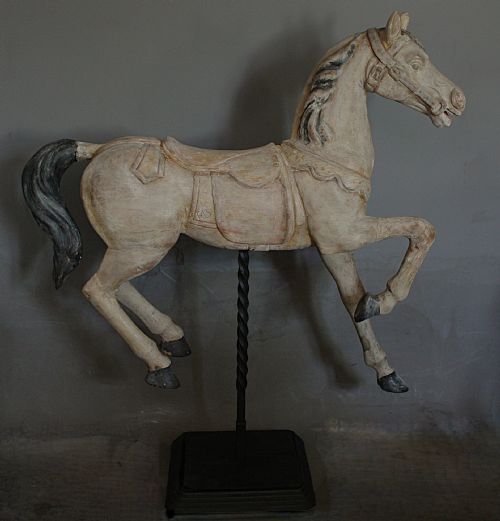
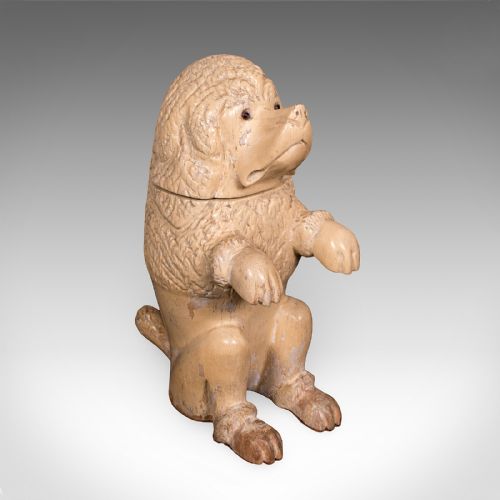
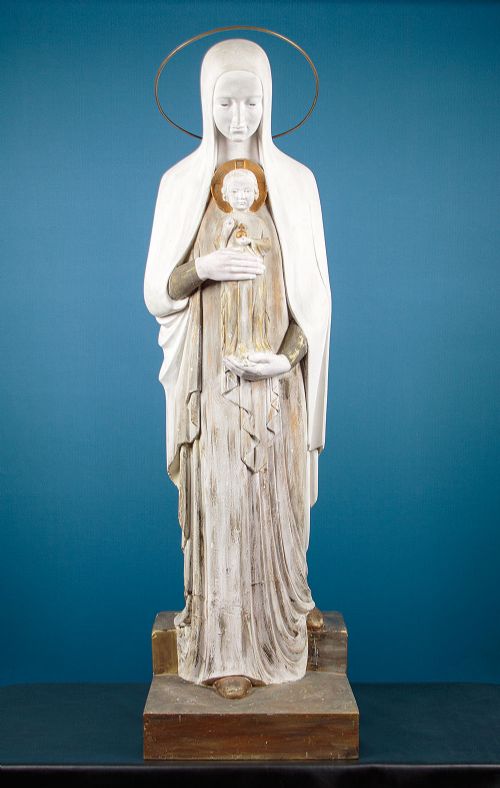
When you search for cream painted sculpture, you encounter a diverse gathering of decorative objects ranging from carved wooden animals to figurative works and architectural columns. The selection here leans heavily towards nineteenth-century folk carvings, carousel figures, and classical pedestals.
Makers utilised various surfaces, coating wood, plaster, and metal in neutral tones to highlight form and texture. These pieces often served as display stands or standalone decorative focal points in period interiors.
How they were made
Carved wood and painted plaster form the primary construction methods across these pieces, utilising traditional hand tools to shape figures, animals, and architectural supports. Artisans applied successive layers of paint over timber or plaster, often achieving a muted, aged palette.
Certain objects incorporate polychrome highlights or gilding beneath or alongside the dominant pale surface, adding depth to the carved details. The application of paint was typically functional and decorative, designed to emulate more costly materials like marble or simply to protect the underlying medium.
An owl bird scarer stands ready to protect gardens, proving that seventeenth-century devotion shares space with avian deterrence.
What varies in quality
The sophistication of the carving and the handling of the painted surface distinguish finer examples from simpler vernacular pieces. Master carvers achieved anatomical conviction and expressive detail in figures, whereas naive folk art prioritises charm over strict proportion.
The character of the aged paint surface significantly influences the appeal of each piece, with original patination holding greater visual interest than later overpainting. Structural integrity in wooden supports and plaster pedestals also marks the difference between sturdy display items and fragile survivals.
Franz Bergman·Royal Worcester·Josef Lorenzl
The Cream Painted Sculpture Glossary
- Folk art
- Objects created by self-taught or traditional artisans, often displaying a charming disregard for strict academic proportions. These pieces rely on direct carving methods and regional materials.
- Polychrome
- Decorated in multiple colours, frequently seen on carved wooden figures and religious sculptures. This technique adds realism or symbolic distinction to the subject.
- Pedestal
- An architectural support or column designed to elevate a bust, urn, or sculpture. They appear in materials like painted plaster and timber.
- Cold-painted bronze
- Metal sculpture decorated with cold-painted pigments that are not fired in a kiln, a technique prominent in Austrian workshops. The paint sits on the bronze surface rather than fusing with it.
Cream Painted Sculpture: Frequently Asked Questions
What periods do these sculptures cover?
The pieces span from the seventeenth century through to the mid-twentieth century, encompassing Victorian, Edwardian, and Art Deco eras.
Earlier items tend towards religious subjects and naive folk carvings, while later examples include modernist figures and industrial display stands.
How should I clean a painted wooden surface?
Dust gently with a dry, soft cloth to prevent abrasion to the aged paint layers. Avoid water and chemical solvents, which can lift or discolour historic pigment.
If deeper cleaning is necessary, consult a professional conservator to preserve the original patination.
Were these pedestals meant to hold heavy items?
Plaster and wooden pedestals were constructed to support substantial decorative urns, busts, and sculptural pieces. Their load capacity depends entirely on the sturdiness of the core material and the breadth of the base.
Checking the internal structure helps determine whether a pedestal suits heavy display use.
How do I distinguish folk art from formal sculpture?
Folk art displays simpler geometric forms and a reliance on regional, unpretentious materials like fruitwood or clay. Formal pieces follow academic proportions and often bear the signature of a trained artist or manufactory.
Both styles utilise paint finishes, but folk carvers focus on rustic utility rather than classical realism.