


Painted Wood Folk Sculpture
Painted wood folk sculpture brings together naive hand-carved forms and layered polychrome surfaces that capture local character.
Painted Wood Folk Sculpture
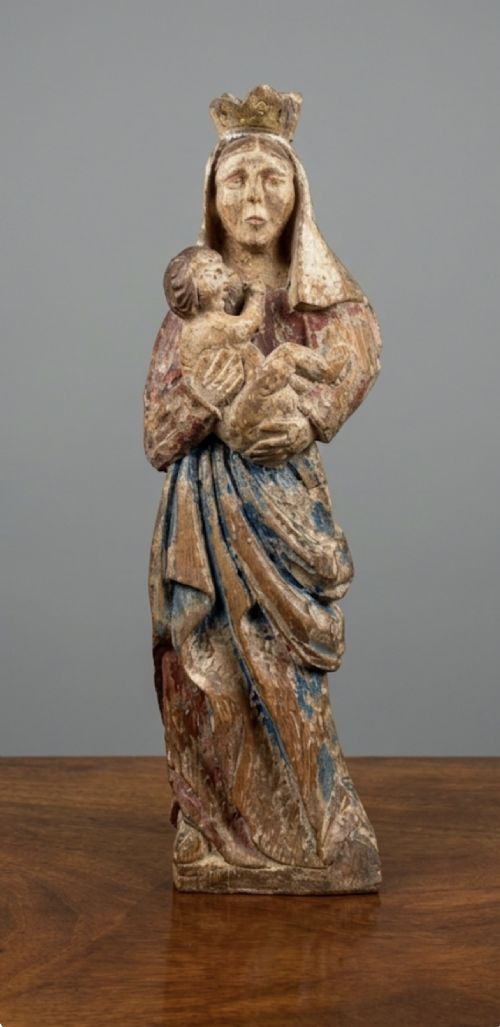
Painted wood folk sculpture comprises carved figures, animals, trade signs, and functional models produced across the eighteenth, nineteenth, and early twentieth centuries. These objects reflect regional traditions from English, American, Scandinavian, and continental makers who worked outside academic art circles.
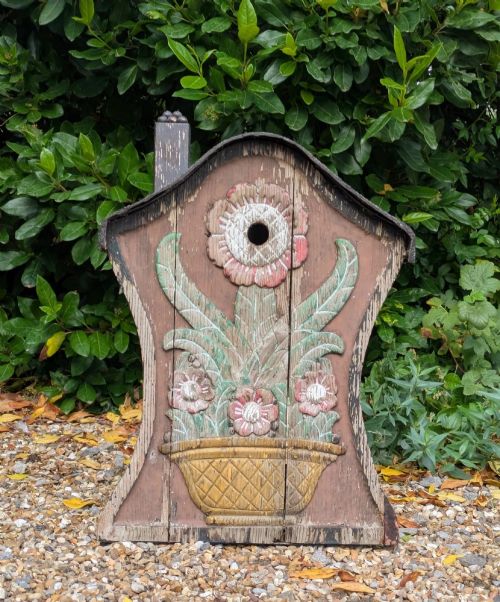
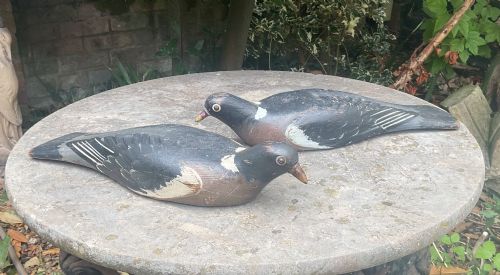
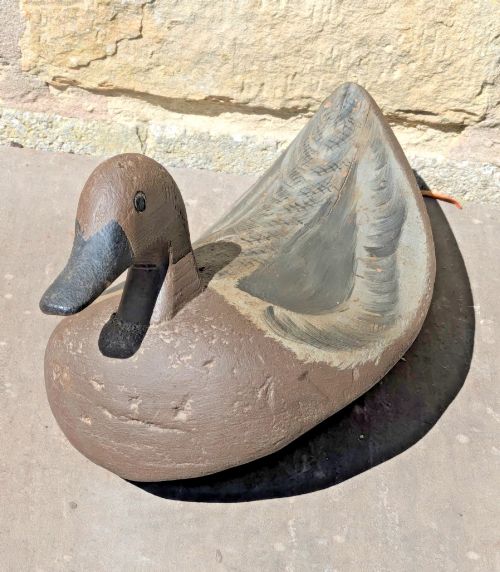
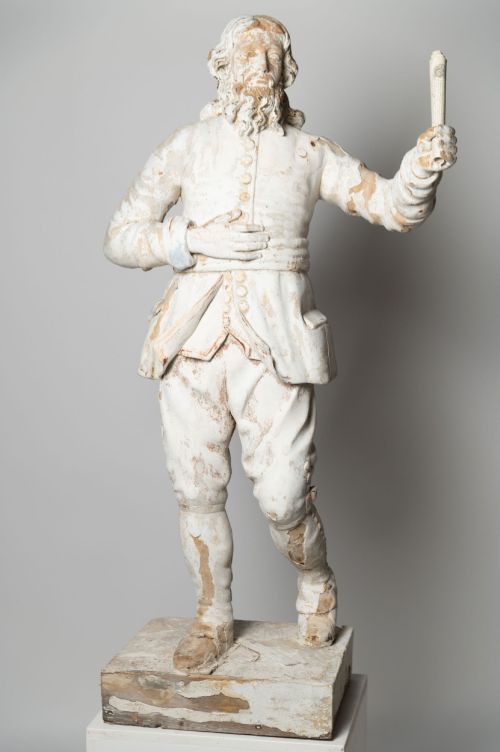
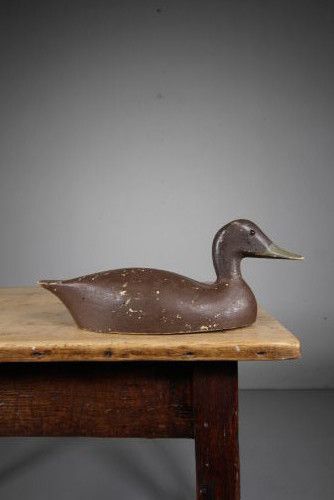
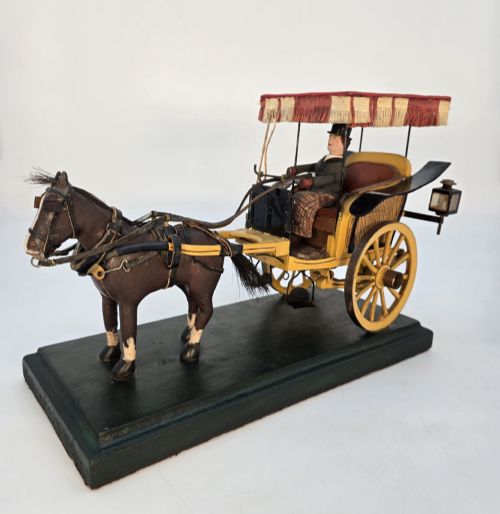
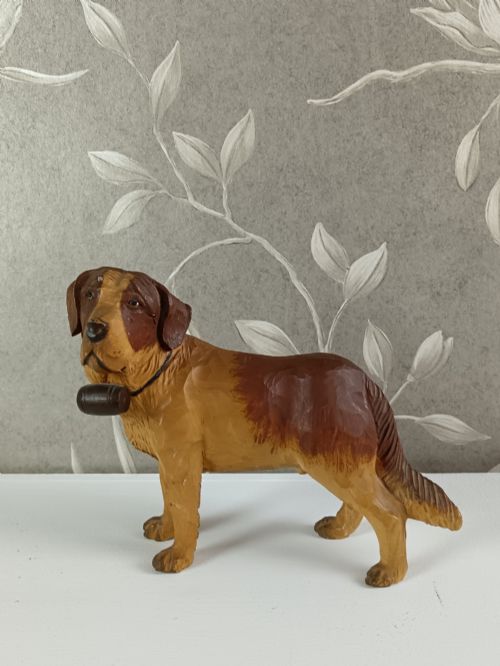
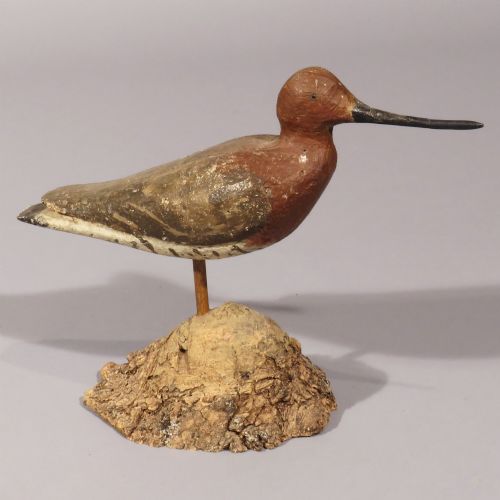
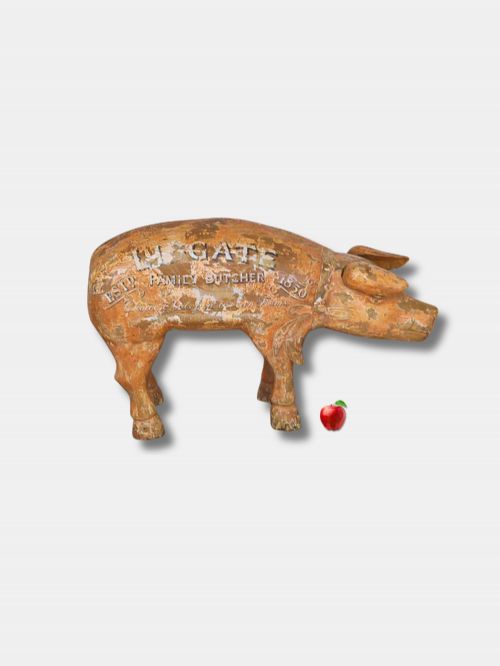
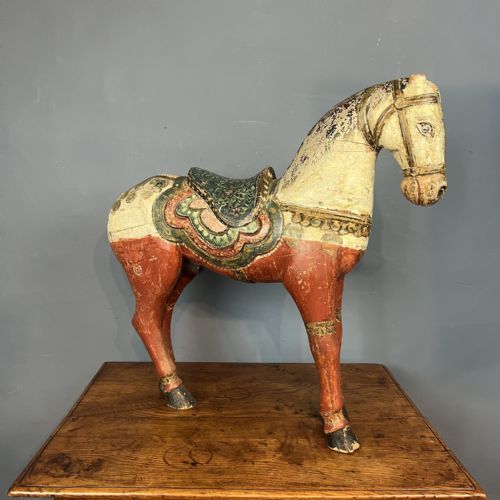
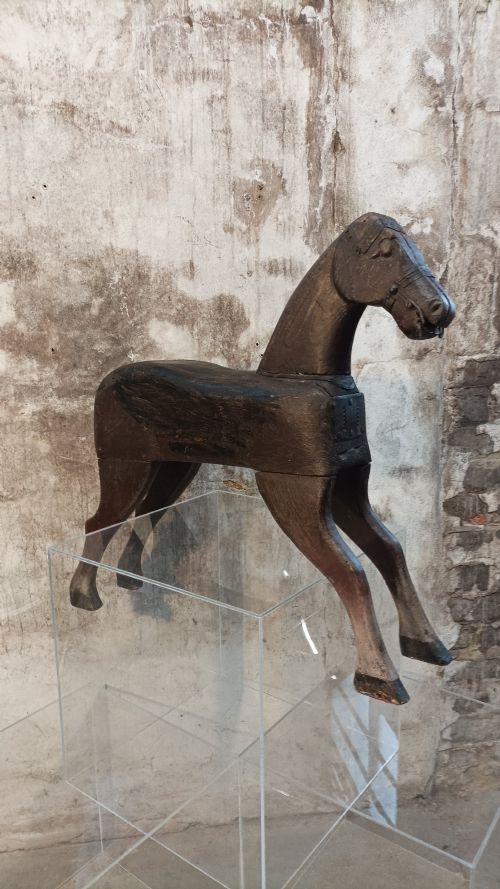
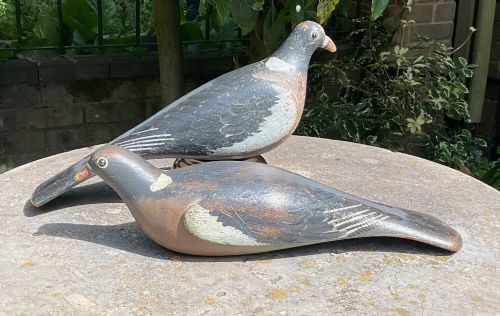
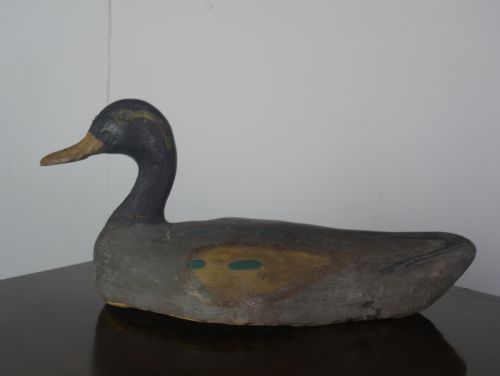
The version most commonly encountered on this page is the working decoy or animal figure, spanning ducks, pigeons, horses, and dogs produced around nineteen hundred and the Edwardian period. Alongside these sit religious figures, trade signs, and architectural models from the nineteenth century.
Makers often relied on simple timber blanks shaped with hand tools, applying coats of paint or gesso that developed rich patinas through decades of handling and exposure.
Materials and construction methods
Carpenters, decoy makers, and itinerant carvers worked with available local timber, utilising carved wood, solid timber, and occasional iron or metal bracing for structural support. Pieces were shaped using drawknives, gouges, and saws before receiving primary coats of paint.
Surfaces were finished with polychrome paint, gesso, and layered oil colours that often show successive restorations or natural weathering. Many objects combine carved wood components with applied metal elements, such as trade sign brackets or mechanical linkages in whirligigs and jigger dolls.
Listings feature works spanning the eighteenth century to the nineteen-thirties, incorporating carved wood, polychrome paint, gesso, and iron elements.
Evaluating quality and surface survival
Quality rests in the strength of the carving and the integrity of the original paint surface, distinguishing deliberate artistic expression from mechanical production. Sculptures with untouched, layered polychrome paint and confident tool marks command greater interest than heavily stripped or later repainted examples.
Proportion and stance separate exceptional figures from standard workshop output, particularly in animal carvings and carousel fragments where anatomical exaggeration defines the folk style. The survival of original mounting, signs of genuine utility, and crisp chisel work indicate superior hand manufacture.
The Painted Wood Folk Sculpture Glossary
- Polychrome paint
- Decoration applied using multiple colours of pigment. This surface treatment defines the visual appeal of folk carvings and trade figures.
- Decoy
- A carved wooden bird or animal used historically in hunting. These working objects form a major category of folk sculpture.
- Gesso
- A plaster-like mixture applied to wood surfaces as a preparation for painting. It provides a smooth ground for subsequent pigment layers.
- Whirligig
- A wind-driven mechanical folk sculpture with moving parts. These kinetic objects rely on air movement to animate the carved figures.
- Trade sign
- A painted wooden object or figure hung outside a shop to advertise a trade. Examples include butchers' boards and carved figures.
Painted Wood Folk Sculpture: Frequently Asked Questions
What defines folk sculpture?
Folk sculpture comprises objects made by self-taught or traditional craftsmen rather than formally trained academic artists. These pieces serve practical, decorative, or commercial purposes within local communities.
The materials typically include carved wood finished with hand-applied paint, reflecting the immediate environment and functional needs of the maker.
How old are these wooden figures?
The pieces span from the eighteenth century through the Edwardian era and into the early twentieth century. Dating relies on tool marks, timber types, and the composition of the paint layers.
Earlier examples often display deeper patination and simpler construction methods, while pieces from nineteen hundred onward incorporate more varied regional styles.
How were decoy ducks used?
Decoys were floated on water or placed on shores to attract wildfowl for hunters. Carvers shaped them from timber and painted them with realistic or simplified plumage.
After their working life ended, these functional objects survived through their sculptural forms and worn painted surfaces.
How should I clean painted wood?
Painted wooden sculptures require minimal intervention to preserve their historic surfaces and original pigment. Dusting with a soft, dry brush is generally sufficient for routine maintenance.
Avoid liquid cleaners, moisture, and chemical solvents, which can lift delicate gesso and vintage oil paint layers.