


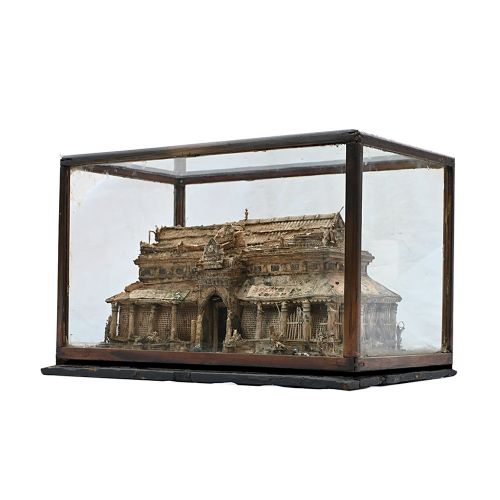


19th Century Architectural Model
These 19th century architectural model pieces bring classical antiquity and vernacular building forms into the room with remarkable presence.
19th Century Architectural Model
When you search for a 19th century architectural model, you encounter a fascinating cross-section of souvenirs, folk art, and detailed decorative objects. The selection ranges from classical Italian temple ruins and column monuments to vernacular subjects like grocery store models and churches.
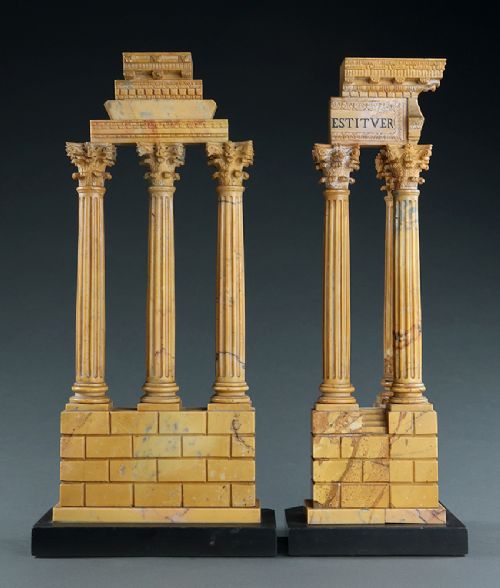
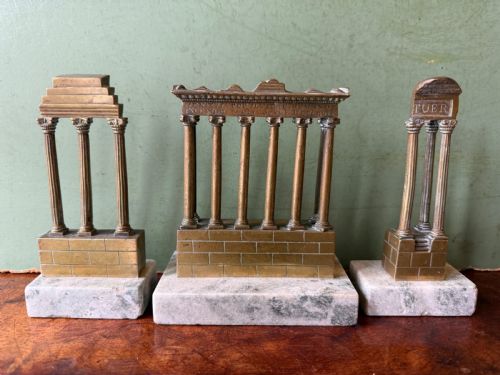
Grand Tour souvenirs dominate the field, particularly polished bronze and Siena marble depictions of Roman monuments such as the Foro Romano, the Arc de Triomphe, and the Vendome Column. Alongside these formal classical subjects, vernacular pieces such as cork work dioramas, pagodas, and folk art slate columns appear with regularity.
The objects serve as tangible links to nineteenth-century travel and domestic craftsmanship. Whether taking the form of a fretwork clock case or a specimen marble obelisk, each item reflects the period's intense fascination with building design and historical structure.
Materials and construction methods
Makers utilised a diverse palette of hard materials to capture the solidity of real buildings, relying heavily on bronze, marble, slate, and stone. Bronze castings provide crisp detail for miniature columns and sculptural reliefs, while polished Siena marble and specimen marbles offer heavy, cool surfaces that mimic ancient stone.
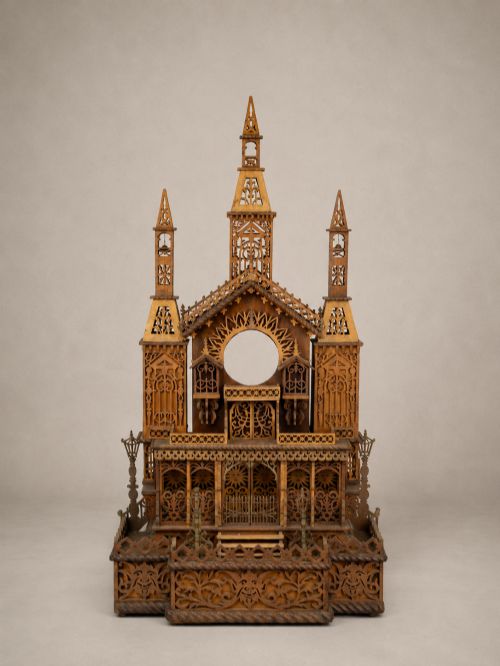
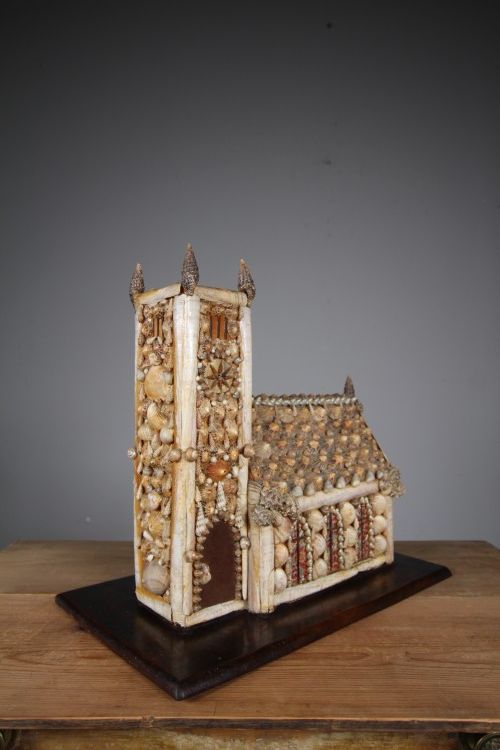
Woodwork and organic materials form another major pillar of construction, encompassing pine, fruitwood, glass, paper, and shell work. Folk art interpretations often combine simple timber framing with meticulous hand assembly, seen in intricate shell churches, cork dioramas, and fretwork clock cases.
The listings on this site span the nineteenth century, featuring materials from bronze and Siena marble to slate, pine, and shell work.
Markers of distinction and finesse
Quality in these models rests on the precision of the casting or the intricacy of the hand assembly. Bronze Grand Tour pieces distinguish themselves through sharp definition in capitals and friezes, whereas marble and stone examples rely on clean polish and accurate proportions.
Folk art and vernacular pieces are judged by the inventiveness of the design and the patience of the execution. A well-wrought cork diorama or a carefully detailed grocery store model shows a disciplined eye for scale and structural rhythm that separates standard work from superior examples.
The 19th Century Architectural Model Glossary
- Grand Tour
- A cultural journey of Europe undertaken by wealthy young men in the eighteenth and nineteenth centuries to study classical art and architecture. Souvenirs purchased along the way included miniature bronzes and marble models of famous ruins.
- Specimen marble
- Stonework composed of various contrasting coloured marbles assembled in geometric patterns or specific architectural shapes like obelisks. It highlights the maker's skill in cutting and fitting hard mineral slices.
- Fretwork
- Ornamental design created by cutting intricate patterns through thin boards using a scroll saw or fretsaw. It frequently appears on nineteenth-century clock cases and architectural decorative woodwork.
- Diorama
- A three-dimensional scene enclosed in a box or case, often utilising perspective and layered materials. Cork work examples from the nineteenth century often depict classical ruins or landscapes in miniature.
- Obelisk
- A tall, four-sided, narrow tapering monument which ends in a pyramid-like shape at the top. In nineteenth-century decorative arts, these were frequently turned from specimen marbles as cabinet ornaments.
19th Century Architectural Model: Frequently Asked Questions
What is a 19th century architectural model?
These items are three-dimensional representations of buildings, monuments, and classical ruins created during the nineteenth century. They include bronze and marble souvenirs from the Grand Tour as well as vernacular folk art structures.
Makers constructed them as display pieces, learning aids, or travel mementos. Their subjects range from Roman temples and column monuments to domestic shops, pagodas, and churches.
Why were Grand Tour models made?
Travellers on the Grand Tour purchased miniature buildings and ruins as tangible reminders of their educational travels through Italy and France. Workshops in Rome and Paris produced these portable bronze and marble pieces specifically for the souvenir market.
The objects allowed collectors to display their classical learning and sophisticated taste within their domestic interiors back home.
How do I care for marble and bronze models?
Marble and bronze require simple dusting with a soft, dry cloth to prevent the accumulation of grime in recessed architectural details. Avoid chemical polishes or excessive moisture, which can damage patinas or delicate stone surfaces.
Keep them away from direct heat sources and strong sunlight, which can alter exposed finishes and affect organic components in mixed-media pieces.
Are folk art architectural models different from Grand Tour pieces?
Folk art models are typically vernacular creations made by local makers using accessible materials like wood, slate, cork, or shells. They reflect individual domestic creativity rather than the commercial workshops that turned out standardised bronze and marble souvenirs.
While Grand Tour models focus on classical antiquity, folk art examples lean towards local buildings, whimsical structures, churches, and imagined environments.