
Antique French Desk Sculpture
An antique french desk sculpture brings character to a working surface, cast in bronze or ormolu and mounted on marble.
Antique French Desk Sculpture
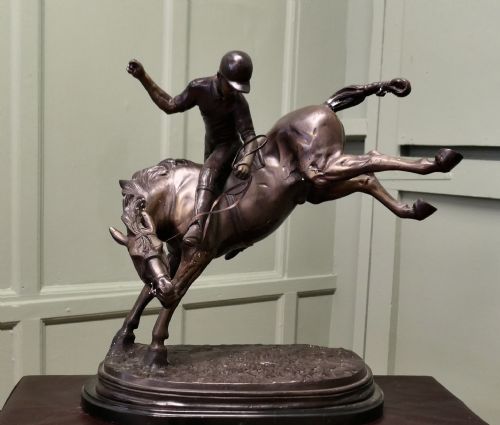
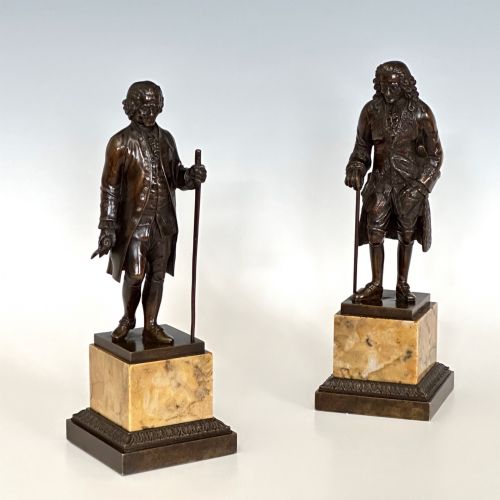
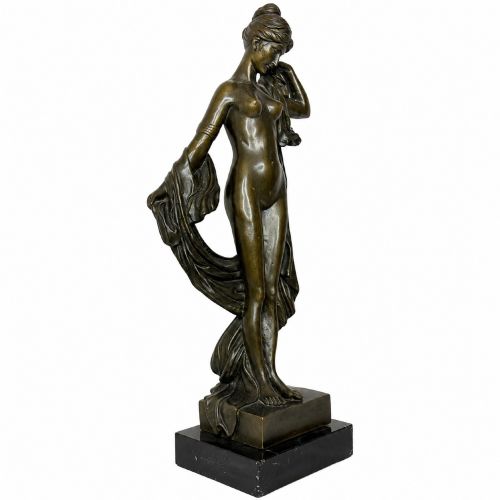
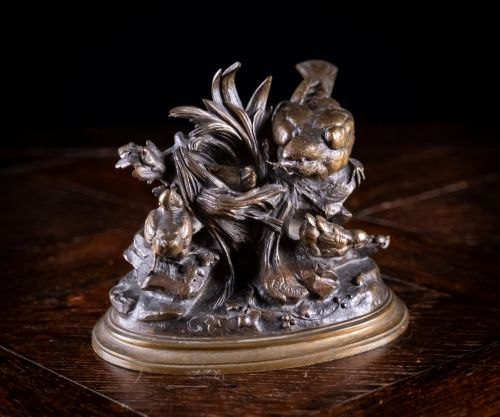
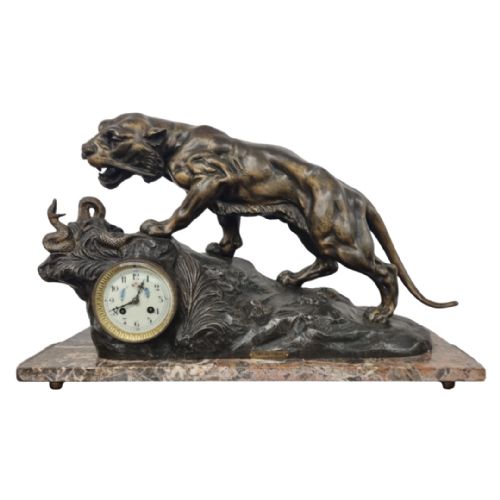
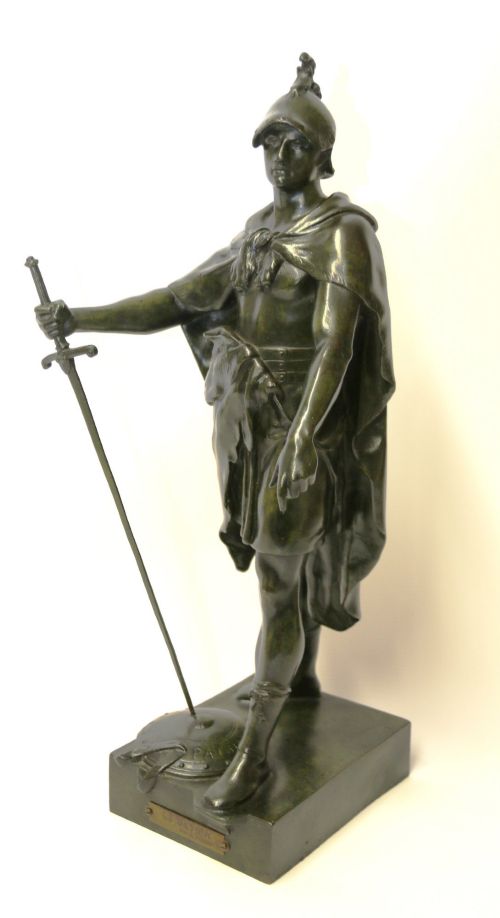
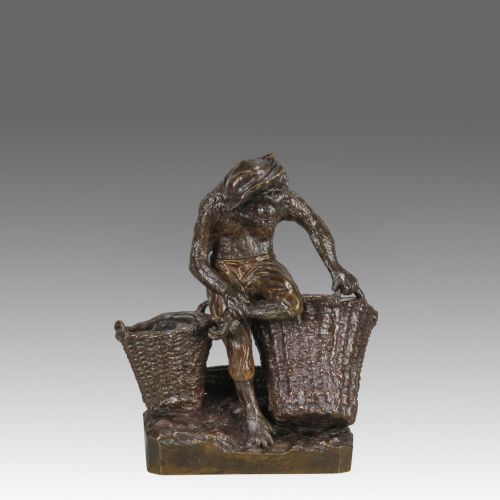
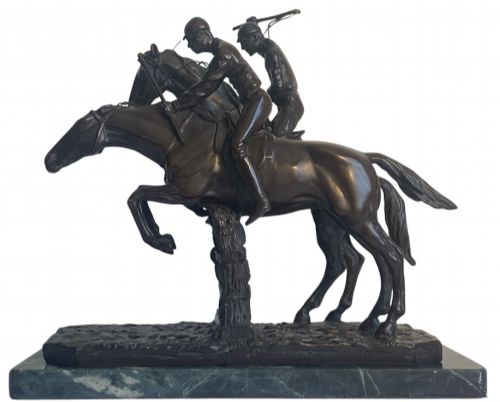
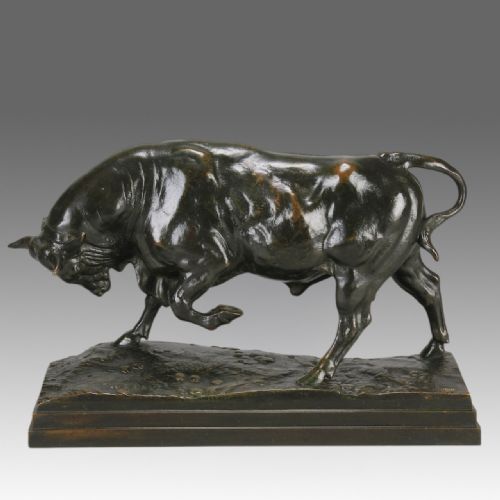
When someone searches for an antique french desk sculpture, they encounter functional objects and standalone figures designed to sit upon writing tables and mantelpieces. The forms range from animalier studies of horses and birds to portrait busts, inkwells, and small decorative bronzes produced across the nineteenth and early twentieth centuries.
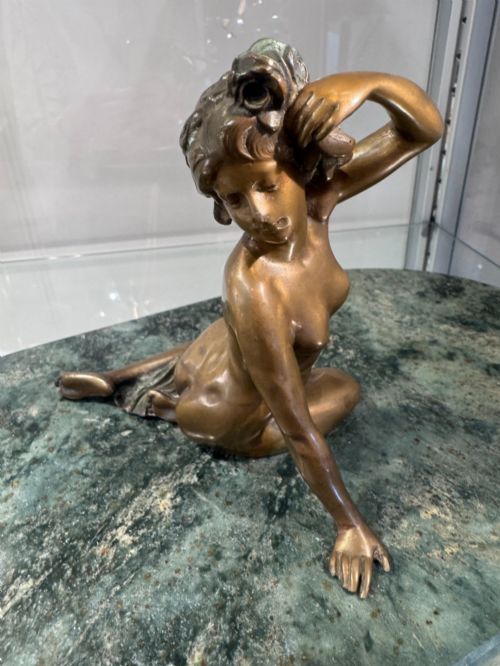
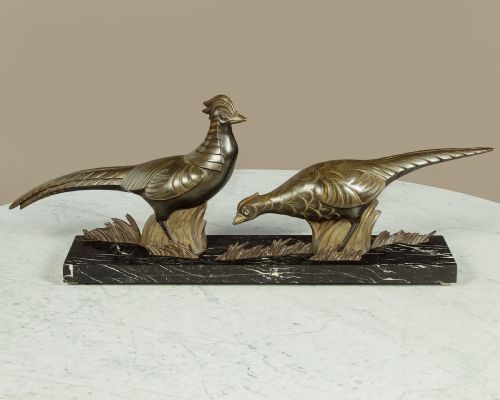
The most common versions met on this page combine cast metal with stone bases, such as patinated bronze figures mounted on marble or onyx plinths. These pieces reflect shifting tastes from nineteenth century neoclassical and animalier subjects towards the streamlined geometries of Art Deco and Art Nouveau designs.
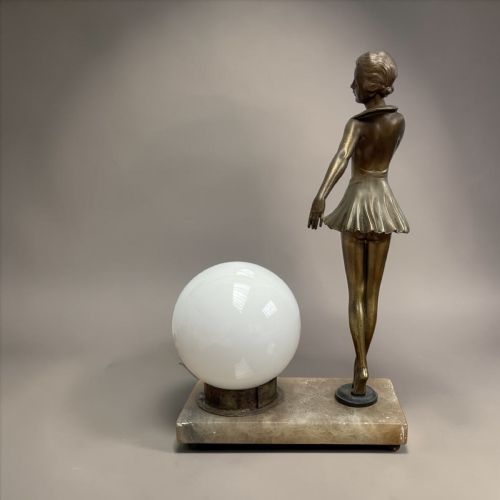
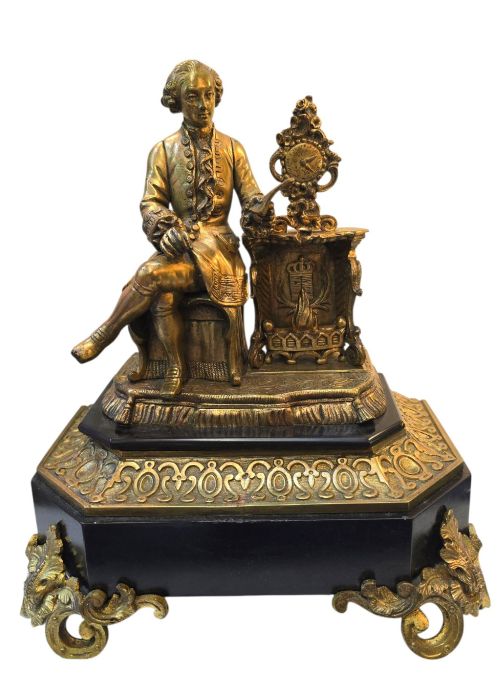
Makers and foundries utilised varied materials including gilt bronze, ormolu, and frosted glass to create desk ornaments that doubled as paperweights, desk lamps, and inkstands. Each object demonstrates the skill of french metalworkers working in periods spanning from the restoration era through to the mid twentieth century.
Materials and casting methods
Foundries employed the lost-wax casting method or sand casting to shape molten bronze, ormolu, and spelter into detailed animal and human figures. Artisans then refined the raw metal surfaces through chiselling and filing before applying patination or gilding.
Heavier elements such as bases and plinths relied on natural stones including marble and onyx, which workers cut and polished to support the metal sculptures. Inkwells and desk lamps integrated glass components, such as frosted glass shades or glass ink inserts, fitted directly into metal housings.
Materials utilised across these items include patinated bronze, gilt bronze, ormolu, onyx, marble, frosted glass, and enamel.
Distinctions in quality
The degree of hand-finishing on the metal surface separates standard production pieces from superior works, particularly in the crispness of feather, fur, and facial detail. Superior castings retain sharpness in high-relief elements without softening from worn moulds.
The quality of the mount also dictates value, seen in the selection of dense, richly veined marble or onyx rather than plain stone. Integration between the sculpture and its base, alongside the depth and longevity of the original patination, marks out the work of skilled founders.
Louis Emile Cana·R Varnier·Pierre Jules Meme·Émile Louis Picault·Christophe Fratin·Antoine Louis Barye·Alfred Barye·Dora Heber·Aurore Onu·Henry Wissen Senior·Rene Lalique·Georges Van Der Straeten·Zoldan Kovats·Emile Guillemin·Leon Message·Jollet et Cie
The Antique French Desk Sculpture Glossary
- Animalier
- A nineteenth century artistic movement focused on the realistic depiction of animals, particularly predators, horses, and game birds. Sculptors working in this style studied live subjects in menageries to achieve anatomical accuracy.
- Ormolu
- Finely ground high-carat gold applied to a bronze base using a mercury amalgamation technique. This decorative coating yields a rich, warm yellow lustre that resists tarnishing over decades of exposure.
- Patination
- The surface coloration and finish achieved on metal either through natural ageing or chemical treatments. A controlled patination enhances the contours and shadows of cast bronze figures.
- Spelter
- An alloy primarily composed of zinc, utilised as a less expensive alternative to bronze during the nineteenth and twentieth centuries. It accepts metallic paints and patinas to simulate the appearance of true bronze.
- Inkstand
- A desk accessory comprising one or more inkwells, pen trays, and sometimes a sander mounted on a shared base. These fixtures combined utility with ornamental sculpture for the nineteenth century writer.
Antique French Desk Sculpture: Frequently Asked Questions
What is an animalier bronze sculpture?
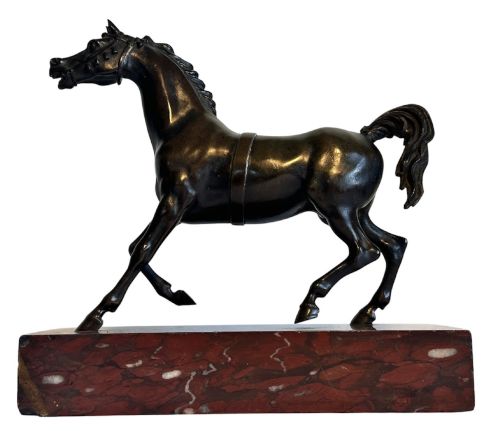
An animalier bronze is a nineteenth century sculpture dedicated to realistic portrayals of animals in motion or repose. These pieces capture creatures such as horses, hounds, and birds with close attention to natural anatomy.
Foundries cast these works to adorn domestic interiors, often mounting them on stone plinths to serve as decorative desk ornaments or paperweights.
How do bronze and spelter differ?
Bronze is a durable alloy of copper and tin that accepts chemical patinas and holds fine casting details exceptionally well. Spelter is a softer zinc-based metal used as a budget-friendly alternative.
Objects cast in spelter are lighter than bronze equivalents and often feature applied painted finishes rather than chemical patination.
How were antique inkwells used?
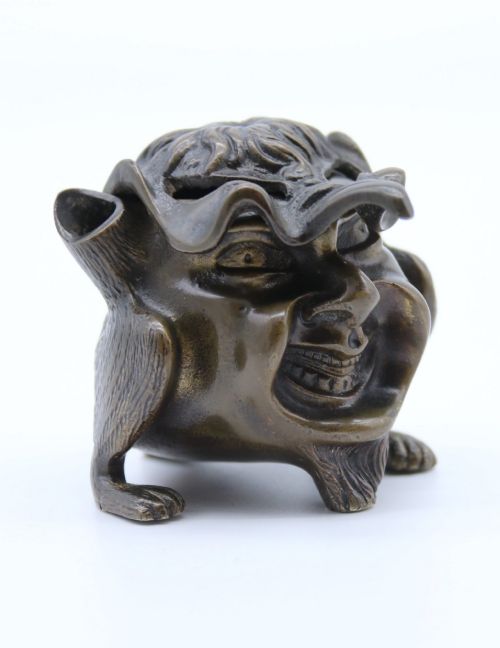
Antique inkwells served as desktop repositories for liquid ink used with dip pens before the widespread adoption of fountain pens. They typically featured a lidded glass or ceramic insert surrounded by a bronze or marble frame.
Many incorporated pen rests or matching trays to keep writing implements contained on the desk surface.
What distinguishes Art Deco desk sculptures?
Art Deco desk sculptures from the 1920s and 1930s utilise streamlined forms, geometric patterns, and stylized depictions of dancers, athletes, and fauna. Artists embraced modern industrial aesthetics alongside traditional materials.
These pieces frequently combine patinated or silvered bronze figures with contrasting geometric bases made from onyx or marble.