




Grand Tour Bronze Model
A grand tour bronze model captures the classical antiquity and architectural splendour that travellers brought home from nineteenth-century journeys across Europe.
Grand Tour Bronze Model
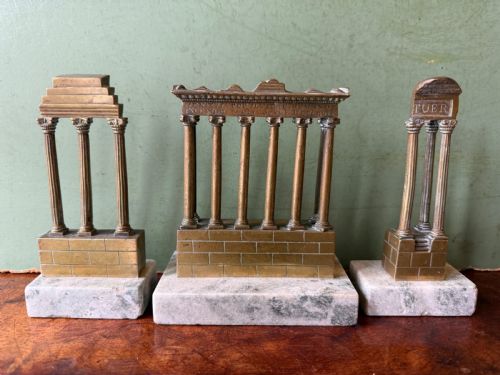
When buyers search for a grand tour bronze model, they encounter miniature reductions of famous classical monuments, Roman ruins, and celebrated sculptures. These souvenir objects were collected by affluent travellers during their educational European tours, capturing the physical presence of ancient sites in metal or stone. Architectural subjects such as column monuments, temple ruins, and triumphal arches frequently appear alongside figural reductions of mythological subjects.
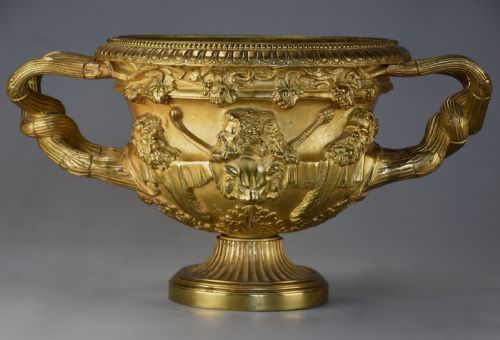
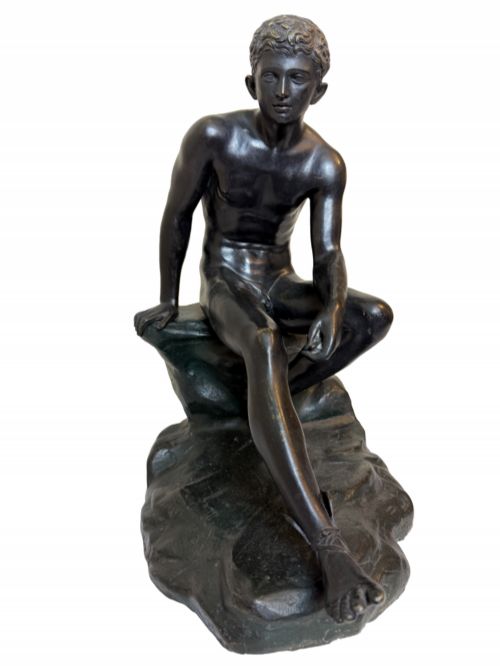
The versions most commonly met on this page span the nineteenth century, ranging from polished architectural models of Roman fora to gilded reductions of renowned vases and statues. Architectural models often incorporate slate or marble bases to anchor the heavy metal structures. Figural representations include mythological subjects, animal studies, and anatomical casts modelled after classical antiquities.
Materials and production methods
Cast metal forms the core of these pieces, utilising bronze, patinated metal, and ormolu or gilt bronze to achieve varied surface textures. Dark patination highlights the contours of figures and architectural reliefs, while gilding emphasises decorative details on ornamental urns and columns. Subsidiary materials such as marble and slate provide substantial plinths and bases for architectural models and obelisks.
Listings feature nineteenth-century materials including bronze, marble, slate, and ormolu applied to architectural models and classical sculptures.
Quality variations in historical metalwork
Quality in these reductions rests upon the crispness of the casting and the depth of the subsequent hand-chasing. Superior examples retain sharp architectural capitals, legible inscriptions, and refined facial expressions on figural subjects, whereas lesser pieces exhibit softened details and blurred surface relief.
The integration of the materials also distinguishes finer production, seen in the precise fitting of bronze columns to marble bases and the richness of the patination or fire gilding. Heavier gauge metal and careful finishing of hidden undersides indicate superior workshop standards during the manufacturing process.
The Grand Tour Bronze Model Glossary
- Reduction
- A scale copy of a larger monument, sculpture, or architectural structure. This technique allowed travellers to transport miniature representations of public landmarks.
- Patina
- The surface coloration and sheen developed naturally over time or applied chemically to bronze. This treatment enhances visual depth on figural and architectural castings.
- Ormolu
- Finely ground high-carat gold applied to a bronze base through a mercury amalgamation process. This technique produces a brilliant golden finish seen on French Empire pieces.
- Tempietto
- A small circular temple built in a classical style. Architectural models of these structures were popular souvenirs from Italian sites.
- Chasing
- The manual refinement of a metal casting using small punches and hammers. This process sharpens surface details after the piece leaves the foundry.
Grand Tour Bronze Model: Frequently Asked Questions
What are grand tour bronze models?
These pieces are miniature souvenir sculptures and architectural models produced during the nineteenth century for travellers touring European cultural centres.
They replicate famous ruins, columns, vases, and classical statues encountered during educational journeys abroad.
How were these bronze models displayed?
Collectors typically displayed them on library tables, mantelpieces, and within dedicated cabinets alongside other antiquities and curiosities.
Architectural models often incorporated heavy marble or slate bases to stand securely as decorative objects in domestic interiors.
How do I identify nineteenth-century pieces?
Nineteenth-century pieces exhibit characteristic casting methods, hand-chased surface details, and traditional material combinations like patinated bronze mounted on marble.
Examination of the patination, construction joins, and wear patterns helps distinguish period souvenir items from later reproductions.
Why do some models feature marble bases?
Marble and slate bases provided visual weight and stability to architectural models of temples, columns, and obelisks.
These stone plinths also mirrored the monumental materials found in actual classical buildings and public structures.