
19th Century Bronze Souvenir
A 19th century bronze souvenir brings the classical heritage of the Mediterranean into the home through small-scale reductions of ancient sculpture and architecture.
19th Century Bronze Souvenir
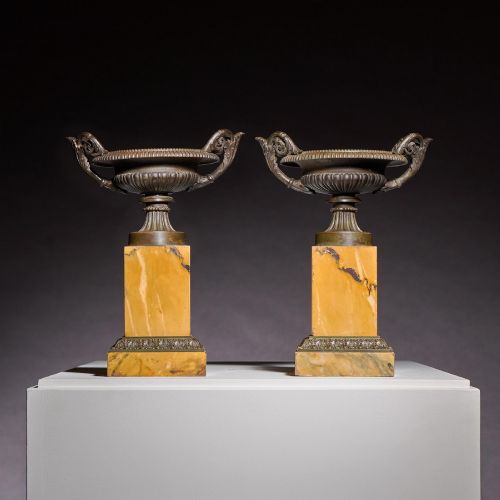
A 19th century bronze souvenir encompasses portable sculptures, architectural models, and decorative objects collected by travellers on the Grand Tour across Italy and France. These pieces replicate famous antiquities, classical statues, and Roman ruins for display in European and British drawing rooms.
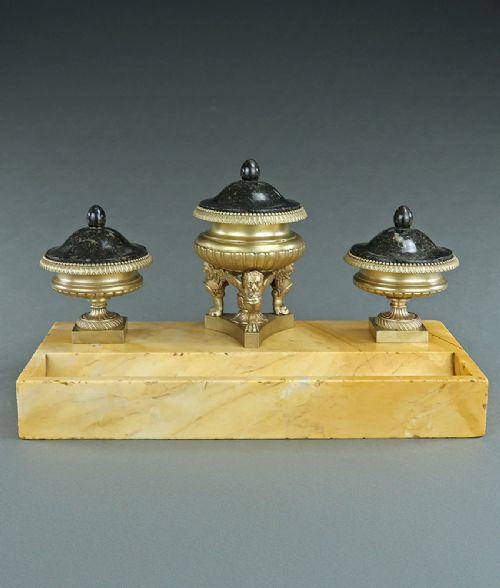
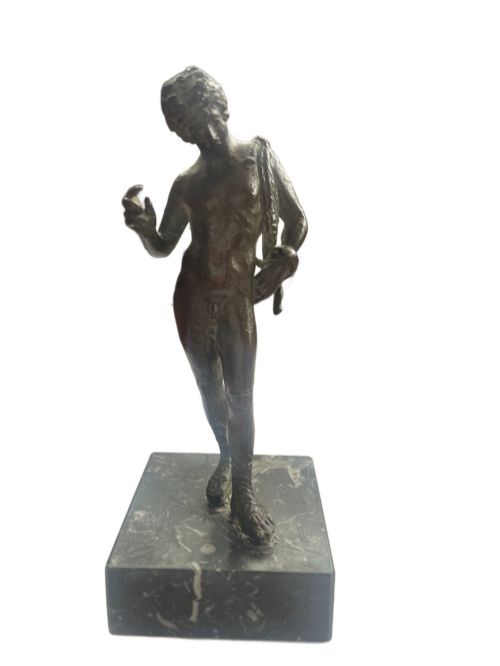
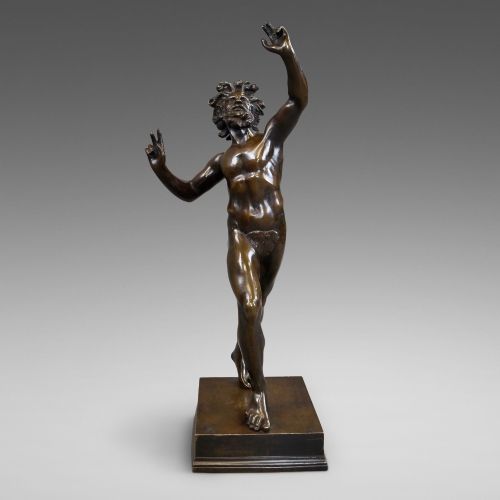
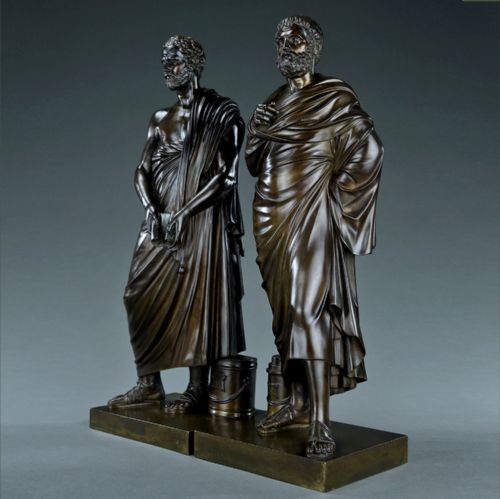
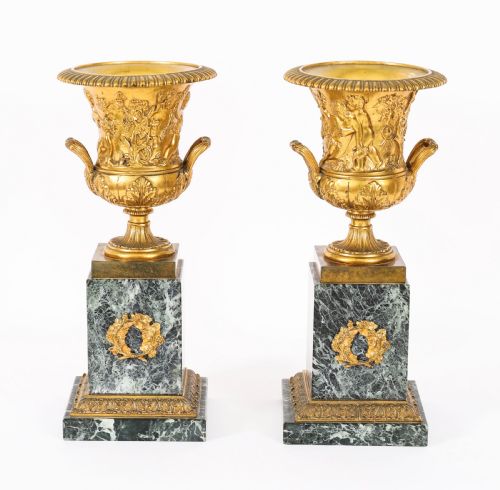
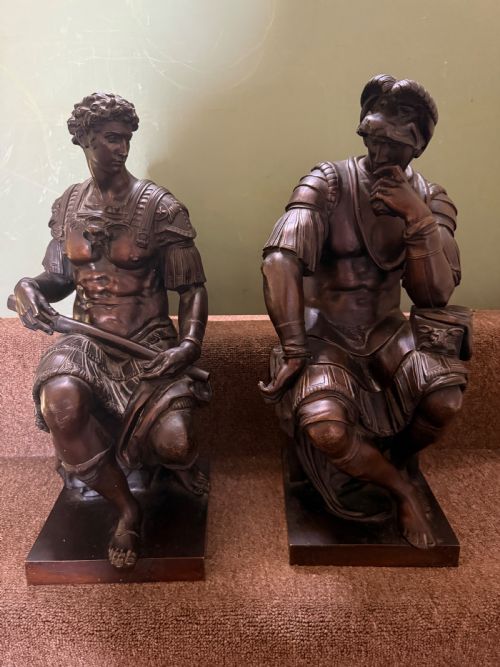
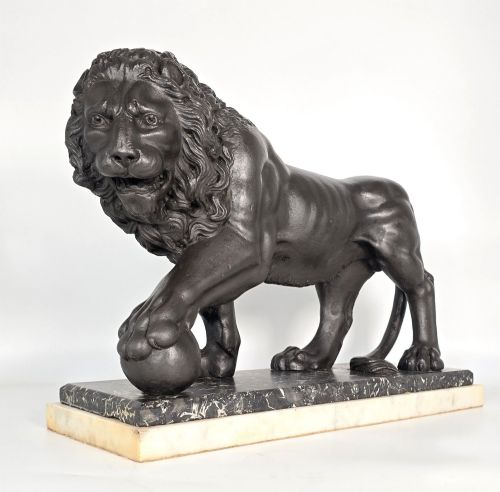
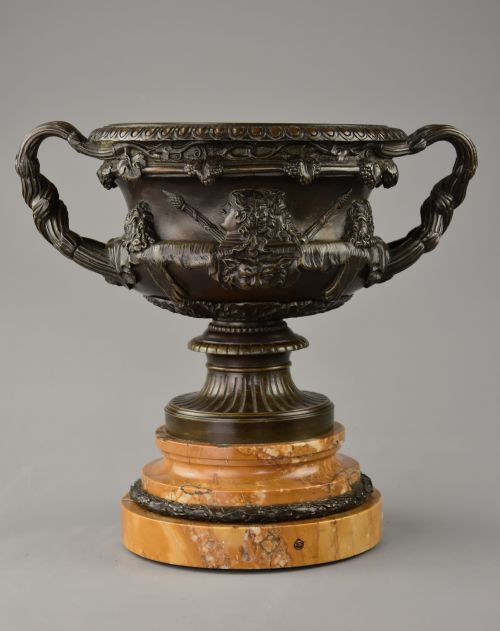
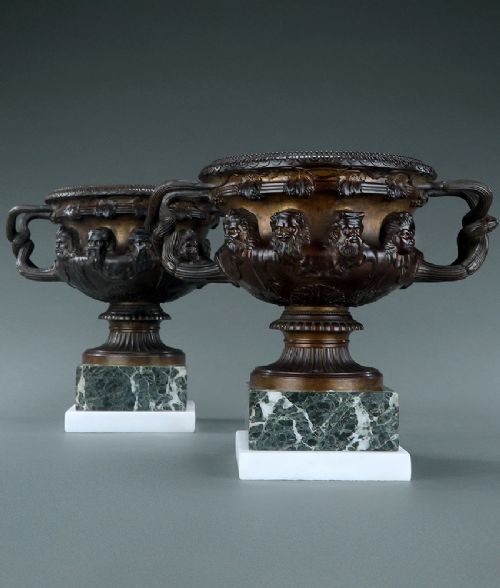
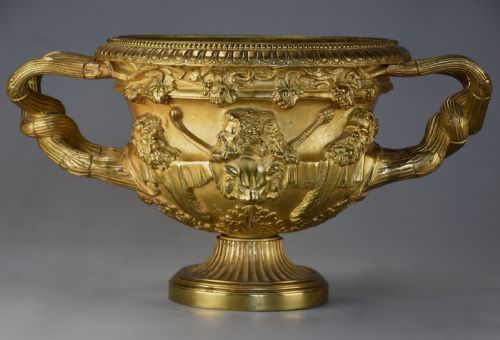
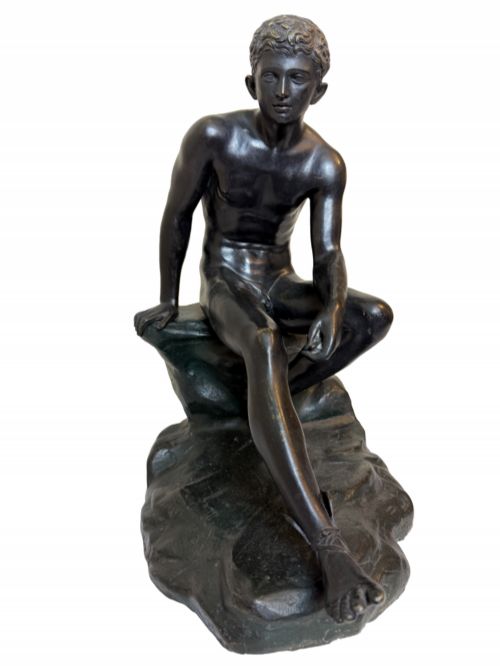
The versions most commonly met on this page include bronze reductions of canonical sculptures such as Narcissus, the Warwick Vase, and various mythological figures mounted on marble bases. Architectural models representing temples, columns, and triumphal arches also appear frequently among the listings.
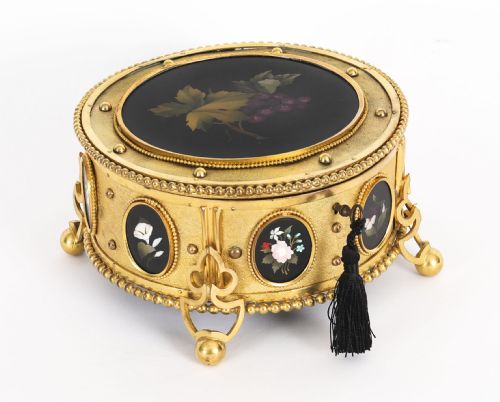
The physical form is determined by the specific destination of the 19th-century traveller, with Italian workshops producing classical deities and French foundries supplying refined ormolu-mounted decorative objects. Each item functions as both a tangible record of travel and a demonstration of classical taste.
Materials and technique
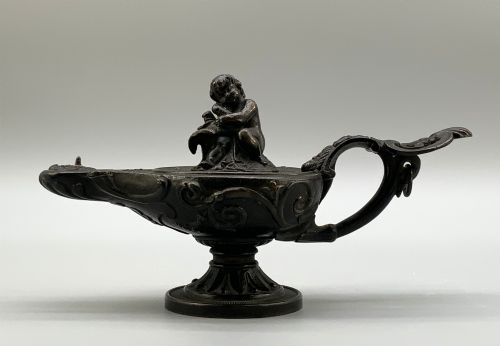
The primary material is copper alloy, finished with dark patination, gilt bronze, or ormolu to achieve varied visual effects. Foundries applied chemical patination to simulate the appearance of excavated antiquities.
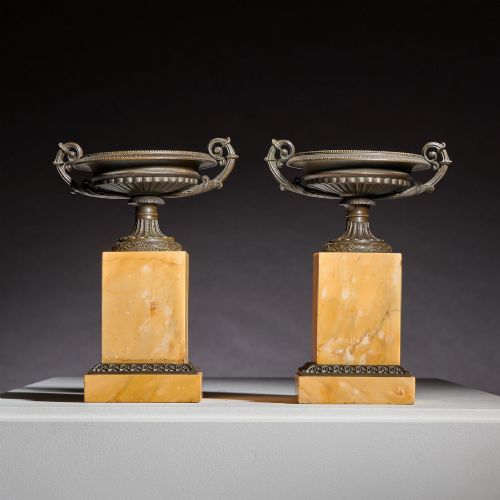
Many bronzes are paired with bases or plinths carved from marble, fossil marble, or Siena marble, providing both physical stability and a neoclassical contrast in colour and texture.
Travellers occasionally brought home miniature bronze ruins so convincing they risked visitors mistaking the sitting room for the Roman Forum.
Distinctions in quality
Quality in these bronzes depends primarily on the crispness of the chasing and the fidelity of the reduction to the original antique source. Finely cast examples retain sharp facial expressions, musculature, and architectural details without losing definition in secondary elements.
The selection of the base material and the depth of the patination contribute significantly to the finished character of the object. Superior pieces combine substantial bronze weight with carefully polished stone plinths and secure historical mounts.
The 19th Century Bronze Souvenir Glossary
- Grand Tour
- A traditional trip through Europe, chiefly Italy, undertaken by upper-class young men and tourists to study classical art and architecture. Souvenirs purchased during these journeys formed the basis of many domestic display collections.
- Reduction
- A small-scale copy of a larger monumental statue or building. Foundries utilised specialised instruments to scale down classical masterpieces accurately for domestic spaces.
- Patination
- The applied or natural chemical coloration on the surface of the bronze. Dark green, brown, or black patinas were carefully cultivated to mimic ancient buried metalwork.
- Ormolu
- Gilded bronze, produced by applying a mixture of gold and mercury to a base metal. This technique was widely used in French decorative pieces to create a bright golden finish.
- Campana Urn
- A bell-shaped classical vessel form derived from ancient marble garden vases discovered in Italy. These shapes were frequently reproduced in bronze for decorative urns and tazzas.
19th Century Bronze Souvenir: Frequently Asked Questions
What were Grand Tour souvenirs used for?
These items served as physical proof of travel and education, displayed in libraries, studies, and drawing rooms to signal the owner's familiarity with classical civilization.
They also acted as decorative centrepieces that demonstrated refined taste and an engagement with ancient history and art.
How can I tell the period of a bronze souvenir?
Dating relies on the casting technique, the style of the mounting, and the characteristics of the marble base. Nineteenth-century pieces often display specific foundry marks or patination styles distinct from later reproductions.
The context of the subject matter, such as popular excavations of the period, also assists in narrowing down the date of manufacture.
How do I care for a patinated bronze?
Maintenance requires gentle dusting with a soft, dry cloth to prevent the accumulation of dirt on the delicate surface. Avoid using chemical cleaners or abrasive polishes that can strip the original patina.
Keeping the object in a stable environment away from excessive moisture protects both the bronze metal and any attached marble plinths.
Why are some bronzes mounted on marble?
Marble bases provided necessary weight and stability for tall or narrow sculptures while referencing the materials used in ancient Roman architecture.
Different stone varieties, such as Siena or fossil marble, added visual contrast and enhanced the classical aesthetic of the display object.