


Neoclassical Grand Tour Bronze
These neoclassical grand tour bronze pieces are sculptural reductions and souvenirs collected by travellers in Italy during the nineteenth century.
Neoclassical Grand Tour Bronze
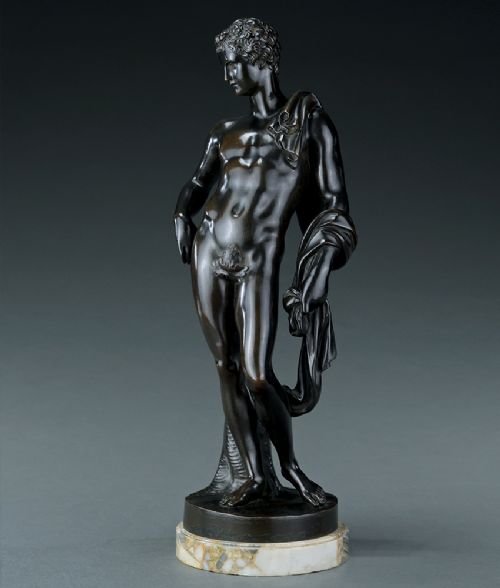
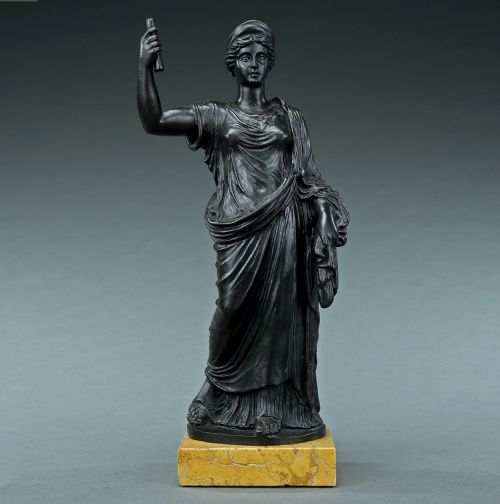
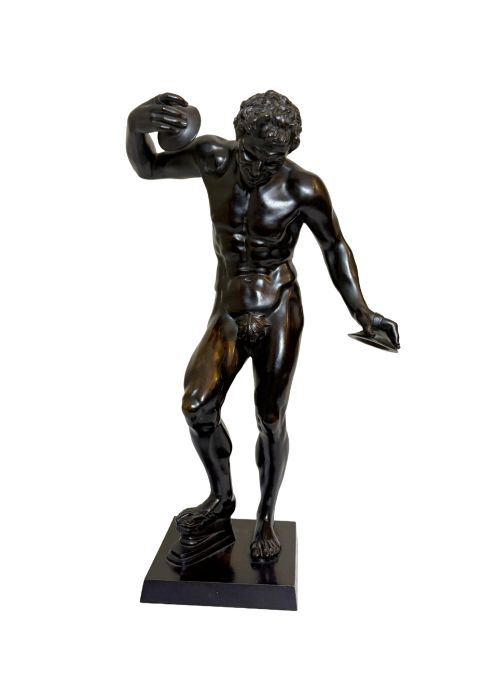
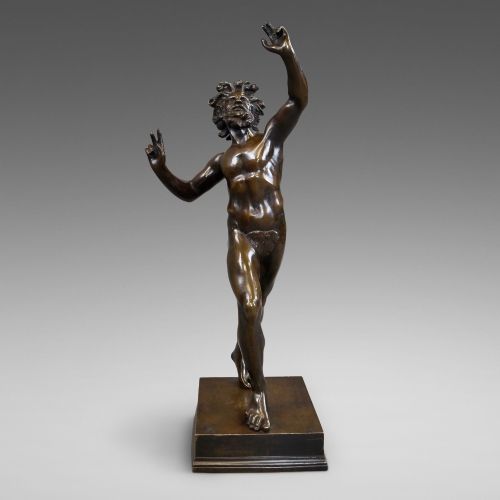
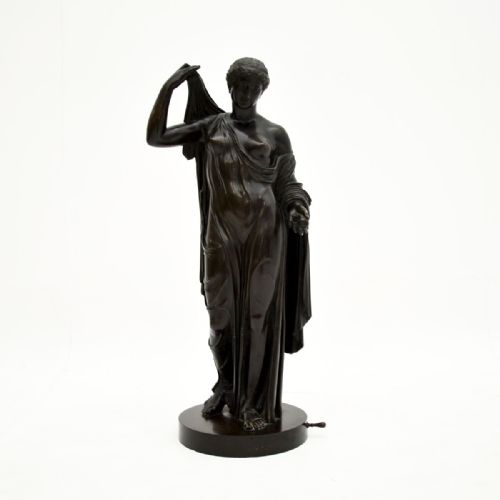
A neoclassical grand tour bronze represents figures, mythological subjects, and architectural models cast during the nineteenth century. Buyers encounter reductions of famous ancient sculptures such as the Warwick vase, the Venus de Milo, and various dancing fauns.
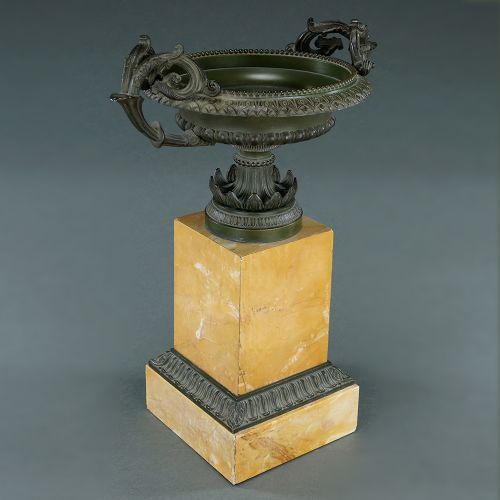
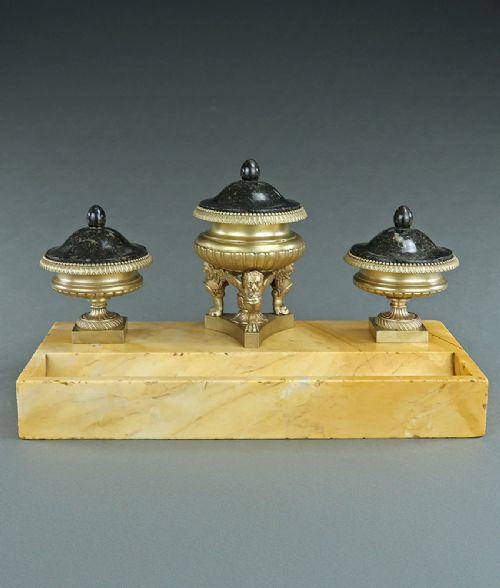
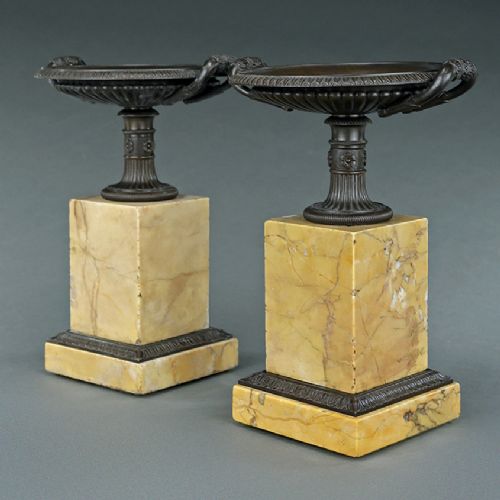
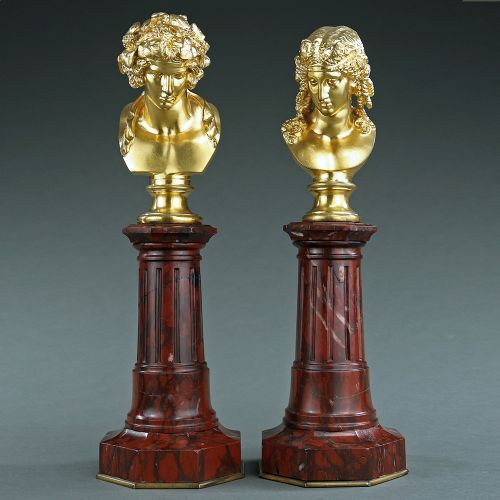
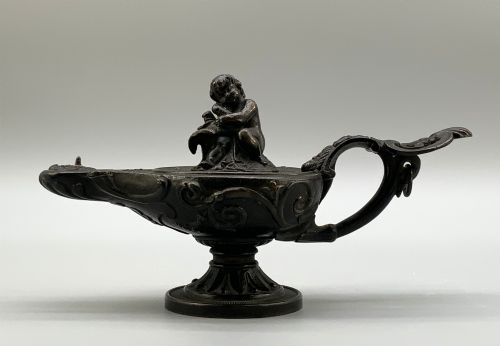
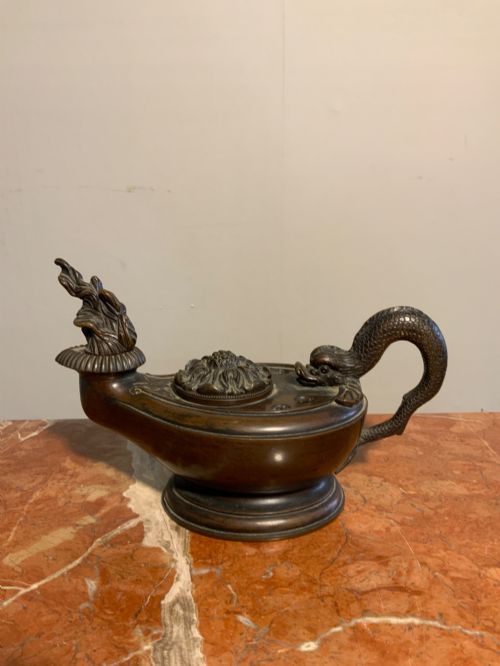
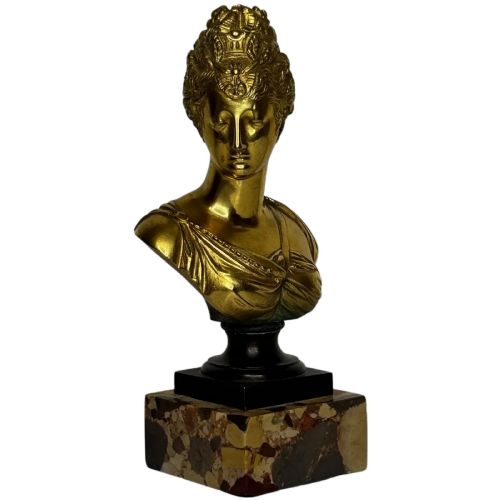
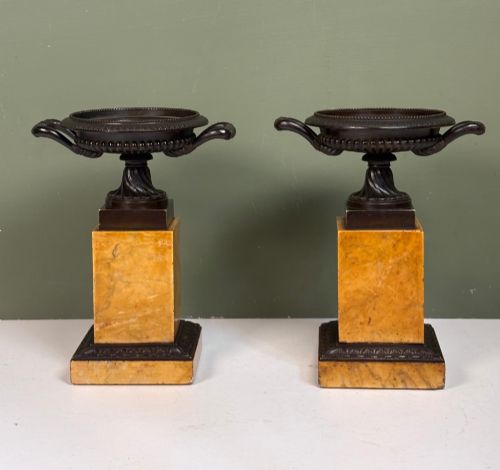
The objects take many functional and decorative shapes including library tazzas, oil lamps, inkwells, and portrait busts of emperors and philosophers. Most examples sit upon marble plinths made of Siena or green marble.
The selection ranges from small cabinet figures to large floor-standing lamps and pairs of vases. These works reflect the classical tastes of British and European travellers returning from Italy.
Materials and casting methods
Foundries utilised bronze, patinated bronze, and gilt bronze, often combining these metals with marble bases. Ormolu and brass also appear across decorative urns and inkwells.
Listings feature nineteenth-century materials including bronze, patinated bronze, gilt bronze, and various marbles.
Judging the work
Quality rests upon the crispness of the chase work and the fidelity of the reduction to the antique original. Finer castings preserve the musculature and facial expressions without blurring the surface texture.
The selection of the marble base and the richness of the patination distinguish superior foundry output from standard commercial souvenirs. Heavier bronze gauge and careful assembly mark the better workshops.
Ferdinand Barbedienne·Émile Louis Picault
The Neoclassical Grand Tour Bronze Glossary
- Patination
- The surface treatment applied to the bronze to create colour and age. This process darkens the metal to mimic ancient patinas.
- Reduction
- A scale copy made smaller than the original ancient monument or sculpture. These were cast for travellers to display in European homes.
- Tazza
- A shallow bowl or cup raised on a stem and foot, frequently paired as decorative ornaments. Makers often mounted these on marble plinths.
- Ormolu
- Gilt bronze mounted on decorative objects, created by applying finely ground gold to a copper alloy. The technique gives a rich yellow sheen.
- Plinth
- The architectural base supporting a bronze figure or bust. These blocks often utilise coloured marbles like Siena.
Neoclassical Grand Tour Bronze: Frequently Asked Questions
What is a grand tour bronze?
A grand tour bronze is a nineteenth-century metal casting of a classical sculpture, ruin, or artefact collected by travellers in Italy.
These pieces served as physical mementos of educational travels through Rome, Florence, and Naples, bringing classical antiquity into nineteenth-century drawing rooms.
How were these bronzes displayed?
Victorians displayed these figures on library tables, mantelpieces, and dedicated pedestals within studies and antechambers.
Pairing them with marble bases elevated the smaller desk items into formal sculptural ornaments.
How do I identify the subject?
Subjects are drawn from Greek and Roman mythology, classical literature, and famous antiquities housed in Italian museums.
Inscribed names on bases or recognizable poses of figures like the Warwick vase or dancing fauns help identify the specific classical source.
Are these pieces nineteenth century?
The majority of grand tour bronzes date from the nineteenth century, coinciding with the height of European travel to Italy.
Foundries in Paris and Rome produced these reductions to meet the steady demand from educated collectors.