
Antique Folk Art Model
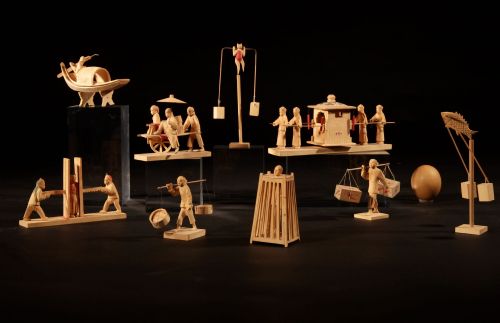
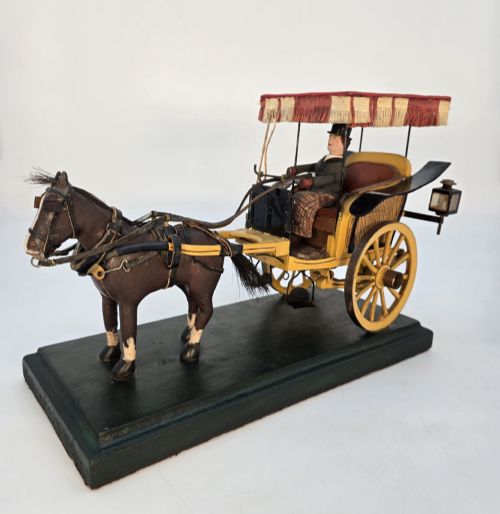
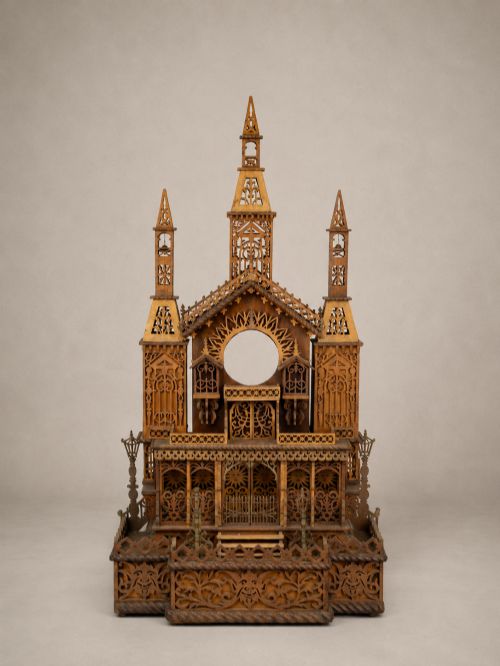
An antique folk art model brings idiosyncratic hand-carved maritime history and vernacular architecture directly into a room.
Antique Folk Art Model
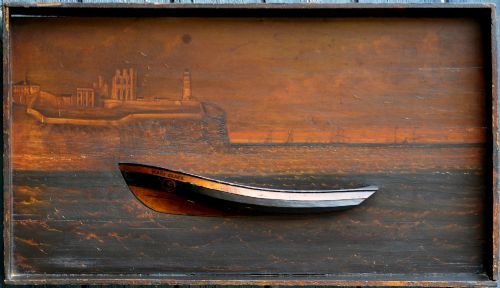
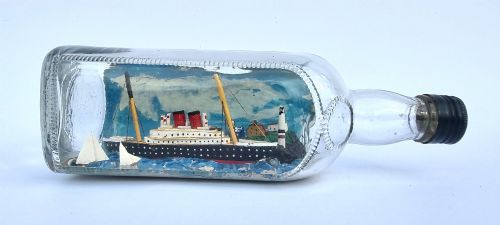
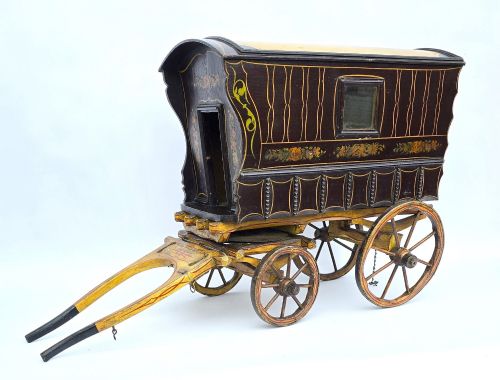
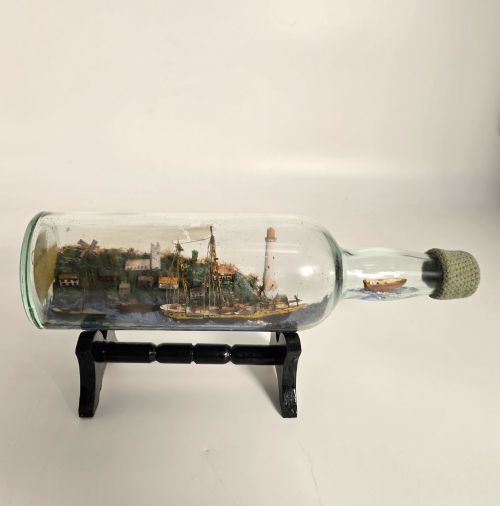
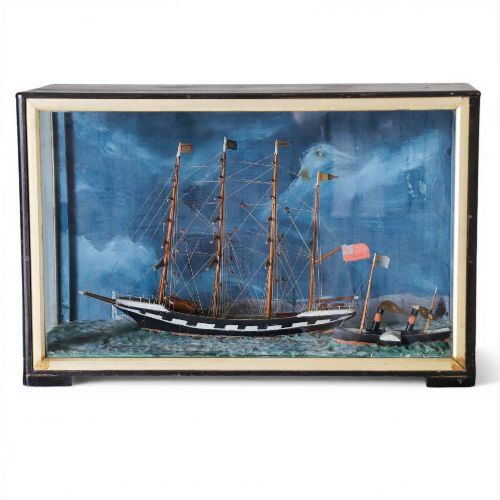
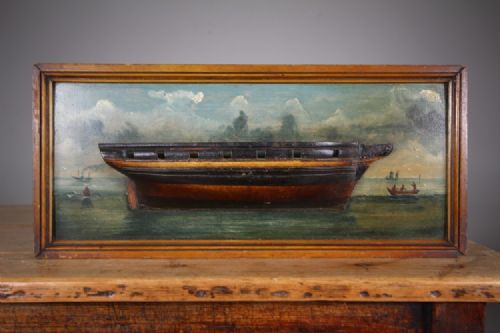
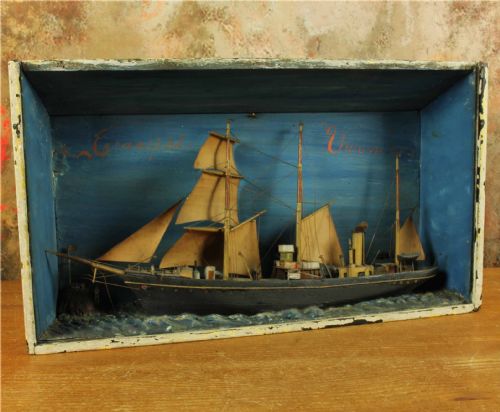
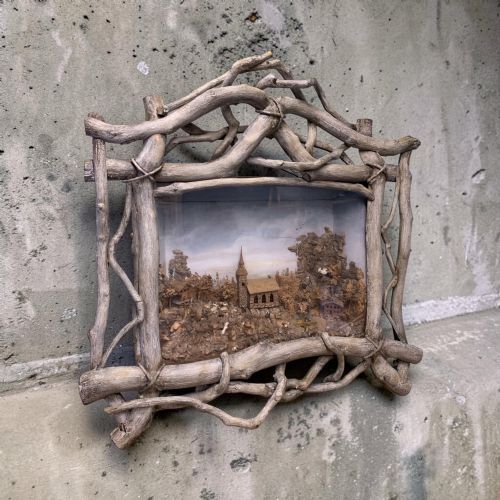
When someone searches for an antique folk art model, they encounter an eclectic mix of scratch-built vessels, shadow box dioramas, and naive animal sculptures. These objects originate largely across the nineteenth century and the early decades of the twentieth century, created by makers working outside formal academic traditions.
Materials and Technique
Makers utilised humble, readily available materials such as soft woods, discarded canvas, glass bottles, and cork, often applying layers of paint to finish the surface. Scratch-built construction relied on basic hand tools, resulting in inventive joinery and improvised parts.
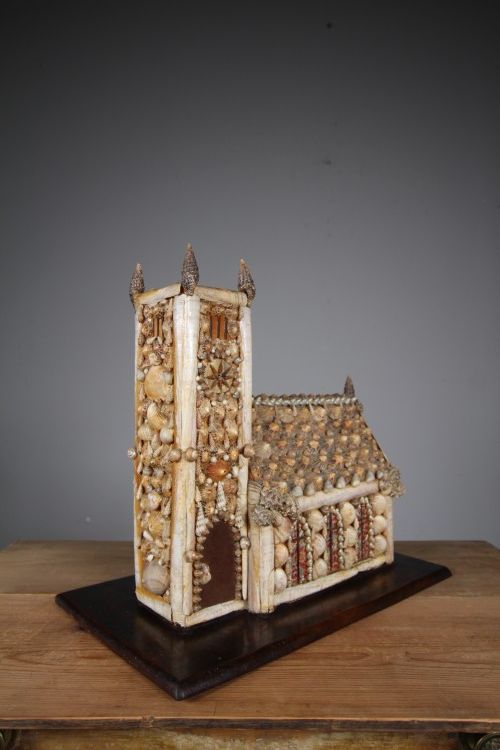
Specialised regional techniques emerge in specific categories, including intricate straw work, detailed shell grotto assemblies, and carved Welsh slate fashioned into miniature furniture or architectural fire surrounds.
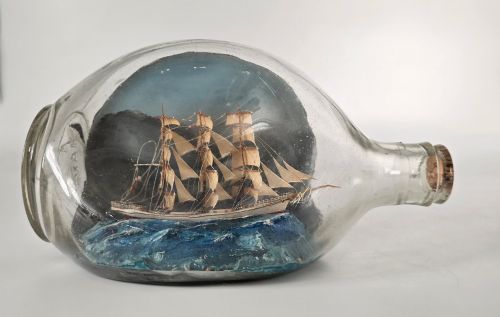
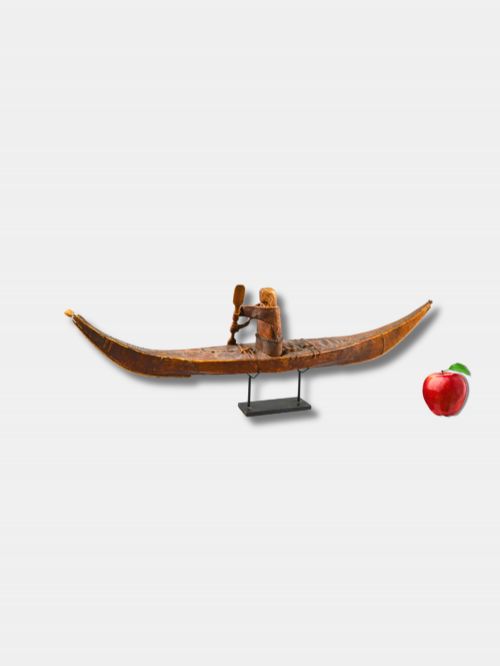
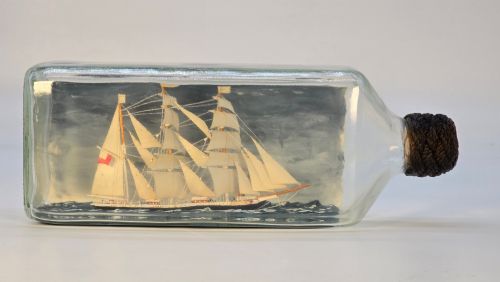
Listings feature eighteenth-century through twentieth-century forms, including nineteenth-century Inuit seal skin sculptures and Victorian maritime dioramas.
Assessing Quality
The distinction between ordinary and exceptional pieces rests upon the precision of the naive perspective and the complexity of the internal arrangement. A superior diorama achieves a convincing sense of depth and movement within a confined glazed case.
Original surface patination and untouched painted finishes elevate an object above examples that have undergone modern restoration or aggressive cleaning. Signed pieces or those retaining descriptive documentation carry distinct archival weight.
R.D. Roberts
The Antique Folk Art Model Glossary
- Diorama
- A three-dimensional scene enclosed in a box or glass case with a painted background. These displays create realistic depth for maritime subjects and domestic interiors.
- Scratch built
- An object constructed entirely from raw materials and individual components rather than assembled from a commercial kit.
- Naive art
- Visual work created by a person without formal artistic training, characteristically displaying a disregard for strict perspective.
- Straw work
- Decorative craft utilising split cereal straw applied to a wooden or paper core to form geometric patterns and pictures.
- Shell work
- The arrangement of marine shells into intricate patterns to decorate boxes, frames, and architectural models.
Antique Folk Art Model: Frequently Asked Questions
What defines folk art in models?
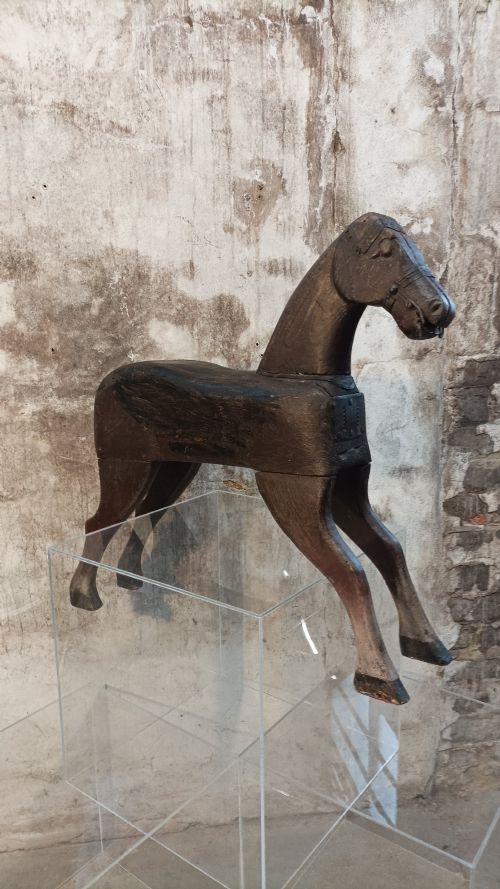
Folk art models are created by self-taught makers or craftsmen working within local vernacular traditions rather than following academic art rules. Their charm lies in literal interpretation and resourceful use of everyday materials.
These pieces often reflect the personal trades or maritime occupations of their makers, resulting in highly individual objects that lack mass-produced uniformity.
How are ships in bottles made?
Makers construct the ship with hinged masts and rigging that fold flat against the deck, allowing the model to pass through the narrow neck of a glass bottle. Once inside, pull-strings attached to threads raise the masts into an upright position.
Sealing wax or putty secures the vessel to the bottom of the bottle, often masking the base with painted waves or putty to resemble the sea.
Where should I display a diorama?
Maritime and architectural dioramas require stable display environments away from direct sunlight and excessive humidity to protect fragile painted surfaces, paper elements, and old glass cases. Placing them on sturdy shelves or dedicated tables ensures they remain secure.
Because many shadow boxes and cased models were built for domestic interior display, they pair well with both traditional and modern room schemes.
How do I date an antique model?
Dating relies on examining the construction methods, nail types, framing materials, and any written inscriptions or dates found within the object. Stylistic clues, such as the rigging style of a ship or the fashion worn by figures, offer further chronological markers.
Wear patterns and the composition of the paint layers provide additional evidence regarding the period of manufacture.