


Painted Wood Figures
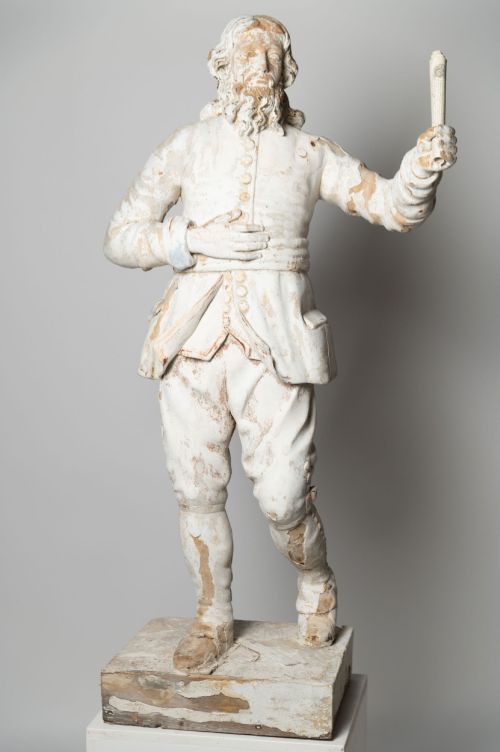
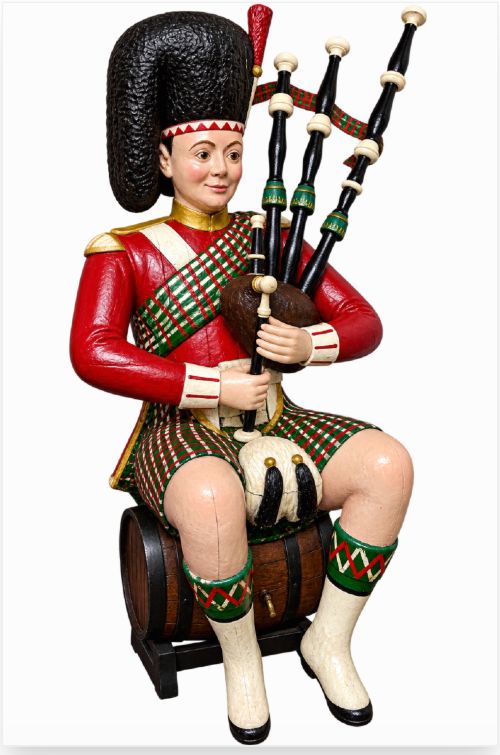
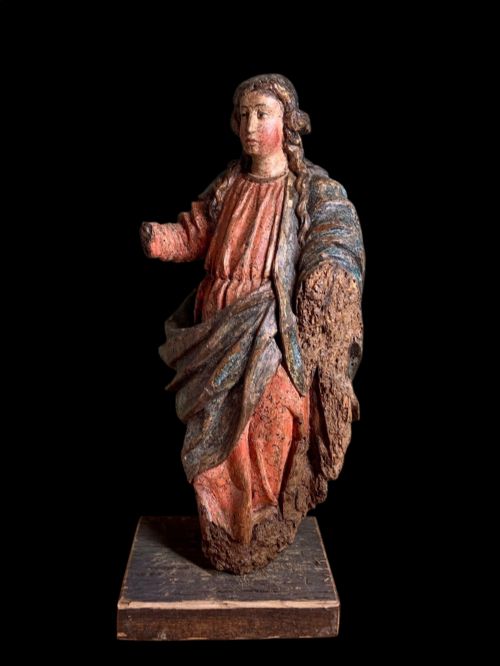
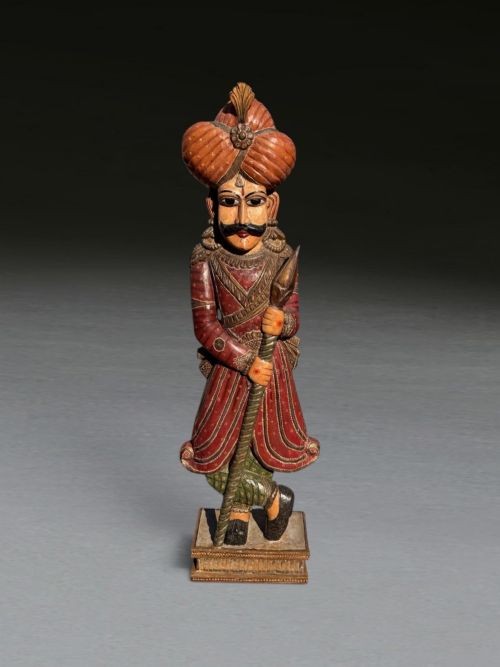
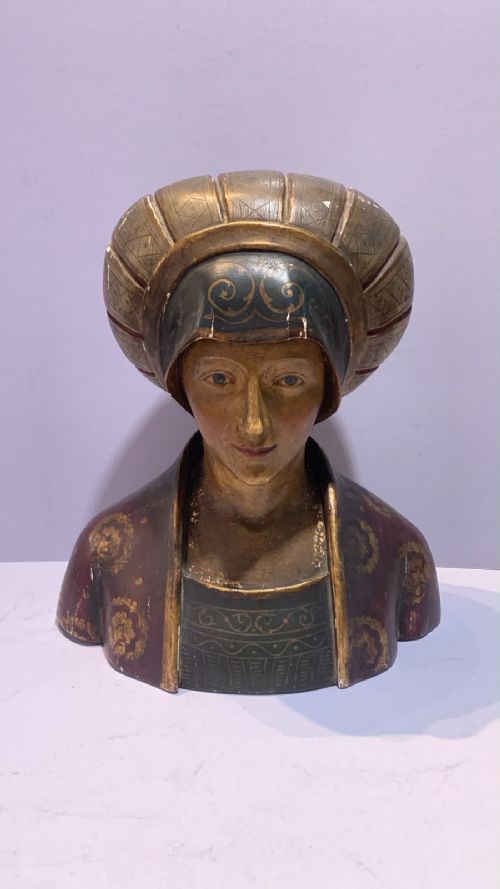
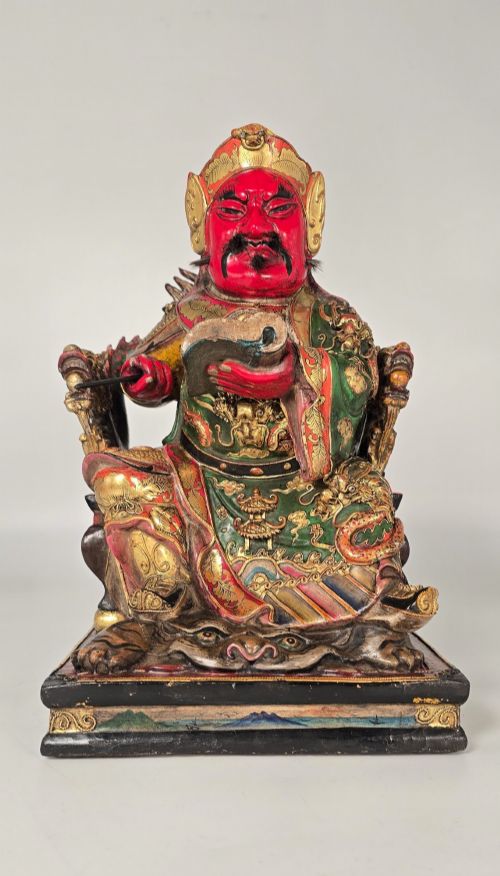
These painted wood figures bring carved character and colour into a room, spanning folk carvings, trade signs and ecclesiastical statues.
Painted Wood Figures
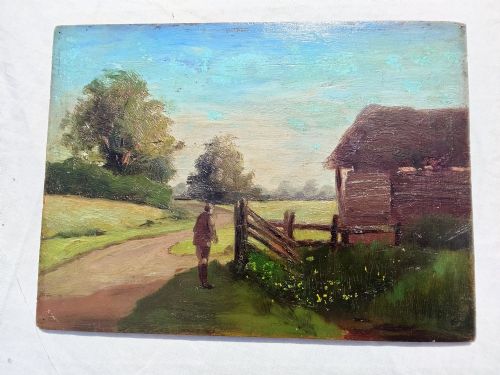
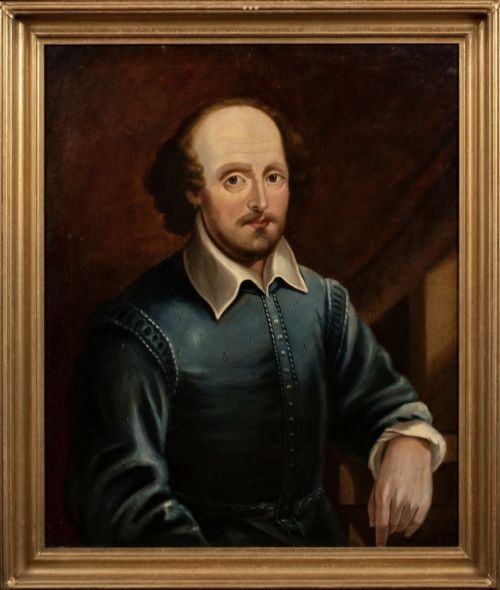
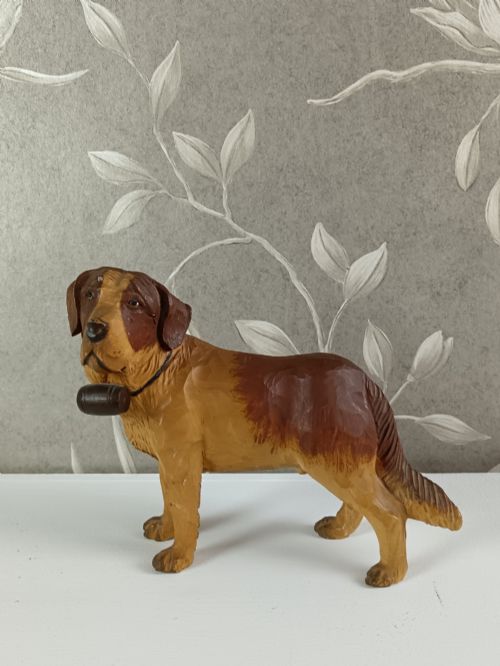
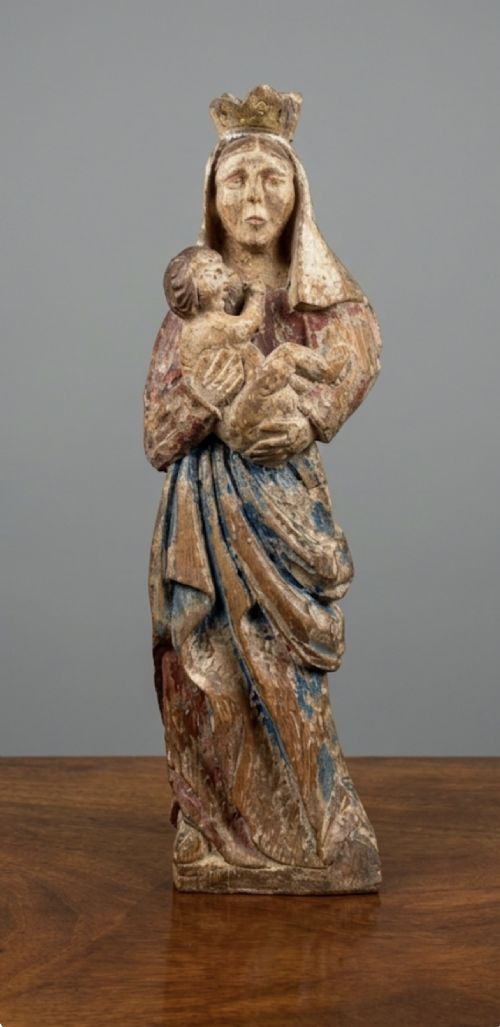
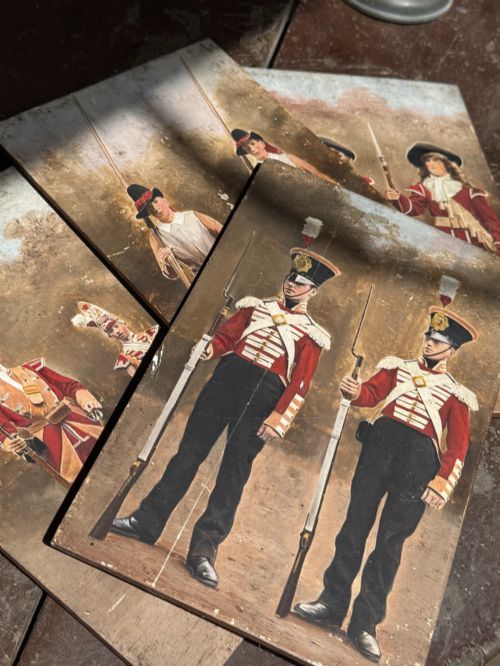
When you search for painted wood figures, you enter a diverse field of carved timber objects coated in pigments, gesso and oil paint. The selection on this page ranges from 17th-century religious carvings of saints and royalty to 19th-century folk art animals, tradesmen and soldiers.
You will frequently encounter European and Asian works, including carved saints, decoy ducks, dummy boards and architectural trade figures. These pieces functioned variously as shop signs, devotional objects, domestic ornaments and theatrical props.
The material scale spans from small tabletop sculptures and puppets to life-size animals and panel-mounted soldiers. Each piece carries the physical evidence of hand tool work and layered historic paint finishes.
How they were made
Carvers shaped these objects using dense hardwoods and softwoods, employing gouges and chisels to establish the primary contours before detailing facial expressions and drapery. Tool marks often remain visible beneath the surface layers on unrefined folk pieces.
Surfaces were prepared with a ground of gesso or chalk size before receiving applications of polychrome paint, oil colour or lacquer. Guilds and regional makers utilised traditional mineral and earth pigments bound in oil or size to achieve saturated tones.
Periods represented on the page span from the 17th century through the Victorian era to the 1940s.
What varies in quality
The primary distinction in quality lies in the anatomical confidence of the carving and the preservation of the original pigment layers. Master carvers captured fluid movement and realistic drapery folds, whereas naive folk pieces display charming proportions and simpler tool work.
The survival of untouched historic polychrome paint surfaces elevates an example significantly above pieces that have undergone extensive later overpainting or stripping. Depth of modelling and the integration of surface texture with the underlying timber define the upper tier of the range.
Francisco Sancha·Guillaume Courtois·Thomas Spinks·Florence Adelina Hess·Ferdinand Victor Leon Roybet·WILLIAM ETTY·Allan Douglas Davidson·Thomas Edward Roberts·H.S Andy Anderson
The Painted Wood Figures Glossary
- Polychrome paint
- Decoration applied using multiple colours of pigment. This surface treatment brings depth and realism to carved timber sculptures.
- Dummy board
- A two-dimensional painted wooden figure cut to silhouette. These flat companions were positioned in hallways and fireplaces to mimic real people or animals.
- Gesso
- A plaster mixture used as a smooth base for painting. Craftsmen applied this layer to seal the timber before adding colour.
- Trade sign
- A large carved and painted figure advertising a profession. Businesses placed these outside shops to attract customers from the street.
Painted Wood Figures: Frequently Asked Questions
How do I clean painted wood figures?
Dust gently with a soft, dry brush to prevent accumulation without disturbing fragile historic pigments.
Avoid liquid cleaners, modern detergents and damp cloths, as moisture can soften old gesso and oil paint layers.
Are these figures meant for outdoor display?
These historical pieces belong indoors away from direct sunlight, dampness and fluctuating temperatures.
External placement exposes the timber to splitting and causes traditional oil paints and gesso grounds to flake away.
How can I tell old paint from modern touch-ups?
Historic paint layers show natural micro-craquelure, fading and uniform wear patterns consistent with age.
Ultraviolet light and close visual inspection reveal modern pigments and mismatched chemical binders applied during later restoration.
What is the difference between folk art and fine art figures?
Folk art figures display rustic charm and naive proportions created by regional craftsmen for local use.
Fine art sculptures demonstrate formal academic training in human anatomy, precise perspective and classical sculptural technique.