


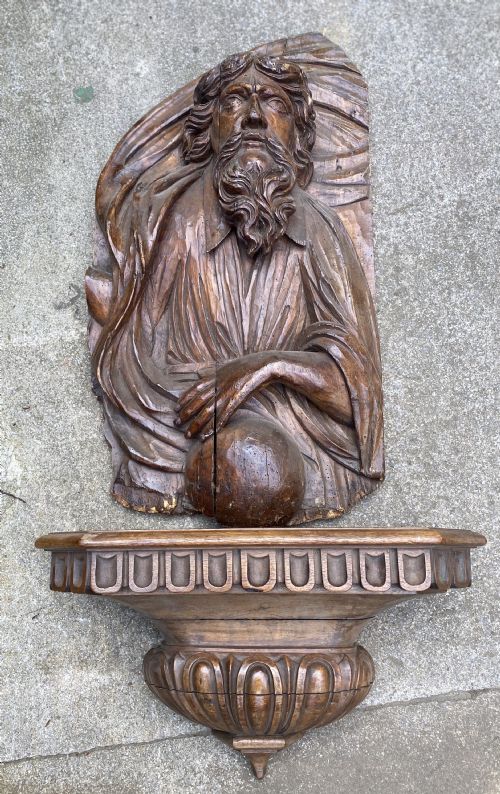
Antique Church Relief Carvings
Antique church relief carvings bring sacred devotion and centuries of timber and stone into a room, offering tactile panels that once anchored altars and church walls.
Antique Church Relief Carvings
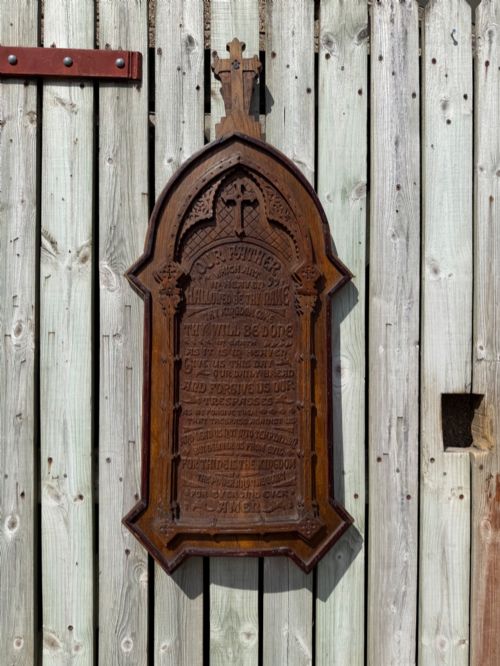
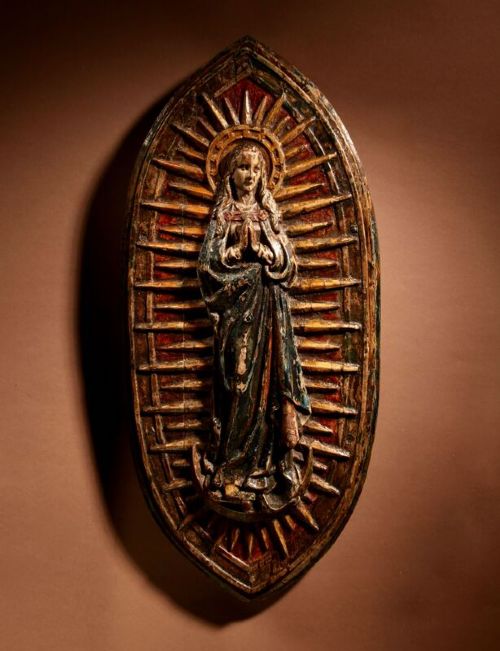
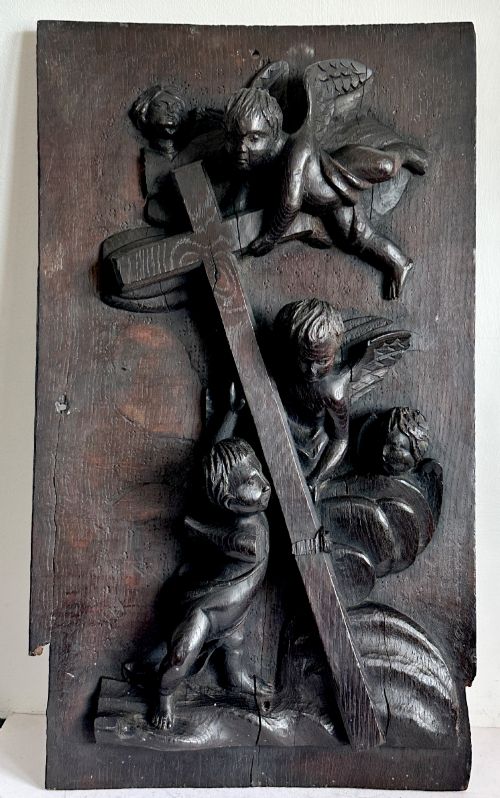
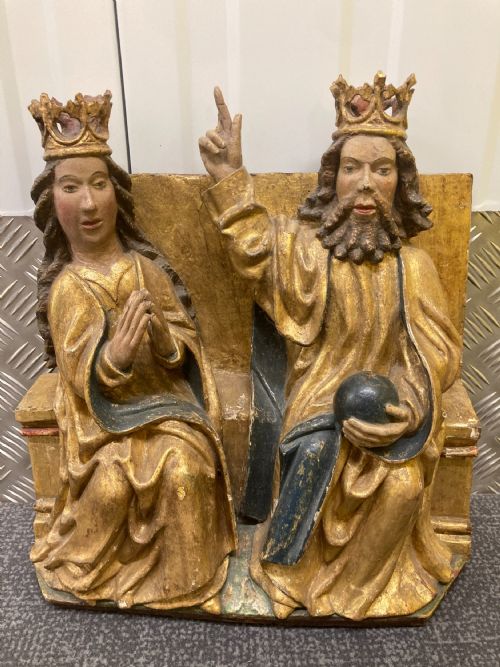
These antique church relief carvings comprise wall sculptures, wall plaques, and architectural panels depicting sacred figures, scriptural scenes, and heavenly hosts. When exploring this selection, buyers encounter striking devotional art pulled straight from historic ecclesiastical settings across Europe. The pieces on this page span several centuries of sacred woodworking and stonework, capturing profound historical devotion.
The assortment relies heavily on sturdy native timbers and durable minerals, featuring prominent examples in oak and walnut alongside rarer limestone and stone. Forms range from monumental French Louis XIII style panels to intimate carved oak cherubs and central altarpiece panels. Most examples originate from the sixteenth and seventeenth centuries, though later Gothic Revival works and dated pieces from nineteen hundred also appear.
Makers shaped these panels to inspire congregations, utilising deep relief carving to project figures outward from their flat grounds. Whether viewing an early sixteenth century Gothic stone carving or a monumental walnut baptism scene, each piece retains the distinct visual language of its period. These works serve as dramatic focal points in modern interiors, bridging historical sacred architecture and contemporary residential display.
Materials and construction methods
Carvers predominantly selected seasoned oak and rich walnut for these panels, relying on the tight grain of hardwoods to hold intricate chisel work over centuries. Artisans also worked in limestone and stone for heavier architectural plaques, carving directly into the mineral block. These primary substrates provided the structural integrity needed for deep relief sculptures that projected boldly from altars and walls.
Surface ornamentation frequently involved polychrome paint and delicate applications of gold leaf to accentuate garments, halos, and sacred attributes. Master carvers employed specialised gouges and chisels to model drapery folds, facial expressions, and symbolic motifs with remarkable depth. This combination of structural timber or stone and applied polychromy created a vivid, three-dimensional theological narrative.
Materials recorded across current inventory include oak, walnut, stone, limestone, polychrome paint, and gold leaf.
Factors determining quality
The distinction between ordinary panels and superior examples rests on the depth of the carving and the anatomical confidence of the figures. Master carvers achieved subtle tension in muscle and fabric that lesser workshops missed entirely, bringing stillness or motion to divine subjects with crisp chisel strokes. The survival of original polychrome paint and gold leaf also elevates a piece, provided the pigment remains largely undisturbed by heavy restoration.
Scale and complexity dictate the prominence of a carving within the historical hierarchy of ecclesiastical art. Monumental panels depicting multi-figure narratives like the Baptism of Christ demand greater compositional ambition than single decorative cherubs or simple geometric panels. Superior pieces retain their original architectural context and structural framing, offering an uncompromised window into sixteenth and seventeenth century ecclesiastical workshops.
The Antique Church Relief Carvings Glossary
- Relief carving
- A sculptural technique where figures project from a flat background panel rather than standing fully in the round. This method allowed carvers to mount narrative scenes directly onto church walls and altarpieces.
- Polychrome paint
- Multi-coloured pigment applied directly to wood or stone sculptures to render lifelike skin tones and rich garments. Surviving traces provide vital evidence of the original medieval and Renaissance interior aesthetic.
- Giltwood
- Timber that has been coated with a thin layer of gold leaf or gold powder across carved surfaces. This treatment caught flickering candlelight within dim ecclesiastical spaces to emphasise divine figures.
- Ecclesiastical Gothic
- A architectural and artistic style defined by pointed arches, vertical emphasis, and solemn religious iconography. It governed church construction and associated furnishings throughout the medieval era and subsequent revival periods.
Antique Church Relief Carvings: Frequently Asked Questions
How do I hang heavy wall sculptures?
Heavy oak and stone panels require robust metal brackets or french cleats screwed directly into wall studs to safely bear the substantial weight. Professional installation ensures the ancient timber or masonry remains secure without placing undue stress on historic joints.
Because these relief carvings project outward from the wall, positioning them at eye level allows the downward-angled lighting to properly catch the carved details and deep undercuts.
Where should I place these carvings?
These pieces suit principal reception rooms, studies, or hallways where their substantial historical presence and deep wood tones can anchor the interior design. Pairing them with neutral walls lets the carved oak, walnut, or stone command visual attention.
Avoid hanging antique wood and polychrome surfaces in rooms with high humidity or direct, harsh sunlight that might destabilize centuries-old timber and painted finishes.
How do I clean antique carved wood?
Dust accumulated in deep crevices is best removed gently using a soft, dry natural bristle brush or a feather duster without applying moisture. Water and modern chemical cleaners strip historic finishes and swell aged oak or walnut.
Maintaining a stable indoor humidity prevents the timber from drying out, cracking, or causing original gesso and polychrome paint layers to flake away from the carved base.
How are different centuries told apart?
Sixteenth and seventeenth-century carvings display the distinct stylistic markers of the Renaissance, Baroque, or Gothic periods, featuring heavier drapery and theological symbolism rooted in those eras. Later nineteenth-century Gothic Revival pieces often mimic earlier forms but utilise different tool marks and timber seasoning.
Examining the reverse of the panel reveals tool work, pegging, and wood ageing patterns that corroborate the period assigned to each specific ecclesiastical carving.