






Gothic Carved Wooden Figures
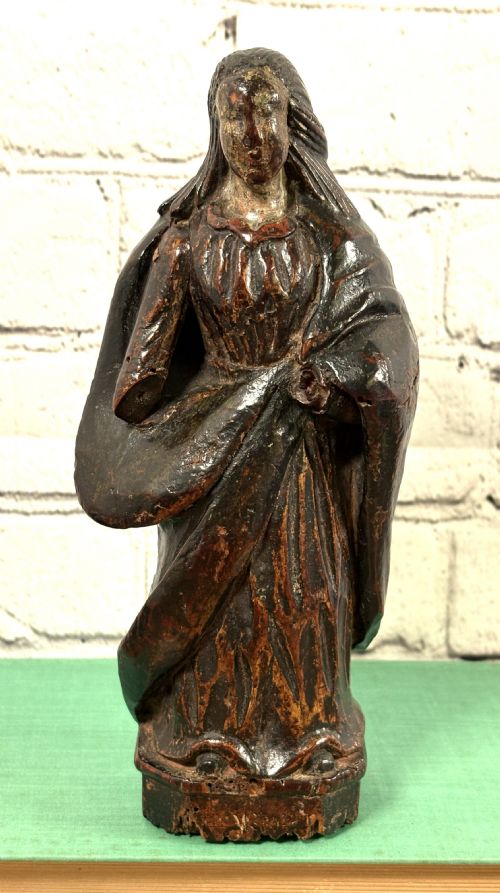
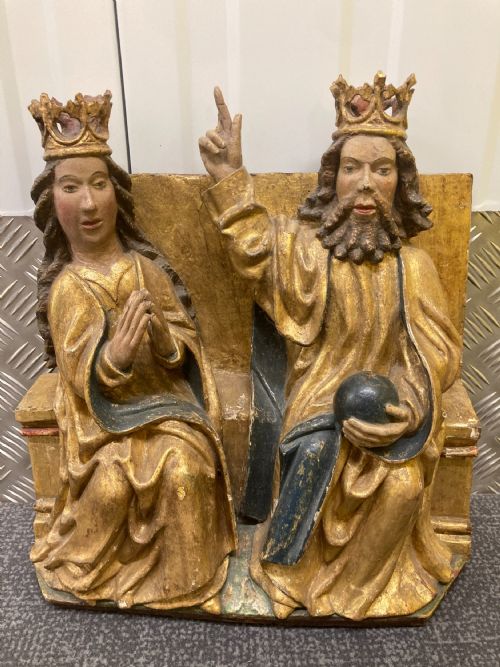
These gothic carved wooden figures span centuries of devotional craftsmanship, capturing the solemn expressions and detailed drapery that collectors prize.
Gothic Carved Wooden Figures
When searching for gothic carved wooden figures, a buyer encounters devotional sculptures, church figures, and saints originating predominantly from the sixteenth century and earlier, alongside later nineteenth-century revivals.
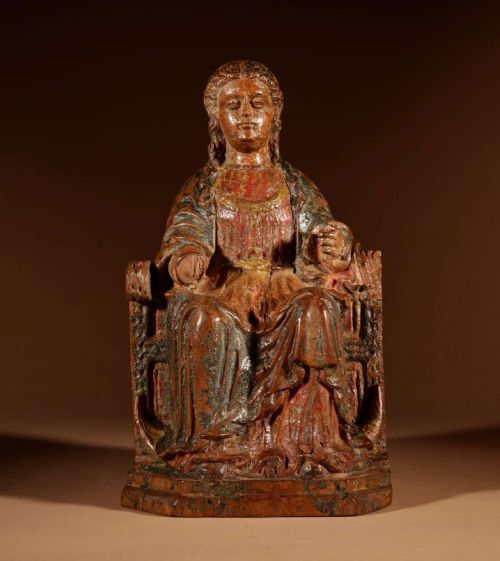
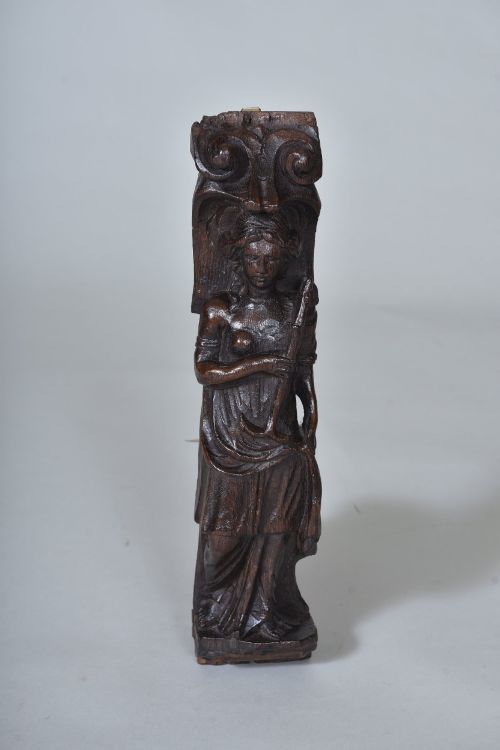
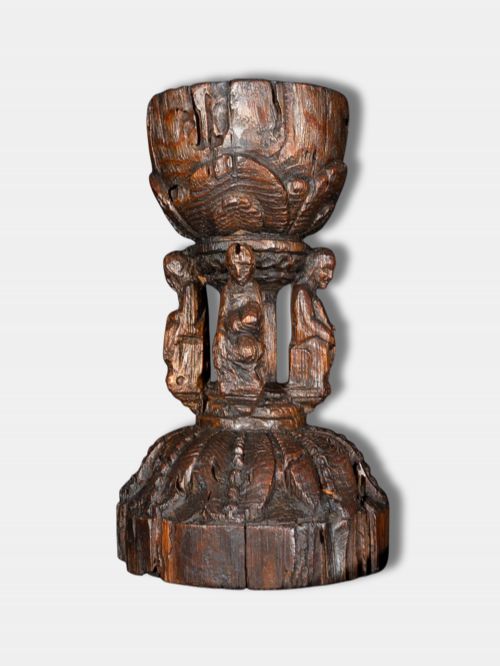
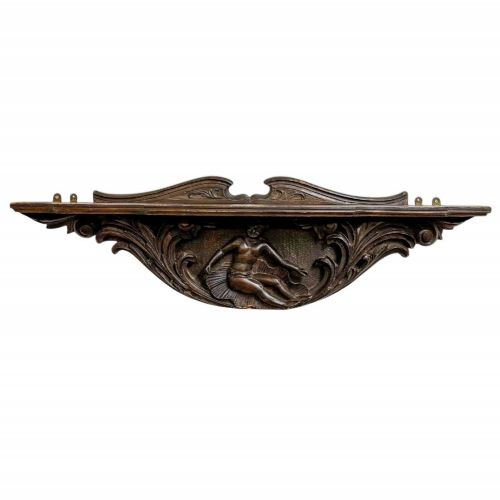
The selections on this page range from pre-sixteenth century church pieces and fifteenth-century Madonnas to seventeenth-century limewood saints and nineteenth-century oak architectural elements.
Subjects frequently depict biblical figures, including the Virgin Mary, various saints, angels, and apostles, rendered as freestanding statues, relief panels, or architectural supports.
Materials and construction
Carvers predominantly utilised oak, limewood, walnut, and pine, selecting timber with tight grain suitable for intricate chisel work.
Many early examples retain remnants of gesso, polychrome paint, and gold leaf, applied to enhance the visual impact of religious scenes in dim ecclesiastical interiors.
Materials documented across the pieces include oak, walnut, limewood, pine, gesso, and gold leaf.
Assessing craftsmanship
Quality rests upon the depth of the carving and the dexterity displayed in rendering human anatomy and textile movement.
The distinction between a standard workshop piece and a master carver's work lies in the lifelike proportions of hands, facial expressions, and the natural fall of drapery.
Preservation of original surface treatments, such as early polychrome paint and gilding, elevates the significance of a piece.
The Gothic Carved Wooden Figures Glossary
- Polychrome
- Painted in several colours. This surface treatment was frequently applied to wooden religious sculptures to bring realism to the figures.
- Gesso
- A plaster mix applied to wood as a base for gilding and paint. It provides a smooth surface for detailed decoration.
- Giltwood
- Wood that has been decorated with gold leaf. This technique highlighted important liturgical sculptures.
- Caryatid
- A carved architectural figure serving as a support. These structural elements often appear in classical and revival architecture.
- Limewood
- A soft, pale wood favoured by carvers. Its fine grain permits intricate undercutting without splitting.
Gothic Carved Wooden Figures: Frequently Asked Questions
How are early religious figures dated?
Experts examine the tool marks left by hand chisels, the species of timber used, and stylistic indicators such as drapery folds and facial carving conventions.
Comparative analysis with known ecclesiastical inventories and dated church furnishings also helps establish the probable decade of creation.
Did these figures originate inside churches?
Many ecclesiastical carvings came from altarpieces, rood screens, choir stalls, and private domestic chapels before entering collections.
Architectural brackets and reliefs similarly served structural and devotional functions within religious buildings.
How should wooden sculptures be displayed?
Keep wooden pieces away from direct sunlight and heat sources to prevent timber from drying out, cracking, or warping over time.
Maintain a stable room humidity and support the base securely without employing harsh chemical adhesives or cleaning agents.
How do original pieces differ from nineteenth century revivals?
Fifteenth and sixteenth-century examples exhibit authentic wear patterns, period tool techniques, and historically consistent structural joinery.
Revival pieces from the Victorian era replicate earlier gothic aesthetics using contemporary woodworking methods and nineteenth-century pine or oak.