
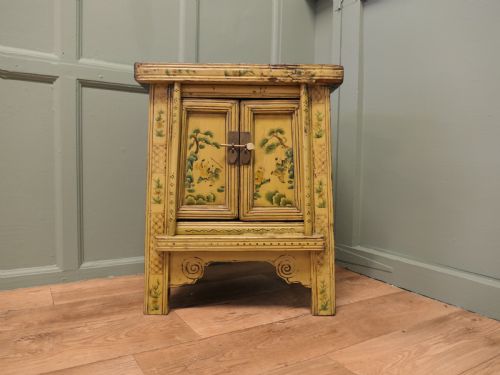
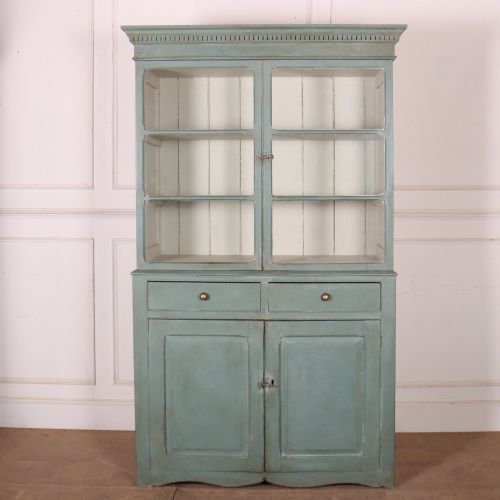
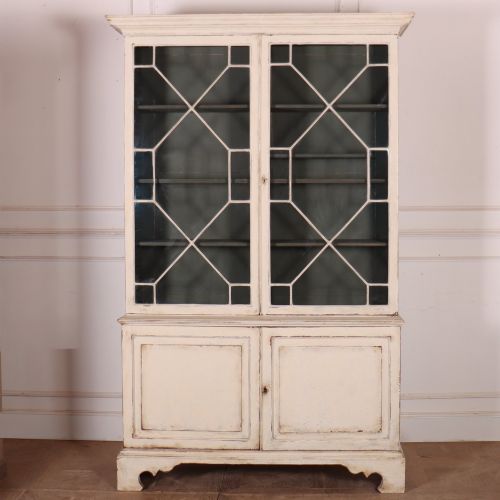
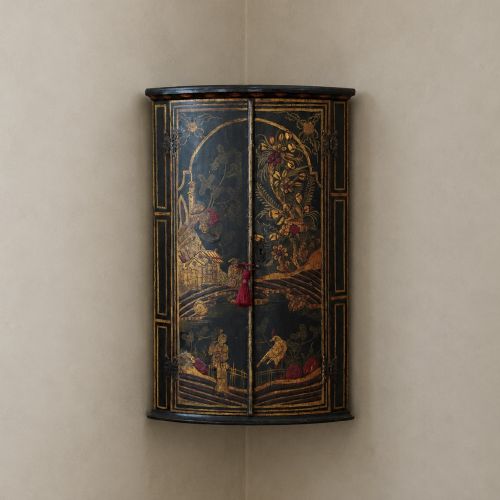
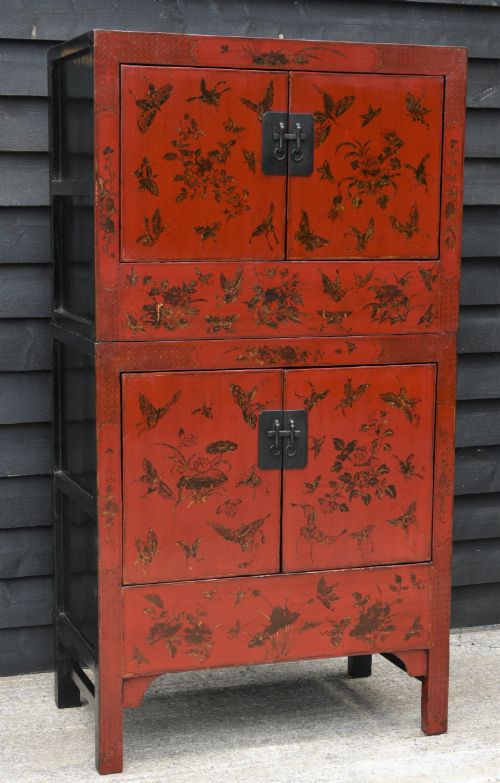
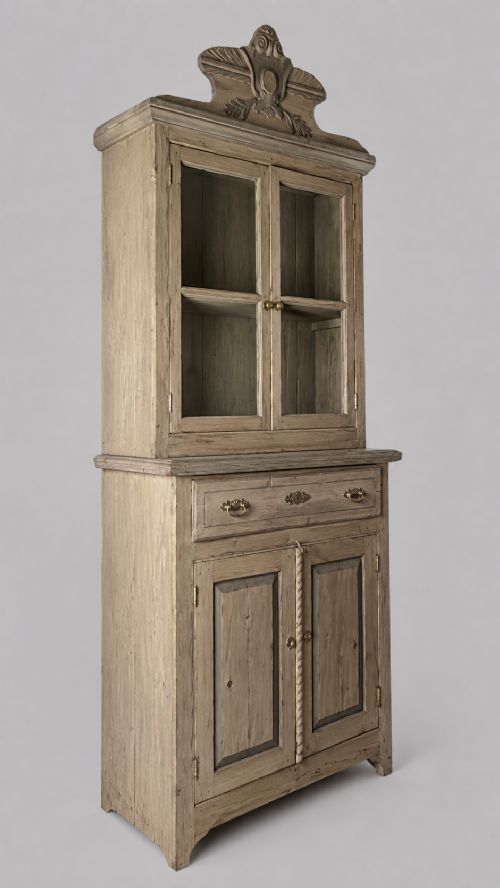
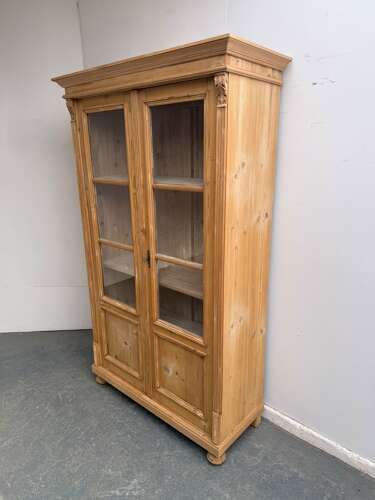
Painted Storage Cupboard
These painted storage cupboard pieces bring practical utility and character to an interior, offering robust storage finished in period paintwork.
What a painted storage cupboard is
A painted storage cupboard provides substantial utility for domestic organisation through enclosed shelving or hanging space. These pieces serve as practical furniture while bringing decorative surface colour to a room.
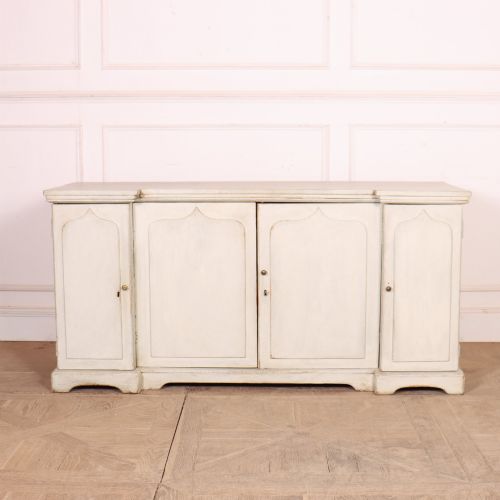
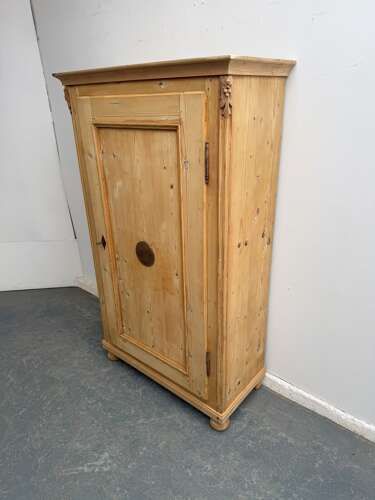
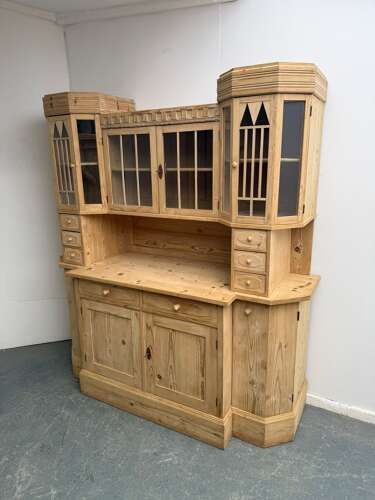
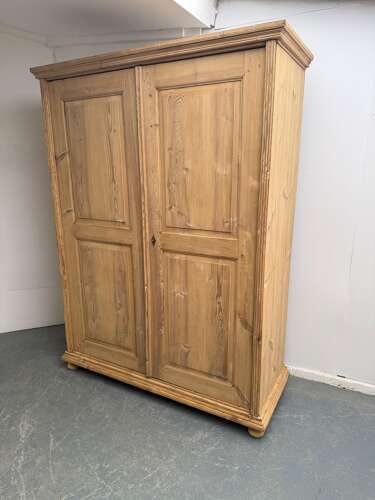
The selection centres heavily on nineteenth-century examples, including Victorian pieces alongside continental regional styles. Buyers encounter forms ranging from tall linen presses and wardrobes to small kitchen cupboards and sideboards.
Origins span English country houses, French and Italian provincial workshops, and folk art traditions. Pine serves as the primary structural timber across the majority of these domestic storage forms.
How they were made
Construction relies primarily on solid pine and timber, shaped into carcasses with panelled doors and internal shelving. Workshops utilised traditional joinery methods suited to domestic utility furniture.
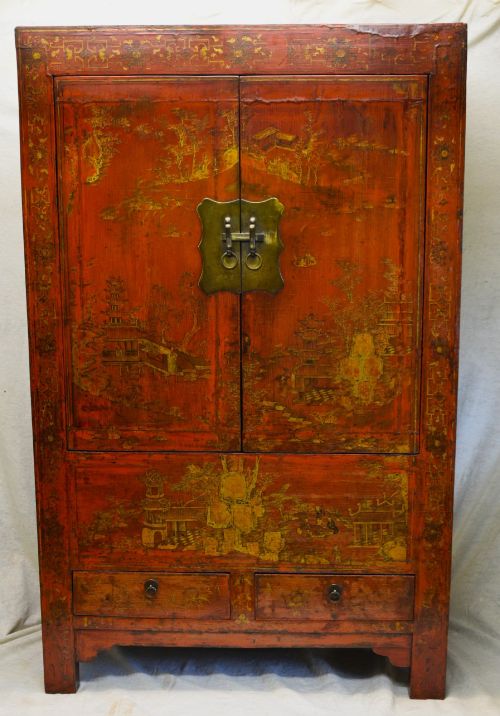
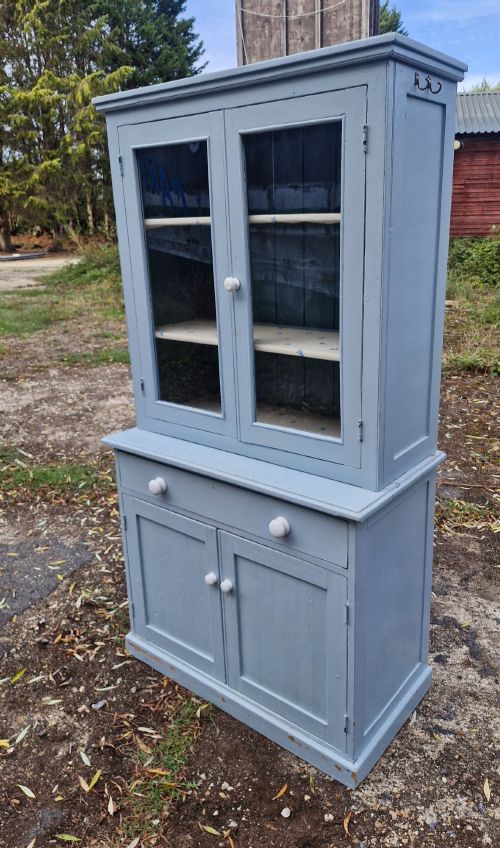
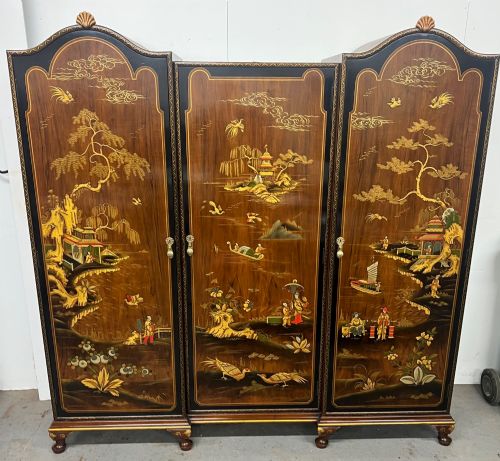
Surfaces feature layers of paint, sometimes applied originally or through later decorative traditions. Iron, brass, and ceramic elements provide hardware for handles, hinges, and latches.
Retail Price Guide 2026
Typical UK retail prices for painted storage cupboard, calculated from the Sellingantiques database of over a million retail prices indexed since 2003. This retail price guide relies exclusively on Sellingantiques data; no external sources or auction records are used, so the figures do not describe the wider market.
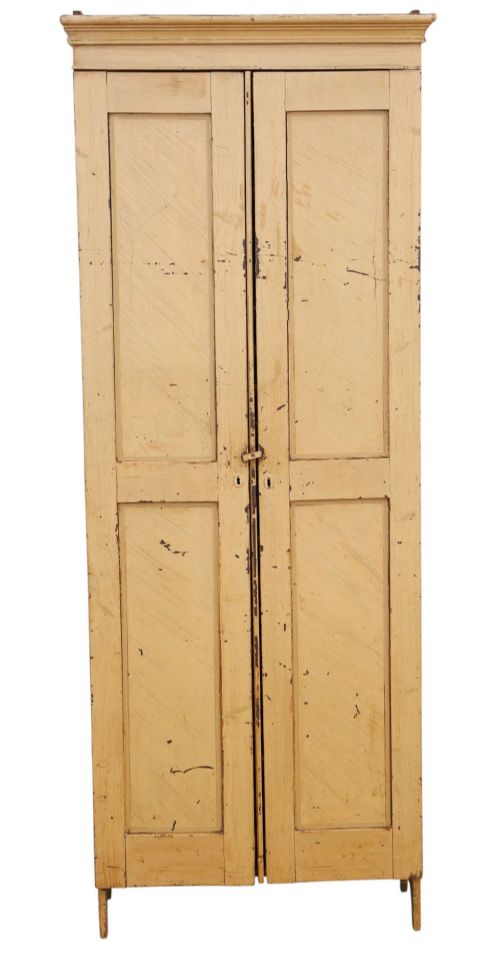
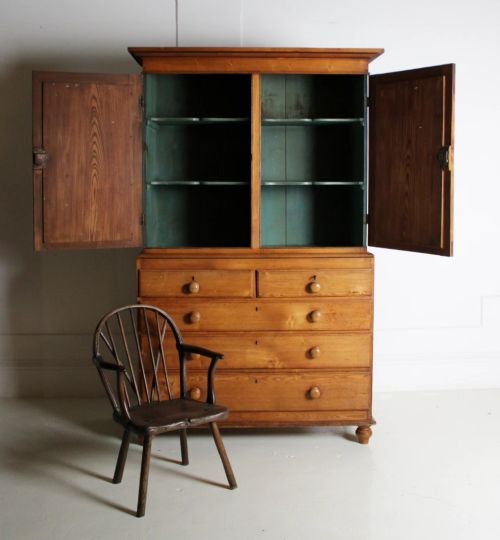
Some nineteenth-century cupboards wear their history proudly, hiding layers of historic teal, blue, and black paint beneath later coats.
What varies in quality
The standard of a painted storage cupboard rests on the integrity of its original timber construction and the proportion of the piece. Well-proportioned cornices, balanced door panels, and sturdy frames distinguish finer cabinetwork from simpler utility builds.
Surface finish significantly influences character, as original pigment layers or skilled hand-painted artistry create depth missing from flat modern applications. The integration of period iron or brass hardware also marks distinction.
Melissa White
The Painted Storage Cupboard Glossary
- Pine
- A softwood commonly utilised for domestic furniture carcasses and shelving throughout the nineteenth century. Its receptive surface made it ideal for painted finishes.
- Linen Press
- A tall storage piece traditionally designed for folding and storing textiles and bedding. These cabinets typically combine upper shelving with lower drawers.
- Folk Art
- Decorative work created within a vernacular tradition, often featuring expressive hand-painted motifs. Such pieces reflect regional tastes rather than academic design rules.
- Sideboard
- A low storage furniture form positioned for serving and utility. These pieces provide surface space alongside enclosed cupboards.
Frequently Asked Questions
What rooms suit a painted storage cupboard?
These cupboards function effectively in kitchens, boot rooms, and bedrooms where enclosed storage is required. Their painted surfaces allow them to blend with various interior colour schemes.
Larger wardrobe and linen press formats suit bedrooms or hallways, while smaller sideboards fit dining spaces.
How do I date a painted storage cupboard?
Dating relies on examining construction methods, timber types, and hardware like iron or brass hinges. Nineteenth-century pieces often show hand-cut joinery and period paint patination.
Stylistic cues such as Victorian proportions or provincial regional traits also help establish the age of the cabinet.
Are these cupboards made of solid wood?
The pieces listed predominantly utilise solid pine and timber throughout their construction. This material provided a sturdy, accessible base for domestic furniture.
Carpenters built these carcasses to withstand heavy daily use in country houses and provincial homes.
What is the difference between a larder and a linen press?
A larder cupboard is designed for food and provisions storage, historically featuring ventilated panels or deep internal shelving. A linen press focuses on storing household textiles and garments.
Both forms utilise tall vertical storage but serve different domestic functions within the home.