
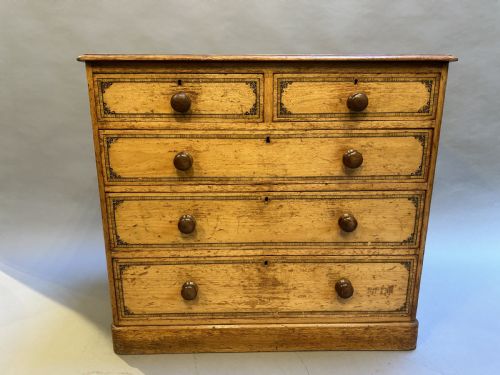
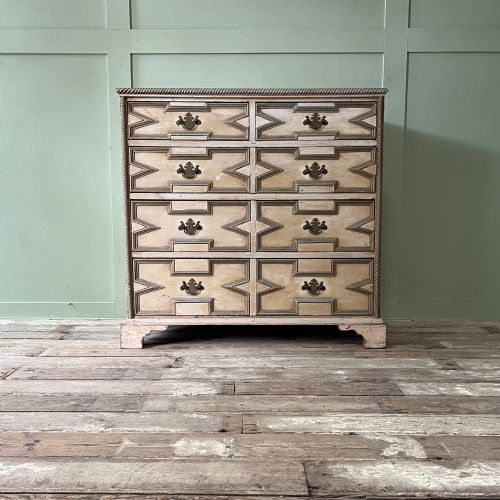
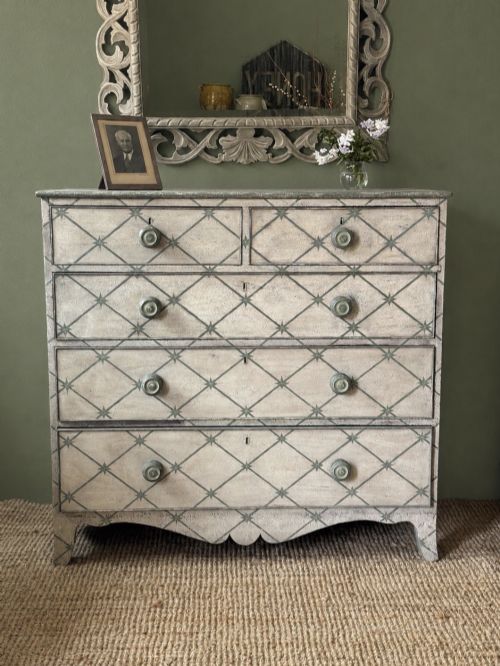
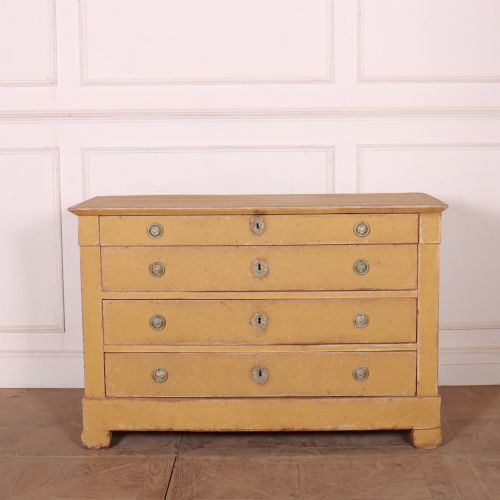
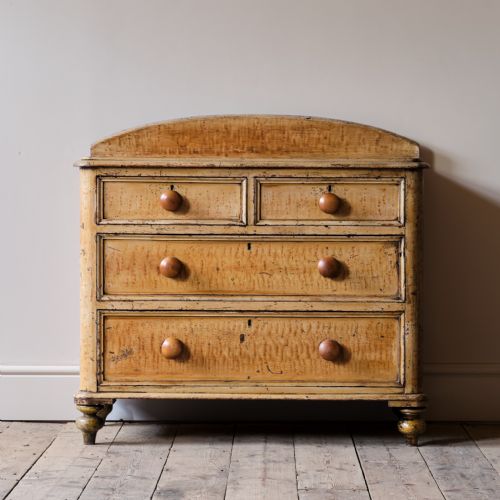
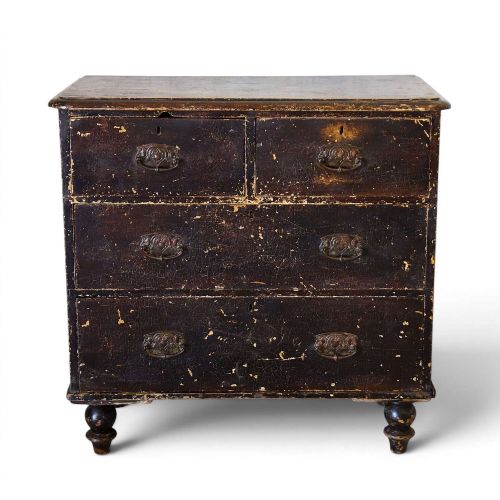
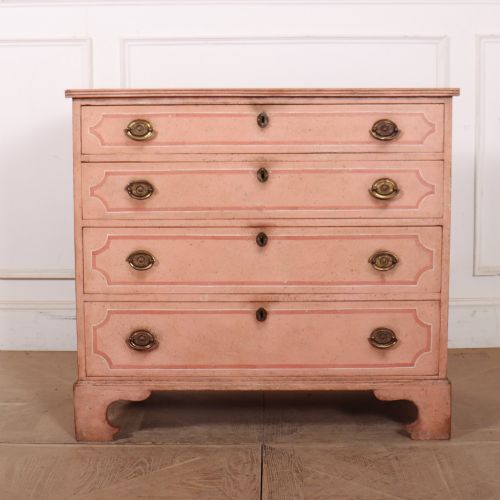
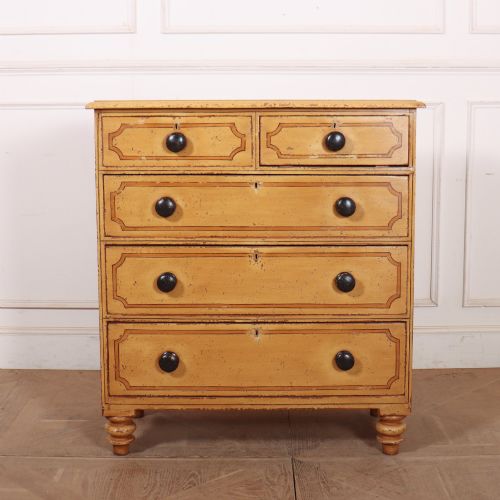
Painted Storage Commode
A painted storage commode offers practical capacity combined with decorative surface work, making it a sought-after functional centrepiece for bedrooms and living spaces.
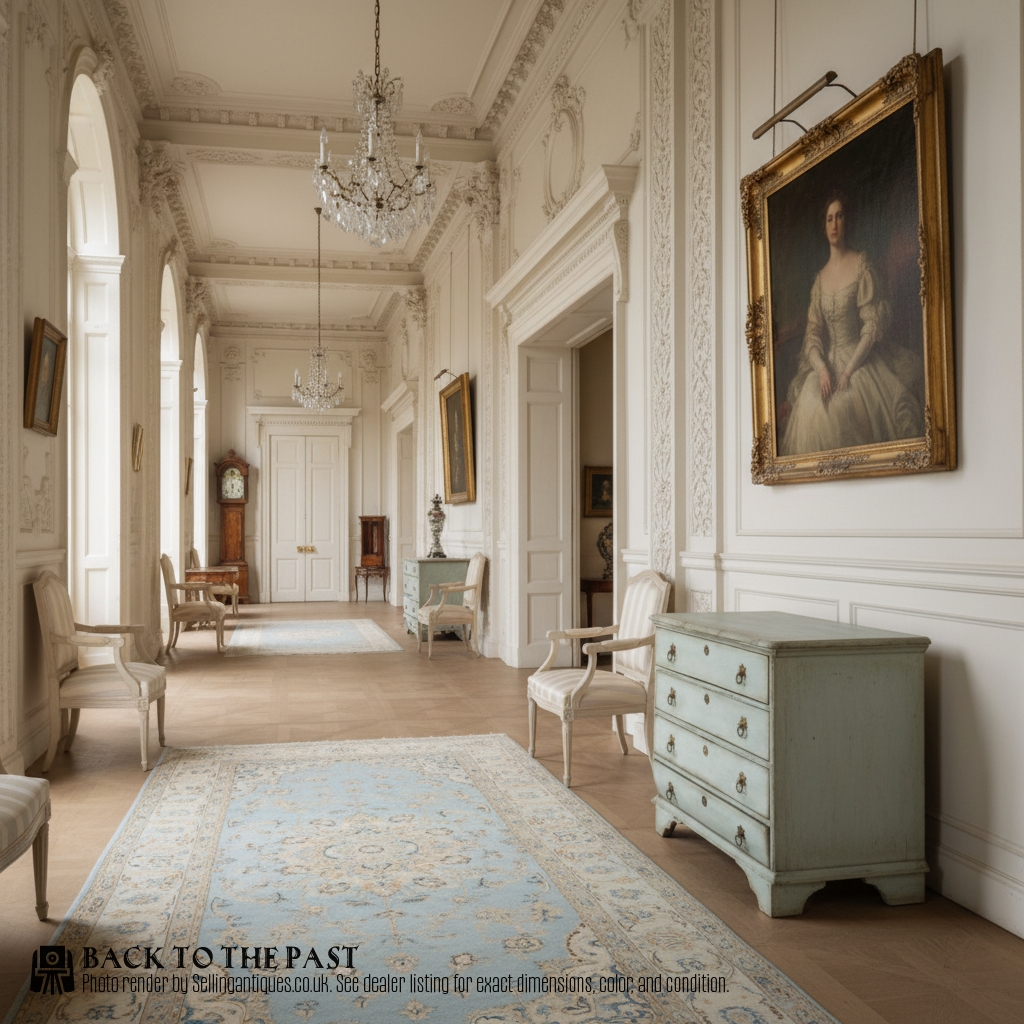
Painted Storage Commode
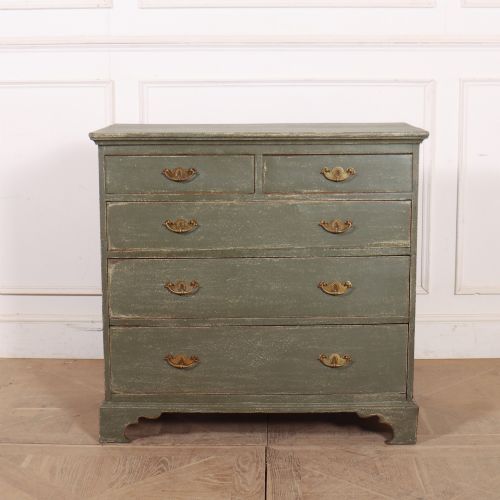
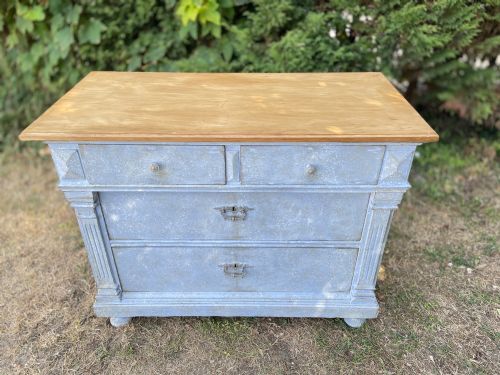
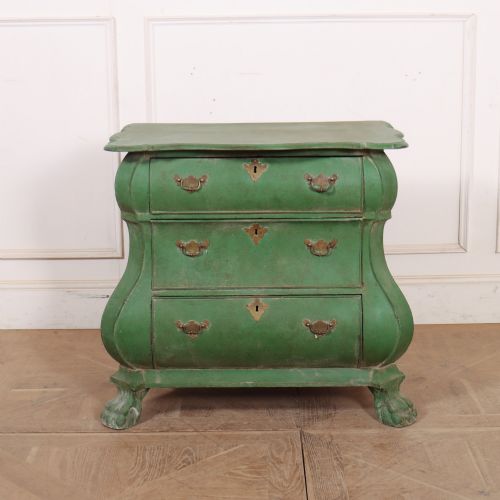
A painted storage commode functions primarily as a chest of drawers, side cabinet, or cupboard designed to hold household items while displaying surface decoration. Buyers seeking a painted storage commode will find sturdy timber carcases finished in historical paint layers, stencils, or scumble effects.
The versions most commonly met on this page date from the 18th century through to the early 20th century. These pieces originate from English, French, Italian, Dutch, Hungarian, and Scandinavian workshops, reflecting diverse regional tastes in domestic storage.
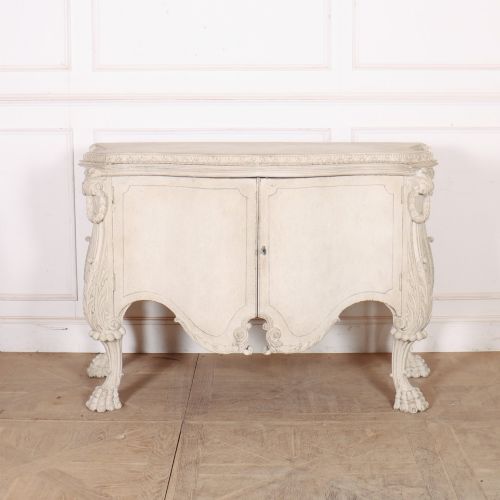
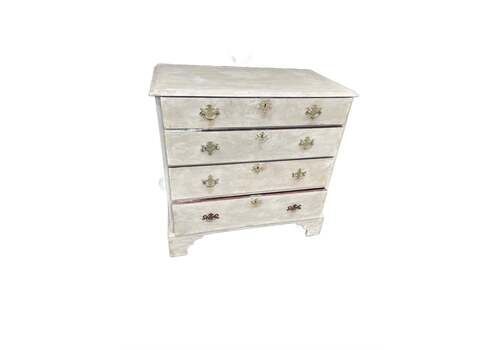
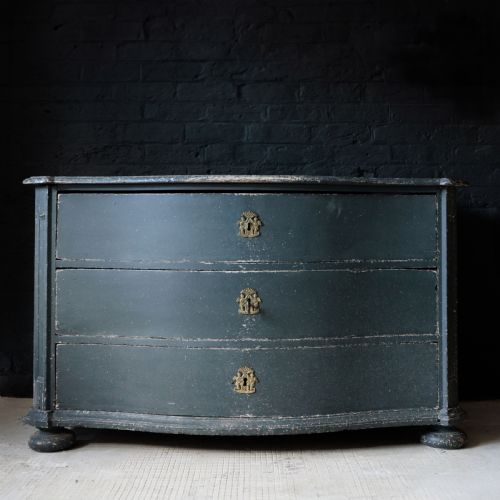
Forms range from straight-fronted pine chests to serpentine and bombé commodes fitted with drawers and doors. Many examples retain their original painted surfaces, showing patination acquired over generations of domestic use.
How they were made
Carcases are constructed principally from pine and hardwood timber, joined using traditional cabinet-making techniques appropriate to each period. Surfaces are then prepared with ground layers before receiving coats of paint, decorative stencilling, or simulated wood grain effects.
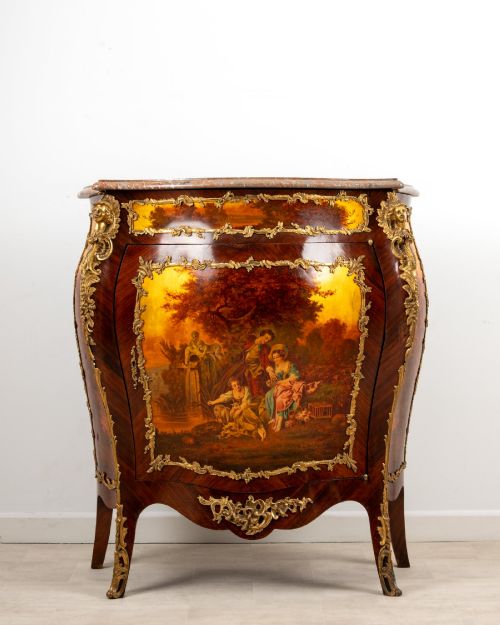
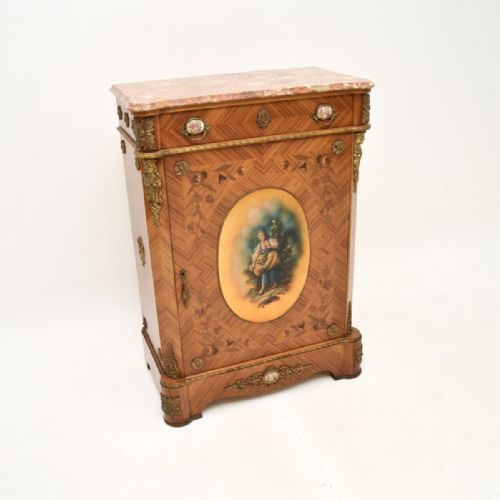
Many items incorporate applied brass, ormolu mounts, and marble tops, particularly on continental forms originating from France and Italy. Iron or brass hardware secures the drawers and doors, matching the functional requirements of heavy domestic storage.
Listings feature pine and hardwoods shaped into cupboards, side cabinets, and chests of drawers spanning the 18th, 19th, and early 20th centuries.
What varies in quality
The integrity of the original paint surface dictates much of the character, distinguishing untouched historical decoration from later overpainting. Surviving scumble, original stencilling, or regional pigments demonstrate authenticity and long-term preservation.
Structural joinery and the selection of secondary timbers reveal the workshop standard behind each commode. Refined cabinet work, such as shaped serpentine or bombé drawer fronts combined with fitted marble tops, marks the upper tier of production.
Sir Clough Williams-Ellis·Edwards and Roberts
The Painted Storage Commode Glossary
- Commode
- A low cabinet or chest of drawers designed for storage, often standing on short legs or feet. The term covers various continental and English forms.
- Bombé
- A swelling, outward-curved commode profile characteristic of 18th and 19th-century cabinet-making, particularly in French and Dutch pieces.
- Vernis Martin
- A simulated Japanese lacquer technique developed in 18th-century France, used to decorate fine cabinets and commodes.
- Ormolu
- Gilded bronze mounts applied to the corners, feet, and handles of high-status cabinets and commodes.
- Scumble paint
- A translucent or opaque glaze applied over a base coat and manipulated with tools to imitate the grain of more expensive woods.
Painted Storage Commode: Frequently Asked Questions
What is a painted storage commode?
A painted storage commode is a cabinet or chest of drawers finished with decorative paintwork, used historically for household storage in bedrooms and reception rooms.
These pieces combine utilitarian drawer or cupboard space with surface ornamentation, ranging from simple English pine to elaborate French bombé designs.
How do I identify original paint?
Original paint shows natural wear, craquelure, and integration with the underlying timber consistent with age. Accumulated layers and consistent patination distinguish early decorative finishes from modern repainting.
Examining drawer edges, interior surfaces, and hardware fixings helps determine whether the paint finish belongs to the period of construction.
Where were these commodes made?
The pieces originate from workshops across Europe, including England, France, Italy, Holland, Hungary, and Sweden. Each region developed distinct stylistic traits, such as Gustavian neoclassicism in Sweden or serpentine shaping in France.
Local timber availability, such as pine in Scandinavia and Hungary, dictated the primary construction materials used by regional cabinet-makers.
How do I care for a painted commode?
Maintenance requires protecting the historical paint surface from direct sunlight, excess moisture, and abrasive cleaning products. Regular dusting with a soft, dry cloth preserves the underlying patination without disturbing the finish.
Placing the commode in a room with stable humidity prevents the timber carcase from expanding or contracting, which safeguards both the joints and the painted decoration.