
19th Century Painted Furniture
These 19th century painted furniture pieces bring colour, history and utility into a room through surviving historic finishes.
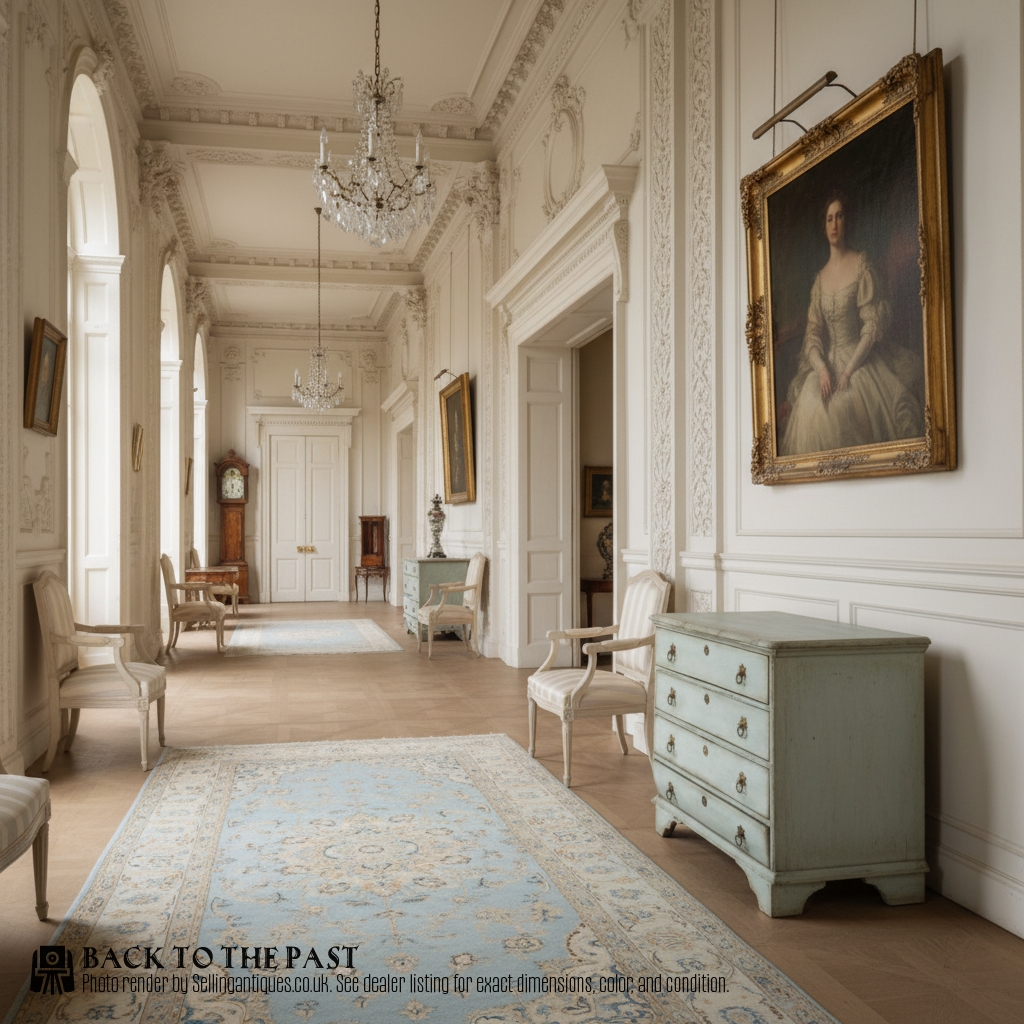
19th Century Painted Furniture
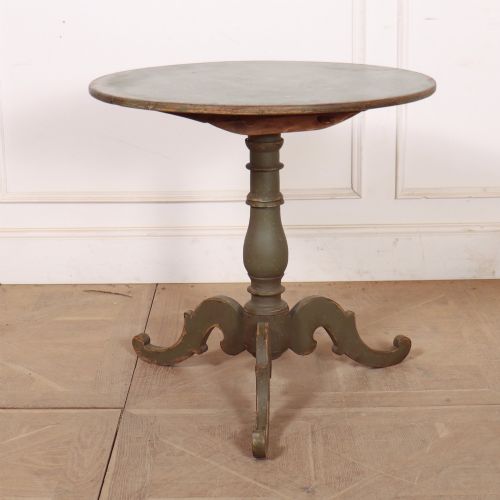
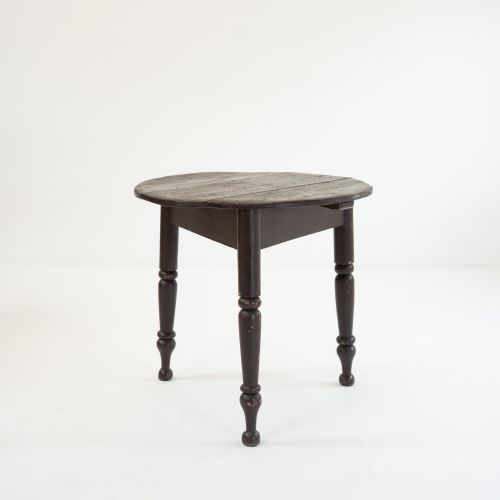
When you search for 19th century painted furniture, you encounter a diverse array of domestic and garden objects originating from various European and international workshops. The selection spans utilitarian storage and seating alongside decorative display pieces.
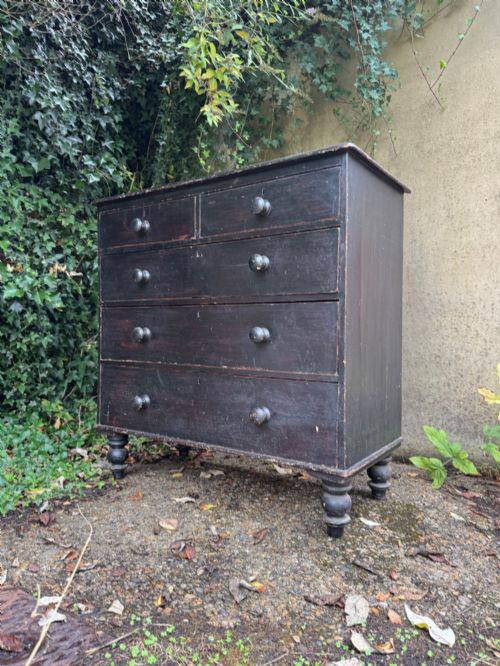
Pine and other softwoods form the basis for much of the domestic cabinetry, often bearing layers of original or scumbled paint. Garden seating and architectural pieces in cast iron sit alongside finer cabinet work in mahogany, satinwood and lacquer.
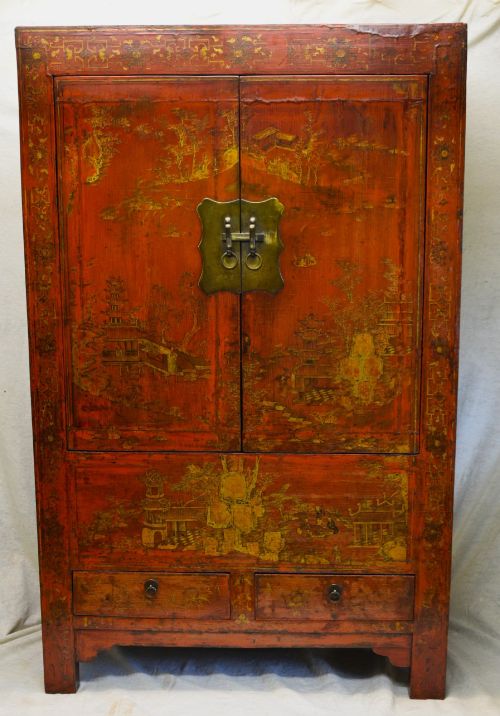
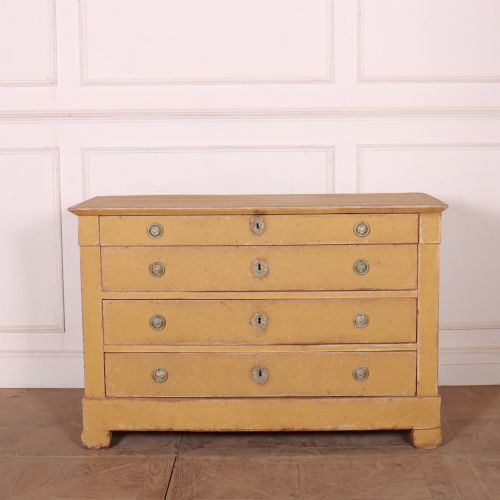
The regional variations are distinct, ranging from Swedish country chests and French commodes to Chinese lacquer cabinets and British farmhouse dressers. Pieces from the Victorian, Regency and Continental traditions dominate the available forms.
Materials and construction methods
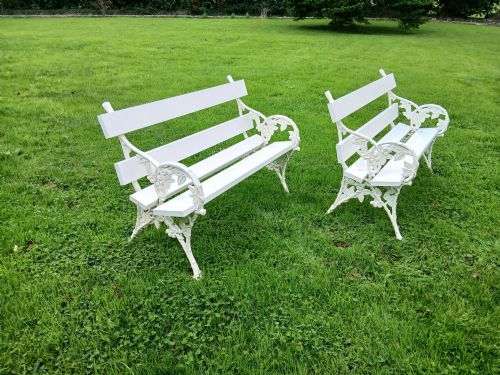
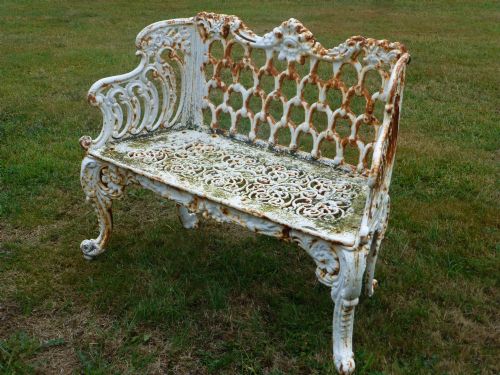
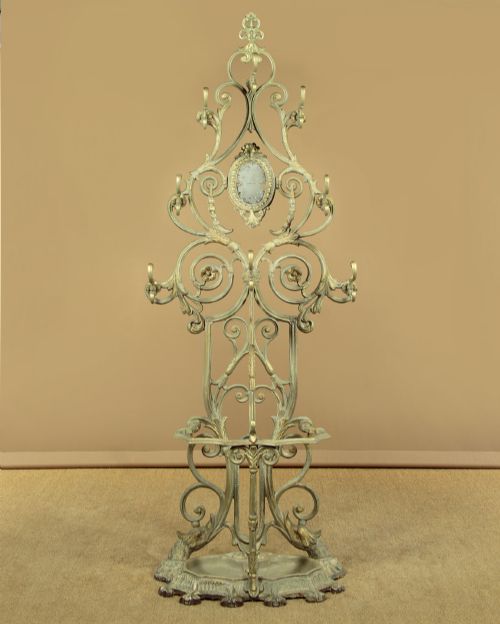
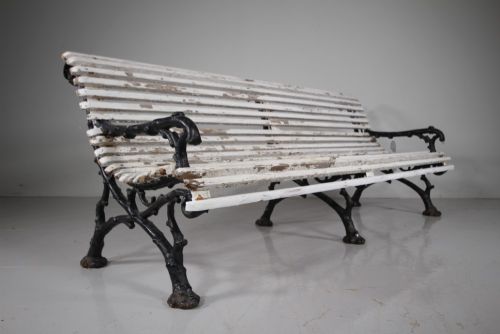
Makers utilised native softwoods like pine alongside hardwoods such as oak, mahogany and satinwood for foundational structures. Cast iron appears frequently in garden benches and hall stands from foundries of the period.
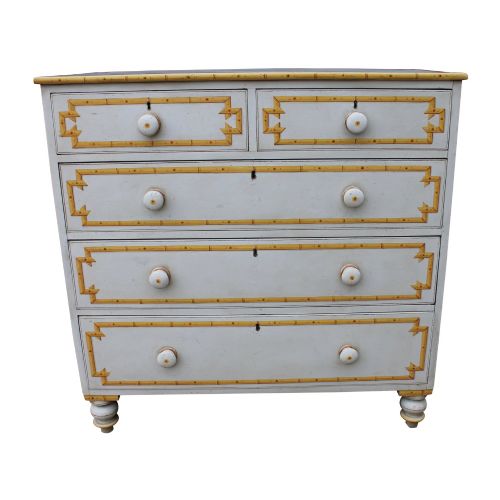
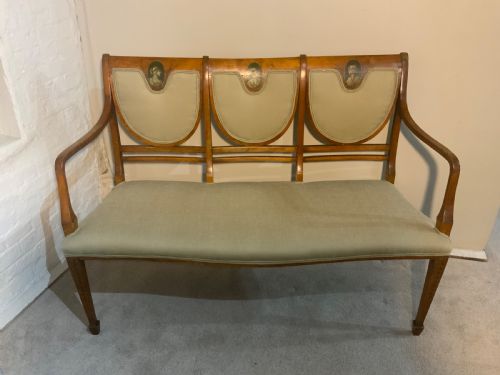
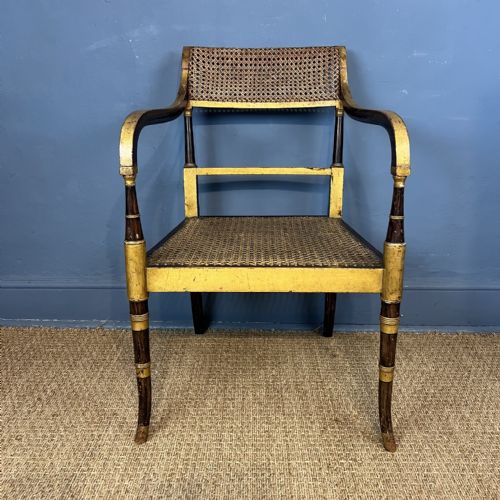
Finishes were applied using traditional paint, gilt, toleware, lacquer and scumbling techniques to create faux wood effects or solid decorative surfaces. Surface decoration often included hand-painted floral motifs or porcelain plaques.
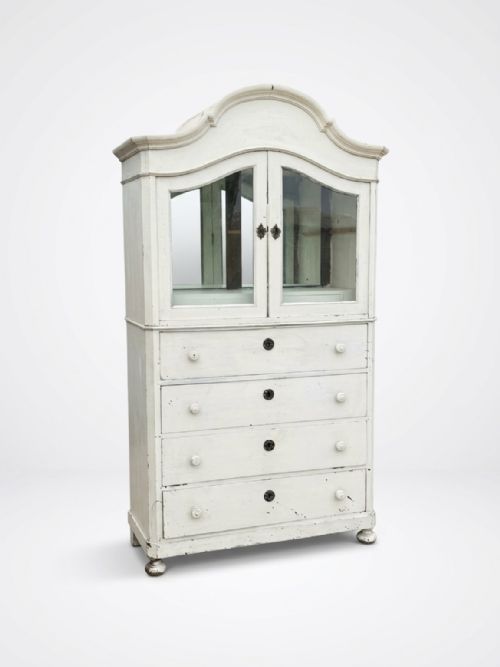
Joinery relied on period techniques appropriate to the object type, from simple pegged construction in country cupboards to sophisticated carcase work in vitrine cabinets and campaign chests.
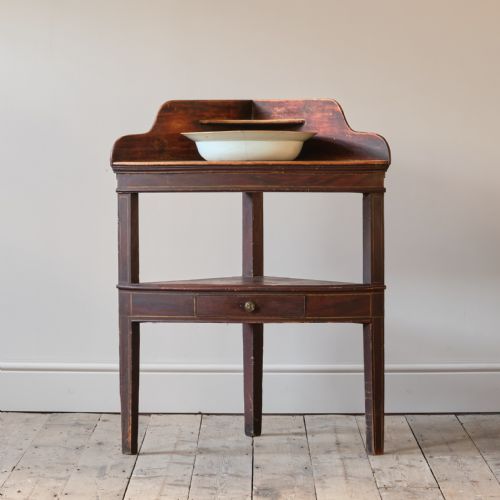
The inventory records cabinet furniture spanning commodes, washstands, military campaign chests, and kitchen dressers alongside garden benches.
Distinctions in quality and execution
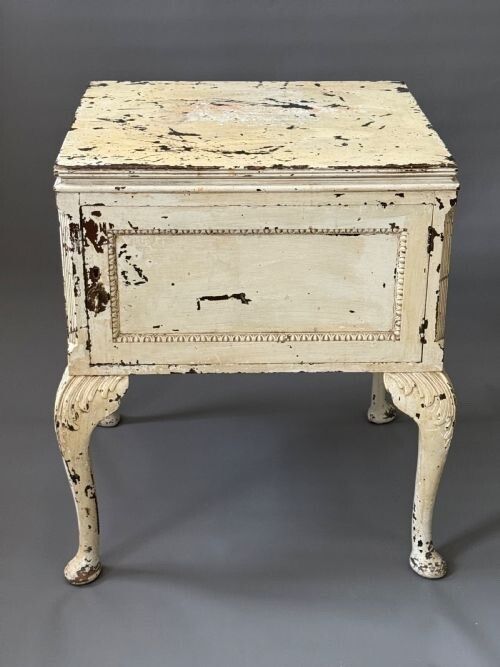
The survival of original surface finishes dictates much of the appeal, with untouched or early paint layers holding greater integrity than later overpainting. The crispness of applied gilding, parcel gilt details and hand-painted decoration separates standard items from finer works.
Foundry attribution and maker marks elevate cast iron garden pieces, while structural joinery and hardware quality define the cabinetry. Subtle details like faux bamboo turning or elaborate strapwork demonstrate superior craftsmanship.
Falkirk Carron Foundry·Coalbrookdale
The 19th Century Painted Furniture Glossary
- Scumbled
- A paint finish manipulated to simulate the grain of more expensive woods or to create a mottled texture. It is frequently found on Victorian pine furniture.
- Toleware
- Lacquered or enamelled metalware, often painted with floral or scenic designs. Items range from household trays to bedframes.
- Parcel Gilt
- Partially gilded woodwork or metal, where gold leaf highlights specific carved details or mouldings. This technique adds contrast to painted surfaces.
- Campaign Chest
- Portable furniture made in sections with brass corners and recessed handles for transport by military officers. They are built for durability.
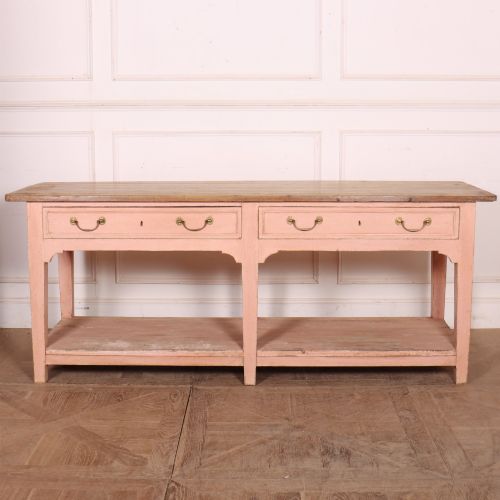
- Potboard Dresser
- A kitchen or dining storage unit featuring an open lower shelf for storing pots and pans beneath the main counter surface.
19th Century Painted Furniture: Frequently Asked Questions
How do I identify original paint?
Examine the surface under magnification for craquelure, wear patterns consistent with age, and the absence of modern synthetic undercoats beneath chips.
Look into crevices and behind hardware where later touch-ups or stripping agents failed to reach, revealing older pigment layers.
Where were these pieces used originally?
Domestic pieces served in bedrooms, kitchens, and drawing rooms as storage chests, washstands, and side tables. Garden benches and iron stands furnished outdoor courtyards and grand porches.
Regional country pieces filled farmhouses and provincial homes, while lacquer cabinets and satinwood items suited formal reception rooms.
How should I clean painted surfaces?
Dust gently with a dry, soft microfiber cloth to prevent abrasion to fragile historic finishes. Avoid commercial solvents, abrasive cleaners, or excess water.
Consult a professional conservator if the paint layer is flaking or unstable before attempting any active cleaning.
Can I use these items outdoors?
Cast iron garden benches and specific ironwork items are designed for exterior placement and withstand weathering over time. Wooden pieces finished in paint require protection from moisture and direct sunlight to prevent warping and paint degradation.
What defines Regency painted furniture?
Regency items often feature classical motifs, faux rosewood graining, or parcel gilt highlights reflecting neoclassical tastes. Forms include delicate armchair frames, washstands, and specific library or hallway furniture.