
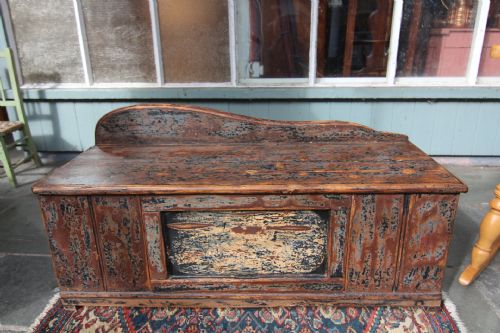
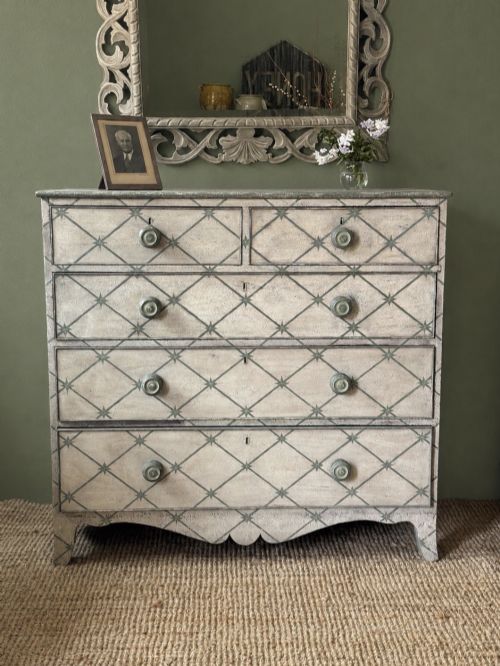
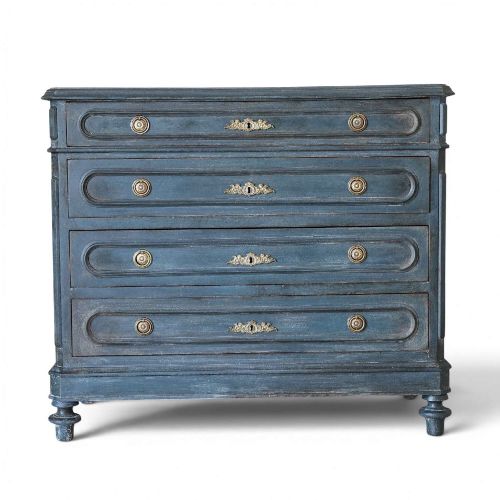
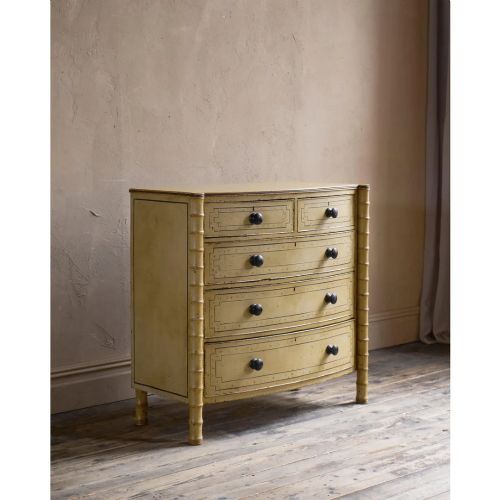


Painted Timber Chest
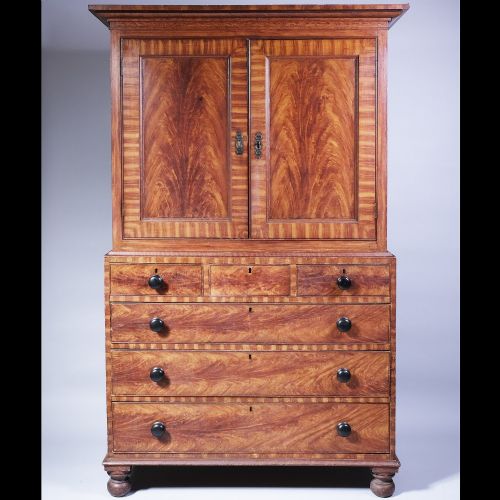
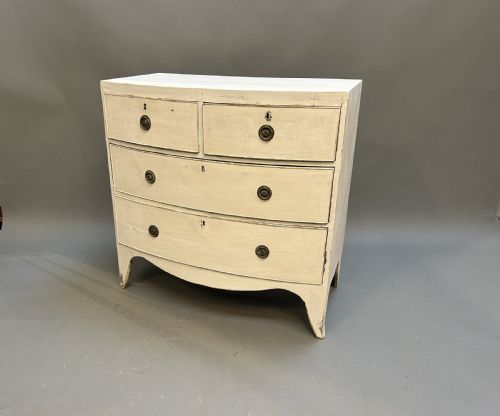
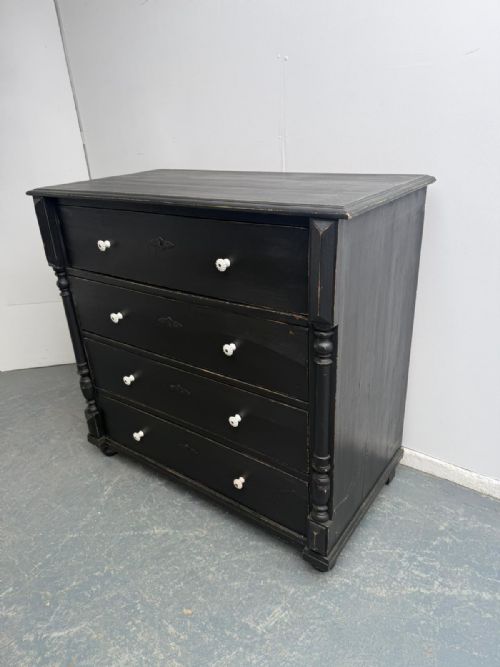
A painted timber chest brings immediate colour and character into a room, offering practical storage disguised beneath decorative layers of pigment and scumble.
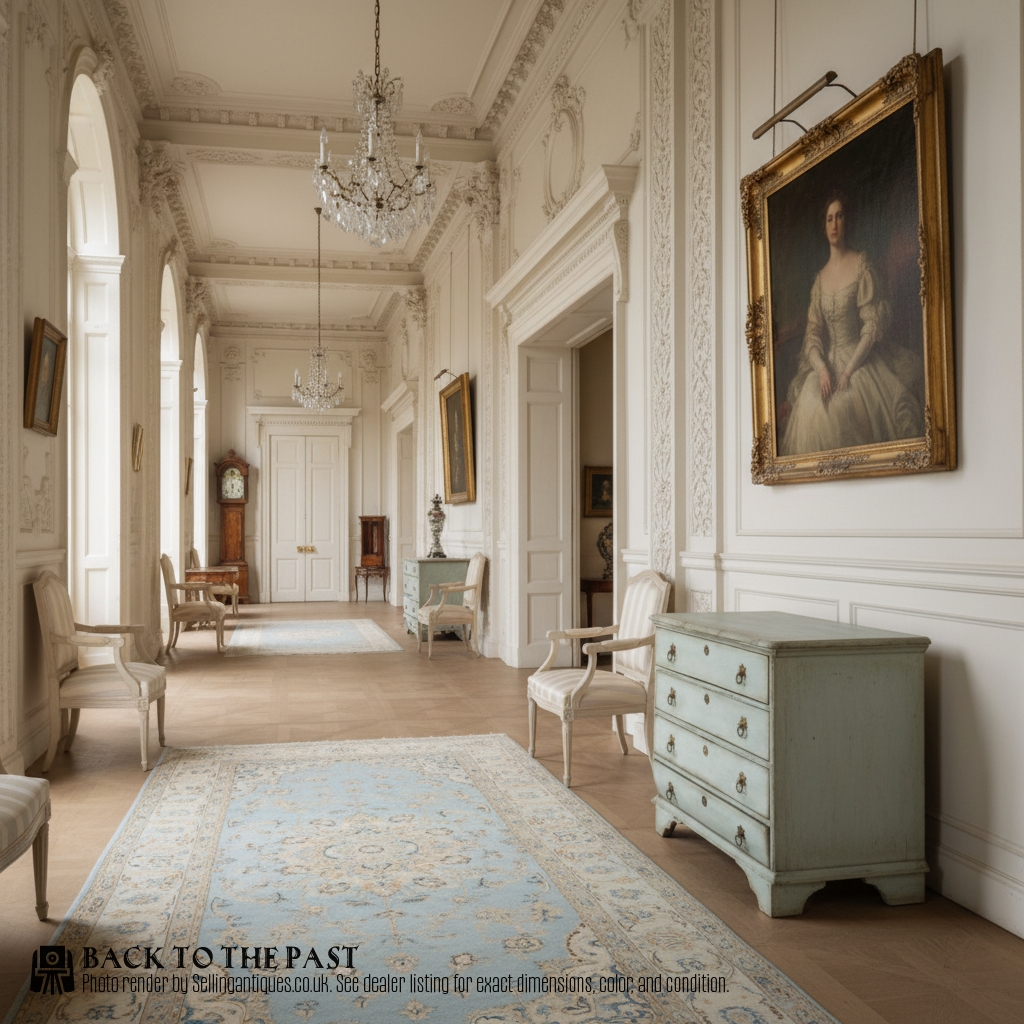
Painted Timber Chest
A painted timber chest encompasses a broad family of storage forms, from dowry chests and strong boxes to commodes and blanket boxes, created across various centuries. When you search for a painted timber chest, you encounter items shaped by utilitarian needs that later received decorative finishes.
The pieces listed here span the eighteenth, nineteenth, and early twentieth centuries, drawing on regional traditions from England, France, Sweden, Hungary, and China. You are most likely to meet nineteenth-century pine examples finished in applied colour or scumble glaze.
Forms range from simple lidded boxes and log bins to multi-drawer chests, commodes, and cupboards. Each piece uses its wooden construction as a vehicle for surface decoration, blending raw utility with domestic artistry.
Materials and construction methods
Pine and general timber form the foundational structure of these pieces, providing stable panels for daily use and subsequent surface treatment. Joinery methods depend on the object type, utilising standard box construction or drawer framing.
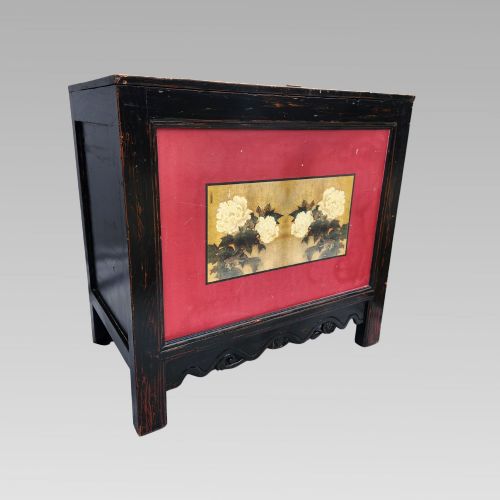
Applied finishes include layered pigment, scumble paint, graining, lacquer, and floral chinoiserie, often sealed over the wood to alter its visual texture. Iron and brass hardware such as hinges, handles, and locks secure the structural integrity while completing the piece.
Listings feature pine and general timber surfaces finished with paint, pigment, brass, and iron across the nineteenth and eighteenth centuries.
Assessing quality in painted surfaces
Quality rests heavily on the integrity of the painted surface, distinguishing original decorative schemes from later or heavy-handed overpainting. The subtlety of the brushwork, whether handling floral motifs or simulated wood grain, dictates the visual success of the piece.
The underlying timber construction must remain sound, with dovetailing and panel alignment matching the stated period. Pieces retaining their original brass or iron fittings hold greater integrity than those with replaced hardware.
The Painted Timber Chest Glossary
- Scumble paint
- A decorative technique involving translucent layers of glaze dragged or brushed over a base coat to simulate finer woods or create textured patterns.
- Commode
- A low chest of drawers or cabinet, frequently of French origin, standing on legs.
- Mule chest
- A traditional storage chest featuring one or more drawers at the base beneath the main lidded compartment.
- Chinoiserie
- European decorative motifs inspired by Chinese art and design, often featuring figures, landscapes, and floral patterns.
- Dowry chest
- A traditional box or trunk made to hold household linens and possessions accumulated for marriage.
Painted Timber Chest: Frequently Asked Questions
How do I clean a painted chest?
Dust the surface regularly with a soft, dry cloth to prevent dirt accumulation without disturbing fragile pigment layers. Avoid modern chemical solvents or abrasive cleaners that can strip historic paint finishes.
Test any gentle cleaning method on a hidden area first. Maintaining stable room humidity prevents the timber beneath from expanding and causing the paint to flake.
What is scumble paint?
Scumble paint is a decorative glazing technique where a translucent layer of darker pigment is manipulated over a lighter base colour. This creates mottled or simulated wood grain effects.
Cabinetmakers used this method to give ordinary pine the appearance of more expensive hardwoods. It remains a defining characteristic of many country house pieces.
Where should I place my chest?
Position your chest away from direct sunlight and strong heat sources to prevent the wood from warping and the paint from fading. Adequate clearance allows air circulation around the piece.
These storage items suit hallways, bedrooms, and living spaces as focal points. Ensure the floor is level so the drawers and lids operate smoothly.
How do I date a painted chest?
Examine the construction joints, such as dovetails, and the type of timber used in the carcass to establish a baseline period. Hand-cut elements usually point to earlier eras before mass production.
Inspect the paint layers and hardware for signs of age and consistency. Comparing the decorative style against regional traditions helps narrow down the origin.